Mar 12, 2019 | Multimedia items, News, Video clips
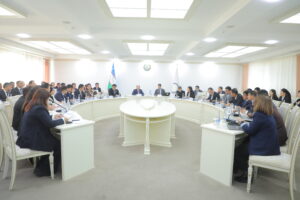
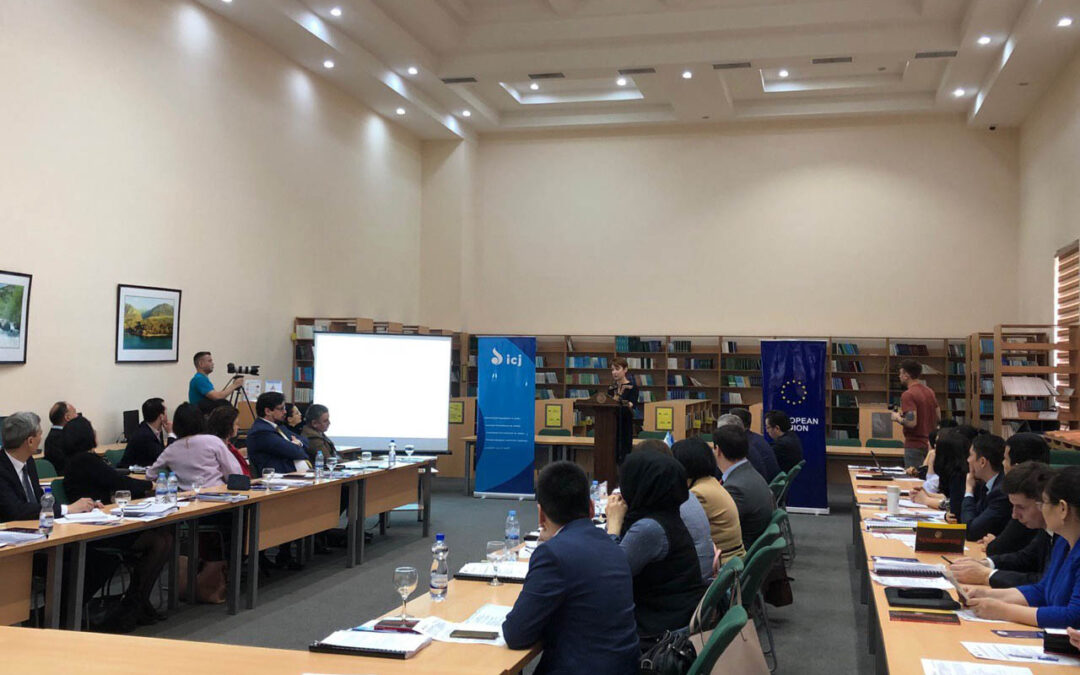
Today, the ICJ and the Tashkent State University of Law (TSUL) in partnership with the UN Human Rights Office in Central Asia are organizing this event. The topic of the Third Expert Discussion is rights of persons with disabilities.
The Expert Discussions are part of “Access to Justice in Economic, Social and Cultural Rights Project (ACCESS)” supported by the European Union.
The Expert Discussions are aimed at increasing awareness about the implementation of international law and standards on ESC rights by national courts, to facilitate access to justice in relation to ESC rights and effective use of international human rights law for ESC rights at the national level.
Each Expert Discussion is supported by presentations of international and national experts.
The first experts’ meeting was held in September 2018 on international standards in labour rights, and the second meeting – held in December 2018 – on the principle of non-discrimination in courts and court decisions.
The two events brought together lawyers, defense lawyers, individual experts, academia representatives and law students via interactive discussions, research papers, peer review articles and policy papers. Selected papers will be published in collection of scientific articles by the end of 2019.
Mansurkhon Kamalov, the Deputy Rector of TSUL, said: “We have already held two expert discussions on the right to work and the principle of non-discrimination in courts together with the ICJ with the support of the European Union. Each event touched upon international and national standards and legal regulation of specific ESC rights. Our meeting today is organized on the eve of celebrating the day when independent Uzbekistan became a full member of the UN; and it raises a very relevant topic not only for the country, but also for the international community as a whole. The TSUL is pleased to cooperate with the ICJ, which helps increase public awareness about international legal norms and standards in the field of ESC rights and practice of their implementation at the national and international level; access to justice with regard to ESC rights, as well as the effective use of international human rights law to protect these rights at the national level.”
Ryszard Komenda, Head of the UN Human Rights Office in Central Asia, said: “Today, about 10 per cents of the population are persons with disabilities. Persons with disabilities are the largest minority in the world. This figure is constantly increasing as a result of demographic growth, progress in healthcare systems, and the overall population aging patterns, according to WHO’s world data. In the framework of the Universal periodic review (UPR) of Uzbekistan, that was held for the third time in May 2018, a number of the UN Human Rights Council members called on Uzbekistan to ratify the Convention on the Rights of Persons with Disabilities and welcomed measures that have been already in the process of implementation with the aim to ensure the rights of persons with disabilities in the country. According to the UPR outcome document, the Republic of Uzbekistan accepted relevant recommendations and declared its intention to ratify the Convention. Ratification of the Convention on the Rights of Persons with Disabilities will be a significant step in further promoting and ensuring implementation of international human rights standards in the Republic of Uzbekistan.”
Dmitriy Nurumov, ICJ Legal Consultant, said: “Access to justice, which includes a fair trial and equality before the law, is of particular importance for people living with a disability, who often face inter-sectional and multiple barriers to access justice. The ICJ believes that inclusive societies in which all individuals have equal access to justice, require identifying and overcoming systemic and practical barriers that hamper equal access to justice, including in enjoyment of ESC rights. The ICJ hopes that today’s discussion will map out such existing barriers and the ways they can be overcome.”
Contact:
Dilfuza Kurolova, ICJ Legal consultant, t: +998 90 9050099 ; e: dilfuza.kurolova(a)icj.org
Watch the video here:
Mar 12, 2019 | Новости, Статьи
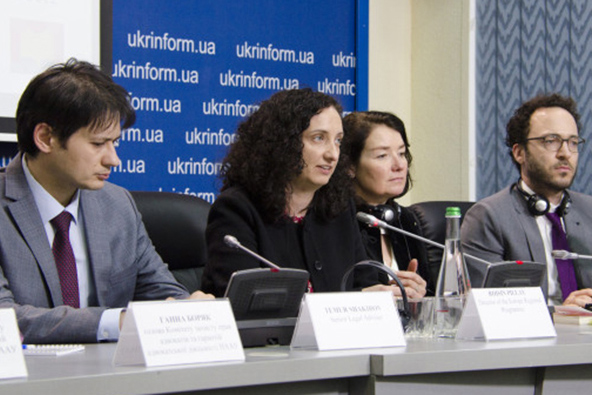
За результатами місії в Україну 4-8 березня, МКЮ закликала українську владу вжити термінових заходів для забезпечення фізичної безпеки адвокатів і притягнення до відповідальності осіб, відповідальних за низку насильницьких нападів на них.
Під час свого візиту, делегація МКЮ отримала послідовні свідчення щодо нападів приватних осіб на адвокатів, які варіюються від залякування до використання вогнепальної зброї проти них.
Декілька адвокатів були піддані фізичним та вербальним нападам особами або організованими групами, у тому числі в суді. За останній час шість адвокатів було вбито у зв’язку з їхньою професійною діяльністю.
Вказані переслідування відбуваються в умовах, коли законодавчі нововведення, що спрямовані на регулювання адвокатської професії та матимуть вагомі наслідки для свободи об’єднань і функціонування як асоціацій адвокатів, так і громадянського суспільства, пропонуються Адміністрацією Президента без відповідних консультацій з адвокатами.
Без вагомих та невідкладних зусиль, вжитих для запобігання нападів і боротьби з безкарністю, незалежність адвокатської професії, а також можливість адвокатів захищати права людини будуть піддані все більшому ризику, підсумувала МКЮ наприкінці місії в Україні.
Викликає занепокоєння, що насильницькі атаки на адвокатів, багато з яких були достовірно приписані екстремістським праворадикальним групам, часто мають наслідком безкарність злочинців, незважаючи на наявність доказів і конкретних кримінально-правових норм, покликаних захищати адвокатів від нападів.
МКЮ з’ясувала, що правоохоронні органи часто не розслідують такі справи в швидкий і неупереджений спосіб, навіть коли відомі особи, що вчинили злочин.
МКЮ підкреслює, що такі напади на адвокатів часто пов’язані із захистом клієнтів у політично чутливих кримінальних справах та підривають здатність адвокатів виконувати свої обов’язки і захищати права людини своїх клієнтів вільно від залякування, перешкод, переслідування чи неналежного втручання.
Крім того, МКЮ нагадує, що згідно з міжнародним правом прав людини держава повинна вжити заходів для захисту безпеки осіб, про яких державні органи знають або повинні знати, що вони перебувають під загрозою, і повинна забезпечити незалежне, швидке та ретельне розслідування будь-яких нападів на життя чи фізичну недоторканність осіб.
У зв’язку з цим МКЮ підкреслює, що ефективна та незалежна адвокатура є суттєвим елементом для кожної системи правосуддя, яка підтримує верховенство права. Міжнародні стандарти закріплюють важливу роль адвокатів у захисті прав людини та внеску адвокатів у забезпечення верховенства права та справедливе здійснення правосуддя.
Основні положення ООН про роль адвокатів підкреслюють важливість незалежності асоціацій адвокатів у забезпеченні справедливого та ефективного здійснення правосуддя. Такі асоціації повинні бути у законі та на практиці інституційно незалежними як від усіх зовнішніх суб’єктів, включаючи уряд, інші виконавчі органи, парламенти, так і знаходитись поза приватними інтересами.
У світлі цих стандартів МКЮ занепокоєна процесом прийняття законопроекту №9055 «Про адвокатуру та адвокатську діяльність», який був розроблений без необхідного рівня консультацій та участі основної зацікавленої сторони – Національної асоціації адвокатів України, яка рішуче виступає проти прийняття законопроекту в поточній редакції.
Неприпустимим в цьому контексті є визначення поданого до Верховної Ради законопроекту як невідкладного, потреба в чому є сумнівною, зазначає МКЮ.
Якщо даний закон буде прийнятий без необхідних консультацій і схвалення асоціації адвокатів, він може становити загрозу незалежності адвокатури в Україні та спроможності громадянського суспільства, включаючи правозахисників, виконувати свою важливу роботу, додає женевська організація.
МКЮ особливо стурбована тим, що, згідно з проектом закону, адвокати не зможуть працювати в неурядових організаціях, зберігаючи статус адвоката та членство в НААУ.
В той час як міжнародна практика щодо цього не є однорідною, у випадку України таке обмеження може підірвати здатність правозахисних громадських організацій здійснювати кваліфіковане юридичне представництво або надавати юридичну допомогу тим, чиї права людини були порушені.
МКЮ також звернула увагу на обґрунтовані твердження про корупцію та випадки недоброчесності адвокатів, у тому числі у контексті системи правової допомоги.
Як стверджується, екзаменаційний процес для отримання адвокатського свідоцтва, особливо в деяких регіонах, не є вільним від корупції. До сьогодні, Національна асоціація адвокатів не змогла ефективно вирішити цю проблему, що має бути зроблено невідкладно.
Місія в Україну включала членів Секретаріату МКЮ, а також представників Амстердамської та Женевської асоціацій адвокатів. Було проведено зустрічі з провідними правозахисними неурядовими організаціями, міжнародними урядовими організаціями, членами Національної асоціації адвокатів України та представниками Міністерства юстиції України.
МКЮ висловлює подяку всім, з ким представники організації зустрілися в Києві. Фінальний звіт на основі ключових висновків місії буде опублікований пізніше в цьому році.
Mar 12, 2019 | Advocacy, Non-legal submissions
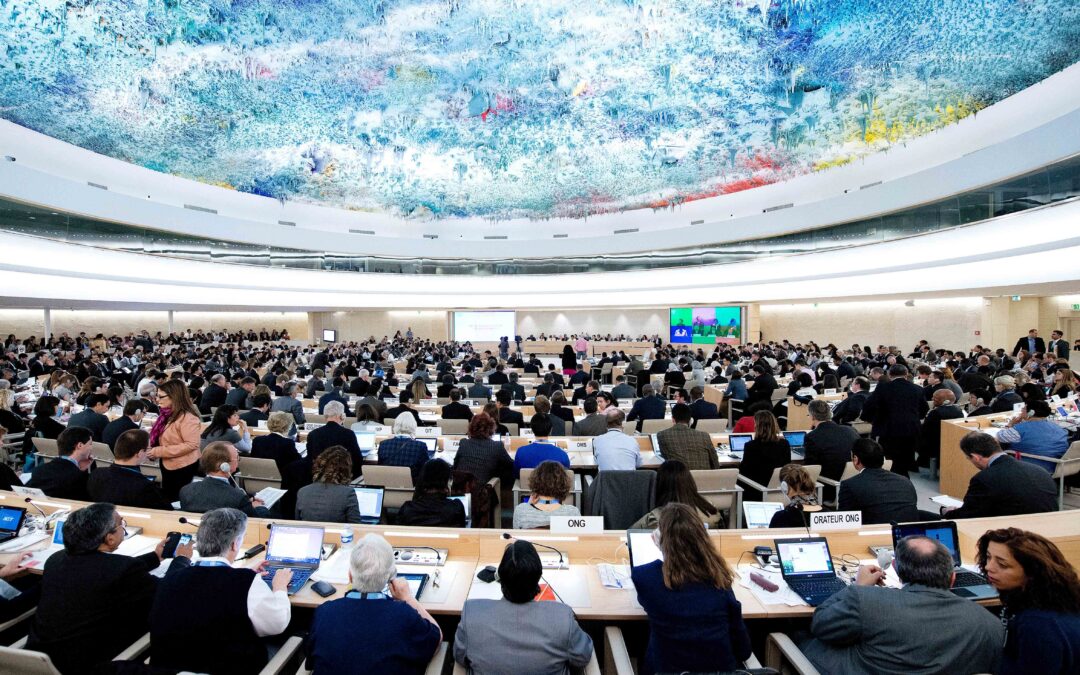
The ICJ today highlighted threats to the rule of law in Turkey, Poland, Hungary and Azerbaijan, and the need to address corporate complicity in South Sudan, at the UN Human Rights Council in Geneva.The statement, delivered during general debate, read as follows:
“The situation remains grave for the rule of law and legal protection of human rights in Turkey and Poland.
In Turkey, constitutional reforms in 2017 that undermined the independence of the judiciary should be abolished. Civil society members are prosecuted under overbroad and vague terrorism offences.
In Poland, the Legislature is trying arbitrarily to remove one third of the Supreme Court, a measure that is on hold only temporarily. Unjustified disciplinary proceedings are also being pursued against Polish judges for having sought a ruling of the Court of Justice of the EU.
Elsewhere, in Hungary civil society is ostracized and subject to legislation that risks criminalizing their legitimate activities. In Azerbaijan, as one example of a broader pattern of interference with lawyers and other human rights defenders, lawyer Elchin Sadigov was reprimanded for advising in a confidential manner to his client in detention to complain about torture to which he allegedly had been subjected.
The ICJ is also concerned at the findings by the Commission on Human Rights in South Sudan (A/HRC/40/69, A/HRC/40/CRP.1) that point to the oil industry as a “major driver” in the continuation of the armed conflict and resulting human rights violations. Potential corporate complicity with crimes under international law demand investigation and a strong monitoring mechanism for the use of oil revenues should be established.”
Mar 12, 2019 | Новости, Статьи
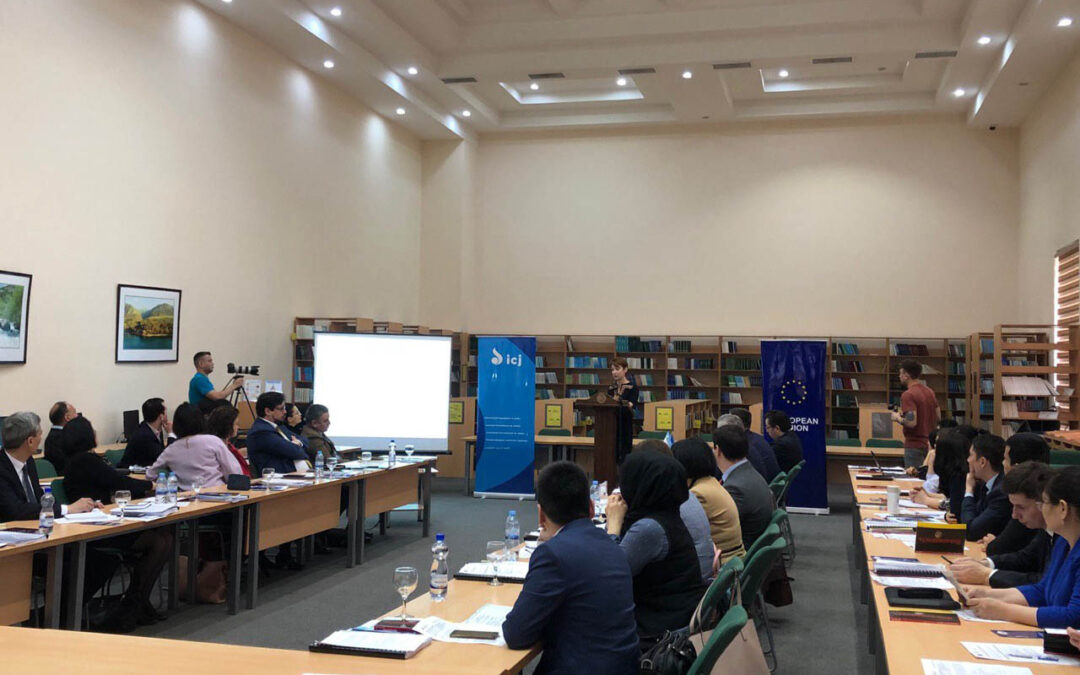
Сегодня Международная комиссия юристов (МКЮ) и Ташкентский государственный юридический университет (ТГЮУ) в партнерстве с Региональным управлением верховного комиссара ООН по правам человека в Центральной Азии организуют экспертную дискуссию по экономическим, социальным и культурным (ЭСК) правам и стандартам в Узбекистане.
Темой для третьей экспертной дискуссии является международные стандарты прав лиц с инвалидностью. Экспертные дискуссии являются частью проекта «Доступ к правосудию в области экономических, социальных и культурных прав» (ACCESS), реализуемого при поддержке Европейского союза.
Обсуждения экспертов направлены на повышение осведомленности об имплементации международного права и стандартов в области ЭСК прав в национальных судах, также в целях обеспечения доступа к правосудию в области ЭСК прав и эффективного использования международного права прав человека в применении ЭСК прав. Каждая встреча сопровождается выступлениями зарубежных и местных экспертов. Первая дискуссия по международным стандартам права на труд прошла в сентябре 2018 года, вторая по реализации принципа не дискриминации в судах и судебных решениях прошла в декабре 2018 года, они объединили юристов, адвокатов, специалистов, ученых и студентов-юристов посредством интерактивных обсуждений, исследовательских работ, обзорных статей и аналитических записок. Отдельные статьи будут опубликованы в сборнике научных работ к концу 2019 года.
«Мы провели уже две экспертные дискуссии по праву на труд и принципу не дискриминации в судах совместно с Международной комиссией юристов (МКЮ) при поддержке Европейского Союза. Каждый раз дискуссии затрагивают международные и национальные аспекты определенных экономических, социальных и культурных прав человека. Сегодняшняя наша встреча организована в преддверии празднования дня вступления Узбекистана в полноправное членство ООН и поднимает очень актуальная тему не только для страны, но и для международного сообщества в целом. Ташкентский государственный юридический университет (ТГЮУ) рад сотрудничеству с Международной комиссией юристов (МКЮ), которое помогает повышению уровня информированности общественности о реализации международно-правовых норм и стандартов в области экономических, социальных и культурных прав в национальных и международных юрисдикциях, доступе к правосудию с точки зрения экономических, социальных и культурных прав, а также эффективном использовании международного права в области прав человека для защиты этих прав», отметил Мансурхон Камалов, Проректор ТГЮУ.
«Сегодня около 10 процентов населения являются лицами с инвалидностью. Лица с инвалидностью представляют собой самое многочисленное меньшинство в мире. Этот показатель постоянно увеличивается в результате демографического роста, достижений медицины и процесса старения населения, согласно мировым данным ВОЗ», заявил Решард Коменда, Региональный Представитель Верховного комиссара ООН по правам человека в Центральной Азии. «В рамках универсального периодического обзора (УПО), который страна прошла в третий раз в мае 2018 года, ряд государств-членов совета ООН по правам человека призвали Узбекистан ратифицировать Конвенцию о правах инвалидов и приветствовали уже реализуемые меры по обеспечению прав лиц с инвалидностью в стране. По результатам УПО, Республика Узбекистан приняла рекомендации и заявила о намерении ратифицировать конвенцию. Ратификация Конвенции о правах лиц с инвалидностью будет весомым шагом в деле продвижения прав человека и перекликается с реформаторским курсом, которого придерживается правительство Республики Узбекистан» отметил он.
«Доступ к правосудию, который включает в себя справедливое судебное разбирательство и равенство перед законом, имеет особое значение для людей, живущих с ограниченными возможностями, которые часто сталкиваются с многочисленными препятствиями для доступа к правосудию. Международная комиссия юристов считает, что инклюзивные общества, в которых все люди имеют равный доступ к правосудию, требуют выявления и преодоления системных и практических барьеров, препятствующих равному доступу к правосудию, в том числе в осуществлении экономических, социальных и культурных прав. МКЮ надеется, что сегодняшняя дискуссия обозначит такие существующие барьеры и способы их преодоления» сказал Дмитрий Нурумов, консультант по правовым вопросам МКЮ.
Для более подробной информацией, просим обращаться:
Дилфуза Куролова, Консультант по правовым вопросам, Международная комиссия юристов (МКЮ), Т: (+998 90) 9050099 ; E: dilfuza.kurolova@icj.org
Mar 7, 2019 | Новости, Пресс-релизы
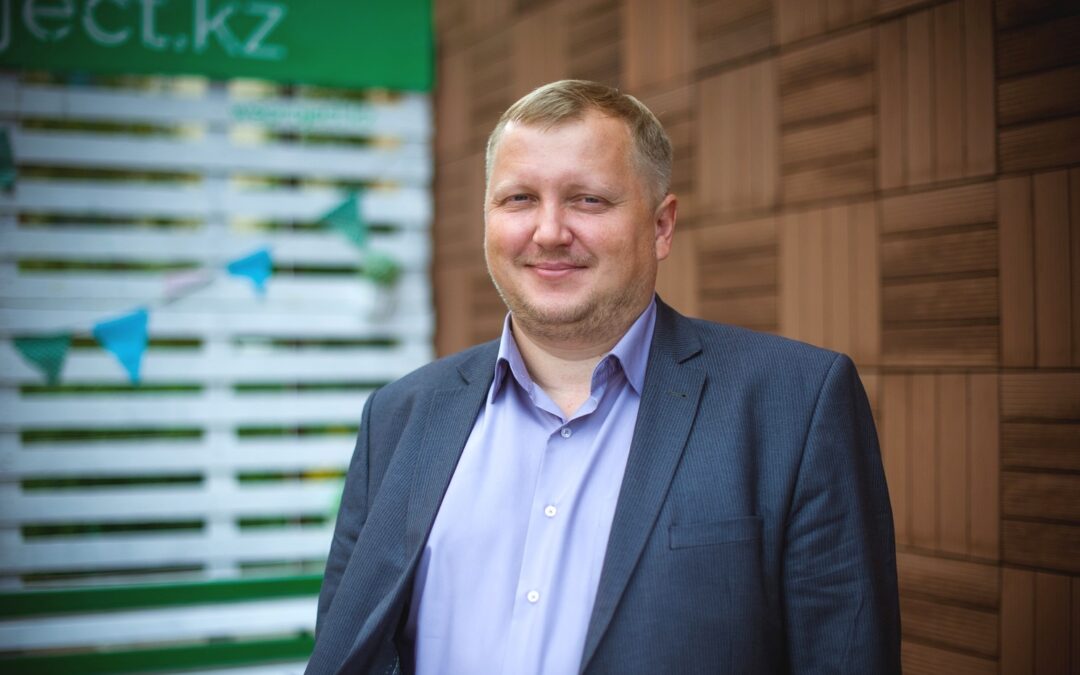
Сегодня Международная комиссия юристов (МКЮ) выразила обеспокоенность в связи с решением Министерства юстиции Казахстана возбудить производство о лишении лицензии Сергея Сизинцева, бывшего исполнительного директора Республиканской коллегии адвокатов, избранного недавно главой Научно-консультативного совета при Республиканской коллегии адвокатов.
Официальным основанием для лишения Сизинцева лицензии является его пребывание в должности директора Республиканской коллегии адвокатов в 2016-2017 гг., которую он совмещал с адвокатской деятельностью.
На своей странице в facebook Сизинцев утверждает, что инициатива по лишению его адвокатского статуса не связана с официально заявленными в иске основаниями, и что, в действительности, законодательство Казахстана однозначно допускает возможность совмещения адвокатской практики и пребывание в должности директора. Этот иск инициирован, по его мнению, в связи с его критической позицией в отношении закона «Об адвокатской деятельности и юридической помощи», а также выступлениями на различных международных и национальных площадках по вопросам, связанным с независимостью юридической профессии.
МКЮ напоминает, что свобода выражения мнения и свобода собраний являются обязательными условиями для надлежащего и независимого функционирования юридической профессии и должны обеспечиваться как на уровне закона, так и на практике. В соответствии с принципом 23 Основных принципов ООН, касающихся роли юристов, юристы
«[…] имеют право принимать участие в общественных дискуссиях по вопросам, касающимся права, отправления правосудия и поощрения и защиты прав человека, и быть членами местных, национальных или международных организаций или создавать их и принимать участие в их заседаниях, не подвергаясь ограничению своей профессиональной деятельности вследствие своих законных действий или членства в законной организации. Осуществляя эти права, юристы в своих действиях всегда руководствуются правом и признанными нормами и профессиональной этикой юриста».
В качестве исполнительного директора Республиканской коллегии адвокатов и члена рабочей группы парламента по подготовке Закона «Об адвокатской деятельности и юридической помощи» Сергея Сизинцева выражал обеспокоенность членов юридической профессии, в том числе в связи с принятием нового закона, который они считают ограничительным.
Более того, в силу именно занимаемой должности он должен был выражать позицию Республиканской коллегии адвокатов, в частности, чтобы привлечь внимание к законодательным инициативам, которые могли поставить под угрозу независимость юридической профессии в Казахстане.
МКЮ обеспокоена тем, что возбуждение указанного производства выглядит как посягательство на независимость адвокатов в Казахстане, и может оказывать сковывающий эффект на представителей юридической профессии.
В этой связи МКЮ призывает Министерство юстиции незамедлительно отозвать этот иск.
МКЮ будет внимательно следить за делом Сергея Сизинцева и производством в районном суде г. Петропавловска.
В декабре 2017 года МКЮ организовала миссию в Казахстан, по итогам которой выразила обеспокоенность в связи с планируемой реформой:
В ноябре 2018 г. МКЮ выразила обеспокоенность в связи с производством о лишении лицензии председателей Актюбинской и Павлодарской коллегий адвокатов, а также отставкой Ануара Тугела, председателя Республиканской коллегии адвокатов Казахстана, предположительно – вследствие давления со стороны Министерства юстиции.