Jun 25, 2019 | News, Publications, Reports
Colombia’s transitional justice tribunal, the Special Jurisdiction for Peace (JEP in its Spanish acronym) has made progress in fighting impunity, but can do more to address the needs and demands of victims of the country’s long civil war, the ICJ said in a report released in Bogota today.
The report Jurisdicción Especial para la Paz: análisis a un año de su entrada en funcionamiento (available only in Spanish) will be presented by a high-level mission composed of the President of the ICJ, Prof Robert Goldman (former President of Inter-American Commission on Human Rights), the Vice President of the ICJ, Carlos Ayala (former President of the Inter-American Commission on Human Rights), and ICJ Commissioner Philippe Texier, former judge of the Court of Cassation of France.
The commissioners will meet with different Colombian authorities including the President of Colombia, Iván Duque Márquez, and the President of the JEP, Patricia Linares Prieto.
They will also meet with victims and other members of civil society.
The JEP is charged with prosecuting and punishing gross violations of human rights and serious violations of international humanitarian law committed during the country’s civil war.
The JEP was established by the Peace Agreement entered into between the Colombian government and the former armed group FARC-EP, on November 24 of 2016.
“The JEP has made progress in guaranteeing victims’ rights and fighting impunity for gross violations of human rights and serious violations of international humanitarian law,” said Prof Robert Goldman, ICJ’s President.
“But the JEP must do more to strengthen the effective participation of victims in its procedures, as well as to guarantee victims’ rights to justice and full reparation in compliance with international standards,” he added.
Accordingly, the report identifies ways by which the JEP can achieve these goals.
The ICJ also expresses concern about security threats faced by human rights defenders and victims and witnesses appearing before the JEP. The ICJ urges the JEP and other Colombian public authorities to adopt effective measures to guarantee their safety.
The ICJ also considers it is necessary to ensure respect for the judicial independence of the JEP against external pressures to ensure the proper performance of its functions.
The report describes the findings of a mission carried out by ICJ Commissioners Carlos Ayala, Wilder Tayler and Philippe Texier in January 2019. The report includes an analysis of the main actions and decisions taken by the JEP as well as relevant decisions of other public authorities. It reflects developments up to June 7, 2019.

Jun 25, 2019 | Comunicados de prensa, Informes, Noticias, Publicaciones
La Jurisdicción Especial para la Paz (JEP) es el tribunal de justicia transicional diseñado por el Acuerdo Final de Paz suscrito entre el Gobierno Colombiano y la guerrilla de las FARC-EP, con el fin de investigar y sancionar las graves violaciones a los derechos humanos y al derecho internacional humanitario cometidas en el conflicto colombiano.
En Bogotá, durante la semana del 24 de junio de 2019, será presentado el informe Jurisdicción Especial para la Paz, análisis a un año y medio de su entrada en funcionamiento, por una misión de alto nivel compuesta por el Presidente de la CIJ, Robert Goldman, el Vicepresidente de la CIJ, Carlos Ayala, y el comisionado de la CIJ Philippe Texier, ex juez de la Corte de Casación de Francia.
Para ello, se reunirán con diferentes autoridades colombianas incluidas, el Presidente de Colombia, Iván Duque Márquez y la Presidenta de la JEP, Patricia Linares Prieto. También se reunirán con víctimas y otros miembros de la sociedad civil.
En el informe “la CIJ reconoce los avances realizados por la JEP para garantizar los derechos de las víctimas y combatir la impunidad de las graves violaciones a los derechos humanos y del derecho internacional humanitario”, señala el profesor Robert Goldman, Presidente de la CIJ.
Al mismo tiempo, el profesor Goldman advierte que “la JEP debe avanzar en la adopción de acciones concretas para fortalecer la participación efectiva de las víctimas en sus procedimientos, así como para garantizar su derecho a la justicia y a la reparación integral, conforme a los estándares internacionales”.
Asimismo, la CIJ expresa preocupación por la situación de seguridad que enfrentan las víctimas y los testigos que comparecen ante la JEP. Por ello, exhorta a que la JEP y las demás autoridades competentes para que adopten medidas efectivas que garanticen su seguridad dentro de los trámites de la Jurisdicción.
En esa línea, la CIJ resalta en el documento que, aunque la JEP enfrenta varios desafíos y todavía tiene un largo camino que recorrer, es una institución fundamental para la consolidación de la paz en Colombia. En ese sentido, desde una perspectiva crítica pero propositiva, el informe ofrece insumos para que la JEP fortalezca y desarrolle sus funciones con plena observancia de los estándares internacionales, en particular respecto de los derechos de las víctimas y la sanción efectiva de los responsables.
Por otra parte, en el informe también se concluye que no son necesarias reformas legislativas al marco jurídico de la JEP; sino que solo es necesario que la JEP realice una interpretación de su normativa encaminada a desarrollar, profundizar e implementar, de mejor manera, los derechos de las víctimas, conforme con los estándares internacionales.
Por último, la CIJ también considera esencial que se garantice la independencia judicial de la JEP frente a presiones externas para asegurar el correcto ejercicio de sus funciones.
El informe presenta los hallazgos encontrados por una misión de la CIJ integrada por los comisionados Carlos Ayala, Wilder Tayler y Philippe Texier, la cual se realizó en enero de 2019. Estos hallazgos fueron ampliados y complementados con un análisis de las principales actuaciones realizadas por la JEP, así como, con un seguimiento a las actuaciones desarrolladas por otras autoridades.
La fecha de corte del informe es el 7 de junio de 2019.
Colombia-Jurisd para la paz-PUBLICATIONS-Reports-Fact-finding mission report-2019-SPA (Informe en PDF)

Jun 3, 2019 | Artículos, Noticias
La CIJ rechaza nuevo acto gubernamental, que atenta en contra de la búsqueda de justicia en casos de graves violaciones a los derechos humanos cometidas durante el conflicto armado interno.
En esta ocasión, se trata de afectar el Archivo Histórico de la Policía Nacional (AHPN), que desde el año 2005 se encarga del resguardo, conservación y custodia de los archivos de la extinta Policía Nacional, que fuera una de las instituciones nacionales causantes de graves violaciones a los derechos humanos, durante el conflicto armado interno.
Después de más de una década de contar con el apoyo de la Comunidad Internacional, este archivo se considera una fuente importantísima para conocer la verdad de lo sucedido durante el conflicto armado interno y para lograr aclarar investigaciones y entablar acciones de persecución penal por parte del Ministerio Público y para lograr que los documentos del AHPN estén protegidos; para ello, el Ministerio de Gobernación, firmó con el Ministerio de Cultura de Deportes, el convenio interinstitucional 24-2009, con validez hasta el 30 de junio de 2019.
Sin embargo, el Ministro de Gobernación expresó recientemente, que no renovará el convenio interinstitucional 24-2009, en el cual acordaron conjuntamente con el Ministerio de Cultura de Deportes, la permanencia de los documentos del AHPN en el edificio en el que fueron encontrados, propiedad del MINGOB, por el plazo de 10 años, plazo que vence el 30 de junio de 2019; de esta forma, podría afectar no solo el acceso a la información contenida en el AHPN, argumentando que dicho archivo, contiene información de seguridad nacional, sino que también el resguardo y utilización como prueba importante, de dichos documentos en los juicios respectivos.
Nuevamente, esta posición del Ministro de Gobernación se puede considerar un “fraude de ley”, ya que el acto de no renovar el convenio interinstitucional 24-2009 persigue como resultado un acto prohibido por el ordenamiento jurídico nacional e internacional, como lo es debilitar la lucha contra la impunidad.
La CIJ lamenta que esta nueva posición del Ministro de Gobernación, se una a la de no renovar el mandato de la Comisión Internacional contra la Impunidad (CICIG) y al debilitamiento de la actual Policía Nacional Civil y a la llamada implementación de una “agenda regresiva”, que ha venido impulsando el Congreso de la República.
Ramón Cadena, Director de la CIJ para Centroamérica expresó: “Las decisiones del Ministro de Gobernación en torno al AHPN puede llegar a representar un grave retroceso y denegación de justicia a las víctimas de graves violaciones a los derechos humanos, cometidas durante el conflicto armado interno.
De llegar a implementarse pueden considerarse como un incumplimiento de las obligaciones del Estado de Guatemala en materia de verdad, justicia y medidas de no repetición.”
Cabe recordar que los estándares internacionales resaltan la necesidad de preservar los archivos que contengan información sobre las graves violaciones a los derechos humanos, así como la obligación de poner a disposición del público, dicho archivos.
Así, el Conjunto de Principios actualizado para la protección y la promoción de los derechos humanos mediante la lucha contra la impunidad, establece en su principio 14 que “El derecho a saber implica la necesidad de preservar los archivos.
Se deberán adoptar medidas técnicas y sanciones penales para impedir la sustracción, la destrucción, la disimulación y la falsificación de los archivos, entre otras cosas, con el fin de que queden impunes los autores de violaciones de derechos humanos y/o del derecho humanitario”.
May 24, 2019 | Comunicados de prensa, Noticias
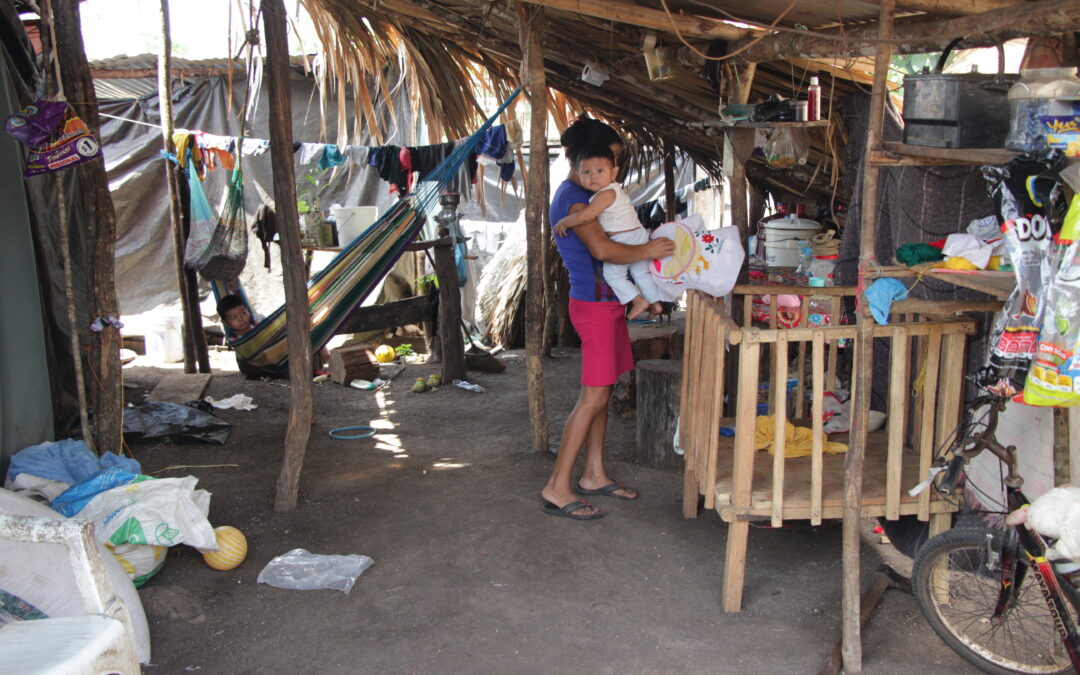
Una misión internacional de la CIJ concluye que la Comunidad Laguna Larga, que sufrió un desalojo forzoso a mediados del año 2017, continúa sin la atención humanitaria adecuada y sin una solución duradera.
La CIJ llevó a cabo una misión internacional que inició el 19 de mayo y finalizó el día 23 de mayo, para observar la situación de los desplazados internos de la Comunidad Laguna Larga, desalojados forzosamente el 2 de junio de 2017, en el norte del departamento de El Petén.
La misión estuvo integrada por Marie Berger, abogada de nacionalidad Suiza, de la Comisión de Derechos Humanos del Colegio de Abogados de Ginebra, Suiza; Nuria Carulla, de la organización Justicia y Paz en Barcelona, entidad de la Iglesia Católica para la defensa de los derechos humanos, experta en Solidaridad Internacional y Ramón Cadena, Director de la Comisión Internacional de Juristas para Centroamérica. La asesora legal de la Comisión Internacional de Juristas Francisca Sánchez, asistió en la organización de la misión.
La visita a la comunidad se llevó a cabo el día 21 de mayo, habiendo realizado una serie de reuniones con las autoridades de la comunidad, con un grupo de mujeres de la comunidad y finalmente, con un grupo abierto de miembros de dicha comunidad.
La CIJ se permite recordar que la Comisión Interamericana de Derechos Humanos (CIDH), en la medida cautelar número 412-2017 concluyó que “…los derechos a la vida e integridad personal de los pobladores desplazados de la Comunidad de Laguna Larga se encuentran en una situación de gravedad y urgencia de riesgo de un daño irreparable” y, en consecuencia, la CIDH estableció diferentes medidas de protección a favor de las y los pobladores de dicha comunidad en la medida cautelar ya identificada.
Leer más: Guatemala-visita a Laguna Larga-News-web story-2019-SPA
Apr 2, 2019 | Comunicados de prensa, Noticias
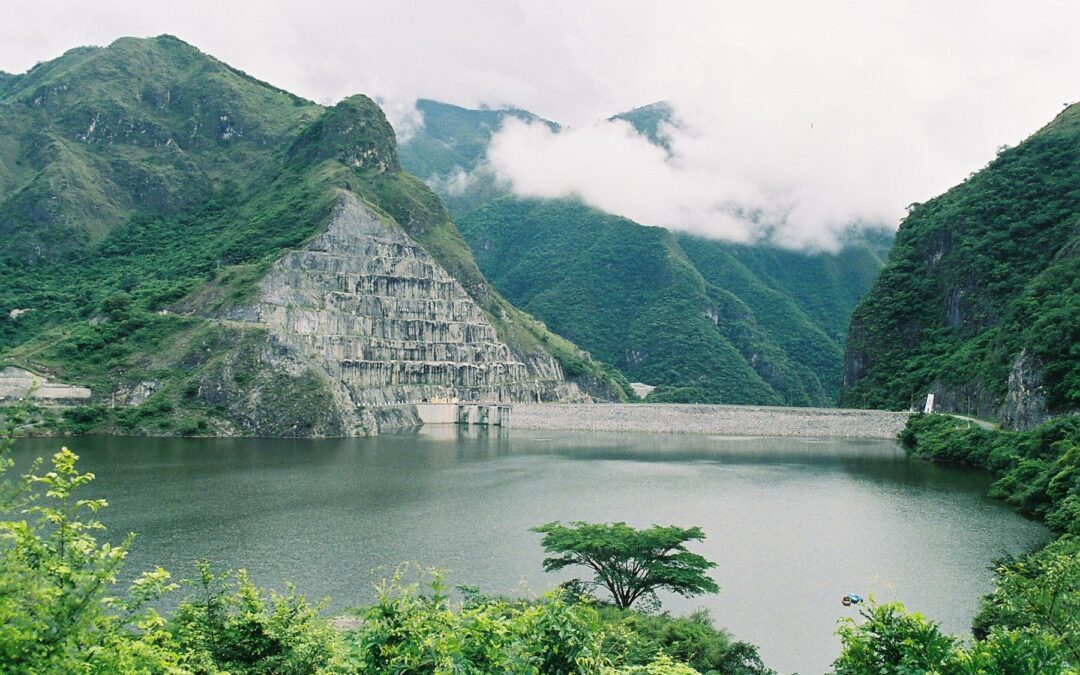
La CIJ lamenta que el Presidente de la República y otros funcionarios del Organismo Ejecutivo, se resistan a dialogar con las y los representantes de las Comunidades Afectadas por la Construcción de la Hidroeléctrica Chixoy (COCAHICH).
Las Comunidades Afectadas por la Construcción de la Hidroeléctrica Chixoy (COCAHICH) han llevado a cabo una negociación de más de diez años con las autoridades del Estado de Guatemala, que culminó con la aprobación de un Plan de Reparación de los daños y perjuicios causados por la construcción de la Hidroeléctrica Chixoy y la respectiva Política Pública para la reparación a las víctimas, contenida en el Acuerdo Gubernativo 378-2014.
Lamentablemente, las autoridades del actual Gobierno no han cumplido con su correcta implementación y se ha venido dando un retardo malicioso, que perjudica notablemente los derechos de las víctimas a la reparación colectiva, retardo que re-victimiza a las personas y una vez más, viola los derechos humanos de las víctimas.
Es importante recordar que existe un principio general del derecho, que afirma que los compromisos adquiridos mediante convenios, pactos o acuerdos, deben cumplirse de buena fe.
Ante dicho retardo, las comunidades se encuentran ejerciendo su derecho de protesta pacífica y han solicitado una audiencia con las autoridades al más alto nivel, quienes durante todo el día lunes 1ro. de abril, se negaron a recibirlos.
La CIJ hace un llamado al Presidente de la República, para que reciban a las y los representantes de COCAHICH y sus asesores, para que se pueda solucionar el asunto por la vía del diálogo. La CIJ está convencida que este asunto requiere de un diálogo franco y de buena fe.
Ramón Cadena, Director de la CIJ para Centro América expresó: “El Presidente de la República debe respetar el diálogo y evitar que los derechos de las víctimas vuelvan a ser violados y debe honrar los compromisos adquiridos en el Plan de Reparaciones e instruir a todos los funcionarios de las entidades involucradas, para que tomen las acciones que sean necesarias y asi cumplir inmediatamente con los compromisos contenidos en el mismo.”