Apr 25, 2019 | Nouvelles
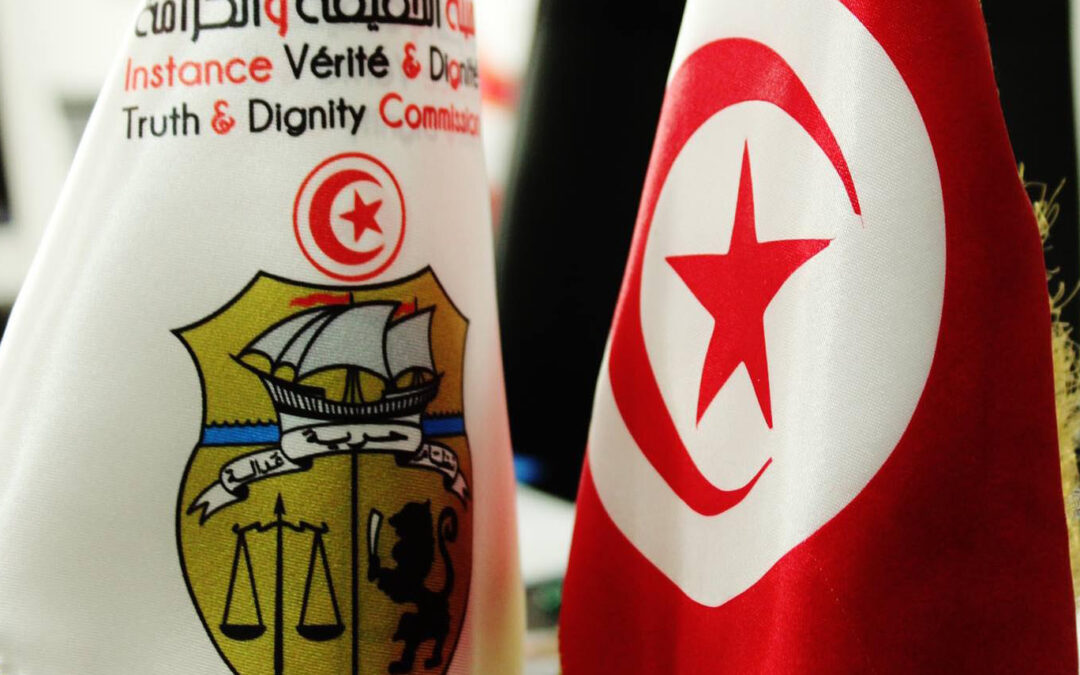
Le communiqué alerte l’opinion publique sur le danger d’une proposition de loi visant à démanteler les chambres criminelles spécialisées en Tunisie et à les remplacer par une institution qui garantirait l’impunité pour les personnes ayant commis des violations flagrantes des droits humains en Tunisie entre 1955 et 2013.
Le communiqué a été signé par la Commission Internationale de Juristes avec d’autres organisations membres de la Coalition pour la justice transitionnelle.
Le manifeste peut être téléchargé ici:
Version française
Version arabe
Apr 10, 2019 | News
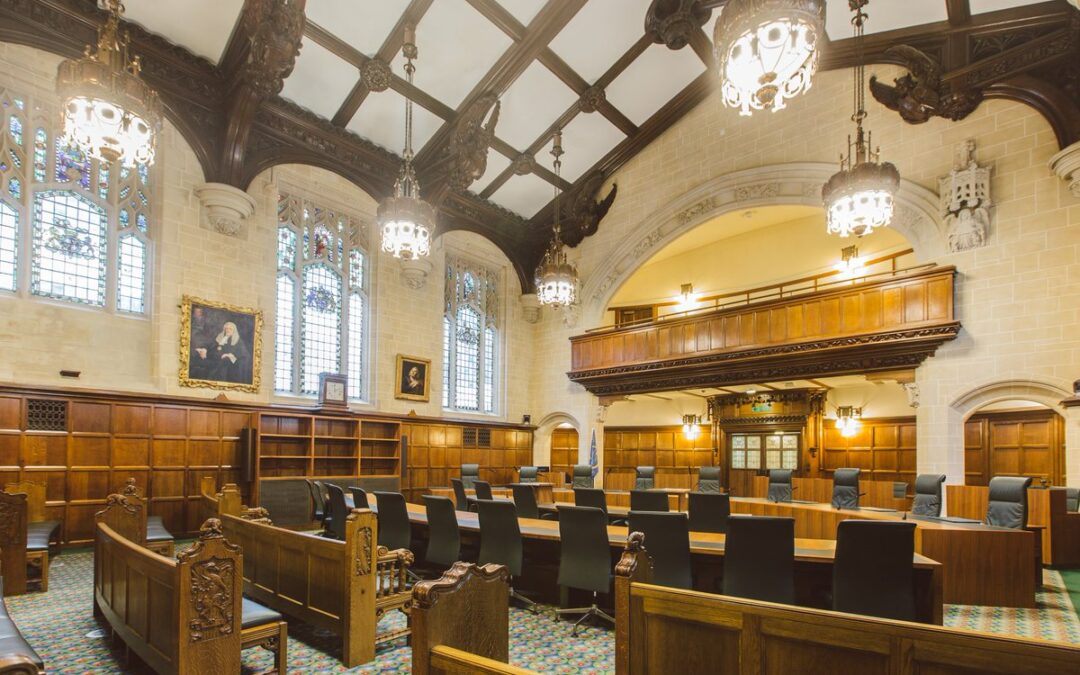
Today, the ICJ and the CORE Coalition welcomed the decision of the United Kingdom Supreme Court to allow a complaint to proceed against Vedanta Resources Plc and its Zambian subsidiary Konkola Copper Mines (KCM), alleging serious harm from extraction activities in Zambia.
The damage to health and livelihood was allegedly caused to local communities living in the Chingola District by the discharge of toxic waste from the Nchanga Mine operated by KCM.
The companies challenged the jurisdiction of the UK courts to hear the complaint for negligence and breach of statutory duty, saying there was no case against them arguable in a UK court and, in relation to KCM, that Zambia was the proper forum where any case would have to be heard.
The judgment, confirming the decision of lower courts, dismissed the appeal by the companies, allowing the case to now proceed to trial on the merits. The ICJ and CORE Coalition acted as interveners in the case.
“Today’s Supreme Court decision will make it possible for the Zambian claimants to find justice, even so long after events took place,” said ICJ Senior Legal Adviser Carlos Lopez.
“The ruling makes clear that, from available evidence at this stage, it is arguable in trial that a parent company like Vendanta owes a duty of care in relation to people living in the vicinity of their subsidiaries and this decision will have important implications to similar cases concerning parent company duties around the world,” said Lopez.
Although access to justice for alleged victims harm from subsidiaries of parent companies has been elusive, the UK Supreme Court clarified that the principles applicable to these cases were “not novel at all.”
“Many other victims face insurmountable hurdles in their efforts to hold companies to account. The case is a reminder of the urgent need for legislation to require companies to take action to prevent human rights abuses, and to make it easier to hold them to account when they fail to do so,” said Marilyn Croser, Director of CORE.
The judgment regarded published material in which Vedanta fairly asserted assumption of responsibility for the maintenance of proper standards of environmental control over activities of its subsidiaries. The Court said that this was “sufficient on their own to show that it is well arguable that a sufficient level of intervention by Vedanta in the conduct of operations at the Mine may be demonstrable at trial.”
Today’s Supreme Court judgment also made clear that Zambian courts could not be necessarily relied on to address claims against KCM and that there was a real risk that the claimants would not obtain “substantial justice” in Zambia.
Contact:
Marilyn Croser, Director CORE Coalition, t: + 44 203 752 5712
Carlos Lopez, Senior Legal Adviser, ICJ, t: + 41 22 9793816
Apr 10, 2019 | News
Today, the ICJ called on the parties to the conflict in Libya to comply with their obligations under international humanitarian law (IHL) and international human rights law to protect affected people, particularly the civilian population.
The ICJ also called on the UN Security Council to urge the parties to respect international law.
The gravity of hostilities led UNSMIL to postpone the UN-sponsored Libyan National Conference aimed at finding a solution to the ongoing political deadlock late yesterday. The Conference was planned to commence on 14 April in Ghadames.
“The postponement of the political dialogue is a major setback for peace and the rule of law in Libya, and for the Libyan population,” said Kate Vigneswaran, the ICJ’s Senior Legal Advisor for the Middle East and North Africa Programme.
“Civilians taking no part in the fighting have already suffered the brunt of hostilities between the warring parties in Libya. Those who remain, including the thousands of migrants held in arbitrary detention, are at grave risk,” she added.
IHL requires parties to the conflict to respect the principles of distinction and proportionality and take precautionary measures to avoid, or in any event minimize, incidental loss of civilian life, injury to civilians and damage to civilian objects.
“The parties must ensure that not only civilians but civilian objects are protected, and that measures are taken to ensure they don’t become collateral casualties,” said Kate Vigneswaran.
“International actors should continue to push for a political solution to the situation in Libya based on the rule of law and incorporating human rights protections to avoid further suffering,” she added.
On April 7, the UN Security Council reportedly discussed the situation in Libya but could not find the necessary consensus to issue an official statement.
According to the AFP, the Russian Federation blocked a statement that would have called on Field Marshall Khalifa Haftar, head of the House of Representatives backed Libyan National Army, to stop military operations, on all the parties to de-escalate and for “those who undermine Libya’s peace and security to be held to account.”
“The Security Council should adopt a resolution calling for the protection of civilians and accountability for serious violations of international human rights and humanitarian law. Member States should desist from exercising their veto powers to block resolutions intended to ensure compliance with international law,” said Vigneswaran.
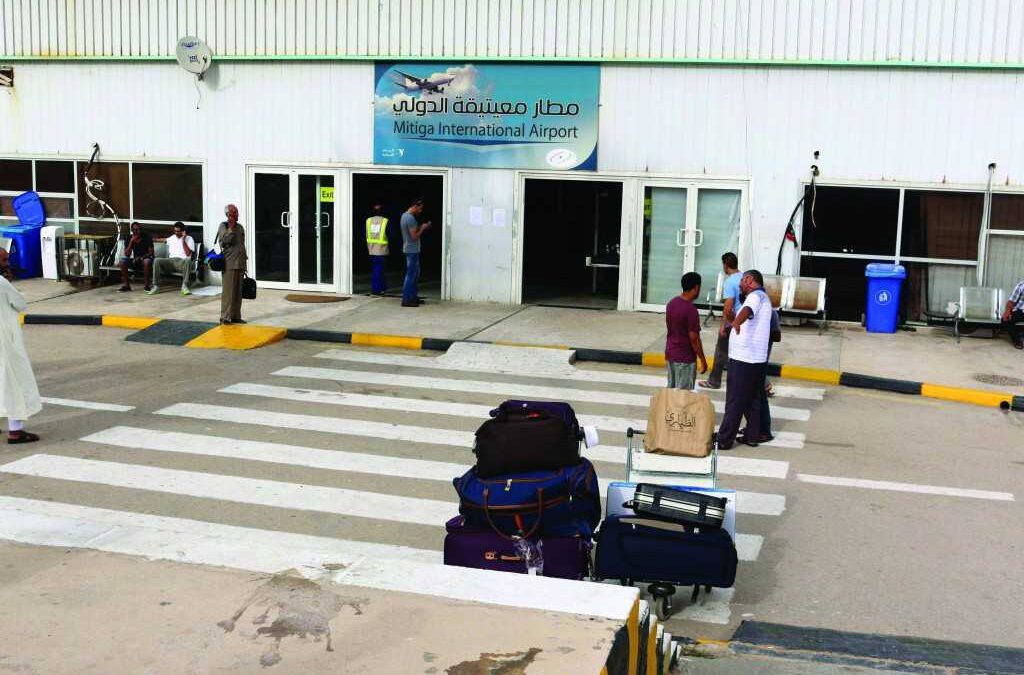
Reportedly, at least 27 people have been killed, including two doctors and two other civilians, 80 have been injured, and more than 2,800 persons have been displaced as a result of the fighting. The only functioning airport in Tripoli (above photo), the hub of the fighting, was closed Monday after being hit by an airstrike by the Libyan National Army (LNA).
Read this article in Arabic
Contact:
Kate Vigneswaran, ICJ Senior Legal Adviser, t: +31624894664, e: kate.vigneswaran(a)icj.org
Apr 1, 2019 | News
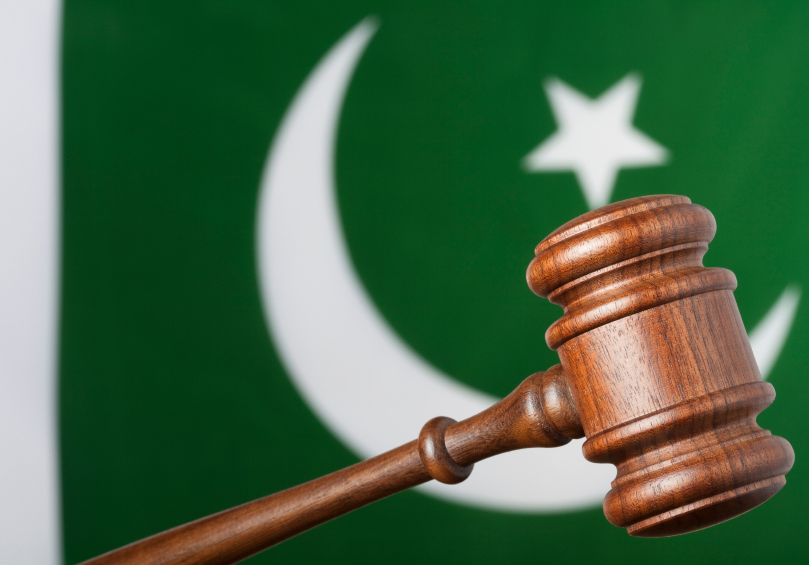
As military courts in Pakistan once again cease to have jurisdiction over civilians for terrorism-related offences, the Government must bring reforms to strengthen the country’s criminal justice system, the ICJ said today.
Perpetrators of terrorist attacks and other serious crime must be brought to justice fair trials before competent, independent and impartial courts as required under international law, the ICJ added.
“The lapse of the jurisdiction of military courts over civilians is a step in the right direction, but unsurprisingly – even four years after military courts were empowered to try civilians – there is no sign of the promised reforms to strengthen the ordinary criminal justice system to effectively and fairly handle terrorism-related cases,” said Frederick Rawski, ICJ’s Asia Director.
The 23rd Amendment and corresponding amendments to the Army Act, 1952, lapsed on 30 March 2019, as their respective two-year sunset clauses expired. So far, the Government has failed to get support from opposition parties for a constitutional amendment to once again extend the jurisdiction of military courts to conduct trials of civilians.
“The Government must not re-enact legislation to continue secret military trials of civilians, nor resort to more short-term, short-sighted security measures that are contrary to Pakistan’s obligations to protect human rights,” Rawski said.
“Instead, the Government should urgently invest in enhancing the capacity and security of judges, investigators and prosecutors to make the regular criminal justice system more effective in conducting fair, credible terrorism trials, and bringing perpetrators to account without imposing the death penalty.”
According to military sources and ICJ’s monitoring of military trials in Pakistan since January 2015, military courts have convicted 617 people for terrorism-related offences, out of which 346 people have been sentenced to death and 271 people have been given prison sentences. At least 56 people have been hanged. Only four people have been acquitted.
The ICJ has documented serious fair trials violations in the operation of military courts, including: denial of the right to counsel of choice; failure to disclose the charges against the accused; denial of a public hearing; failure to give convicts copies of a judgment with evidence and reasons for the verdict; and a very high number of convictions based on “confessions” without adequate safeguards against torture and ill treatment.
Contact
Frederick Rawski, ICJ Asia Pacific Regional Director (Bangkok), e: frederick.rawski(a)icj.org
Reema Omer, ICJ International Legal Adviser for Pakistan (London), t: +447889565691; e: reema.omer(a)icj.org
Additional information
Military courts were first empowered to try civilians for certain terrorism-related offences in January 2015 through the 21st Amendment to the Constitution and amendments to the Pakistan Army Act, 1952, which were in operation for a period of two years.
The expansion of the jurisdiction of military tribunals was a key part of the Government’s 20-point National Action Plan, adopted following the attack on the Army Public School in Peshawar in December 2014. NAP envisioned military courts to be a short-term “solution” to try “terrorists”, to be operational only for a two-year period during which the government would bring about necessary “reforms in criminal courts system to strengthen the anti-terrorism institutions”.
Despite promises that military courts were only temporary, after the expiration of the 21st Amendment, on 31 March 2017, Parliament enacted the 23rd Amendment and amendments to the Army Act to renew military courts’ jurisdiction over civilians. The amendments were given retrospective effect from 7 January 2017, and were due to lapse two years after their date of “commencement”. The expanded jurisdiction of military courts lapsed on 30 March 2019 (even though earlier reports suggested the amendments would expire on 6 January 2019) — two years after the date of “operation” of the 23rd Amendment).
The ICJ opposes the death penalty in all circumstances as a form cruel, inhuman and degrading punishment and an arbitrary denial of the right to life. The ICJ recalls that the UN General Assembly has by overwhelming majorities repeatedly called on all states the retain the death penalty to place a moratorium on the practice with a view to abolition. Pakistan previously had such a moratorium from 2008 to 2014.
Mar 19, 2019 | News
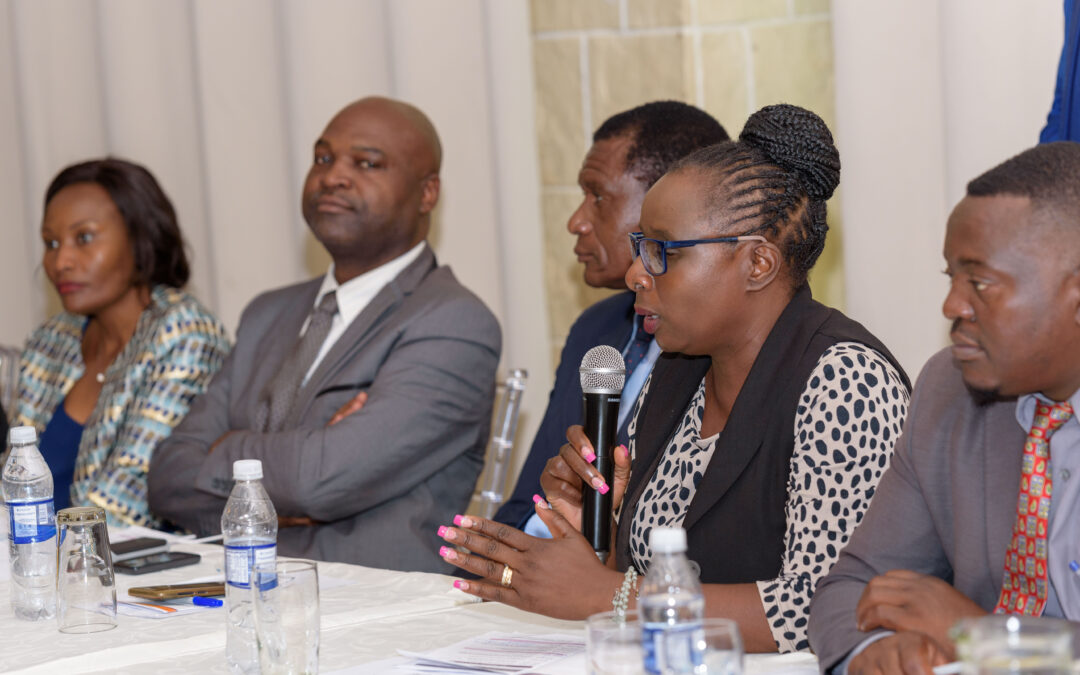
The ICJ in partnership with the National Prosecuting Authority (NPA) convened a two day training workshop to build the capacity of Chief prosecutors and Senior management to effectively investigate corruption cases.
The training workshop took place at the Wild Geese Lodge, Harare on 18 – 19 March 2019.
The new government under President Mnangagwa, saw a shift in government priorities evidence of this is the launch of the Transitional Stabilisation Programme in October 2018. The Transitional Programme seeks to propel the country towards stabilisation and economic development as well eradicate corruption.
Through this programme, the government has established institutions to deal with corruption, this has seen the establishment of Special Anti-Corruption Courts, which has resulted in an increase in high level arrests on corruption charges. Additionally a new Anti-Corruption Prosecution Unit was established within the Office of the President and Cabinet to improve efficiency in the fight against all forms of graft and to strengthen the effectiveness of national mechanisms for the prevention of corruption.
This anti-corruption training workshop therefore becomes relevant in the government’s fight against corruption. The main objective of the workshop is to enhance the capability of prosecutors to handle corruption cases effectively.
Presentations focused on understanding corrupt practices; defining white collar crime and financial crimes in Zimbabwe; domestic, regional and international framework on corruption; seizure, freezing and confiscation of the proceeds of corruption; and the practical steps to combatting corruption. It is hoped that at the end of the two day meeting, prosecutors will effectively implement legal frameworks and policies in the prosecution of corruption cases.
Prosecutor General Hon K. Hodzi in his opening speech remarked that the NPA is proud of their partnership with the ICJ in their fight against corruption. He was grateful for the continued support from the ICJ. The Prosecutor General noted that corruption is a lived experienced by everyone in this country because it has direct impact on the socio-economic welfare of the people of Zimbabwe. He noted that this was an important workshop which would serve as a toolkit that would help renew the NPA’s approach to in the prosecution of corruption in this country.
The Prosecutor General hoped that the workshop would enable the prosecutors to share knowledge and experience as well meaningful discourse bordering around challenges in the prosecution of corruption cases. This approach would enable the NPA to contribute to effectively eliminating corruption in the improvement of justice in Zimbabwe. He urged prosecutors to show that corruption does not pay and can be defeated.
Present at the training workshop was the Prosecutor General of NPA, senior prosecutors and senior management, representatives from the Judicial Service Commission, Solomon Mhlanga from Office of the President and Cabinet, Mr. Shana from the Judicial College of Zimbabwe, Mr. Zowa from the Law Development Commission representatives from Transparency International Zimbabwe, and representatives from the Reserve Bank of Zimbabwe. There were a total of 45 (forty-five) delegates; 29 (twenty-nine) male and 16 (sixteen) female delegates.
Contact:
Brian Penduka, e: brian.penduka(a)icj.org, t: +263772274307
Vimbai Mutandwa, e: vimbai.mutandwa(a)icj.org, t: +263773517733