May 8, 2019 | News
The recommendations published today follow the Conference on the Independence of the Legal profession held by the International Commission of Jurists (ICJ), the Council of Europe (CoE) Office in Baku and the Azerbaijan Bar Association (ABA) in Baku, on 15-16 November 2018.
The Conference created much-needed space for a dialogue on the issue of independence of lawyers in Azerbaijan with both national and international stakeholders, as lawyers from Azerbaijan, Georgia, Kazakhstan, the Netherlands, the Russian Federation, Switzerland, Turkey, Ukraine, the United Kingdom and Uzbekistan shared their experiences and good practices in addressing challenges to the independence of lawyers. Drawing on the discussions at the Conference, and taking into account key findings of the ICJ report of 2016 “Defenceless Defenders: Systemic Problems in the Legal Profession of Azerbaijan” as well as more recent legislative and administrative developments, the ICJ makes recommendations aimed at strengthening the role and independence of lawyers and improving access to justice in Azerbaijan. The recommendations are informed by international law and standards on the role of lawyers and cover four main aspects: adequacy of the number of lawyers to ensure access to justice; the examination procedure for qualification as a lawyer; professional ethics of lawyers and disciplinary proceedings against lawyers.
Click to read the recommendations
Apr 25, 2019 | News
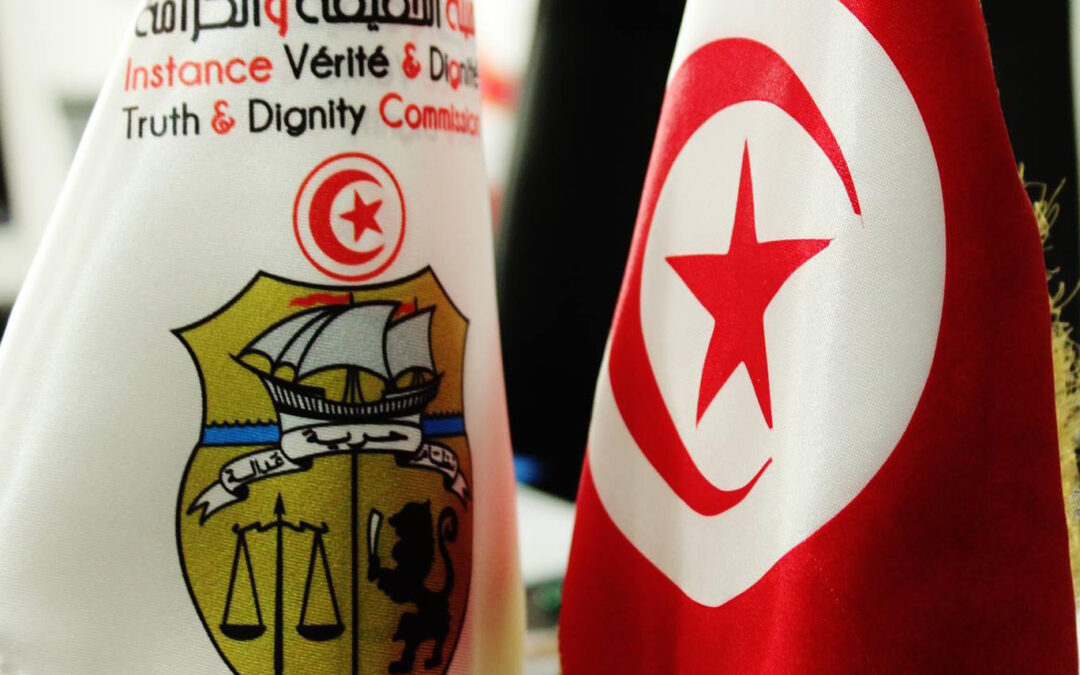
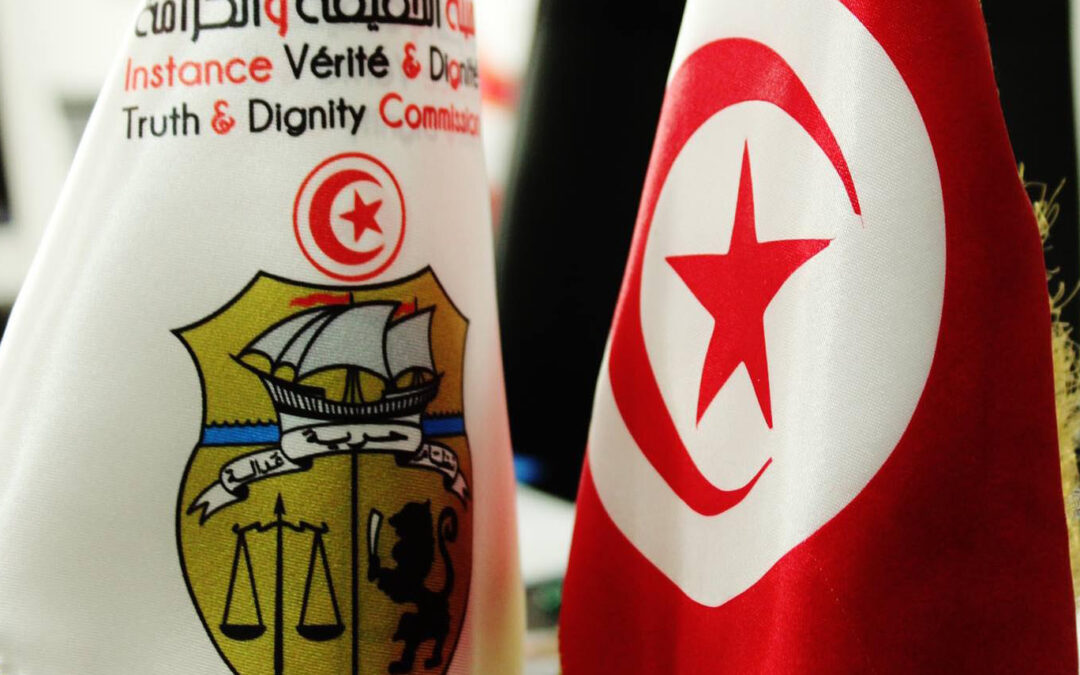
The statement alerts the public of the danger of a bill which dismantles the specialized criminal chambers in Tunisia and replaces them with an institution which would guarantee impunity for those who committed gross violations of human rights in Tunisia between 1955 and 2013.
The statement has been signed by the ICJ as well as other members of the Coalition for Transitional Justice
The statement can be downloaded here:
Link to French Version
Link to Arabic Version
Apr 25, 2019 | Nouvelles
Le communiqué alerte l’opinion publique sur le danger d’une proposition de loi visant à démanteler les chambres criminelles spécialisées en Tunisie et à les remplacer par une institution qui garantirait l’impunité pour les personnes ayant commis des violations flagrantes des droits humains en Tunisie entre 1955 et 2013.
Le communiqué a été signé par la Commission Internationale de Juristes avec d’autres organisations membres de la Coalition pour la justice transitionnelle.
Le manifeste peut être téléchargé ici:
Version française
Version arabe
Apr 10, 2019 | News
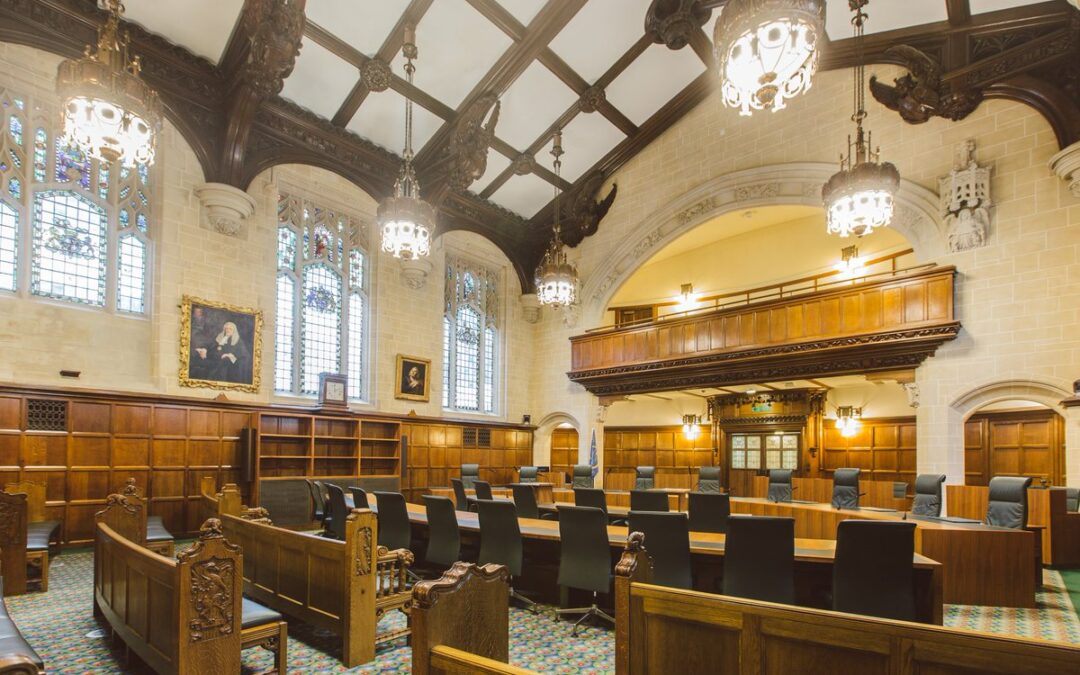
Today, the ICJ and the CORE Coalition welcomed the decision of the United Kingdom Supreme Court to allow a complaint to proceed against Vedanta Resources Plc and its Zambian subsidiary Konkola Copper Mines (KCM), alleging serious harm from extraction activities in Zambia.
The damage to health and livelihood was allegedly caused to local communities living in the Chingola District by the discharge of toxic waste from the Nchanga Mine operated by KCM.
The companies challenged the jurisdiction of the UK courts to hear the complaint for negligence and breach of statutory duty, saying there was no case against them arguable in a UK court and, in relation to KCM, that Zambia was the proper forum where any case would have to be heard.
The judgment, confirming the decision of lower courts, dismissed the appeal by the companies, allowing the case to now proceed to trial on the merits. The ICJ and CORE Coalition acted as interveners in the case.
“Today’s Supreme Court decision will make it possible for the Zambian claimants to find justice, even so long after events took place,” said ICJ Senior Legal Adviser Carlos Lopez.
“The ruling makes clear that, from available evidence at this stage, it is arguable in trial that a parent company like Vendanta owes a duty of care in relation to people living in the vicinity of their subsidiaries and this decision will have important implications to similar cases concerning parent company duties around the world,” said Lopez.
Although access to justice for alleged victims harm from subsidiaries of parent companies has been elusive, the UK Supreme Court clarified that the principles applicable to these cases were “not novel at all.”
“Many other victims face insurmountable hurdles in their efforts to hold companies to account. The case is a reminder of the urgent need for legislation to require companies to take action to prevent human rights abuses, and to make it easier to hold them to account when they fail to do so,” said Marilyn Croser, Director of CORE.
The judgment regarded published material in which Vedanta fairly asserted assumption of responsibility for the maintenance of proper standards of environmental control over activities of its subsidiaries. The Court said that this was “sufficient on their own to show that it is well arguable that a sufficient level of intervention by Vedanta in the conduct of operations at the Mine may be demonstrable at trial.”
Today’s Supreme Court judgment also made clear that Zambian courts could not be necessarily relied on to address claims against KCM and that there was a real risk that the claimants would not obtain “substantial justice” in Zambia.
Contact:
Marilyn Croser, Director CORE Coalition, t: + 44 203 752 5712
Carlos Lopez, Senior Legal Adviser, ICJ, t: + 41 22 9793816
Apr 10, 2019 | News
Today, the ICJ called on the parties to the conflict in Libya to comply with their obligations under international humanitarian law (IHL) and international human rights law to protect affected people, particularly the civilian population.
The ICJ also called on the UN Security Council to urge the parties to respect international law.
The gravity of hostilities led UNSMIL to postpone the UN-sponsored Libyan National Conference aimed at finding a solution to the ongoing political deadlock late yesterday. The Conference was planned to commence on 14 April in Ghadames.
“The postponement of the political dialogue is a major setback for peace and the rule of law in Libya, and for the Libyan population,” said Kate Vigneswaran, the ICJ’s Senior Legal Advisor for the Middle East and North Africa Programme.
“Civilians taking no part in the fighting have already suffered the brunt of hostilities between the warring parties in Libya. Those who remain, including the thousands of migrants held in arbitrary detention, are at grave risk,” she added.
IHL requires parties to the conflict to respect the principles of distinction and proportionality and take precautionary measures to avoid, or in any event minimize, incidental loss of civilian life, injury to civilians and damage to civilian objects.
“The parties must ensure that not only civilians but civilian objects are protected, and that measures are taken to ensure they don’t become collateral casualties,” said Kate Vigneswaran.
“International actors should continue to push for a political solution to the situation in Libya based on the rule of law and incorporating human rights protections to avoid further suffering,” she added.
On April 7, the UN Security Council reportedly discussed the situation in Libya but could not find the necessary consensus to issue an official statement.
According to the AFP, the Russian Federation blocked a statement that would have called on Field Marshall Khalifa Haftar, head of the House of Representatives backed Libyan National Army, to stop military operations, on all the parties to de-escalate and for “those who undermine Libya’s peace and security to be held to account.”
“The Security Council should adopt a resolution calling for the protection of civilians and accountability for serious violations of international human rights and humanitarian law. Member States should desist from exercising their veto powers to block resolutions intended to ensure compliance with international law,” said Vigneswaran.
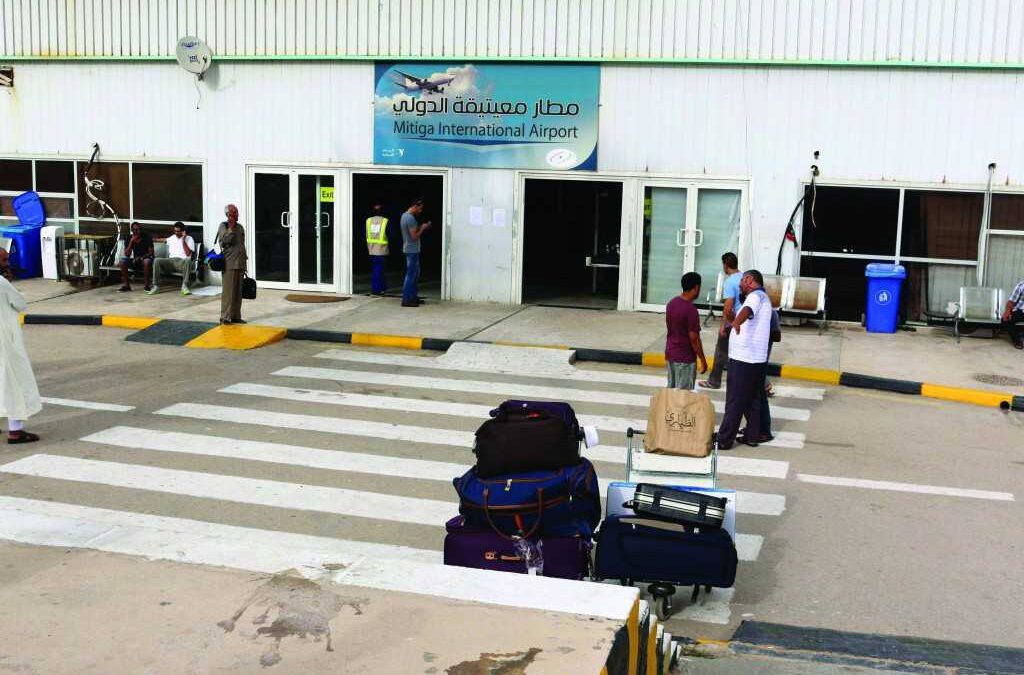
Reportedly, at least 27 people have been killed, including two doctors and two other civilians, 80 have been injured, and more than 2,800 persons have been displaced as a result of the fighting. The only functioning airport in Tripoli (above photo), the hub of the fighting, was closed Monday after being hit by an airstrike by the Libyan National Army (LNA).
Read this article in Arabic
Contact:
Kate Vigneswaran, ICJ Senior Legal Adviser, t: +31624894664, e: kate.vigneswaran(a)icj.org