Jul 8, 2015 | News
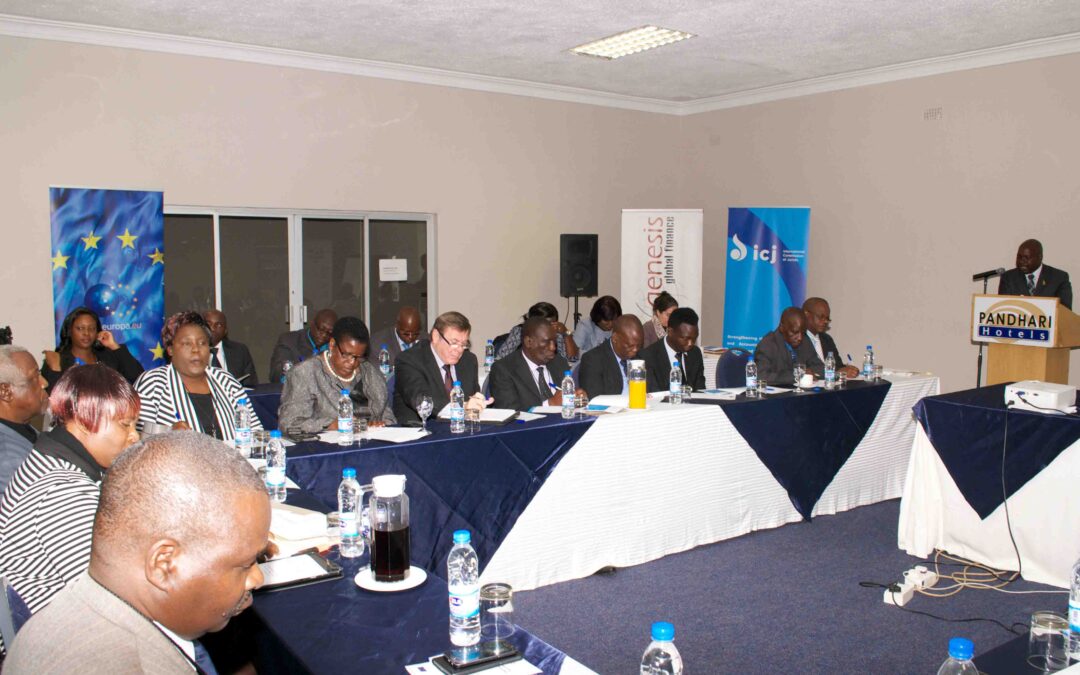
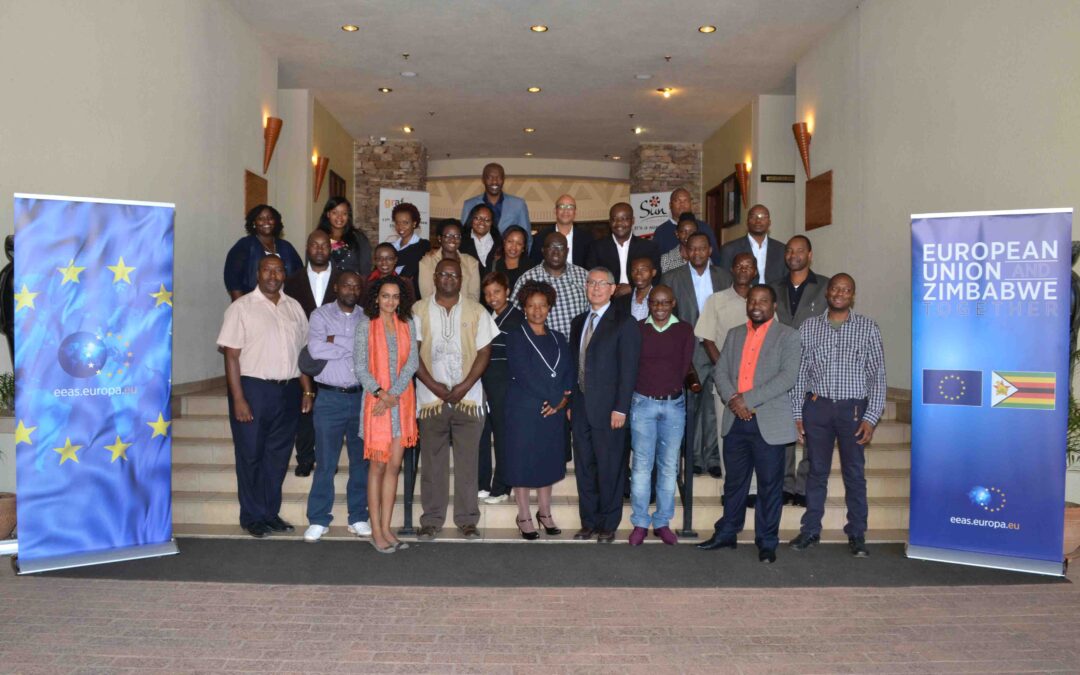
The National Prosecuting Authority (NPA) of Zimbabwe convened its first strategic planning workshop with technical support from the ICJ, under recently launched European Union (EU) funded project to contribute to an improvement in administration of justice in Zimbabwe.
The strategic planning workshop took place in Harare from 6 to 8 July 2015.
The NPA is established under section 259 of the 2013 Constitution as a separate, independent and accountable institution responsible for instituting and undertaking criminal prosecutions on behalf of the State, promoting a just and fair system for all persons approaching the courts and protecting the rights of the arrested and detained persons as provided for by the Constitution.
The strategic plan will allow the NPA to set its vision, objectives and including stakeholders’ expectations as guided by the Constitution and the National Prosecuting Authority Act for the next 5 years.
The NPA held this strategic plan as its first ever strategic stakeholder’s engagement since its establishment under the Constitution in May 2013.
To validate and ground the strategic plan and outputs, the NPA invited civil society organizations, law based institutions, human rights advocates, women lawyers associations, legal aid institutions, the Parliament Thematic and Standing Committee representatives, law enforcement agencies, and law professors, among others.
The Judicial Service Commission and Law Society of Zimbabwe, ICJ’s partners in EU funded project on improvement in the administration of justice, also attended the NPA strategic planning session.
The strategic plan will inform further interventions and activities for strengthening the observance of the rule of law, fair trial and access to justice by the NPA with support from ICJ’s EU funded project.
Once developed and adopted, the strategic plan will further open opportunities for other technical partnerships and funding opportunities for the NPA.
Contact:
Arnold Tsunga, ICJ Regional Director for Africa, t: +27 73 131 8411, e: arnold.tsunga(a)icj.org
Jun 29, 2015 | News
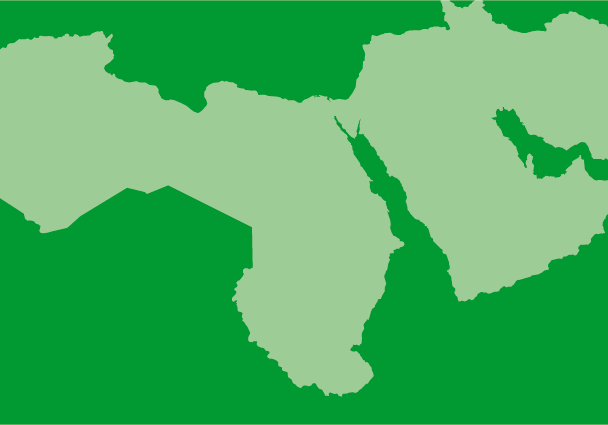
The ICJ calls on the UN Human Rights Council and the Security Council to respond to the findings of the Independent Commission of Inquiry on the 2014 Gaza Conflict, and fully implement all its recommendations.
This should be done with a view to ensuring accountability, including effective remedy and reparation, for all violations of international humanitarian law and human rights abuses committed by the Israeli Defence Forces (IDF) and by Palestinian armed groups, the ICJ says.
The ICJ further calls on the Human Rights Council to establish an independent mechanism to monitor the implementation of the Commission’s recommendations by both parties.
“Israeli and Palestinian authorities must break the chronic cycle of impunity in the Israeli-Palestinian conflict. All credible evidence of war crimes, such as the Commission of Inquiry has highlighted, must be properly investigated,” said Said Benarbia, Director of the ICJ MENA Programme.
“No one who is responsible, whether military or civilian and regardless how high their office, can be allowed to escape justice,” he added.
The Report published last week, and discussed today at the Human Rights Council, documents serious violations of international law and human rights abuses committed during the conflict, such as indiscriminate attacks, including disproportionate attacks, and direct attacks against civilians and against civilian objects that are not justified under the International Humanitarian Law.
The Commission found that artillery and other explosive weapons had been used in densely populated areas, that entire neighborhoods in Gaza had been destroyed, and that unguided rockets had been used.
As indicated by the Commission, some of those acts may constitute war crimes.
To date, both Israeli and Palestinian authorities have failed to meet their obligations under international law to effectively investigate the violations and to prosecute anyone criminally responsible.
Investigations and criminal proceedings initiated by the IDF’s Military Advocate General (MAG), which is also involved in the planning and execution of the IDF’s military operations, fall short of international standards including in relation to independence and impartiality.
No criminal investigations into violations and abuses committed by Palestinian armed groups appear to have been initiated by the Gaza authorities.
The ICJ calls on both authorities to provide for effective, independent and impartial investigation mechanisms in line with international standards.
Absent such reforms, international justice mechanisms can and should fill accountability and remediation gaps where domestic authorities are unwilling or unable to effectively administer justice.
“Israeli and Palestinian authorities must reform the framework for their current investigations and prosecutions. They must also fully cooperate with international accountability mechanisms, including the preliminary examination initiated by the International Criminal Court,” Benarbia said. “The aim throughout must be to make known the truth about the violations, to identify and hold those responsible to account, to ensure victims’ rights, and to prevent any recurrence.”
Contact:
Theo Boutruche, Legal Adviser of the ICJ Middle East and North Africa Programme, tel: +33 670735747, e-mail: theo.boutruche(a)icj.org
POT-UN Report Gaza -News-Press release-2015-ARA
Jun 24, 2015 | News
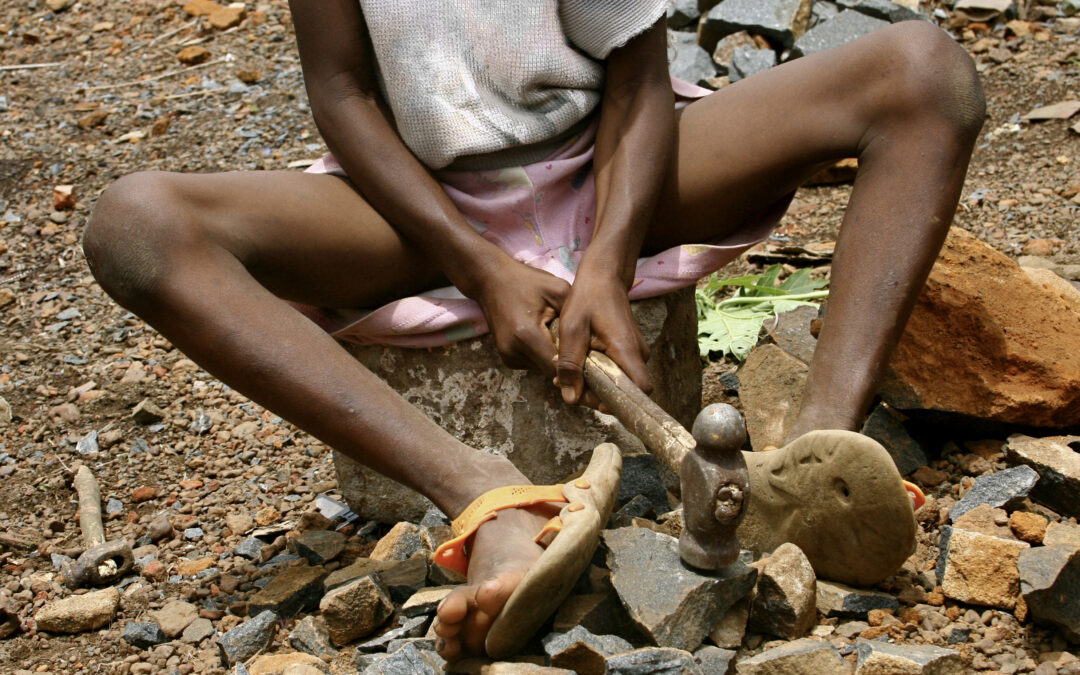
The workshop took place from 22-24 June in Victoria Falls and had a special focus on children’s rights as a particularly vulnerable group.
Its primary objective was to create a pool of jurists and activists with the knowledge and ability to undertake strategic litigation before national or regional courts in the interest of victims of human rights abuse by business enterprises in the Southern/Eastern Africa region.
To this end the meeting brought together legal practitioners and Human Rights Defenders involved in human rights legal accountability of business enterprises.
This workshop gathered together a selected group of human rights advocates from Malawi, Zambia, Botswana, Zimbabwe, Uganda, Kenya and Tanzania working on cases relating to business’ human rights abuse.
In East and Southern African countries mining represents a significant part of the national economies and annual GDP.
Tanzania, Malawi, Zambia, South Africa, Botswana and Mozambique have seen the inflowing investments grow in recent years, but it is not clear that this trend has meant improvements in the realization of human rights, especially economic and social rights.
Child labour is endemic, and its occurrence in tobacco plantations subject children to additional hazards to their health and wellbeing.
Mining and oil exploration creates problems to local communities who are not properly consulted or benefit from the activity and usually bear the brunt of environmental degradation and pollution associated with those extractive industries.
Business enterprises are in many instances complicit with State’s violations of human rights.
The meeting also sought to provide legal and other tools to community representatives and litigators who want to start strategic litigation in the public interest.
This flows from the realisation that effective remedy and reparation for victims of business human rights abuses, especially in a transnational context, remains elusive as ever and confronts a series of legal and procedural obstacles.
Access to effective remedy and justice is a priority objective in the context of work relating to the human rights responsibilities of business enterprises.
Jun 16, 2015 | Events, News
The ICJ is organizing this workshop from 22 to 24 June 2015 at the Imba Matombo Lodge in Harare, Zimbabwe. The meeting will bring together legal practitioners, judges and prosecutors involved in human rights legal accountability of business enterprises.
The workshop will have a special focus on children’s rights as a particularly vulnerable group, but will cover human rights broadly.
Its objective is to create a pool of jurists with the knowledge and ability to undertake strategic litigation before national or regional courts in the interest of victims of human rights abuse by business corporations in the Southern and Eastern Africa regions.
It specific objectives are to provide legal and other tools to community representatives and litigators who want to start strategic litigation in the public interest ; to provide opportunities to establish a link with international lawyers and groups to help in litigation in other countries ; and to provide information on available resources, mechanisms, and strategies for effective litigation.
Email applications can be sent to Dr Carlos Lopez: carlos.lopez(a)icj.org ; or Otto Saki: otto.saki(a)icj.org

Jun 11, 2015 | News
Durante los días 8 y 11 de Junio una misión de la CIJ ha visitado Uruguay para discutir con autoridades, víctimas y la sociedad civil el estado de la lucha contra la impunidad para las violaciones de los derechos humanos cometidas durante el periodo dictatorial.