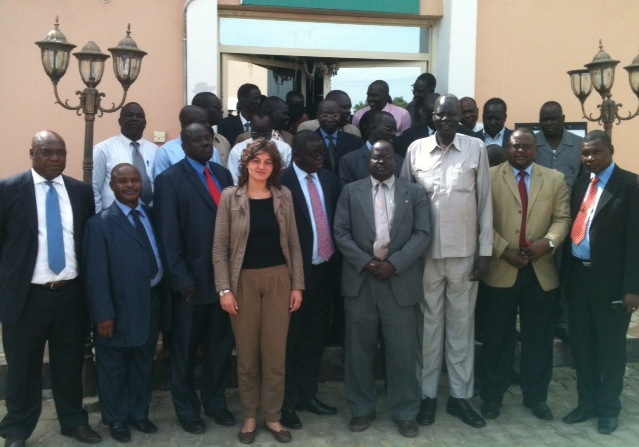
The ICJ is holding a workshop on access to justice and the right to fair trial from 22 to 24 October in Juba, South Sudan.
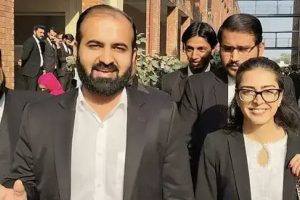
The workshop, organized in collaboration with the South Sudan Law Society, is aimed at judges, prosecutors, lawyers, and legal staff of the Ministry of Justice. It covers inter alia general fair trial standards, the role of the prosecutor and an independent legal profession, and specific standards applicable to arrest, pre-trial detention and trial proceedings. An ICJ delegation consisting of Judge Charles Mkandawire (ICJ Commissioner and Registrar of the SADC Tribunal), President Judge Anaclet Chipeta (High Court of Malawi), former Judge Thomas Masuku (High Court of Swaziland), Arnold Tsunga (ICJ Africa Regional Programme Director) and Ilaria Vena (CIJL Associate Legal Adviser) lead the training and debate sessions, together with representatives of the South Sudan Law Society.
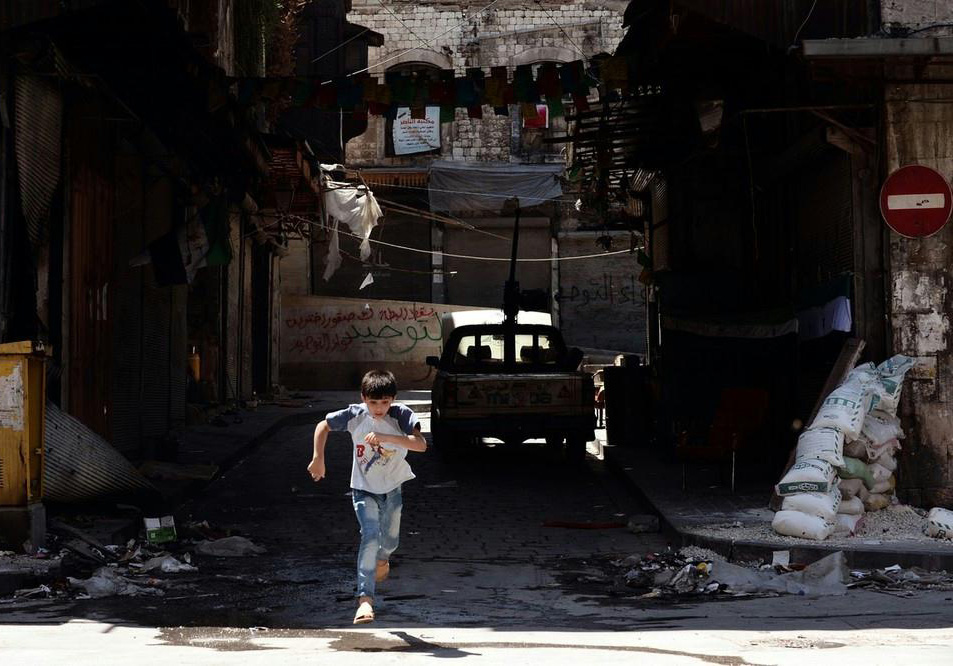
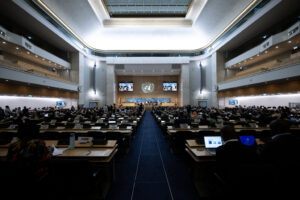
The ICJ called on the UN Human Rights Council to request the Security Council to immediately refer the situation in Syria to the International Criminal Court. Watch the webcast of ICJ’s statement.
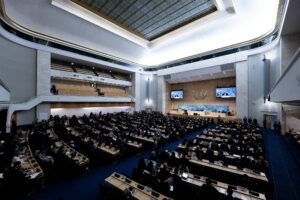
As a matter of urgency, the Security Council should take other effective measures to protect civilians and address the humanitarian crisis in Syrian cities and villages, the ICJ urged. The ICJ delivered its oral statement on 17 September 2012 in the course of the general debate on situations requiring the Council’s attention, during the course of the 21st regular session of the Human Rights Council.
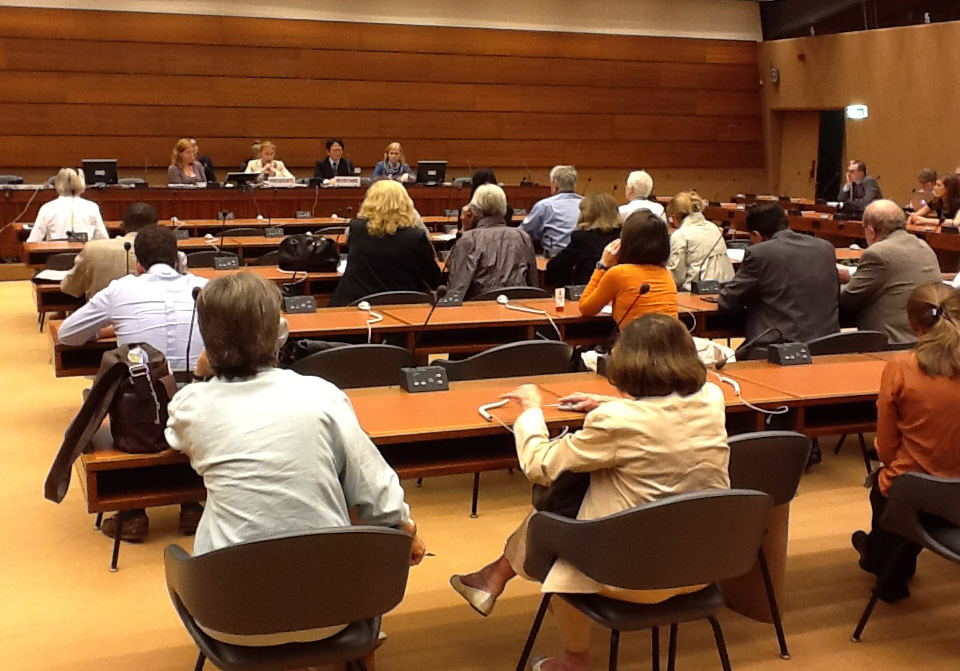
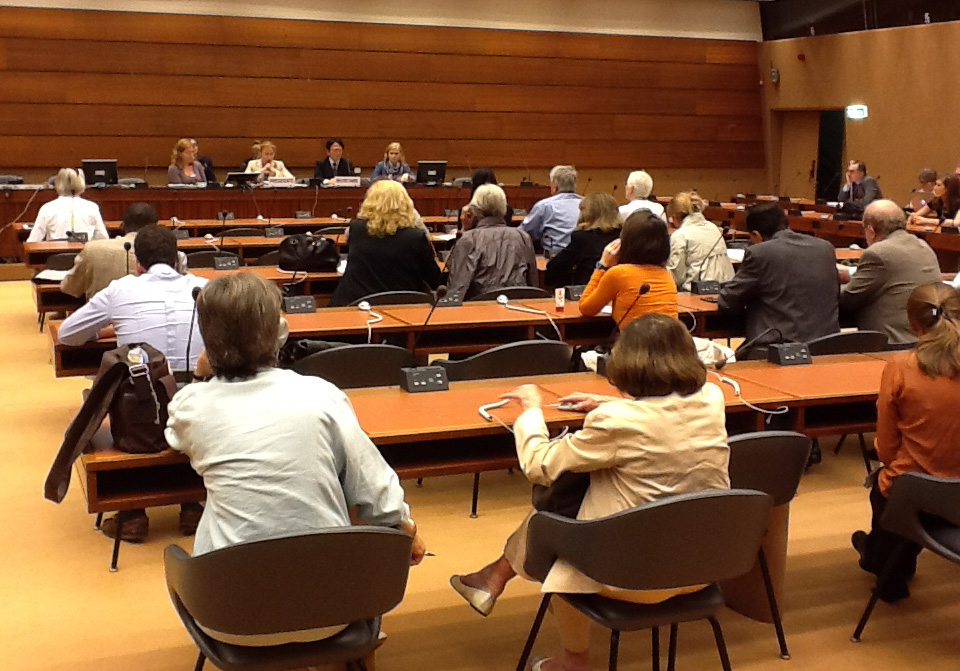
During the 21st session of the UN Human Rights Council (10-28 September 2012), the ICJ and the Geneva Academy of International Humanitarian Law and Human Rights will convene a high-level discussion on ensuring human dignity during detention.
The parallel event will be held in the Palais des Nations in meeting room XXI on Tuesday 25 September 2012 from 14h to 16h.
The event will discuss the need and options for an international instrument clarifying and enhancing the human right legal framework applicable to persons in detention. Panelists include Professor Manfred Nowak, former Special Rapporteur on torture and former member of the Working Group on enforced disappearances; Judge Theodor Meron, Judge on the Appeals Chambers of the ICTY and ICTR; Professor Shaheen Sardar Ali, Vice-Chair of the Working Group on arbitrary detention; and Ian Seiderman, Law and Policy Director of the ICJ. The event will be moderated by Hina Jilani, member of the Panel on Human Dignity and Advocate of the Supreme Court of Pakistan.
The event is open to all persons with access to the Palais des Nations.
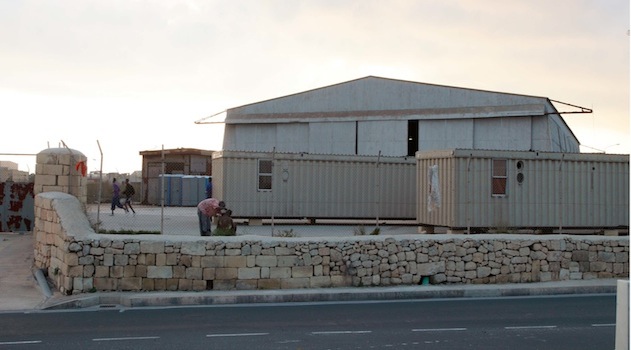
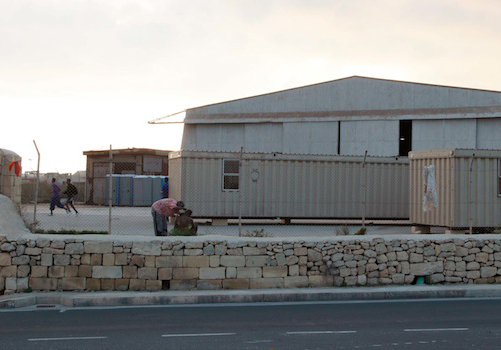
Malta should abandon its policy of mandatory detention of undocumented migrants and asylum seekers and dedicate resources to significantly improve their reception conditions, says a new ICJ report.
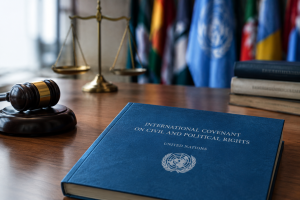
The ICJ today called upon the Israeli authorities to end the abusive practice of administrative detentions of Palestinians held in Israel.
Israel must also ensure that those who are on hunger strike have full access to appropriate medical assistance and are treated humanely, the ICJ said.
Over the last months, more than 1,500 Palestinian administrative detainees, pre-trial detainees and convicted prisoners have gone on hunger strike to challenge the conditions of their detention, including the use of solitary confinement, restrictions on family visits and other punitive measures taken against them.
The ICJ stresses that Palestinian detainees and prisoners have been regularly denied their right to have contact and correspond with and be visited by members of their families.
Their rights to have regular access to independent doctors and to their lawyers have also been systematically denied.
“Under international law, administrative detention is unlawful, except in narrow circumstances as an exceptional and temporary measure. However, Israel has routinely resorted to unlawful prolonged administrative detention of individuals from the Occupied Palestinian Territory, sometimes as an alternative to criminal proceedings,” said Saïd Benarbia, Senior Legal Adviser for the Middle East and North Africa Programme. “Israeli authorities must comply with their obligations under international law and fully guarantee the rights of persons arrested or imprisoned without charge to the presumption of innocence, medical assistance, communication with family members and full and unrestricted access to a legal counsel.”
The ICJ is also gravely concerned that detainees on hunger strikes have been allegedly subjected to various forms of coercion that may amount to ill-treatment under international law, including shackling, solitary confinement, daily fines, and forced medical treatment.
Bilal Diab, Thaer Halahlah, Hassen El-Safadi, Omar Abu Shalal, Jafar Izz El-Din and Mahmoud Sarsaq, held in Israel under administrative detention orders, have been on extended hunger strike for more than two months and have seen their health conditions seriously deteriorate, the ICJ deplores.
“The Israeli Authorities must immediately end all forms of psychological and ill-treatment of hunger strikers, guarantee their rights to have full access to independent doctors and appropriate medical care, and ensure they are treated humanely in all circumstances,” Benarbia added. “Unless these detainees are charged with internationally recognizsable criminal offenses, they must be immediately and unconditionally released.”
Contact:
Saïd Benarbia, Middle East & North Africa Senior Legal Adviser, T +41 22 979 3817
🍪 We use cookies on our website to improve your experience. By clicking "Accept all", you consent to the use of all the cookies. If you'd like to control which cookies we use, please visit "Cookie settings". To find out more, read our privacy policy and cookie policy.
Functional
Always active
The technical storage or access is strictly necessary for the legitimate purpose of enabling the use of a specific service explicitly requested by the subscriber or user, or for the sole purpose of carrying out the transmission of a communication over an electronic communications network.
Preferences
The technical storage or access is necessary for the legitimate purpose of storing preferences that are not requested by the subscriber or user.
Statistics
The technical storage or access that is used exclusively for statistical purposes.The technical storage or access that is used exclusively for anonymous statistical purposes. Without a subpoena, voluntary compliance on the part of your Internet Service Provider, or additional records from a third party, information stored or retrieved for this purpose alone cannot usually be used to identify you.
Marketing
The technical storage or access is required to create user profiles to send advertising, or to track the user on a website or across several websites for similar marketing purposes.

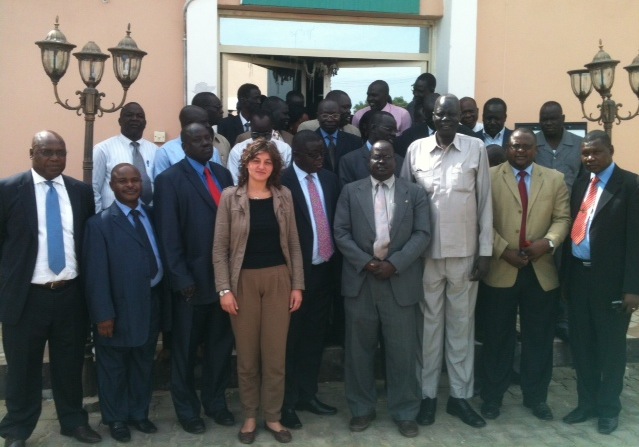 The ICJ is holding a workshop on access to justice and the right to fair trial from 22 to 24 October in Juba, South Sudan.