Nepal: Amendment bill to Transitional Justice Act needs revision
Nepal: The current amendment bill to the Transitional Justice Act needs to be revised to ensure respect for the right of victims to truth, justice and reparation

Nepal: The current amendment bill to the Transitional Justice Act needs to be revised to ensure respect for the right of victims to truth, justice and reparation
The Nepali government’s bill to amend its current transitional justice law marks some progress toward accountability but will not fully provide justice to victims or meet Nepal’s obligations under international law in its current form, said Amnesty International, Human Rights Watch, the International Commission of Jurists and TRIAL International today. Nepal’s government and parliament should amend the bill to align with international legal standards.
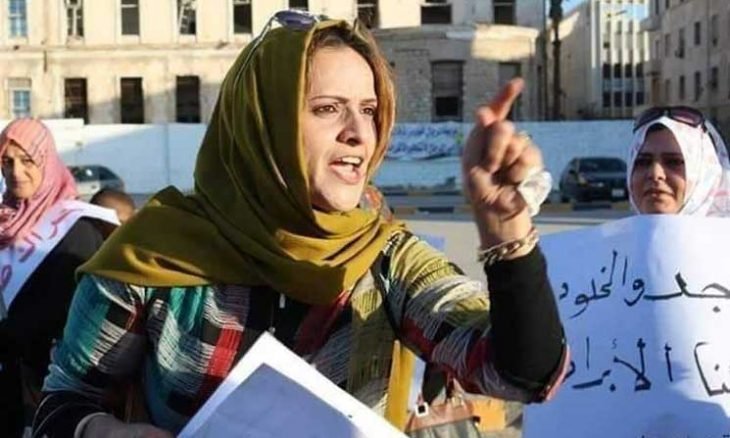
On 11 November 2021, the International Commission of Jurists (ICJ) and the Libyan Women’s Platform for Peace (LWPP) held a webinar titled “Transitional Justice Needs in Libya” to commemorate the first anniversary of the assassination of Libyan human rights advocate, Hanan al-Barassi, in Benghazi in the east of the country.
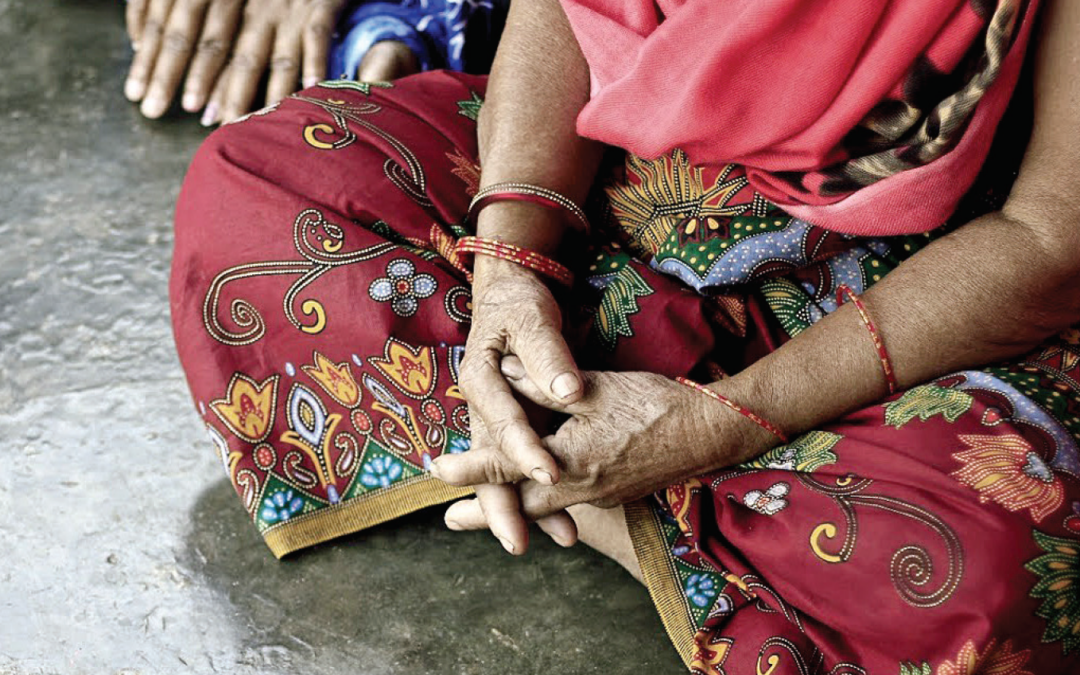
Victims of sexual and gender-based violence during Nepal’s 10-year-long civil war still face major obstacles to justice, concluded the participants of a virtual consultation on 19 June 2021, on the occasion of the International Day for the Elimination of Sexual Violence in conflict.
The consultation was organized by the International Commission of Jurists (ICJ), in collaboration with the Conflict Victim Women National Network (CVWN), to address “Enhancing Access to Justice for Survivors of Conflict-Related Sexual Violence”. The Nepali version of ICJ Briefing Paper on “Nepal: Transitional Justice Mechanisms with Gender Perspective” was also launched as part of the consultation.
The ICJ consultation with stakeholders highlighted Nepal’s obligation under international law to ensure right to an effective remedy to the victims of sexual and gender-based violence of Nepal’s decade-long armed conflict, which came to a close with a peace accord in 2006.
Around 80 participants, including human rights defenders and conflict victims from different parts of the country attended the consultation. The participants expressed particular concern at lack of attention to gender issues in the context of Nepal’s transitional justice process since its very beginning, and urged that gender considerations be mainstreamed in the transitional justice process.
Ms. Shrijana Shrestha, Chairperson of the CVWN, underscored the lack of government data on victims of conflict-related sexual violence, and denounced the hurdles victims face in seeking justice, due to social and cultural taboos, lack of a support system, and the current statute of limitation to register complaints of sexual violence.
Ms. Mandira Sharma, ICJ Senior Legal Adviser, highlighted that, as a party to various international human rights instruments, Nepal has an obligation to ensure victims’ right to an effective remedy. Further, she expressed concern about the lack of political will since the beginning of the peace process to address the needs of women victims, in particular of victims of conflict-related sexual violence. She emphasized the need to amend the Truth and Reconciliation (TRC) Act in consultation with victims of the armed conflict.
Similarly, Dr. Susan Risal, human rights activists, emphasized the need to develop strong strategies to deal with conflict-related sexual violence in Nepal, taking into consideration the best practices of different countries.
Ms. Laxmi Pokharel, ICJ Legal Adviser, pointed out that the ICJ Briefing paper (“Nepal: Transitional Justice Mechanisms with Gender Perspective”) has analyzed the TRC legislation comprehensively, and can therefore be of use as a powerful advocacy tool for legal reform. She summarized the main findings of the briefing paper and its recommendations, including:
During the discussions, the participants highlighted the following major concerns:
The event was organized under the ‘Enhancing Access to Justice for Women in Asia and the Pacific’ project funded by the Swedish International Development Cooperation Agency (SIDA). Due to the COVID–19 pandemic, the webinar was conducted virtually via Zoom and broadcasted live on Facebook. The webinar was conducted in Nepali with simultaneous English translation.
Contact
Laxmi Pokharel, ICJ Legal Adviser – Nepal, e: laxmi.pokharel(a)icj.org
Download
Briefing paper on “Nepal: Transitional Justice Mechanisms with Gender Perspective” in English and Nepali.
The ICJ launched a new briefing paper Nepal: Transitional Justice Mechanisms with Gender Perspective in a webinar held on 12 May 2021.
The discussion included the need to give practical effect to Nepal’s obligation under international law to ensure the right to an effective remedy to the victims, including women victims of sexual and gender-based violence during the country’s internal armed conflict (1996 – 2006). Participants focused in particular on the need to ensure that gender issues are incorporated in the transitional justice mechanism.
The Honourable Kalyan Shrestha, former Chief Justice of the Supreme Court of Nepal and ICJ Commissioner, stressed the importance of the role of the Supreme Court of Nepal in establishing landmark jurisprudence on transitional justice.
Justice Shrestha explained how despite the fact that the country had established a progressive Constitution and amended legislation to provide for equality, non-discrimination and access to justice, women victims and survivors of a decade long armed conflict continued to face real barriers to justice. These including short periods of statute of limitations preventing the filing rape and sexual violations cases and lack of support mechanisms for women, which compounded existing economic pressure and social obstacles.
Bandana Rana, Member of the UN Committee on the Elimination of Discrimination against Women (CEDAW), addressed the situation of sexual and gender – based violence against women in Nepal during the armed conflict. She said that Nepal was bound by clear international legal obligations, including under the CEDAW and other treaties. Yet the Nepali government has not taken effective measures to ensure access to justice and the right to an effective remedy to the victims of SGBV during the conflict.
Laxmi Pokharel, ICJ Legal Adviser, summarized the ICJ’s briefing paper on “Nepal: Transitional Justice Mechanisms with Gender Perspective”. The Paper’s major recommendations, to the Government of Nepal, are:
The webinar was jointly organized by ICJ in collaboration with the United Nation’s Office of the High Commissioner for Human Rights (OHCHR) and UN Women. This event was organized under the ‘Enhancing Access to Justice for Women in Asia and the Pacific’ project funded by the Swedish International Development Cooperation Agency (SIDA). Due to the COVID – 19 pandemic the webinar was conducted virtually and live broadcasted on Facebook. It was conducted in English language and simultaneous translation in Nepali language was also available.
Contact
Laxmi Pokharel, ICJ Legal Adviser – Nepal, email: laxmi.pokharel(a)icj.org
Download
Briefing paper on “Nepal: Transitional Justice Mechanisms with Gender Perspective” (full report in PDF)
 Africa Region: Human Rights Defenders and Lawyers Propose Means to Strengthen Access to Redress for Victims of Human Rights Atrocities
 Europe: Experts stress the role of intermediaries in access to justice for children with disabilities
 HRC63: ICJ and HRW Call for Protection of Black African Migrants, Refugees and Asylum Seekers in Tunisia and Libya
 Pakistan: End the cycle of detention and judicial harassment of lawyers Imaan Mazari-Hazir and Hadi Ali Chattha