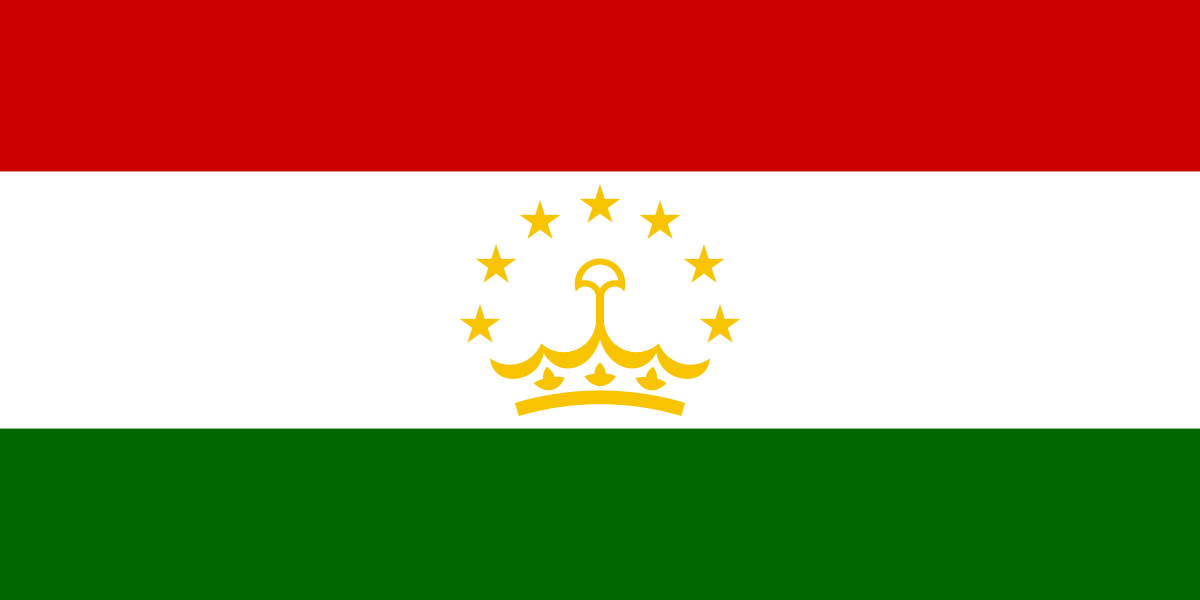
Gender-based violence (GBV) remains a serious and persistent human rights concern in Tajikistan, a report “Nowhere to go: Access to justice for women survivors of gender-based violence in Tajikistan” published today by the International Commission of Jurists (ICJ) finds. While laws and policies have been adopted, many survivors continue to face an environment in which violence against women is underreported and insufficiently addressed, with limited legal remedies and accountability.
This report is based on a mission conducted by the ICJ to Tajikistan in September 2024. The mission examined why the justice system continues to fall short in effectively responding to GBV and identified the barriers women face in seeking protection and justice. Despite the adoption of national laws and strategies on equality and domestic violence, the mission identified significant gaps in their implementation in practice.
Domestic violence is not criminalized as a standalone offence, and marital rape is not explicitly recognized in law. Sexual violence provisions remain largely focused on physical force rather than consent; while child and forced marriages — including religious marriages outside State registration — remain widespread.
Survivors who seek to report violence encounter procedural and practical obstacles. Police often require survivors to collect evidence, identify witnesses, or cover the cost of forensic examinations. Protection orders exist but are poorly enforced, and violations do not consistently result in penalties.
Many GBV survivors are pressured to reconcile with their abusers, while in some cases the justice process retraumatizes survivors through invasive evidentiary procedures or insensitive questioning.
Support services remain limited. State-funded shelters are scarce, and legal aid for GBV survivors is limited, leaving many women without guidance or representation. Access to services is particularly limited in rural areas. Social stigma, fear of social consequences, and victim-blaming remain deeply rooted, discouraging women from reporting violence or leaving abusive relationships.
Without comprehensive legal reform, stronger institutions, sustainable State funding for services, improved professional training for justice officials, and sustained efforts to address discriminatory attitudes, GBV is likely to remain widespread, and survivors will continue to be denied justice, safety, and dignity.
Based on its findings, the report proposes a set of specific recommendations, including the following:
- Criminalize all forms of GBV, including domestic violence as a standalone crime, marital rape, forced marriage, sexual harassment, and online violence.
- Adopt a consent-based definition of rape and broaden legal definitions of sexual violence.
- Ensure that all GBV cases are investigated and prosecuted ex officio, without placing evidence-collecting burdens on survivors.
- Strengthen and effectively enforce protection orders, including emergency barring orders, and penalize violations consistently.
- Eliminate harmful practices, including child marriage, unregistered religious marriages, and tolerance of polygamy; remove all legal exceptions to the minimum marriage age of 18.
- Expand access to justice and legal aid, guaranteeing free legal assistance for all GBV survivors, including children and women in rural areas.
- Improve survivor-centred procedures across police, health, and judicial systems, including safeguards against mediation pressure, public exposure, and invasive or re-traumatizing investigative methods.
- Create a nationwide network of shelters and support services, sustainably funded by the State, offering psychosocial, medical, and legal assistance.
- Provide mandatory, specialised training for police, prosecutors, judges, forensic experts, and health professionals on GBV, trauma-informed practice, and international standards.
- Strengthen data collection through a unified, disaggregated national system on all forms of GBV to inform policy and accountability.
- Combat gender stereotypes and discriminatory norms through long-term public education, school curricula reform, and awareness campaigns.
- Bring national laws into conformity with international human rights obligations, including CEDAW, ICCPR, CRC, and relevant General Recommendations, and ensure key standards are translated into local languages and publicly accessible.
- Guarantee a safe environment for civil society, human rights defenders, journalists, and lawyers working on GBV.
Read the full report here.
Background
This activity was conducted as part of the Women Empowerment through the Justice System in Tajikistan (WEMJUST) Project, supported by the European Union and implemented in partnership with the Tajik organisation Right & Prosperity.