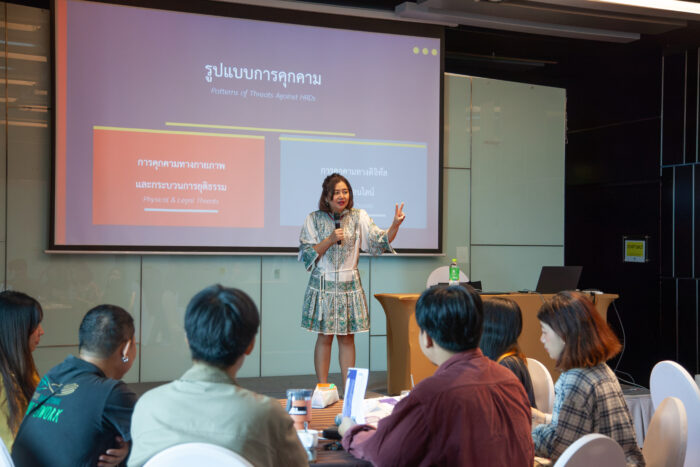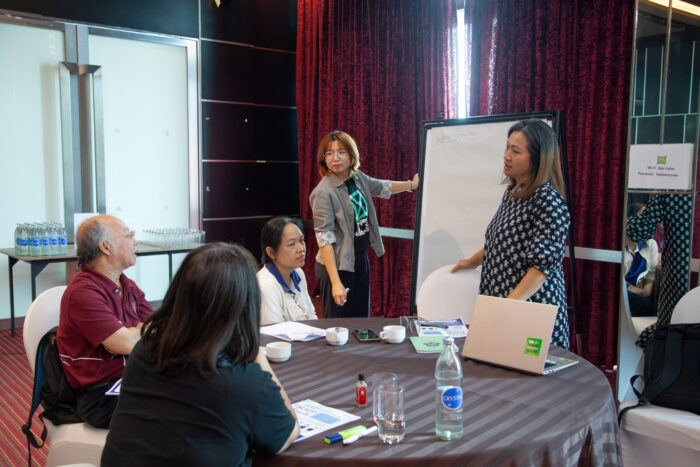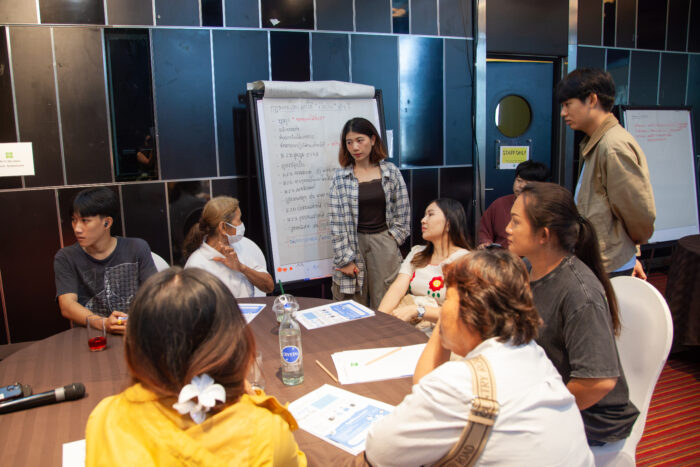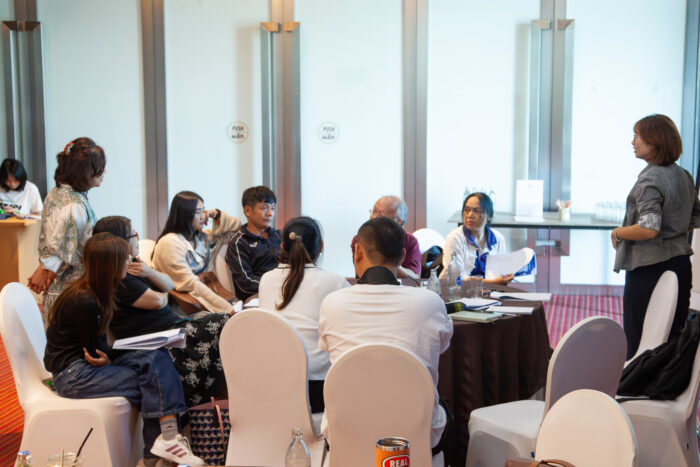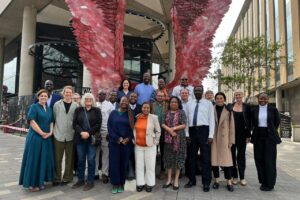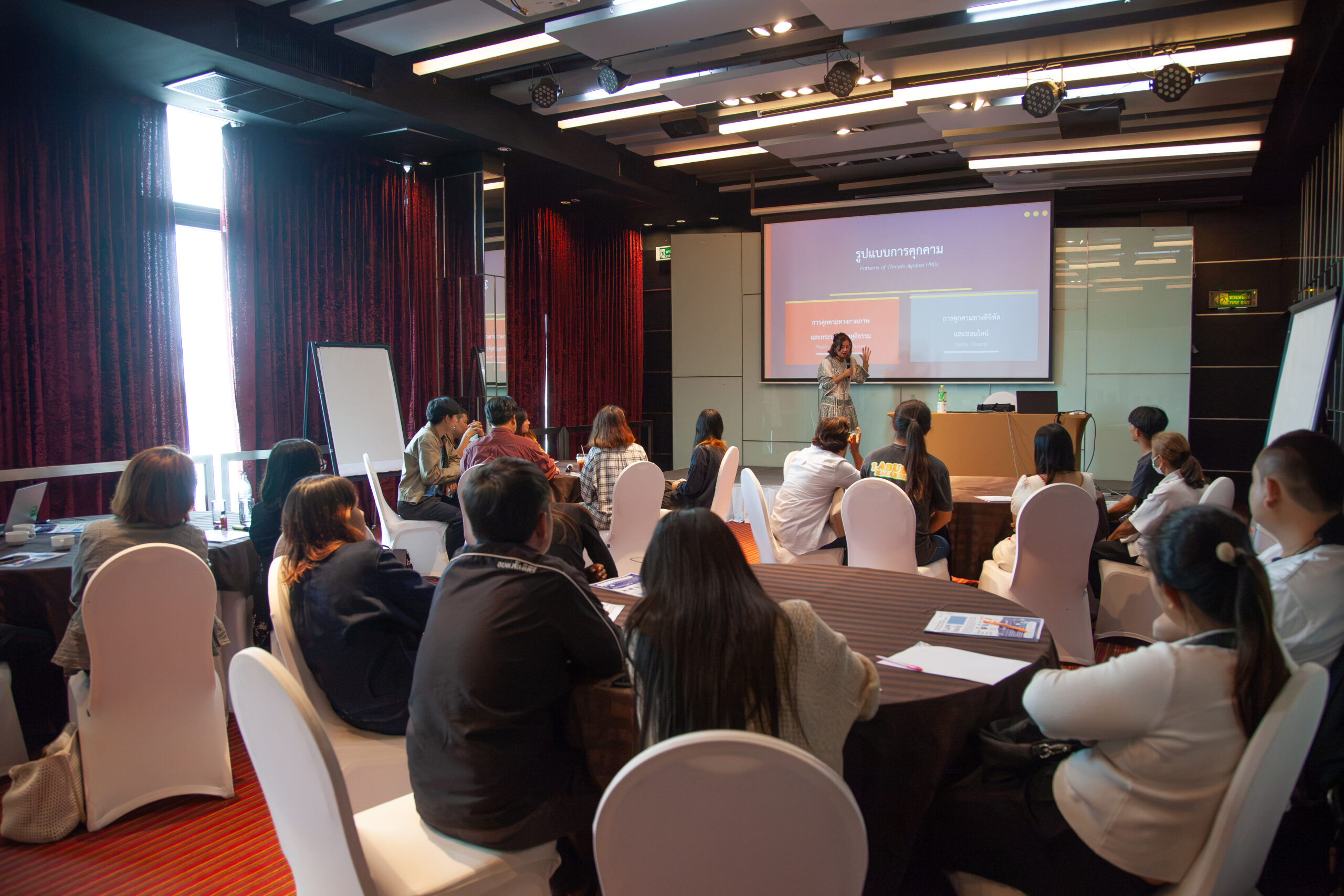
On 23 May 2026, the International Commission of Jurists (ICJ), the Center for Protection and Revival of Local Community Rights, and the Human Rights Lawyers Association (HRLA) convened a workshop in Chiang Mai Province, bringing together 23 human rights defenders from indigenous communities affected by mining operations across the northern region, including representatives of the Indigenous Peoples Network of Thailand and other civil society organisations.
The workshop examined challenges facing HRDs in the region, barriers to safe and effective human rights work, and the growing use of Strategic Lawsuits Against Public Participation (SLAPPs) as a tool to silence or neuter the work of defenders.
During the workshop, participants working on human rights, including the rights of indigenous peoples and environmental justice, shared first-hand accounts of physical, digital, judicial, and psychological harassment encountered in connection with their work or in the exercise of their rights to freedom of expression and assembly.
Participants described a recurring pattern of intimidation. These included documented visits by company representatives — sometimes accompanied by authorities — to Karen indigenous communities, purportedly aimed at “creating understanding” or persuading community members to accept mining projects, including through offers of non-reparative “compensation”, in ways that left participants feeling insecure and under pressure. Some also reported visits by armed police to their homes, facilitated by village headmen or community leaders, or by local leaders themselves conducting surveillance of their homes and surrounding areas for unstated purposes.
Participants reported being contacted through their personal Facebook accounts — via both private messages and public pages — by lawyers acting for mining companies or by unidentified persons claiming to assist with public interest litigation. These unsolicited contacts contributed to a broader sense of insecurity and intimidation.
A number of workshop participants also reported facing legal action under the Public Assembly Act in connection with an assembly that had taken place outside the Council of Ministers Office in 2025, at which participants had demanded the fulfilment of six points concerning land and resource rights and sustainable management from the government.
The workshop concluded with a discussion on the accelerating use of SLAPPs to silence HRDs across Thailand. Participants examined existing legal safeguards and the draft Act on the Prevention of Strategic Lawsuits Against Public Participation, analyzing the deficiencies in the draft and whether it is capable of adequately responds to their concerns and will be able to facilitate their work.
Background
Northern Thailand is home to a diverse range of ethnic and indigenous communities — including the Karen — many of whom are engaged in human rights work on land and forest rights, cultural rights, environmental protection, and development policies affecting their communities.
Thailand’s existing anti-SLAPP provisions — Sections 161/1 and 165/2 of the Criminal Procedure Code (2019) — have proven inadequate, applying only to private criminal complaints. While the Recommendations of the President of the Thai Supreme Court, published on 29 May 2026, on the adjudication of cases filed in bad faith, have sought to provide clarity on cases falling under Section 161/1, they still cannot close the gaps, particularly those brought through public prosecutions and civil proceedings.
A recent amendment to the Organic Act on Anti-Corruption similarly falls short, applying solely to cases before the National Anti-Corruption Commission (NACC). The Ministry of Justice’s draft Anti-SLAPP Act remains stalled, with no public progress announced since its public hearing in April 2025.
This workshop is part of a series of regional consultations being held by the ICJ and its partners across Thailand. Through these consultations, the ICJ is documenting threats, intimidation, reprisals, and SLAPPs faced by HRDs — with particular focus on those from ethnic, ethno-religious, and indigenous communities. The ICJ will also conduct knowledge-sharing sessions to ensure that the concerns expressed by HRDs are reflected in ongoing legislative processes, including the current SLAPP law reform effort.
Further reading
Dictating the Internet: Curtailing Free Expression and Information Online in Thailand
Thailand: New law protecting SLAPPs marks progress but much more is needed
Contacts
Sanhawan Srisod, Senior Legal Adviser, Legal and Policy Office, e: sanhawan.srisod@icj.org
Saovanee Kaewjullakarn, Associate Legal Adviser, ICJ Asia and the Pacific Programme, e: saovanee.kaewjullakarn@icj.org