Sep 17, 2020 | Advocacy, Non-legal submissions
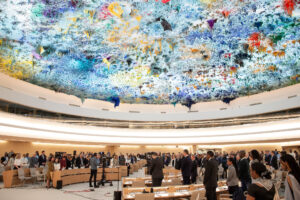
At the Human Rights Council, the ICJ highlighted deepening impunity for gross human rights violations in Sri Lanka, and the need for a UN investigative mechanism.
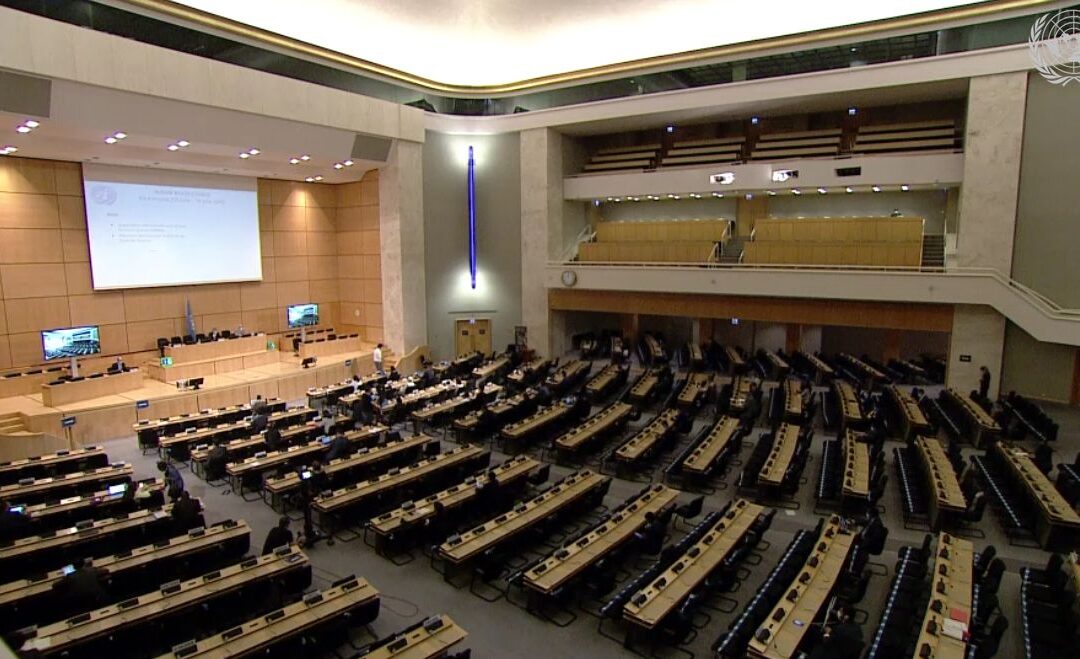
The oral statement was made in the interactive dialogue with the UN Special Rapporteur on the promotion of truth, justice, reparation and guarantees of non-recurrence, at which the current Rapporteur presented the report of his predecessor, Pablo de Greiff, on a visit to Sri Lanka in 2017.
The statement read as follows:
“The ICJ welcomes this opportunity to discuss the report of your predecessor’s 2017 visit to Sri Lanka.
We share the report’s assessment that “none of the constituent elements of a transitional justice policy are fully in place.” Indeed, the situation has only further deteriorated since 2017, further entrenching the denial of justice to victims.
Sri Lankan courts remain unable and unwilling to address the impunity of security forces for crimes under international law. We echo the report’s observation ‘in its current state, the criminal justice system in Sri Lanka is inadequate and flawed’.
This will only worsen if the proposed 20th Amendment to the Constitution is passed. The President, himself credibly accused of war crimes and crimes against humanity during his tenure as Defence Secretary from 2005-2015, would have unilateral power to appoint the judges of the superior courts, the Judicial Service Commission, Attorney General and the Inspector General of Police. This would further undermine any independence and impartiality in the already institutionally weakened judiciary.
Given the abject failure of Sri Lanka to implement a credible accountability mechanism, and its ongoing betrayal of the rule of law, the ICJ calls on the Council to establish an international accountability mechanism, and we urge you Mr Special Rapporteur to closely monitor and analyze the country situation in coordination with other mandate holders.
Thank you”
Sep 15, 2020 | Advocacy, Non-legal submissions
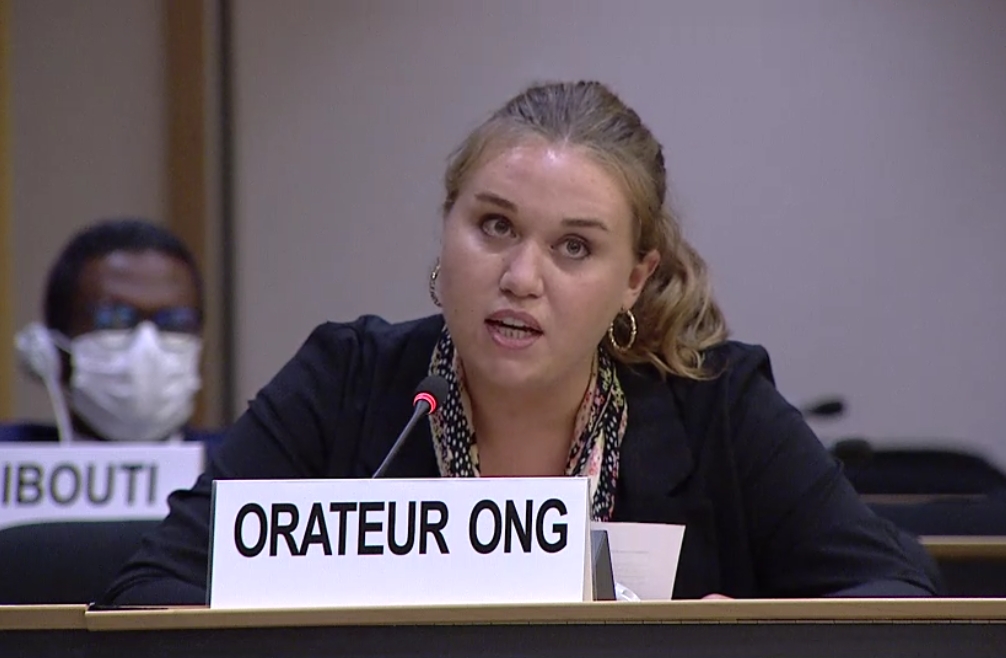
At the UN Human Rights Council in Geneva, the ICJ has urged States to ensure human rights and avoid discriminatory impacts, and for businesses to respect their human rights responsibilities, in responding to the COVID-19 pandemic.
The oral statement, delivered in a general debate on the update of the High Commissioner for Human Rights, read as follows:
“In our latest report, Living Like People Who Die Slowly: The Need for Right to Health Compliant COVID-19 Responses,[1] the International Commission of Jurists (ICJ) calls on States to ensure that their individual and collective responses to the COVID-19 pandemic comply with international human rights law, including the right to health.
Any abuse of pandemic measures to repress human rights defenders, dissenting voices, or civil society more generally, is unacceptable. Respect for freedom of expression, including the right to information, is essential to effectively addressing the pandemic.
The particularly acute impact of COVID-19 on already-marginalized people heightens the importance of equal access to health facilities, goods and services. The report documents disproportionate impacts on non-citizens, older persons, women and girls, LGBT persons, persons deprived of their liberty, persons with disabilities, sex workers and healthcare workers.
Businesses, and particularly private actors in the healthcare sector must meet their responsibility to respect human rights. This will be crucial in the development, production and distribution of any COVID-19 vaccine.
Madame President, the ICJ emphasizes the continuing importance and applicability of the 1984 Siracusa Principles on the Limitation and Derogation Provisions in the International Covenant on Civil and Political Rights,[2] and the recognition in the WHO International Health Regulations that implementing measures must be fully consistent with human rights.”
[1] https://www.icj.org/icj-new-global-report-shows-that-the-right-to-health-must-be-central-to-state-responses-to-covid-19/ (1 September 2020).
[2] https://www.icj.org/siracusa-principles-on-the-limitation-and-derogation-provisions-in-the-international-covenant-on-civil-and-political-rights/ and UN Doc E/CN.4/1985/4, Annex.
The full range of materials produced by the ICJ concerning the COVID-19 pandemic can be accessed at: https://www.icj.org/human-rights-in-the-time-of-covid-19-front-and-centre/
Sep 14, 2020 | Advocacy, Non-legal submissions
In a statement to the UN Human Rights Council in Geneva, the ICJ has welcomed the report of the Independent Investigative Mechanism for Myanmar (IIMM)
The oral statement was delivered in an interactive dialogue with the IIMM, and read as follows:
“The ICJ salutes the Mechanism in setting up the necessary infrastructure for its operation despite the challenges brought about by the COVID-19 pandemic. Given the lack of genuine and independent domestic investigation and prosecution of serious human rights violations in Myanmar, the efficient establishment of the Mechanism is welcomed.
The ICJ shares its concern over the Government of Myanmar’s lack of cooperation with the Mechanism. The ICJ recalls Myanmar’s obligation to ensure accountability for serious human rights violations occurring in Myanmar, including, but not limited to, the acts against ethnic Rohingya that were the subject of the report of the Government-appointed Independent Commission of Enquiry.
Given the Mechanism’s mandate to gather and preserve evidence of any serious human rights violations committed in Myanmar from 2011 to the present, the ICJ underscores the need to investigate the widely reported accounts of killings, serious physical injury, mass displacement and destruction of property in various parts of Rakhine and Chin states in the context of the ongoing conflict between Myanmar and the Arakan Army. The Myanmar Government still refuses to hold a ceasefire despite the onset of the COVID-19 pandemic in Rakhine. The parties to the conflict must be held accountable for any violation of international human rights and humanitarian law.
The ICJ would like to ask: how can States and inter-governmental organizations strengthen support for the mandate?”
For more information, contact: Kingsley Abbott, kingsley.abbott(a)icj.org
Aug 28, 2020 | News
The ICJ contributed to and has endorsed a groundbreaking new UN standard aimed at ensuring effective access to justice for persons with disabilities, published today in Geneva.
Published today by the Office of the UN High Commissioner for Human Rights, the International Principles and Guidelines on Access to Justice for Persons with Disabilities were adopted jointly by the UN Special Rapporteur on the rights of persons with disabilities, the Committee on the Rights of Persons with Disabilities, and the Special Envoy of the UN Secretary-General on Disability and Accessibility. They have been endorsed by the ICJ and the International Disability Alliance.
The ICJ contributed to the development of the Principles and Guidelines, including through participation in expert consultations alongside disability rights experts, organizations of people with disabilities, State representatives, academics, and other judicial and legal practitioners. The ICJ also plans to assist with promotion and implementation of the Principles and Guidelines at the global and national levels.
Building on the provisions and interpretations of the Convention on the Rights of Persons with Disabilities and other international standards and best practices, the document affirms ten key principles of access to justice for people with disabilities and sets out detailed guidelines on how to implement each one.
The Principles and Guidelines are intended to be a practical tool to help inform the design and implementation of justice systems that provide equal access to justice for persons with disabilities, in line with international human rights standards.
The Principles and Guidelines can be downloaded by clicking here.
Further information about the process of their development is available here, and the UN press release announcing their publication is here.
Aug 17, 2020 | Advocacy, News
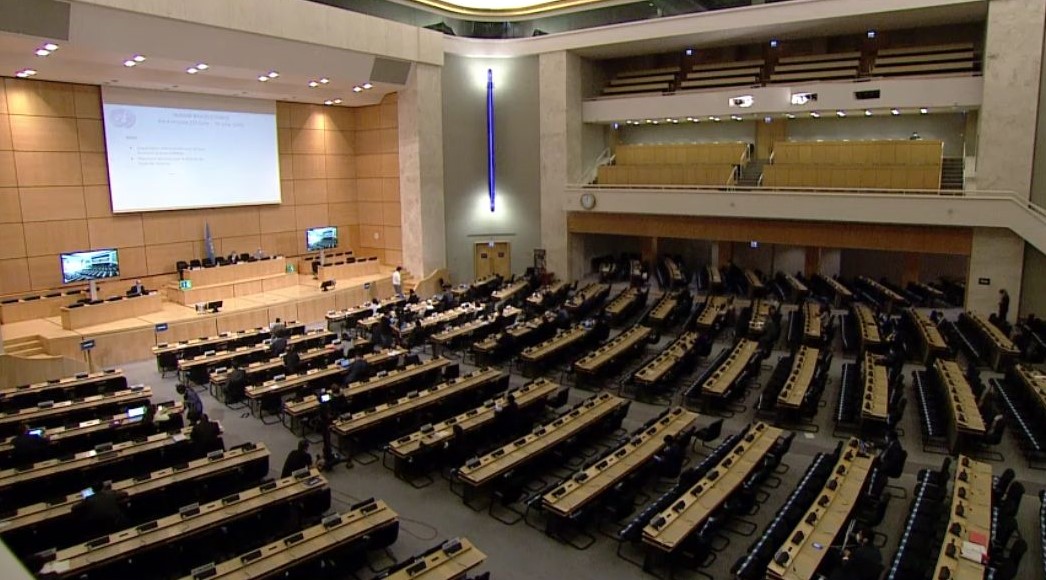
Today, the ICJ joined 83 other human rights organizations to call the United Nations Human Rights Council to renew and strengthen the mandate of the Independent International Fact-Finding Mission (FFM) on Venezuela in its upcoming session in September, and to ensure it has adequate resources to continue its critical work.
The ICJ considers that the lack of judicial independence in the country, recently addressed by the High Commissioner and documented by ICJ during several years, presents a major obstacle to victims seeking to access effective remedies and reparation for gross human rights violations in the country. There has also been near complete impunity for those responsible for such violations. The lack of effective accountability makes the work of the FFM indispensable
Last year at its 42nd session, UN Human Rights Council established the Independent International Fact-Finding Mission with a mandate to investigate extrajudicial executions, enforced disappearances, arbitrary detentions and torture and other cruel, inhuman or degrading treatment since 2014.
The Council expressed “grave concern at the alarming situation of human rights in the Bolivarian Republic of Venezuela, which includes patterns of violations directly and indirectly affecting all human rights (…) in the context of the ongoing political, economic, social and humanitarian crisis.”
The FFM’s first report is expected to be presented at the Council’s next session scheduled for 14 September to 6 October.
The NGO joint statement stressed that the report “will mark an important first step on the path to accountability in Venezuela through the documentation of the participation of those suspected of criminal responsibility. It is critical that the Human Rights Council respond meaningfully to the findings and recommendations in the report”.
The ICJ notes that the COVID-19 pandemic has engendered further stresses on the human rights situation. The United Nations Office for the Coordination of Humanitarian Affairs (OCHA) reported in July 2020 that an “assessment of water, hygiene and sanitation (WASH) conditions in 17 hospitals conducted by PAHO/WHO in 2019 found that 88.3 per cent of the assessed hospitals present a high risk that hygiene and sanitary conditions pose a health risk to patients and staff; the rest face a medium risk.”
The joint statement is available here.