Sep 14, 2015 | Advocacy, Non-legal submissions
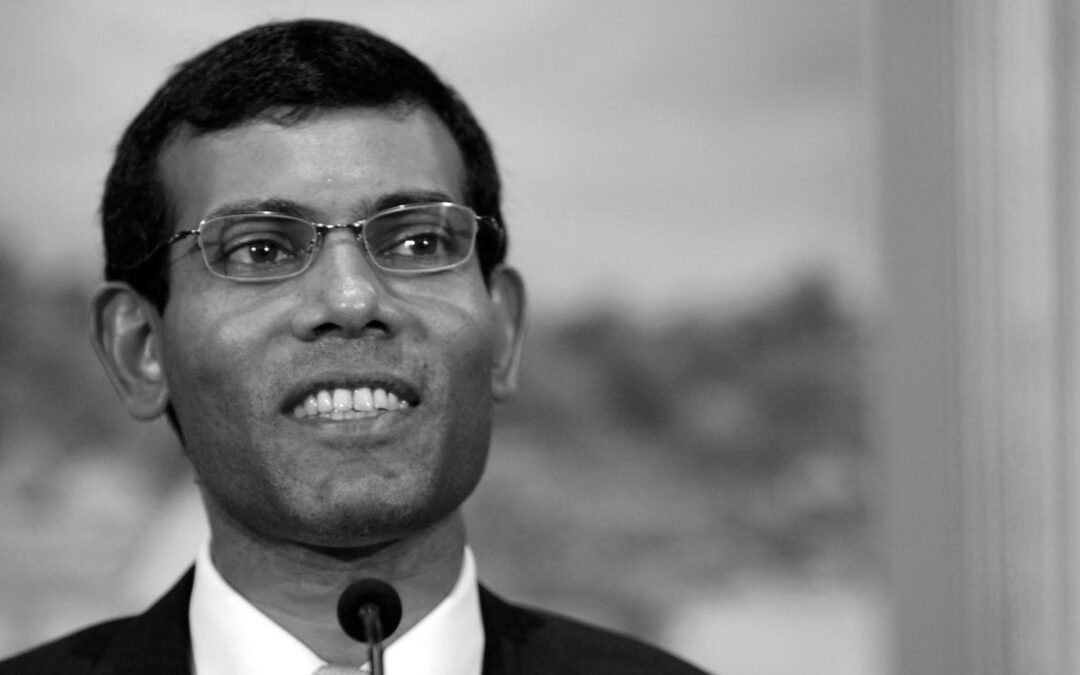
In advance of the UN Human Rights Council’s adoption of the outcome of its review of the Maldives’ human rights record as part of the Universal Periodic Review (UPR) process, the ICJ has submitted a written statement.
It highlights the Maldives’ failure to accept and implement a number of member states’ UPR recommendations.
In particular, the ICJ pointed out the urgent need for Maldives to accept and implement recommendations regarding the following issues, among others:
- Strengthening the independence and impartiality of the judiciary;
- Strengthening the independence and impartiality of the Judicial Service Commission;
- Strengthening the National Human Rights Commission, in accordance with the Paris Principles;
- Strengthening women’s representation in the judicial profession;
- Immediately releasing former president Mohamed Nasheed and other political prisoners, and ensuring the fairness of any further legal proceedings in such cases; and
- Safeguarding freedom of expression and media, association and peaceful assembly by investigating cases of human rights abuse and violations against journalists, civil society and human rights defenders, and taking effective measures to prevent further abuses
The Council will consider member states’ UPR recommendations for the Maldives during its 30th session on 24 September 2015, ahead of which the Maldives government will be expected to formally respond and indicate which of the recommendations it will commit to implement.

Sep 14, 2015 | Events
Judges, lawyers, prosecutors and human rights: 30 years of UN action
Side event, Tuesday 15 September 2015, 1600 – 1800
Room XXII, Palais des Nations, Geneva
Followed by a drinks reception hosted by the IBA’s Human Rights Institute
in Bar Serpent, Palais des Nations
The International Bar Association’s Human Rights Institute (IBAHRI) and the International Commission of Jurists (ICJ) are organising a side event at the Palais des Nations to mark the 30th Anniversary of the Basic Principles on the Independence of the Judiciary and the 25th Anniversary of the Basic Principles on the Role of Lawyers and Guidelines on the Role of Prosecutors. This side-event, taking place during the 30th session of the Human Rights Council, will look back on the progress that has been made in the protection of judges, lawyers and prosecutors over the past 30 years and the continuing challenges for implementation of the UN standards.
Side Event, 1600-1800
Opening remarks:
- Her Excellency Zsuzsanna Horváth Ambassador of Hungary
Speakers:
- Monica Pinto Special Rapporteur on the independence of judges and lawyers
- Anne Ramberg Secretary General, Swedish Bar Association
- Irene Petras Executive Director, Zimbabwe Lawyers for Human Rights
- Nazir Afzal Former Chief Crown Prosecutor, North West England
Drinks Reception, 1800
The IBA’s Human Rights Institute will host a drinks reception in Bar Serpent, Palais des Nations, with a number of high-level speakers to follow the side event to the 30th session of the Human Rights Council.
Speakers:
- Her Excellency Patricia O’Brien Ambassador of Ireland
- His Excellency Mothusi Bruce Rabasha Palai Ambassador of Botswana
- Monica Pinto Special Rapporteur on the independence of judges and lawyers
Side event co-sponsors include, in addition to the IBAHRI and ICJ:
Australian Permanent Mission to the UN, Permanent Mission of Hungary to the UN, Permanent Mission of Ireland to the UN, Permanent Mission of Mexico to the UN, Permanent Mission of Thailand to the UN, Permanent Mission of the Republic of Botswana to the UN, Council of Europe
Association pour la Prévention de la Torture, Avocats Sans Frontières, Colombian Commission of Jurists, Commonwealth Lawyers’ Association, Commonwealth Magistrates’ and Judges’ Association, International Legal Assistance Consortium, Judges for Judges, Lawyers for Lawyers
Attendance at this side event is open to individuals who have access to the UN grounds at Palais des Nations in Geneva.
Sep 14, 2015 | Events, News
This side event will be held on Wednesday 16 September 2015, 12h00 – 14h00, at the Palais des Nations, Conference Room XXI, in Geneva.
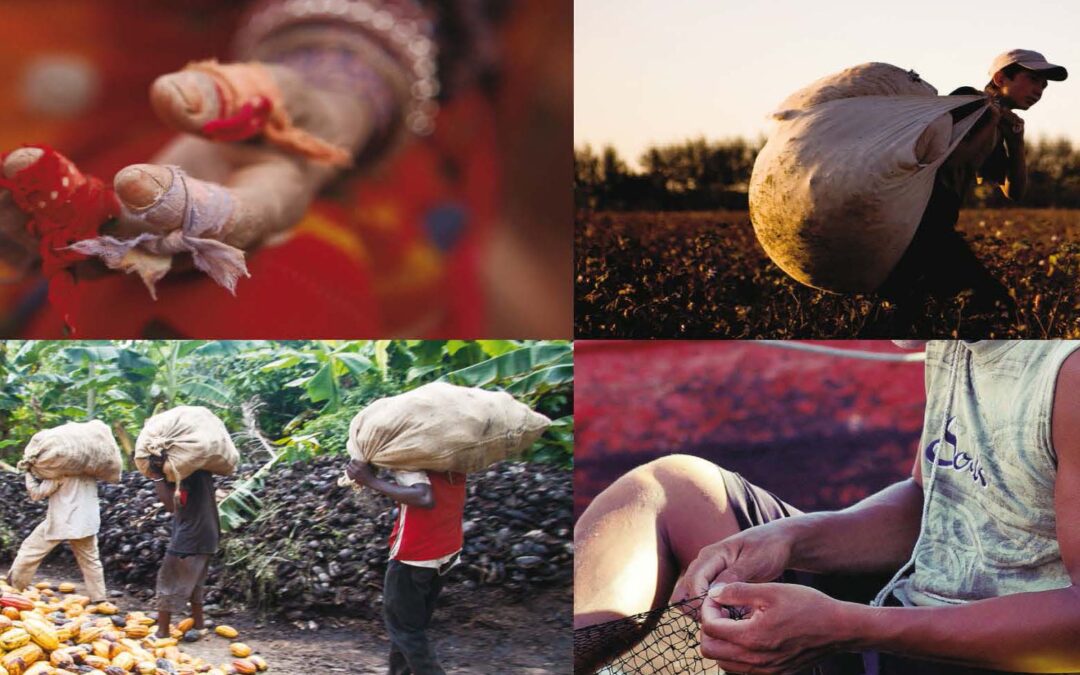
It will assess the most effective strategies and recommend concrete measures for States, businesses and other stakeholders to prevent and eradicate contemporary forms of slavery from supply chains and to provide assistance and redress to victims.
It will also identify key challenges and opportunities in addressing slavery and slavery-like practices in supply chains, including in terms of the legal standards, policy measures, institutional framework, and implementation.
The speakers will also discuss opportunities for contemporary forms of slavery eradication within the 2030 Agenda for Sustainable Development framework.
Universal-HRCEnding contemporary forms of slavery in supply chains-Event-Agenda-2015-ENG (full agenda, in PDF)

Jul 2, 2015 | News
The Human Rights Council today adopted a resolution on the independence of judges & lawyers, with several new provisions on gender balance in the judiciary, judicial accountability, children and court proceedings, and development of professional guidance on marginalized and other groups.The resolution builds on past resolutions of the Human Rights Council.
The full text of the resolution is here: HRC29-ResolutionJudgesLawyers-2015 Its official resolution number has not yet been assigned.
The main sponsors of the resolution were Australia, Botswana, Hungary, Maldives, Mexico, Thailand. The resolution was adopted by consensus (without a vote).
A resolution on this topic will next be presented in 2017.
Jul 1, 2015 | Advocacy
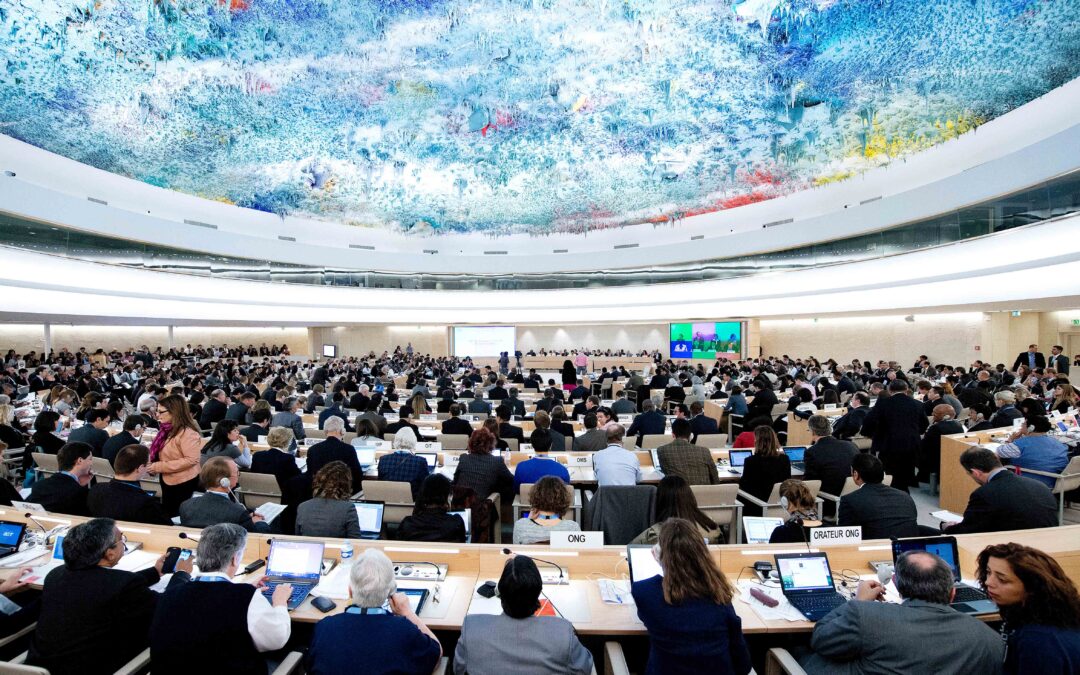
Joint statement by the ICJ and Amnesty International after a group of States, led by Egypt, proposed a resolution on “protection of the family” at the ongoing 29th regular session of the UN Human Rights Council.
Bangladesh, Belarus, China, Cote d’Ivoire, Egypt, El Salvador, Mauritania, Morocco, Qatar, the Russian Federation, Saudi Arabia and Tunisia have submitted a seemingly innocuous draft resolution (A/HRC/29/L.25) that, in fact, underhandedly seeks to divert the Council from its institutional mandate focused on the effective promotion and protection of the human rights of the individuals towards protecting the purported rights of a social institution, namely, “the family”.
The full statement can be downloaded here: Universal-ICJ+AI statement on protection of the family-Advocacy-2015-ENG (in PDF)