Dec 18, 2018 | Multimedia items, News, Video clips
Lawyers from a diverse range of countries, including Egypt, Lebanon, Nepal, the Philippines, Tunisia and Uzbekistan have identified the many barriers that women typically face in accessing justice in their countries.
Common trends and practices identified included socio-economic marginalization, gender stereotypes and patriarchal attitudes.
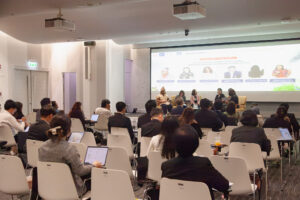
The observations came during two training workshops held in Geneva in June and September to coincide with sessions of the UN Human Right Council and UN Committee on the Elimination of Discrimination against Women. The workshops were part of a project on enhancing women’s access to justice through UN human rights mechanisms, supported by the Permanent Mission of the Federal Republic of Germany to the UN in Geneva.
A lawyer from Uzbekistan noted that domestic violence flourishes in states where common attitudes hold that this is an internal matter to be resolved within families.
A particular concern raised in respect of Lebanon was discrimination linked to transference of nationality, where Lebanese women married to a foreigner cannot pass their nationality to their children but Lebanese men married to a foreigner can.
Meera Maharjan, lawyer from Nepal, noted the cultural, educational and economic barriers that impede women from being able to take on decision-making roles and the impact this has on the exercise of their rights.
Malaysian lawyer Yvonne Lim explained that the women who are often in need of access to justice tend to be from the lower rungs of the socio-economic strata and lack the resources, support and basic awareness about their human rights and the remedies that may be available to them.
During the September training session the ICJ organized a side event to the 39th session of the Human Rights Council on ‘applying a women-centred approach to access to justice’ to further explore these issues.
Secretary-General Saman Zia-Zarifi moderated the event and panelists included:
• ICJ Commissioner Justice Sanji Monageng, former Vice-President of the International Criminal Court
• Lisa Gormley, Research Officer for the Centre for Women, Peace and Security at the London School of Economics
• Meera Maharjan, Nepalese lawyer and legal officer for Resilience for Sustainable Women Empowerment (RISE)
You can watch a recording of the event, and interviews with two of the workshop participants below.
https://www.facebook.com/ridhglobal/videos/565112000574216/UzpfSTQ3MTQ2NzA4NjIyMTM3MzoyMjEyNTUzNjc1NDQ2MDMw/
Dec 16, 2018 | Agendas, Events
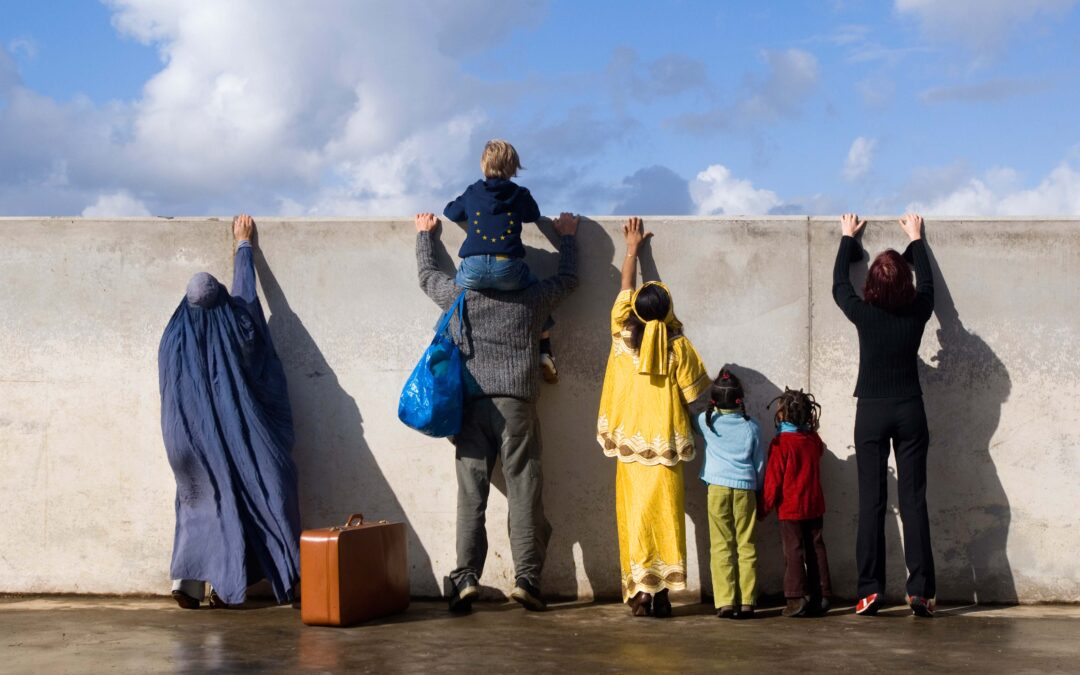
Today begins in Ankara (Turkey) a two-day international workshop for lawyers and CSO practitioners representing and working with migrants, refugees and asylum-seekers.
This event is organized by ICJ, in cooperation with its partners Refugee Rights Turkey, the European Council on Refugees and Exiles (ECRE), Mülteci-Der (MD) and ICJ-EI, as part of the EU co-financed project Fostering Access to Rights for Migrants, Refugees and Asylum-Seekers in Turkey.
Lawyers and civil society practitioners – representing numerous bar associations and relevant organisations from the Istanbul area and other nearby key migration and asylum locations – are taking part in the workshop that takes place on 16-17 December.
The international conference on “Legal avenues and the role of lawyers in protecting migrant and refugee rights” includes a section on strategic litigation on asylum and migration law and European experiences.
In the second part of the conference, a final workshop is held on 17 December to discuss efforts to support expertise and effectiveness of Turkish lawyers on asylum and immigration law. This workshop will bring together key stakeholders and interlocutors to strategize about the remaining gaps and needs and the next steps in this field.
During this workshop, the organisers will present their project and its results.
The project “Fostering Access to Rights for Migrants, Refugees and Asylum-Seekers in Turkey” is funded by the European Instrument for Democracy and Human Rights (EIDHR) of the European Union.
Turkey-Workshop-Agenda-MigrationAsylumIHRL-Ankara2-2018-eng (download the agenda in English)
Turkey-Workshop-Agenda-MigrationAsylumIHRL-Ankara2-2018-tur (download the agenda in Turkish)
Dec 15, 2018 | News
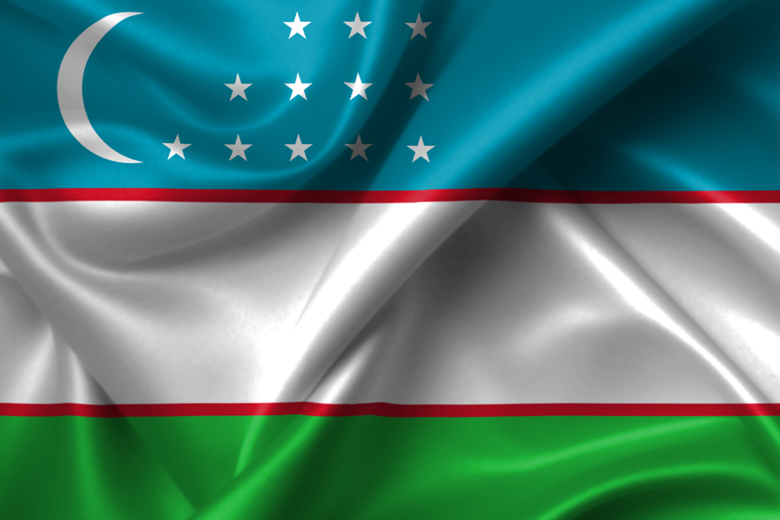
From 10 to 14 December, the International Commission of Jurists (ICJ) conducted a research mission to Uzbekistan to identify some of the main obstacles impeding access to justice for economic, social and cultural (ESC) rights.
ICJ experts met with key stakeholders, including relevant State bodies, CSOs, independent experts and other actors to discuss legal and practical aspects of access to justice for ESC rights.
Adopting a legal aid system for cases related to ESC rights, public accessibility of court judgements including on ESC rights and its effect on enjoyment of ESC rights, relevant reforms which concern vulnerable groups were discussed among other things with the stakeholders.
The findings will be part of the report on access to justice for ESC rights in Uzbekistan.
The mission included Jarna Petma, ICJ Commissioner as well as a number of staff members of the ICJ Europe and Central Asia Programme.
The ICJ appreciates the facilitation of the Government of Uzbekistan and of the European Union Delegation, for essential support in organisation of the mission.
Dec 15, 2018 | Agendas, Events
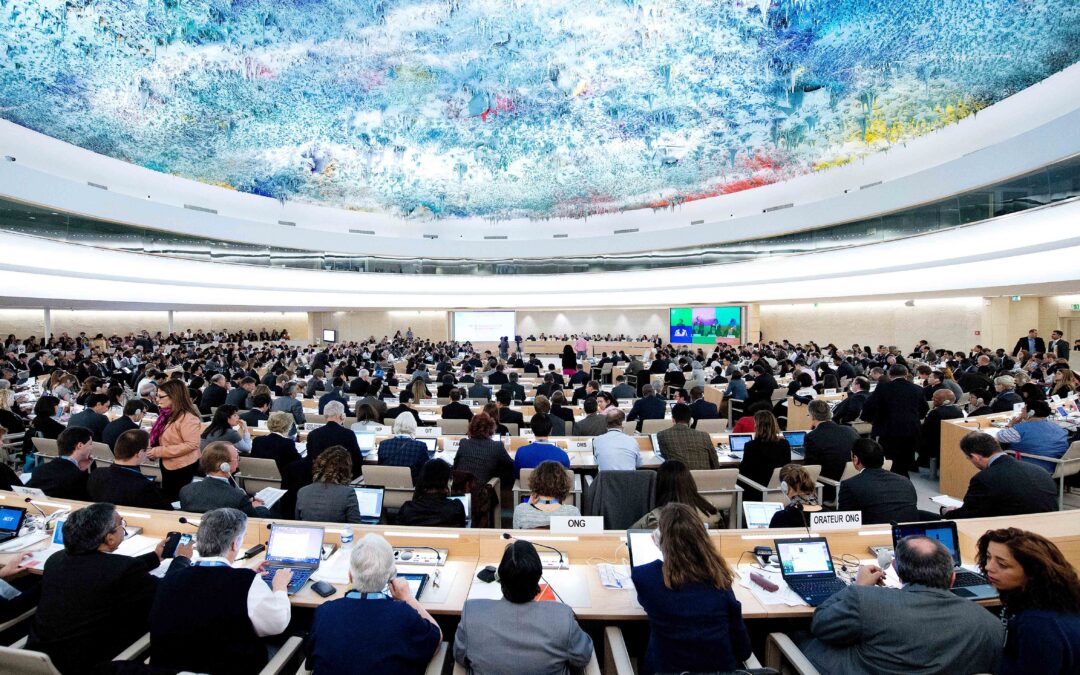
Today begins in Ankara (Turkey) a one-day workshop for lawyers and CSO practitioners on the use and strategies of UPR mechanisms.
This event is organized by ICJ, in cooperation with its partners Kapasite Geliştirme Derneği and Human Rights Joint Platform, as part a/the EU co-financed project Rebuilding and Ensuring Access to justice with civil society in Turkey.
20 lawyers and civil society practitioners are taking part in the workshop on 15 December in Ankara.
The workshop aims at discussing the functioning of the Universal Periodic Review of the UN Human Rights Council in which all States undergo periodically a peer-review of their human rights situation by other States. Turkey is set for its third cycle of examination in 2019
The main thematic areas to be discussed will be access to justice in Turkey, the situation of the judiciary and the rule of law, and the protection of womens’ rights.
The project is funded by the European Instrument for Democracy and Human Rights (EIDHR) of the European Union.
Turkey-Training-Agenda-UPR-Ankara-2018-tur (download the agenda in Turkish)
Turkey-Training-Agenda-UPR-Ankara-2018-eng (download the agenda in English)
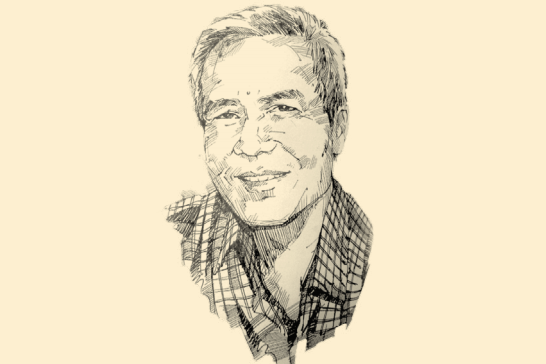
Dec 14, 2018 | News
Today, on the sixth anniversary of the disappearance of Lao civil society leader Sombath Somphone, the ICJ joined 106 organizations and 37 individuals in a joint statement calling for an independent, impartial and effective investigation to reveal his fate and whereabouts.
The statement read as follows:
14 December 2018: On the eve of the sixth anniversary of the enforced disappearance of Lao civil society leader Sombath Somphone, we, the undersigned organizations, reiterate our calls for the Lao government to conduct an independent, impartial and effective investigation to reveal his fate and whereabouts.
Sombath was last seen at a police checkpoint on a busy street of the Lao capital, Vientiane, on the evening of 15 December 2012.
Footage from a CCTV camera showed that Sombath’s vehicle was stopped at the police checkpoint and, within minutes, individuals forced him into another vehicle and drove him away in the presence of police officers. CCTV footage also showed an unknown individual driving Sombath’s vehicle away from the city center.
The fact that police officers were present at and witnessed Sombath’s abduction and failed to intervene strongly indicates state agents’ involvement in, or acquiescence to, human rights violations committed against Sombath, which include the crime of enforced disappearance.
Later that evening, witnesses reportedly saw Sombath at a police holding facility in Vientiane yet to date officials have provided no information about what he was doing there and subsequently what happened to him.
For the last six years, the Lao government has failed to provide any credible answers with regard to the disappearance of Sombath Somphone.
In its most recent pronouncements, made during the review of Laos’ initial report by the Human Rights Committee (CCPR) in July 2018, the Lao government said it had been “trying very hard” to investigate Sombath’s fate and whereabouts.
However, this statement has been contradicted by the government’s refusal to accept international assistance in conducting the investigation and to provide any details about the progress of its investigation.
Lao authorities have failed to disclose any new findings from their investigation of Sombath’s case to the public since 8 June 2013 and have met with his wife, Shui Meng Ng, only twice since January 2013.
Despite the government’s recent claim that police had the “capacity and techniques” to reveal Sombath’s fate and whereabouts, we remain extremely concerned by the lack of progress in the investigation by Lao authorities into his case and reiterate our call for Vientiane to allow international assistance towards conducting an independent, impartial and thorough investigation according to international law and standards.
The Lao authorities have international legal obligations to conduct such investigations and to bring persons responsible for serious violations to justice under treaties to which they are party, including the International Covenant on Civil and Political Rights and the Convention against Torture.
We also urge the Lao government to ratify the International Convention for the Protection of All Persons from Enforced Disappearance, which Laos signed in September 2008, to incorporate the Convention’s provisions into the country’s domestic legislation, and implement it in practice.
Until Sombath Somphone’s fate and whereabouts are revealed, we will not stop demanding that Sombath be safely returned to his family and we will continue to ask the Lao government: “Where is Sombath?”
Laos-SombathSomphoneDisappearance-Advocacy-JointStatement-ENG-2018 (full statement, including list of signatories, PDF in English)