Nov 26, 2019 | News
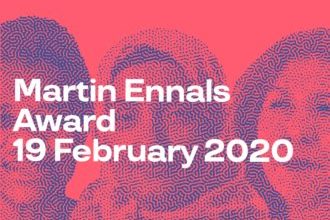
Three exceptional women – Huda Al-Sarari, Norma Ledezma and Sizani Ngubane – are the finalists for the 2020 Martin Ennals Award, a demonstration of the leading position now occupied by women in the defence of human rights. The ICJ is member of the MEA Jury.
In Yemen, Huda Al-Sarari has exposed and challenged the existence of secret prisons and many cases of torture.
In Mexico, Norma Ledezma is fighting against femicides and disappearances.
In South Africa, Sizani Ngubane is fighting for access for women to education and to land.
Three women nominated: a first
Each year, the Martin Ennals Award rewards human rights defenders from around the world who distinguish themselves by their strong commitment to promoting human rights – often at the risk of their own lives.
In 2020, for the first time the Jury nominated three women who defend the fundamental rights of their communities in sensitive contexts.
“The Martin Ennals Foundation is proud to recognize the courageous work of three women. For the 2020 edition, our Jury’s choice reflects the ever-greater global impetus of individuals – whatever their gender – who are committed to respect for human rights and women’s rights in particular,” said Isabel de Sola, Director of the Martin Ennals Foundation.
“The finalists for the 2020 Martin Ennals Award work on different continents, but all three have in common their resilience, determination, a tremendous rigour and, finally, the positive and concrete impact of their work,” added Hans Thoolen, Chairman of the Jury.
In Yemen, where the conflict has been ongoing since 2005, Huda Al-Sarari, a Yemeni lawyer, unveiled the existence of several secret detention centres where the worst violations of human rights were committed: torture, disappearances or even extrajudicial executions.
In South Africa, women face discrimination, the worst expression of which is widespread gender violence. In rural communities, they frequently have their land expropriated and are deprived of access to education and justice. Sizani Ngubane founded an organization of more than 50,000 women from rural areas in her country and has fought successfully for over 40 years for the recognition of their rights.
In Mexico, the civil population is paying a high price for the weakness of the rule of law which is underpins widespread violence and impunity. Women are the primary victims, with more than 3,500 femicides committed each year. Norma Ledezma, who is the mother of one of the victims, puts all her energy into supporting families seeking access to justice in the state of Chihuahua.
The finalists were selected by a jury made up of representatives of ten of the world’s leading human rights organizations: the ICJ, Amnesty International, Human Rights Watch, Human Rights First, International Federation for Human Rights, World Organisation Against Torture, Front Line Defenders, EWDE Germany, International Service for Human Rights and HURIDOCS.
The 2020 Martin Ennals Award will be given to one of the three finalists on 19 February 2020 at a livestreamed public ceremony. The event is hosted by the City of Geneva which, as part of its commitment to human rights, is a longstanding supporter of the Award.
Contact
Olivier van Bogaert, Director Media & Communications, ICJ representative in the MEA Jury, t: +41 22 979 38 08 ; e: olivier.vanbogaert(a)icj.org
Chloé Bitton, Communications Manager, Martin Ennals Foundation, t +41 22 809 49 25 e: cbitton(a)martinennalsaward.org
Universal-MEA2020bios-News-2019-ENG (full bios of finalists, in PDF)
Universal-MEA2020bios-News-2019-ARA (full story and bios of finalists in Arabic, PDF)
May 29, 2019 | Communiqués de presse, Nouvelles
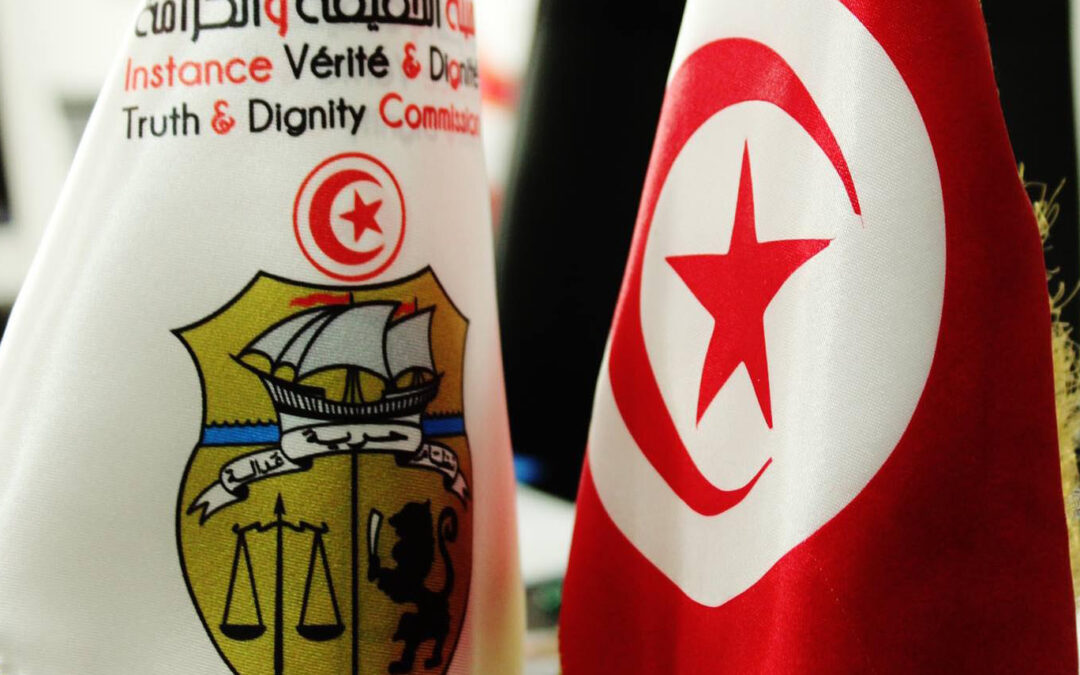
Un an après le début des travaux des chambres criminelles spécialisées en justice transitionnelle en Tunisie, les organisations de la Coalition pour la justice transitionnelle, dont la CIJ, déplorent aujourd’hui les nombreuses difficultés et contraintes subies par ces chambres, entravant ainsi leur fonctionnement normal et menaçant l’issue des affaires qu’elles traitent.
Les travaux des chambres criminelles spécialisées en justice transitionnelle ont démarré avec l’examen du dossier de M. Kamel Matmati le 29 Mai 2018 au Tribunal de 1ère Instance de Gabès.
Les organisations de la Coalition pour la justice transitionnelle organisent une série d’activités en commémoration de cette importante date dans l’histoire de la Tunisie tant elle est cruciale pour la révélation de la vérité, de la mémoire et de la lutte contre l’impunité.
Elles appellent ainsi les autorités tunisiennes à s’engager pour le suivi et l’application du processus de justice transitionnelle, le renforcement des chambres spécialisées et à leur protection institutionnelle.
Le communiqué a été signé par la CIJ avec d’autres organisations membres de la Coalition pour la justice transitionnelle.
Il peut être téléchargé ici:
Tunisia-CP Chambres Spécialisées-News-Press releases-2019-FRE (version française, PDF)
Tunisia-CP Chambres Spécialisées-News-Press releases-2019-ARA (version arabe, PDF)
Apr 25, 2019 | News
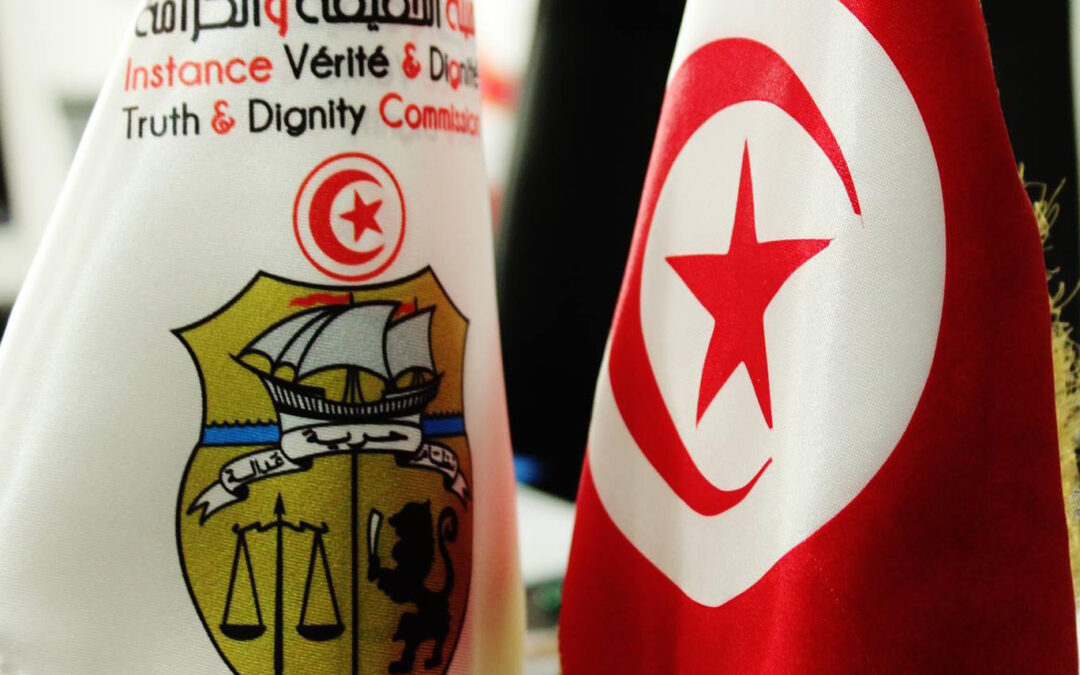
The statement alerts the public of the danger of a bill which dismantles the specialized criminal chambers in Tunisia and replaces them with an institution which would guarantee impunity for those who committed gross violations of human rights in Tunisia between 1955 and 2013.
The statement has been signed by the ICJ as well as other members of the Coalition for Transitional Justice
The statement can be downloaded here:
Link to French Version
Link to Arabic Version
Apr 25, 2019 | Nouvelles
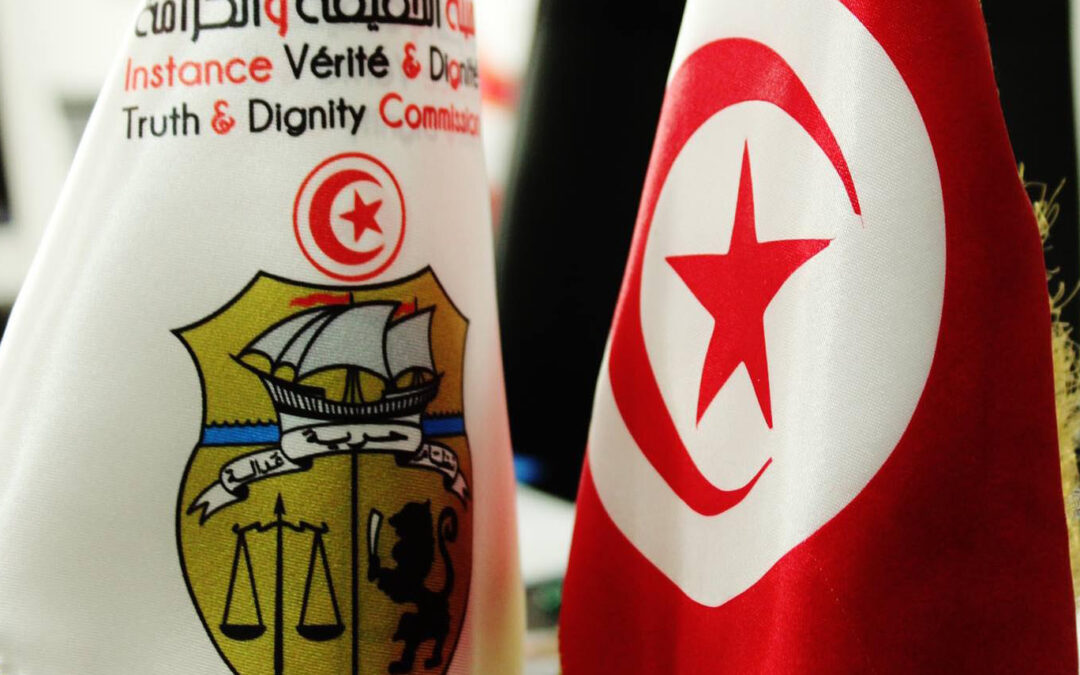
Le communiqué alerte l’opinion publique sur le danger d’une proposition de loi visant à démanteler les chambres criminelles spécialisées en Tunisie et à les remplacer par une institution qui garantirait l’impunité pour les personnes ayant commis des violations flagrantes des droits humains en Tunisie entre 1955 et 2013.
Le communiqué a été signé par la Commission Internationale de Juristes avec d’autres organisations membres de la Coalition pour la justice transitionnelle.
Le manifeste peut être téléchargé ici:
Version française
Version arabe
Feb 13, 2019 | Advocacy, Non-legal submissions
The ICJ has opened a call for written submissions on the misuse of criminal law in the areas of sexuality, reproduction, drug use and HIV.
In 2016 the UN Secretary General called for the removal of punitive laws, policies and practices that violate human rights, stating that the misuse of criminal law often negatively impacts on health and human rights, particularly in areas of sexuality, reproduction, sex work, drug use and HIV.
Recognizing a need for greater guidance to achieve such law reform, ICJ is seeking inputs for the development of principles to address the detrimental impact on health, equality and human rights of criminalization with a focus on sexuality, reproduction, drug use and HIV.
This is an important opportunity for civil society, academics, law makers, human rights experts, community groups and persons affected by the relevant criminal laws, to provide input, including on the effect of such criminal laws, when and how criminal law should be used, what reforms are needed and what role criminal law should play in the relevant areas.
A background paper providing further information is annexed to the call for written submissions.
The deadline for submissions is the 31st of March 2019.
These submissions will feed into the development of a set of principles to address the detrimental impact on health, equality and human rights of criminalization with a focus on select conduct in the areas of sexuality, reproduction, drug use and HIV.
Please send your submissions, as well as any questions or clarifications, to decrimconsultation@icj.org
CallforSubmission-DecriminalizationProject-ICJ-2019-2-eng (download the call in English)
CallforSubmission-DecriminalizationProject-ICJ-2019-2-fra (download the call in French)
CallforSubmission-DecriminalizationProject-ICJ-2019-2-esp (download the call in Spanish)
CallforSubmission-DecriminalizationProject-ICJ-2019-2-rus (download the call in Russian)