Nov 7, 2017 | Advocacy, News
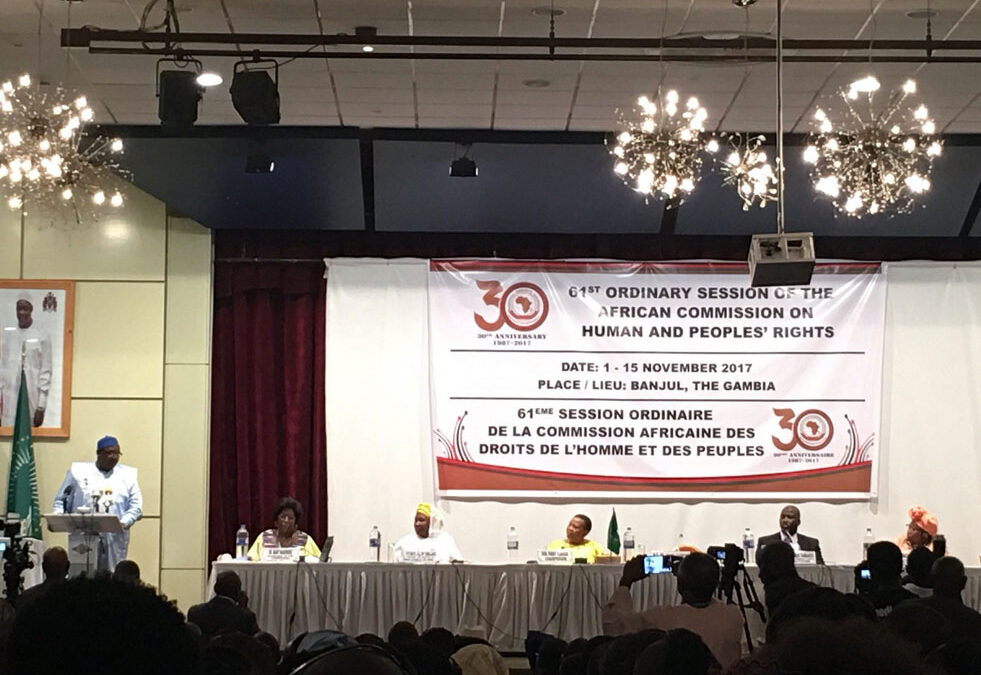
The ICJ today called for the African Commission on Human and Peoples’ Rights (“African Commission”) to establish a special mechanism for the protection and promotion of the independence of judges and lawyers in Africa.
The ICJ made the call in a statement during the public session of the 61st Ordinary Session of the African Commission in Banjul.
The call comes amidst growing threats to the independence of justice in Africa.
In African Union (AU) Member states across the continent, judicial officers and legal practitioners have been targeted for violence and intimidation, or unjustified interference or sanctions.
Recent cases include Burundi, Botswana, Egypt, Lesotho, Libya, Kenya, Swaziland, Zambia, the DRC, Cameroon and Zimbabwe.
The frequency and seriousness of such incidents prompted the ICJ working with the Africa Judges and Jurists Forum to convene a round table meeting in Harare in 2016 to discuss practical steps that could be adopted to minimize the plight of jurists in distress.
The Harare meeting identified the need for a special mechanism for the protection and promotion of judicial independence in Africa, similar to the existing United Nations’ Special Rapporteur on the Independence of Judges and Lawyers.
“It is chilling when a judge is shot in Lubumbashi in the DRC, or a deputy chief justice’s security personnel and driver is shot in Nairobi, Kenya ahead of an important case, or the offices of the Law Association are besieged by militias in Lusaka, Zambia. These are real cases,” said Arnold Tsunga ICJ’s Africa Regional Director.
“An independent, impartial, competent and accountable judiciary and independent and free legal profession are pre-requisites for effective protection of human rights and entrenchment of the rule of law in Africa,” he added.
The ICJ noted that the African Commission have already set out an excellent framework of standards to guarantee independence of the judiciary and access to justice in Africa in the 2003 Principles and Guidelines on the Right to a Fair Trial and Legal Assistance in Africa.
What is needed now is to put in place machinery for their implementation.
The Commission must now to take steps towards establishing a special mechanism for the protection and promotion of judicial independence, including the appointment of a Special Rapporteur on the Independence of Judges and Lawyers, and establishing a Working Group on the Independence of Judges and Lawyers.
Contact
Arnold Tsunga, Director of ICJ’s Africa Regional Programme, t: +27716405926, e: arnold.tsunga(a)icj.org
Banjul- Independence Judges and Lawyers-Advocacy-2017-ENG (Statement in English, pdf)
Jul 18, 2017 | Advocacy, Analysis briefs, News
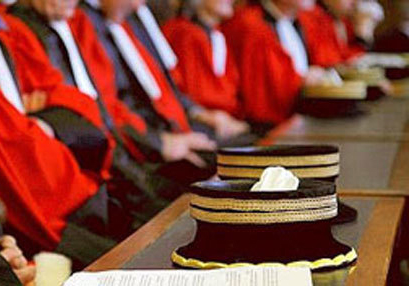
The ICJ today called on the Tunisian authorities to adopt and apply procedures for the Specialized Criminal Chambers (SCC) that are clear and comply with international human rights law and standards.
The statement came following a high-level mission to Tunisia from 12 to 15 July 2017 in which the ICJ engaged with senior judicial officials, including the President of the Cassation Court, members of the High Judicial Council, SCC judges, and other stakeholders.
An ICJ analysis, Procedures of the Specialized Criminal Chambers in light of international standards, was published at the end of the mission.
“While the Specialized Criminal Chambers have the potential to contribute to addressing impunity and deliver justice for victims in Tunisia, ambiguity about the procedures to be followed by these Chambers risks undermining their effectiveness,” warned Said Benarbia, Director of the ICJ Middle East and North Africa Programme.
As detailed in the ICJ analysis, the lack of clarity comes in part from the 2013 transitional justice Law, which is seen by many stakeholders as setting up a special regime, separate from the existing criminal justice system.
There is fear that the SCC may decide not to apply the existing ordinary criminal procedures, while at the same time no detailed procedures specific to the SCC have yet been adopted.
The creation of such a gap would risk serious breaches of international standards of fairness and justice.
For example, the 2013 Law seems to give the Truth and Dignity Commission (Instance Vérité et Dignité, IVD) exclusive power to refer cases to the SCC.
However, no procedures specific to the SCC implement the rights of an accused to examine witnesses interviewed by the IVD or to access all documents and evidence collected by the IVD in order to prepare his or her defence, as required by international standards and the ordinary code of criminal procedure.
The 2013 Law also fails to clarify the role of prosecutors and investigating judges in addressing such cases, including by making their own determination in relation to charges, standard of proof, and whether these cases should be brought before the SCC.
“Clarifying the procedures to be applied by the Specialized Criminal Chambers and ensuring their full compliance with international standards, including those relating to fair trial, are a prerequisite to fully establish the truth about human rights violations, hold those responsible to account, and ensure that the proceedings are fair to the victims and accused,” added Benarbia.
The ICJ set out a list of recommendations with a view to assisting the Tunisian authorities in their efforts in achieving these objectives, including by:
- Amending article 42 of the 2013 Law and related provisions to clearly provide victims of gross human rights violations with direct access to the SCC, including when victims did not submit a file to the IVD;
- Amending provisions of the IVD Guides to ensure that the review process and the possibility to challenge IVD’s decisions will apply to decisions not to transfer a case to the SCC and that such review be based on objective criteria for considering gross human rights violations in line with international standards;
- Establishing specialized prosecution services, investigating judges, and judicial police in line with international standards and with adequate resources to work in coordination with the SCC;
- Clarifying the relationship between the SCC and other ordinary criminal chambers and civil and other courts;
- Amending the legal framework to clearly provide that cases investigated by the IVD are to be transferred to specialized prosecutors who are to carry out their functions as defined in the CCP and in line with international standards;
- Ensuring that the IVD’s investigative function complements the role of the specialized judicial institutions in charge of the investigation and prosecution; and
- Amending the CCP and ensuring that any related provision of any other procedures adopted for the SCC fully respect fair trial guarantees.
Contact
Theo Boutruche, Legal Adviser of the ICJ Middle East and North Africa Programme, tel: +33 642837354, e-mail: theo.boutruche(a)icj.org
Tunisia-Memo on SCC Procedures-Advocacy-Analysis Brief-2017-ENG (full memo in English, PDF)
Tunisia-SCC procedures memo-News-2017-ARA (full story in Arabic, PDF)
Tunisia-Memo on SCC Procedures-Advocacy-Analysis Brief-2017-ARA (full memo in Arabic, PDF)
Nov 25, 2016 | Advocacy
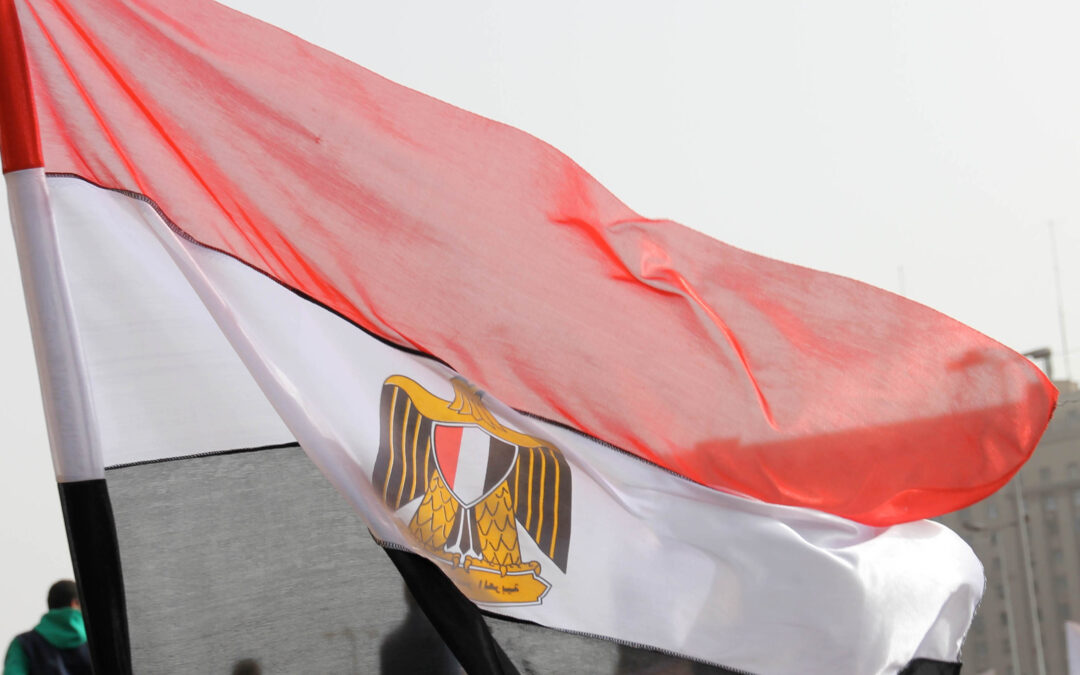
The ICJ today joined a group of 60 organizations condemning a new law that would further repress civil society organizations and human rights advocacy in the country, and calling on the Government to stop efforts to silence civil society.The NGO statement follows urgent warnings from the UN Special Rapporteurs on Freedom of Association, on Freedom of Expression, and on Human Rights Defenders that, if implemented, the law would “devastate” civil society in the country.
The full NGO statement can be downloaded in PDF format here: egypt-ngolaw-openletter-2016
Sep 26, 2016 | Advocacy, Non-legal submissions
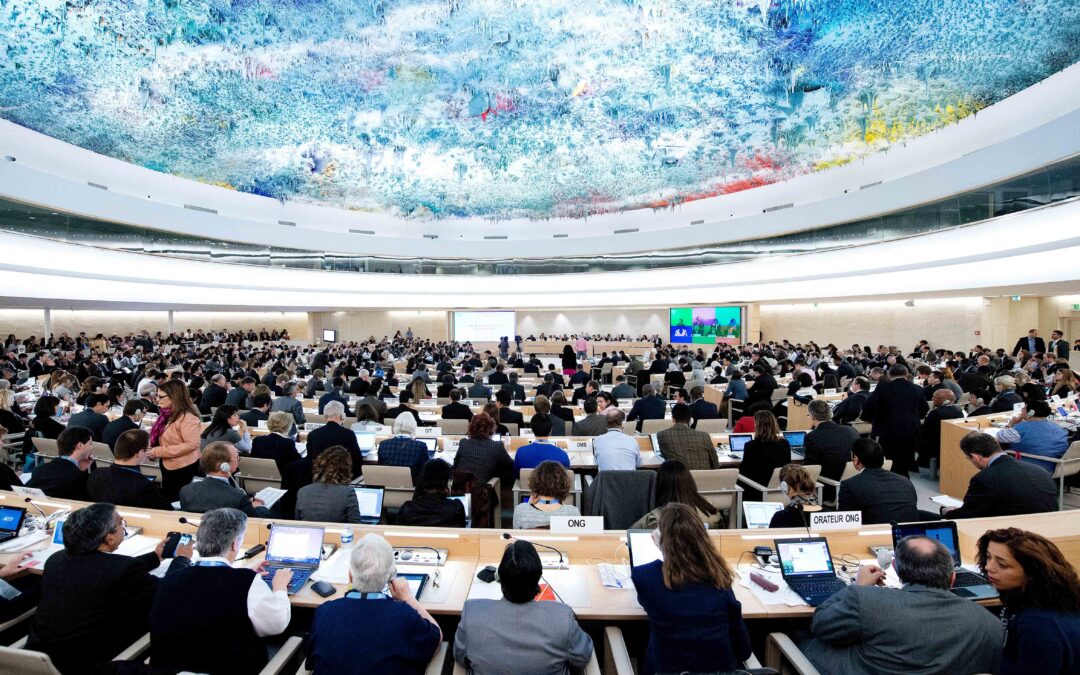
The ICJ today at the UN Human Rights Council, joined other organisations to condemn the increasing attacks aimed at deterring NGOs from exposing human rights violations.
The statement was delivered by the leading international NGO the International Service for Human Rights (ISHR), on behalf of ICJ, Amnesty International, Asian Forum for Human Rights and Development (FORUM-ASIA), Centros de Estudios Legales y Sociales (CELS), Conectas Direitos Humanos, East and Horn of Africa Human Rights Defenders Programme (EHAHRDP), and Gulf Centre for Human Rights (GCHR), during a general debate on Follow up to the Vienna Declaration and Programme of Action (VDPA).
The organisations stated as follows:
“The failure of States to protect in these instanes is incompatible with the VDPA’s recognition of the ‘important role of non-governmental organisations in the promotion of all human rights’, that NGOs should be able to play this role ‘without interference’, and that they ‘enjoy the rights and freedoms recognised in the Universal Declaration of Human Rights’.
One example of such interference is the ruling on 17 September by a Cairo Criminal Court to freeze the personal bank accounts of five Egyptian human rights defenders – Bahey el din Hassan, Hossam Bahgat, Gamal Eid, Mostafa El-Hassan, and Abdel Hafiz Tayel – as part of the ongoing investigations into case no.173, also known as the foreign funding case.
The court also froze the bank accounts of three human rights NGOs: the Cairo Institute for Human Rights Studies, Hisham Mubarak Law Center, and Center for the Right to Education.
As a result, a judicial committee is now expected to manage the funds of these independent NGOs and defenders, as well as have full access to their records and databases of the NGOs, including files related to victims of human rights violations.
The VDPA makes clear that the ‘administration of justice, … especially, an independent judiciary and legal profession in full conformity with applicable standards contained in international human rights instruments, are essential to the full and non-discriminatory realization of human rights’.
To illustrate: In Egypt, the judiciary has been used as a tool in the ongoing crackdown on civil society, systematically failing to respect fair procedures. None of the individuals or organizations accused have thus far been permitted to view their entire case file, nor to present their defense before the investigative judges. Further, the court relied for its verdict on allegedly falsified investigations compiled by Egypt’s National Security Agency (NSA), and disregarded all material evidence presented by the defendants.
Such systematic attacks on civil society are not only illegal, but ill-advised and absolutely inimical to a State’s national interests, peace and prosperity.
We call on Egyptian authorities to immediately and unconditionally reverse the ruling and drop the investigation into case no. 173. We also stress that Egyptian human rights defenders need the support of this Council, particularly those States that have repeatedly expressed their commitment to protecting HRDs. We urge States to demonstrate their genuine leadership in this regard.”

Mar 10, 2016 | Advocacy, Non-legal submissions
The ICJ today delivered an oral statement on counter-terrorism legislation in these countries, in an interactive dialogue at the UN Human Rights Council with the the Special Rapporteur on the promotion and protection of human rights and fundamental freedoms while countering terrorism.
The text of the statement follows:
COUNTER-TERRORISM LEGISLATION IN EGYPT, TUNISIA AND PAKISTAN
10 March 2016
Mr President,
The International Commission of Jurists (ICJ) welcomes the attention given by Special Rapporteur Ben Emmerson, to defective counter-terrorism legislation that facilitates violations of human rights, as reflected for example by communications on Egypt, Tunisia and Pakistan in the Communications Report of Special Procedures (A/HRC/31/79).
Numerous counter terrorism laws promulgated or applied in these and other countries include overly broad or imprecise definitions of terrorism-related offences. These extend the laws’ reach beyond acts of a truly terrorist character. Such laws can be and are abused or misapplied to criminalize the legitimate and peaceful exercise of fundamental rights and freedoms.
Further, these laws provide sweeping immunities that contribute to pervasive impunity for unlawful killings by security forces.
These laws also facilitate violations of the right to liberty and fair trial rights and insufficiently safeguard against abuses in detention. In Tunisia a person can be held in police custody without being brought before a judge for up to 15 days. In Pakistan, suspects can be held in preventive detention without charge, and without being brought before a judge, for up to 90 days.
Egypt and Pakistan continue to use military courts to conduct unfair trials of civilians in terrorism cases, contrary to international standards. At least eight civilians sentenced to death in secretive trials by military courts in Pakistan have been hanged since January 2015. “Expedited” procedures in terrorism circuit courts in the Egyptian civilian system also give rise to fair trial concerns.
The ICJ invites the Special Rapporteur to comment on measures or mechanisms that states, inter-governmental organisations, and civil society can take to help ensure that states such as Tunisia, Egypt and Pakistan repeal or amend counter-terrorism legislation to bring it into line with their international human rights obligations and commitments.
Sep 21, 2015 | Advocacy, Non-legal submissions
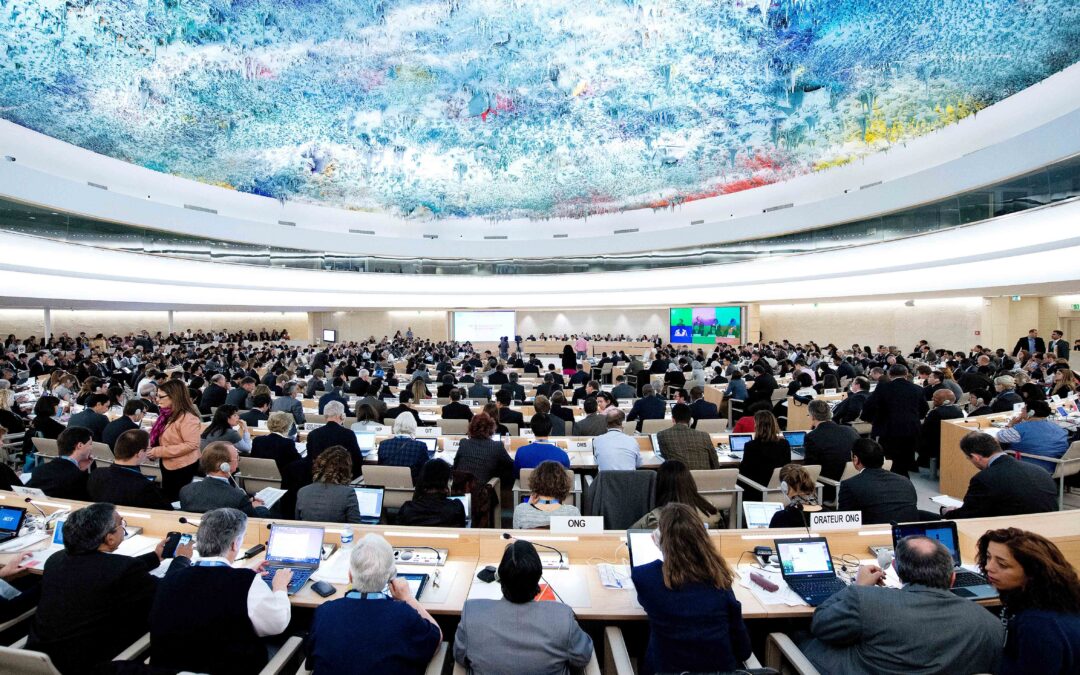
The ICJ today delivered an oral statement at the UN Human Rights Council during the Interactive Dialogue with the Commission of Inquiry on the Syrian Arab Republic concerning accountability and other measures to address the Syrian conflict.
In the statement the ICJ called upon the UN Human Rights Council and the Security Council to respond to the findings of the 10th report of the Syria Commission of Inquiry, including with a view to ensuring accountability for the serious violations of international law.
The ICJ also called upon all states to comply with their obligations under international law vis-à-vis the Syrian conflict, including by searching for all those responsible for international crimes committed in this conflict and bringing them before their own courts, and by protecting the rights of Syrian refugees and abiding by the principle of non-refoulement.
The full statement may be downloaded in PDF format, here: Syria-UN-HRC30-OralStatement-Advocay-non legal submission-2015-ENG