Jun 27, 2014 | Advocacy, Non-legal submissions
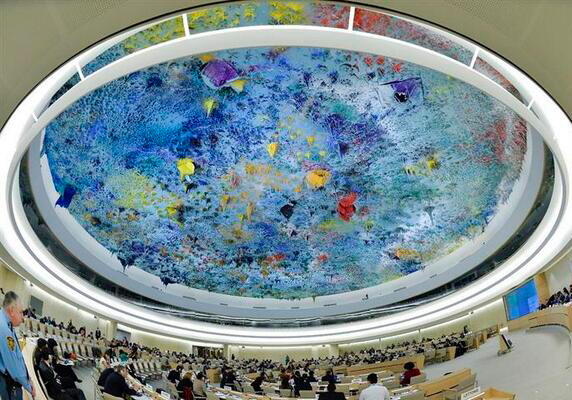
The ICJ and other civil society organizations highlighted progress in relation to accountability in the field of business and human rights, together with some continuing concerns, and unacceptable procedural tactics including in relation to a resolution on “protection of the family”.
Jun 26, 2014 | Advocacy, Cases, Legal submissions, News
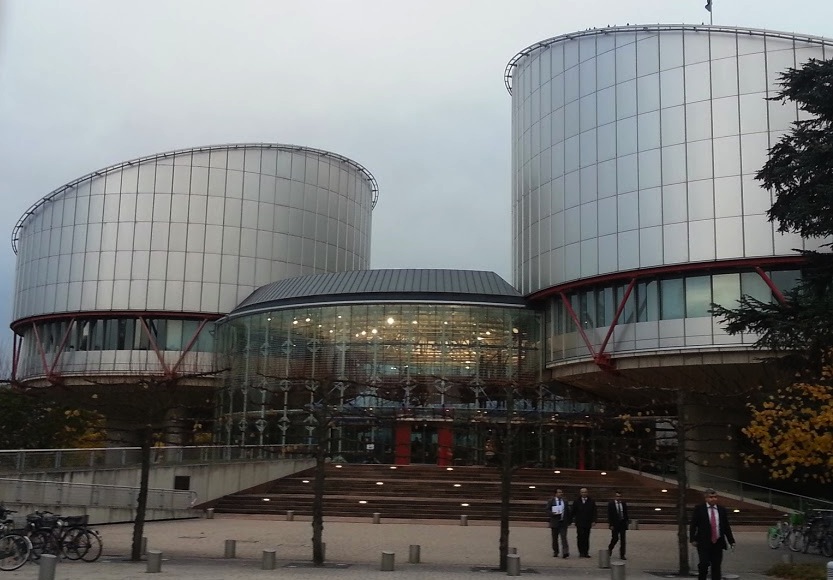
The ICJ expresses its disappointment today at the judgment of the European Court of Human Rights in the case of M.E. v. Sweden (Application No. 71398/12).
Jun 16, 2014 | Advocacy, Non-legal submissions
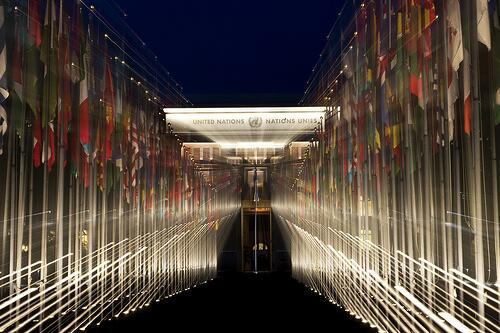
The ICJ today made an oral statement at the UN Human Rights Council, in the interactive dialogue with the Special Rapporteur on the independence of judges and lawyers, responding to her report on her visit to the Russian Federation.
Jun 11, 2014 | Advocacy, Non-legal submissions
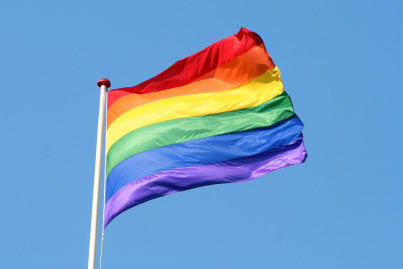
The ICJ, together with the International Lesbian and Gay Association (ILGA) and on behalf of ARC International, today delivered an oral statement to the Human Rights Council during an interactive dialogue with the UN Special Rapporteur on peaceful assembly and association.
The report of the Special Rapporteur addressed challenges faced by groups at risk, including lesbian, gay, bisexual, transgender and intersex persons.
The statement welcomed the report by the Special Rapporteur.
It referred to the Nigerian Same Sex Marriage (Prohibition) Act (which in fact criminalizes a much broader range of human rights-protected activities than its title would necessarily suggest), Uganda’s Anti-Homosexuality Act, and Ukraine’s draft law on “propaganda of homosexual relations”. All of these laws impede freedom of peaceful assembly of LGBTI persons. The Nigerian law also interferes with freedom of association, as it bans registration, funding and activities of “gay” organizations.
It also referred to Russia’s ban on “propaganda of non-traditional sexual relations”.
It emphasised the detrimental impact of such laws on the work of LGBTI human rights defenders and the activities of health care providers. It stressed that laws directly targeting the freedom of peaceful assembly or association of LGBTI individuals solely because of their sexual orientation or gender identity are inconsistent with international human rights law.
UN-HRC26-AssociationLGBTI-OralStatement-advocay-non legal submission-2014 (full text in pdf)
The report of the Special Rapporteur is available here.
May 14, 2014 | Advocacy, Cases, Legal submissions
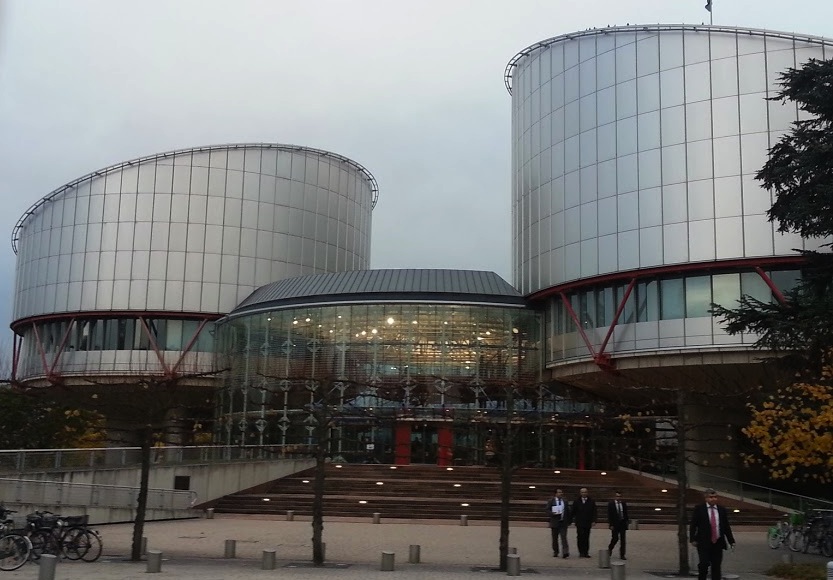
The European Court of Human Rights granted permission to the AIRE Centre, ILGA-Europe and the ICJ for a third-party intervention in the case of Pavla Sabalić v. Croatia (Application No. 50231/13).
Feb 21, 2014 | Advocacy, News, Non-legal submissions
The ICJ and other human rights organizations issued a public statement calling on Spanish lawmakers not to pass draft legislation that, if approved, would seriously limit Spanish courts’ ability to investigate and prosecute serious crimes under international law.
The draft legislation, tabled in Parliament by the Popular Party (PP), provides that, for cases involving allegations of genocide, crimes against humanity and war crimes not occurring on Spanish territory to be investigated and prosecuted in Spain, the suspect must either be a Spanish national or a foreigner habitually resident in Spain or a foreigner who is in Spain, whose extradition has been denied by Spanish authorities.
For case of torture and enforced disappearance, the proposed legislation requires that the suspect be a Spanish national or, alternatively, that the victim be a Spanish national at the time when the crime was committed and that the suspect be present in Spain when jurisdiction is assumed.
Where these conditions are not met, the proposal would allow Spanish courts to hear cases for those crimes for which prosecution is required by international treaties where the suspect is a foreigner on Spanish soil, so long as Spain has received and denied an extradition request.
The ICJ and other organizations stressed in their statement that if enacted, this legislation would close the doors of Spanish courts to certain victims of gross human rights violations who are unlikely otherwise to be able to obtain justice, particularly within their own jurisdictions.
Spain-Universaljurisdiction-NGOsJointStatement-2014-eng (download the joint statement in English)
Spain-Universaljurisdiction-NGOsJointStatement-2014-SPA (download the joint statement in Spanish)