In an interactive dialogue with representatives of its government, the ICJ called on Ecuador to take steps to ensure that its Constitution and other legislation conform with obligations pertaining to the rights of indigenous peoples. Watch the webcast.
The ICJ delivered its statement today during the adoption by the UN Human Rights Council of the Universal Periodic Review outcome document on Ecuador, during the course of the 21st regular session of the Council.
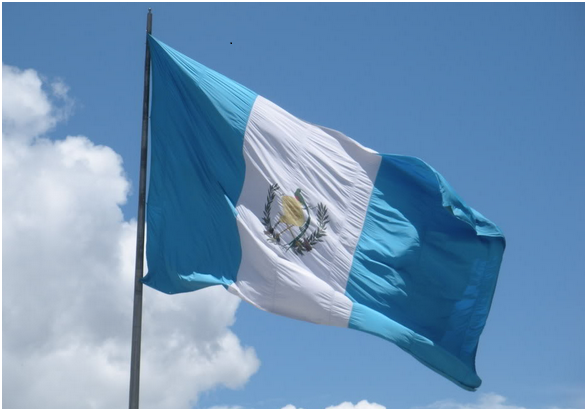
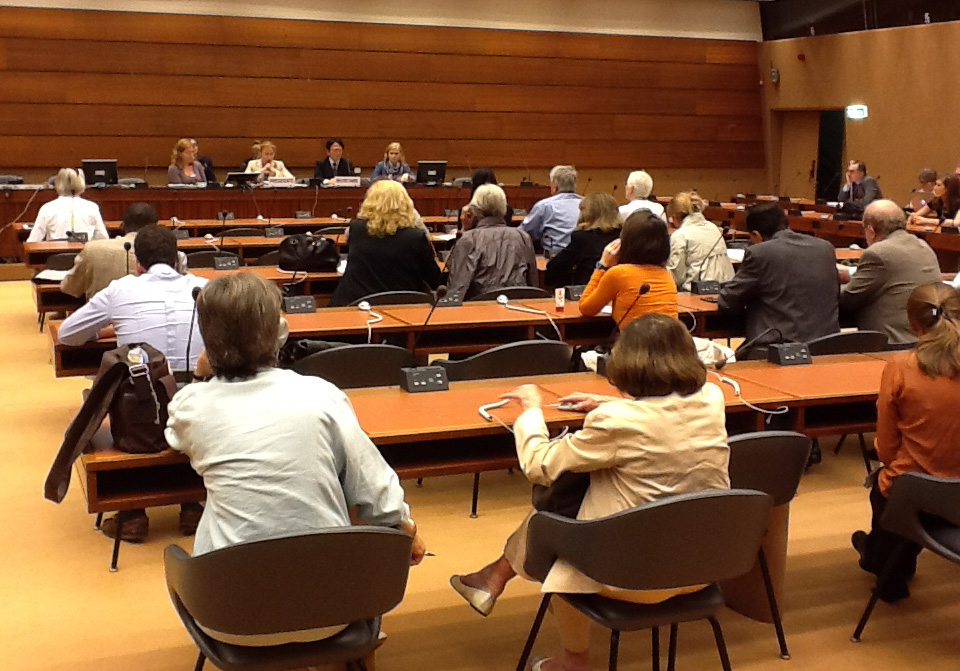
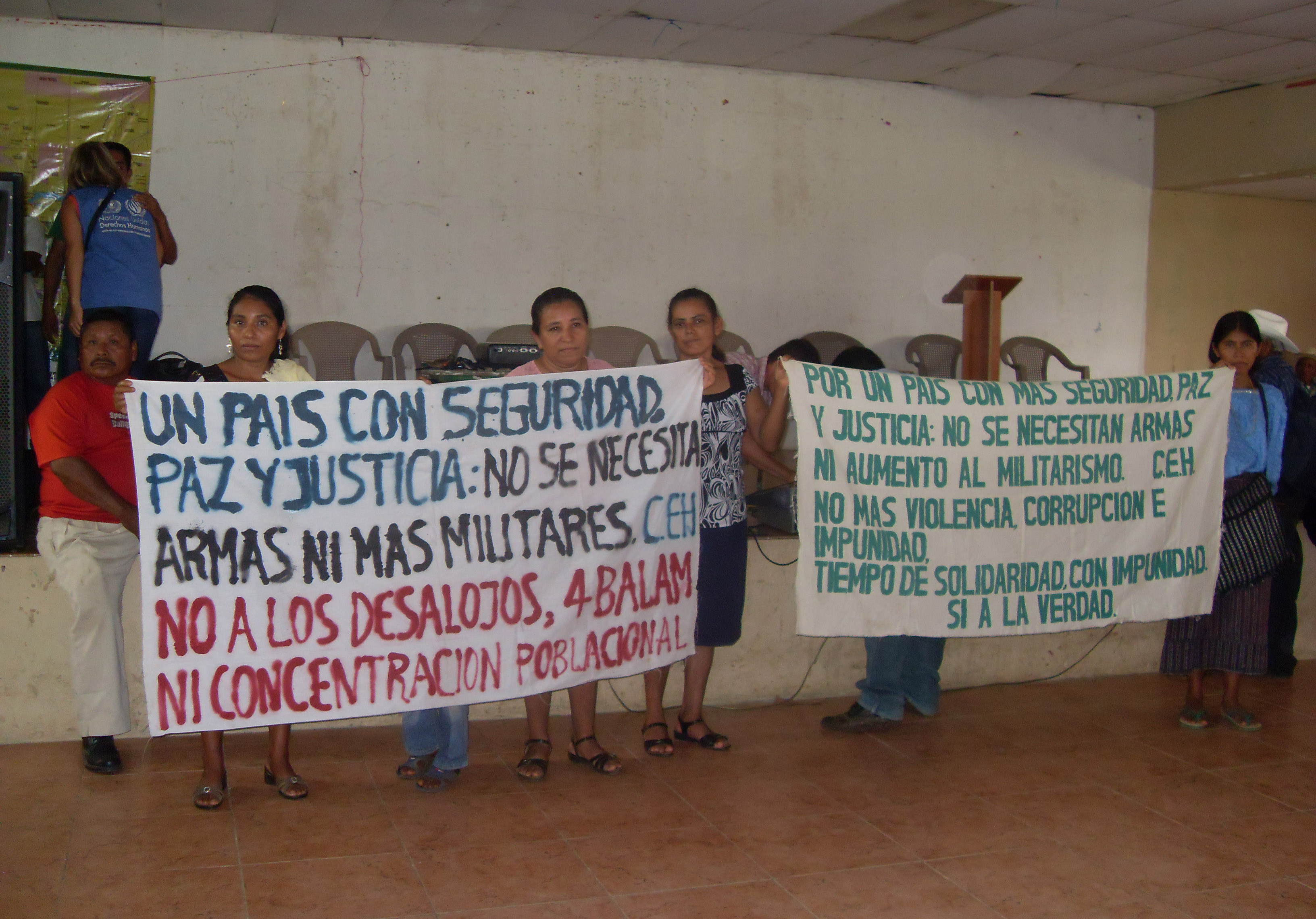
In the margins of the UN Human Rights Council’s 21st regular session, the Centre Europe-Tiers Monde (CETIM) and the ICJ today held a parallel event on impunity and exploitation of natural resources in Guatemala.
The event discussed the overall question of justice for indigenous communities in Guatemala. It was followed by the showin of excerpts from Grégory Lassalle’s documentary Des déreives de l’art aux dérivés du pétrole.
Panellists included Ramón Cadena, Director of the ICJ Central America Programme; Hilda Ventura and Mario Mucú, representatives of the Maya communities of San Andrés and Petén; and Melik Özden, UN Representative and Co-Director of CETIM.
The ICJ called on the UN Human Rights Council to strengthen measures to fight impunity in the department of Petén in Guatemala, and to encourage the Government of Guatemala to adopt measures to protect human rights defenders.
The ICJ delivered its oral statement on 18 September 2012 in the course of a panel discussion on indigenous peoples’ access to justice, during the course of the 21st regular session of the Human Rights Council.
Comunicado de prensa sobre la estrategia de desprestigio que sufren jueces y fiscales que luchan contra la impunidad.
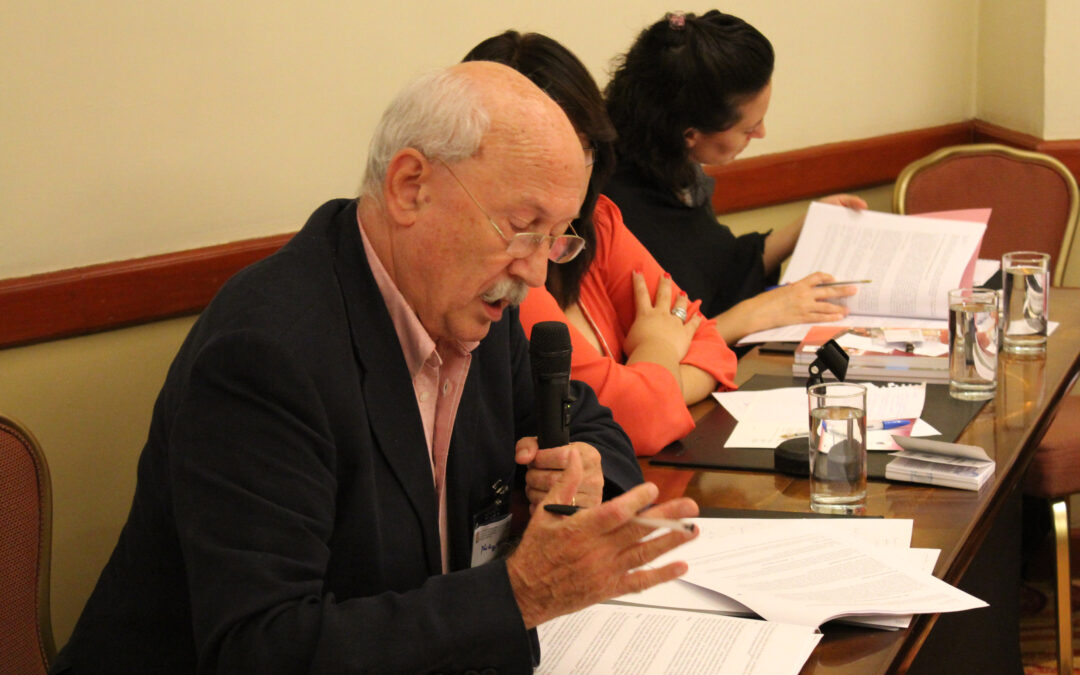
Los días 3 al 6 de septiembre de 2012, la CIJ llevó a cabo entrevistascon el Pleno de la Corte Suprema de Justicia, la Fiscal General, abogados litigantes, fiscales, jueces, con la Asociación de Jueces y Magistrados del Organismo Judicial (AJMOJ), Colegio de Abogados y con diferentes organizaciones de la Sociedad Civil, con el objeto de recabar información acerca de la estrategia de desprestigio que sufren jueces y fiscales que luchan contra la impunidad en Guatemala y de las actuaciones judiciales que se están llevando a cabo para investigar y castigar los crímenes cometidos durante el conflicto armador o.
With the support of ICJ Commissioner Justice Philippe Texier, the ESCR Programme and the Central America Regional Office organized a two-day workshop in San Salvador on August 16 and 17, 2012.
A group of 25 representatives of human rights and development NGOs as well as trade unions, lawyers and academic experts participated in a first consultation on access to justice for victims of violations of economic, social and cultural rights.
The discussions tackled obstacles and advances in the field of access to justice with regard to the legal and institutional frameworks, as well as in the administration of justice and material issues.
Coming from very different backgrounds, the participants valued the opportunity to work together and share their experience related to economic, social and cultural rights (ESCR) of a variety of rights-holders and their attempts to seek justice.
This first consultation and workshop will be followed by other activities in the course of the national project.
Background of the workshop
With national projects such as the one in El Salvador, the ICJ programme on Economic, Social and Cultural Rights aims at contributing to improve accountability for human rights violations and access to justice for all, including for victims of threats against and violations of economic, social and cultural rights.
The ICJ has embarked on research processes at national level to identify obstacles and opportunities for access to justice, as well as on consultation and collaboration processes with national allies to define strategies to address gaps.
Depending on the needs identified, the ICJ will support the implementation of recommendations and steps that includes trainings and legal interventions.
🍪 We use cookies on our website to improve your experience. By clicking "Accept all", you consent to the use of all the cookies. If you'd like to control which cookies we use, please visit "Cookie settings". To find out more, read our privacy policy and cookie policy.
Functional
Always active
The technical storage or access is strictly necessary for the legitimate purpose of enabling the use of a specific service explicitly requested by the subscriber or user, or for the sole purpose of carrying out the transmission of a communication over an electronic communications network.
Preferences
The technical storage or access is necessary for the legitimate purpose of storing preferences that are not requested by the subscriber or user.
Statistics
The technical storage or access that is used exclusively for statistical purposes.The technical storage or access that is used exclusively for anonymous statistical purposes. Without a subpoena, voluntary compliance on the part of your Internet Service Provider, or additional records from a third party, information stored or retrieved for this purpose alone cannot usually be used to identify you.
Marketing
The technical storage or access is required to create user profiles to send advertising, or to track the user on a website or across several websites for similar marketing purposes.