Jun 13, 2017 | News
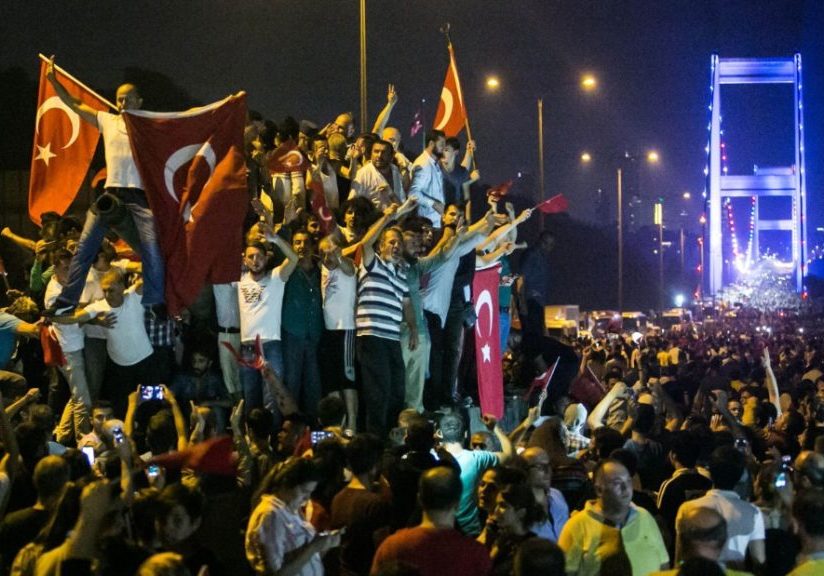
The ICJ welcomed today the Special Rapporteur’s report on Turkey and his preliminary findings on his visit to the country last November.
The ICJ welcomes and concurs with the finding that the “situation of the judiciary is undermining freedom of opinion and expression”.
Mass dismissals of judges have had a devastating effect on the judiciary’s independence, already weakened by the current state of emergency. Furthermore, we are concerned at the claim by the President that the state of emergency will remain in place until Turkey reaches “peace and prosperity”. Whatever other questions there may be about their validity, maintaining emergency derogations to human rights law instruments for such an open-ended period would clearly not be in line with international law.
The ICJ is also concerned at the constitutional amendments approved on the 16th of April by a referendum. Among other things, the amendments have given powers to the President and the Parliament to appoint all the members of the High Council of Judges and Prosecutors, the body tasked with protecting the independence of these professions.
The judiciary has had in the past an important role in implementing legislation that has severely limited the freedom of journalists to carry out their job.
The independence of the judiciary has now been eroded to its core in Turkey. Without it, there is no effective remedy in the country to protect freedom of opinion and expression.
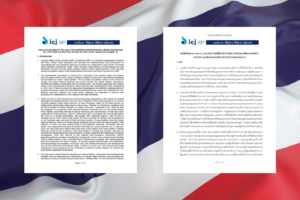
Further reading: ICJ’s briefing paper Turkey: the Judicial System in Peril
May 25, 2017 | News, Training modules
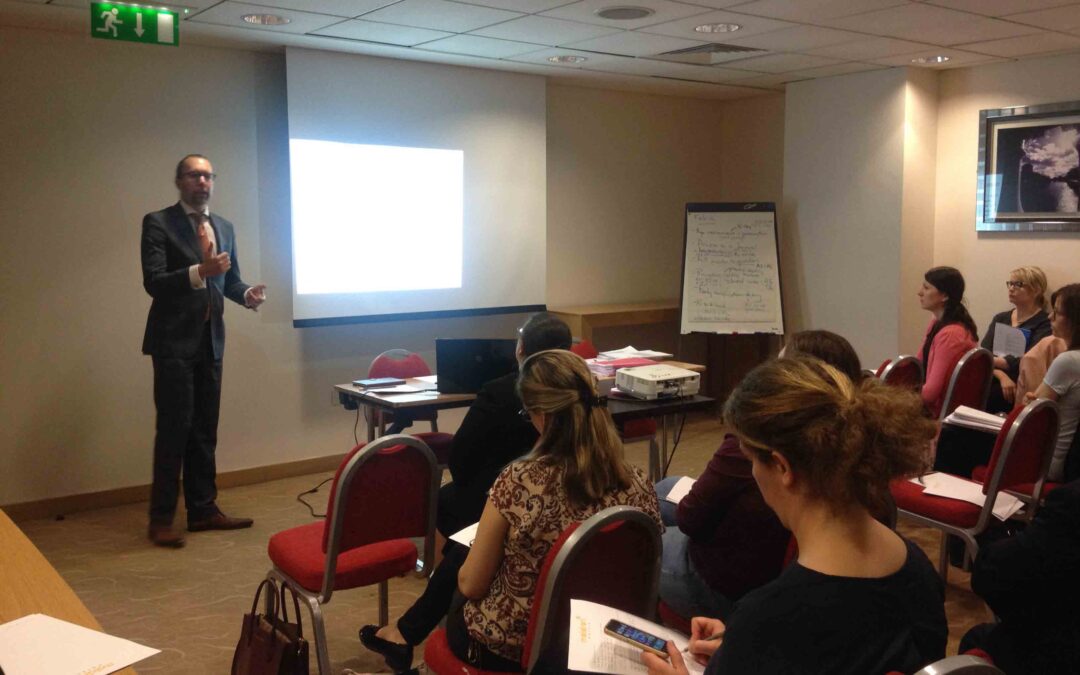
Today, the ICJ and the Immigrant Council of Ireland are holding a training for lawyers on the rights of migrant children and on accessing international human rights mechanisms in Dublin.
The training aims to support the strategic use of national and international mechanisms to foster migrant children’s access to justice.
The training will take place over the course of two days: 25-26 May 2017.
The training will focus on accessing the international mechanisms in order to protect and promote the rights of migrant children, the child’s procedural rights including the right to be heard, the right to family life, access to housing and education and immigration detention.
A practical case analysis will be part of the training. Trainers include Róisín Pillay, Director of ICJ’s Europe Programme, Dr. Patricia Brazil, BL and Joris Sprakel, Hague University.
The training is based on draft training materials prepared by the ICJ (to be published in the second half of 2017) and the ICJ Practitioners Guide no. 6: Migration and International Human Rights Law.
It is organized as part of the FAIR project co-funded by the Rights, Equality and Citizenship Programme of the European Union and OSIFE.
As part of the project, this training follows the trainings on the rights of migrant children in Spain, Italy, Bulgaria, Malta and Greece. Training in Germany and Strategic litigation Retreat will follow later this year.
Download the agenda here: Ireland-FAIRtraining-Event-agenda-2017-ENG
May 19, 2017 | Multimedia items, News, Video clips
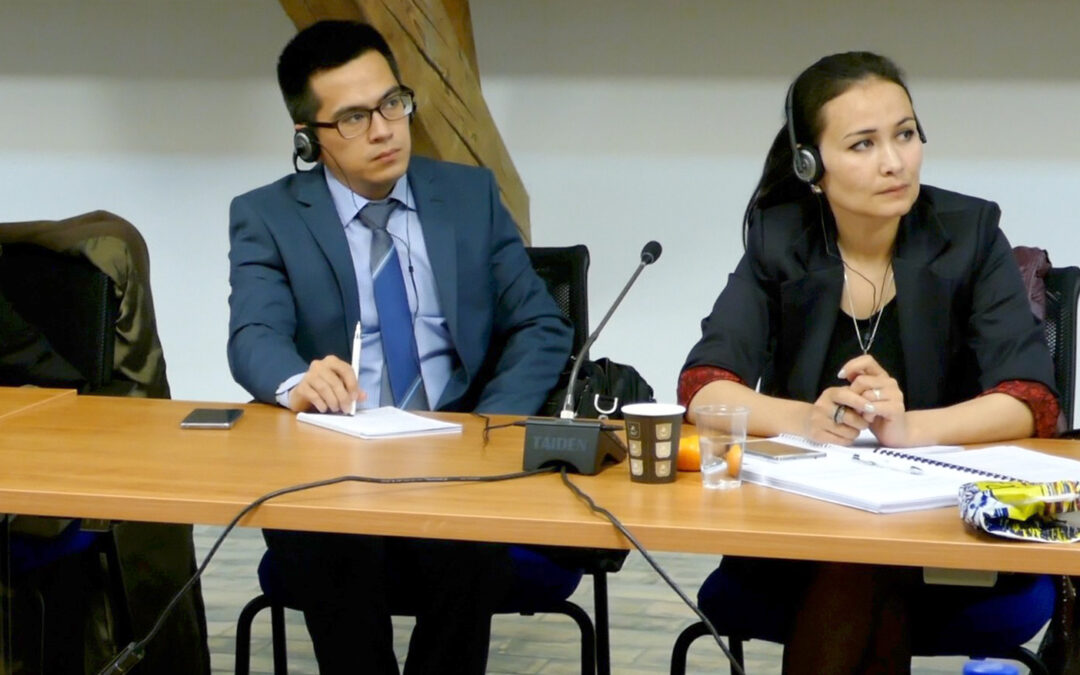
Zainab Kistabayeva, Iuliia Votslava, Shoira Sobirova and Daniyar Kanafin, four lawyers who have been trained at the Programme, and ICJ’s Legal Adviser Temur Shakirov, talk about this recent event.
Temur Shakirov
Zainab Kistabayeva
Iuliia Votslava
Shoira Sobirova
Daniyar Kanafin
May 11, 2017 | Advocacy
Today the ICJ presented its views on counter-terrorism, security and human rights in Europe, to the Committee on Civil Liberties, Justice and Home Affairs (LIBE) of the European Parliament, as part of a hearing on the EU’s Comprehensive Assessment of EU Security Policy.
The exchange of views, Chaired by the Chair of the LIBE Committee, Claude Moraes, included contributions by Commissioner Julian King of the European Commission, as well as representatives of national parliaments, civil society organisations and MEPs.
The ICJ presentation by Róisín Pillay (photo), Director of the ICJ Europe Programme, emphasised the need to make human rights and the rule of law central to EU security policy, to the development of EU legislation and its implementation at national level.”
The full text of the presentation can be downloaded here: Europe-Presentation LIBE-Advocacy-2017-ENG (in PDF)
More on LIBE
May 3, 2017 | Advocacy
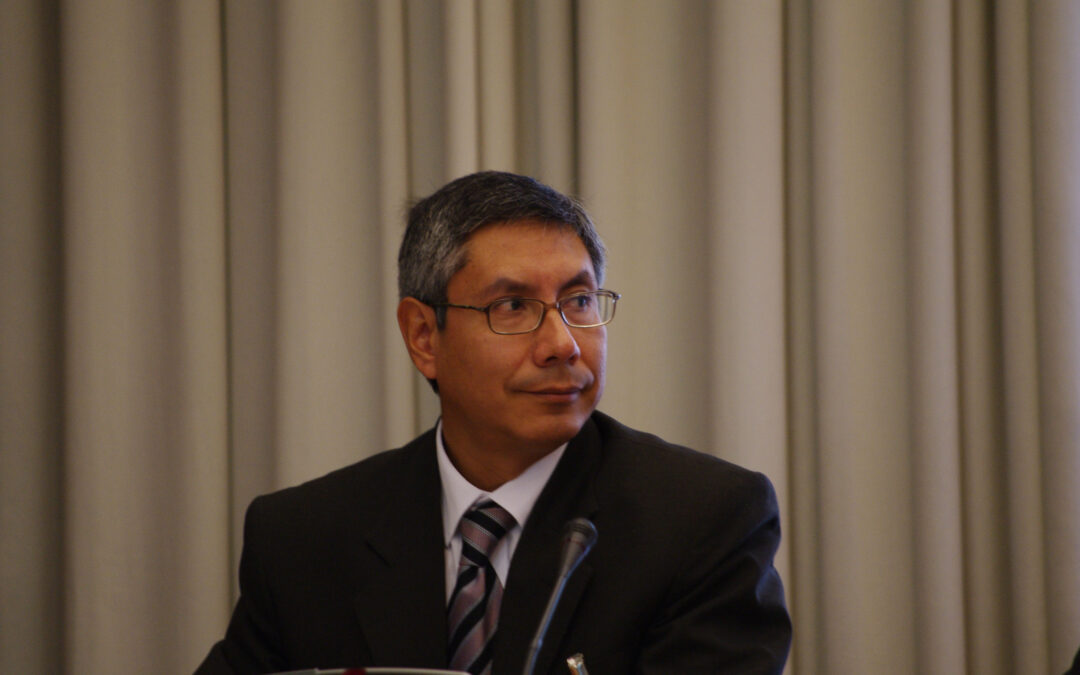
ICJ’s Senior Legal Adviser Carlos Lopez made an important speech today at a Joint Hearing of the European Parliament’s Committee on International Trade and Subcommittee on Human Rights.
The declaration was about the United Nations intergovernmental process towards a treaty in the field of business & human rights.
This treaty could be a crucial instrument for the EU, European countries and European businesses to promote common global rules of respect for human rights that are stronger and enforceable vis a vis companies from all regions.
This will help level the playing field for the companies that have a genuine interest in human rights protection by creating a common standard.
For Governments, it is an important instrument to advance the objective of a level playing field for businesses in the global marketplace.
This is not only important and a condition of success for European businesses who currently have to compete with businesses that do not have to observe the same rules in other parts of the world, but is also a condition for the sustainability of economic globalization and its potential to deliver for the human rights for all.
Download Carlos Lopez’s speech below:
Europe-ICJ speech at the european parliament-ADVOCACY-2017-ENG (in PDF)