Nov 18, 2016 | Agendas, Events, News
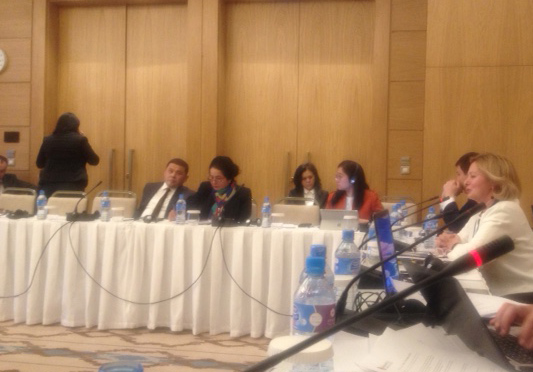
Today, the ICJ holds a round table discussion in Tashkent, Uzbekistan on “Comparative Perspectives on Judicial Ethics”.
The event takes place as part of the Central Asian Forum Expert Forum organized by the Organisation for Cooperation and Security in Europe (OSCE) in Tashkent this year.
International standards, and national standards of judicial ethics in Uzbekistan in other countries will be discussed at the event.
Participants will discuss questions of judicial independence, impartiality and accountability and disciplinary mechanisms.
Speakers at the event include Justice Ketil Lund (photo), an ICJ Commissioner and a former judge of the Supreme Court of Norway, Justice Tatiana Andreyeva, professor of law and a former Judge of the High Arbitration Court of the Russian Federation, as well as a representative of the Uzbekistan judiciary.
Legal practitioners and experts from across the Central Asian region will attend the event.
uzbekistan-side-event-tashkent-events-agenda-2016-rus (Agenda in Russian, PDF)
Nov 11, 2016 | Agendas, Events
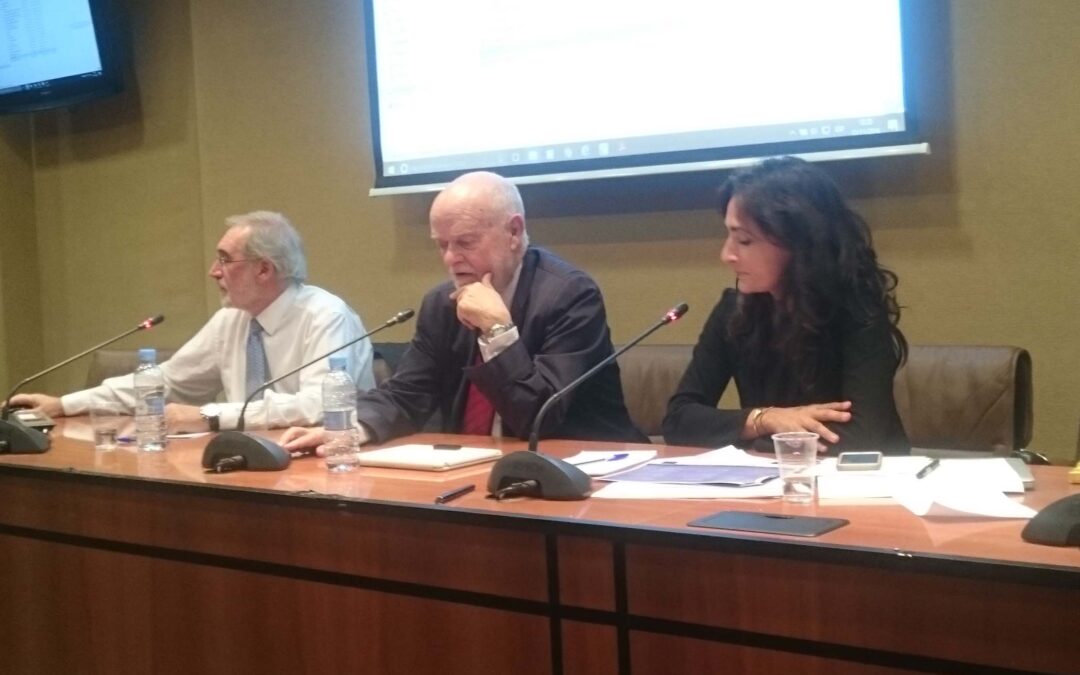
The ICJ and Foundation Raices are holding a training on the rights of migrant children and on accessing international human rights mechanisms from 11 to 12 November in Madrid (Spain).
The training aims to support the strategic use of national and international mechanisms to foster children’s access to justice.
The training will focus on accessing the international mechanisms in order to protect and promote the rights of migrant children, the child’s right to be heard and related procedural rights, the best interests of the child, age assessment and the presumption of minority.
Trainers will include representatives of the ICJ and Foundation Raices, as well as experts from the Committee on the Rights of the Child, the Spanish Constitutional Court and the office of the Spanish Ombudsman.
The training is based on draft training materials prepared by the ICJ (to be published in the second half of 2017) and the ICJ Practitioners Guide no. 6: Migration and International Human Rights Law.
The training is organized as part of the FAIR project co-funded by the Justice and Equality Programme of the EU and OSIFE.
Download the agenda of the training here:
spain-fair-training-events-agenda-2016-eng (in PDF)
Nov 9, 2016 | News
The ICJ welcomes the judgment of the European Court of Human Rights in Schukurov v Azerbaijan, finding that the right to petition the Court had been violated by the search of a lawyer’s premises and seizure of documents.
The ICJ submitted a third party intervention in the case, outlining international law and standards relevant to legal professional privilege and the seizure of legal documents.
The case files were seized as part of a criminal investigation opened against the lawyer, Intigam Aliyev, who was representing the applicants in the case. The Court found that the search and seizure by the Azeri authorities had violated article 34 of the Convention, which stipulates that States must not hinder in any way the effective exercise of the right of individual application to the Court.
The ICJ notes that the Court’s judgment follows its earlier finding of a violation of article 34 in the case of Annagi Hajibeyli v Azerbaijan, which arose from the same incident.
The ICJ stresses that these searches of lawyers’ premises are contrary to international standards on the role of lawyers. It is particularly worrying that they form part of a pattern of harassment of lawyers in Azerbaijan, including abusive disciplinary proceedings and criminal prosecutions. Such harassment damages the ability of lawyers to protect human rights through the judicial process, and undermines the independence of the legal profession.
The decision of the Court should now be fully and promptly executed, the ICJ said.
Nov 5, 2016 | News
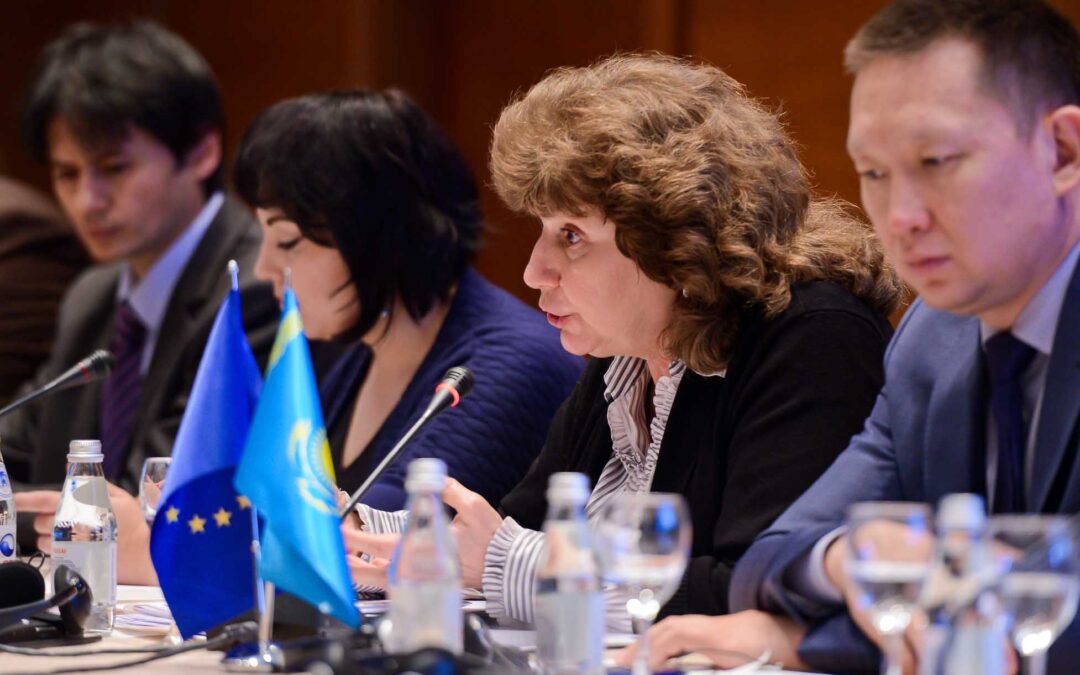
Today the ICJ, in partnership with the National Collegium of Advocates of Kazakhstan, hosts a major regional conference in Almaty, Kazakhstan, on the role and independence of the legal profession in Central Asia.
Bringing together bar associations and lawyers from across Central Asia, as well as representatives of bar associations from European countries and international experts, the conference explores how associations of lawyers can strengthen the role of lawyers in the justice system.
Participants will discuss the organization and self-governance of the profession in each of the countries of Central Asia; will analyse the obstacles lawyers face in protecting the rights of their clients; and will debate standards and good practices in protecting the integrity of the profession through codes of ethics, disciplinary proceedings and professional training.
“Across Central Asia, every day, lawyers do vital work to protect the human rights of their clients. But they can only do this effectively when their independence is protected in law and in practice, and when high ethical and professional standards are enforced by self-governing associations of lawyers.” said Róisín Pillay, Director of the ICJ Europe and CIS programme
“At a time when the organization of the profession is being renewed in several countries of the region, this conference aims to ensure that lawyers work together to learn from each others’ experiences, and from international law and standards, to strengthen associations of lawyers in upholding the vital role of the profession,” she added.
Download the agenda in English and Russian here:
central-asia-agenda-conference-legal-prof-news-web-stories-2016-rus-eng (in PDF)
Oct 13, 2016 | News, Publications
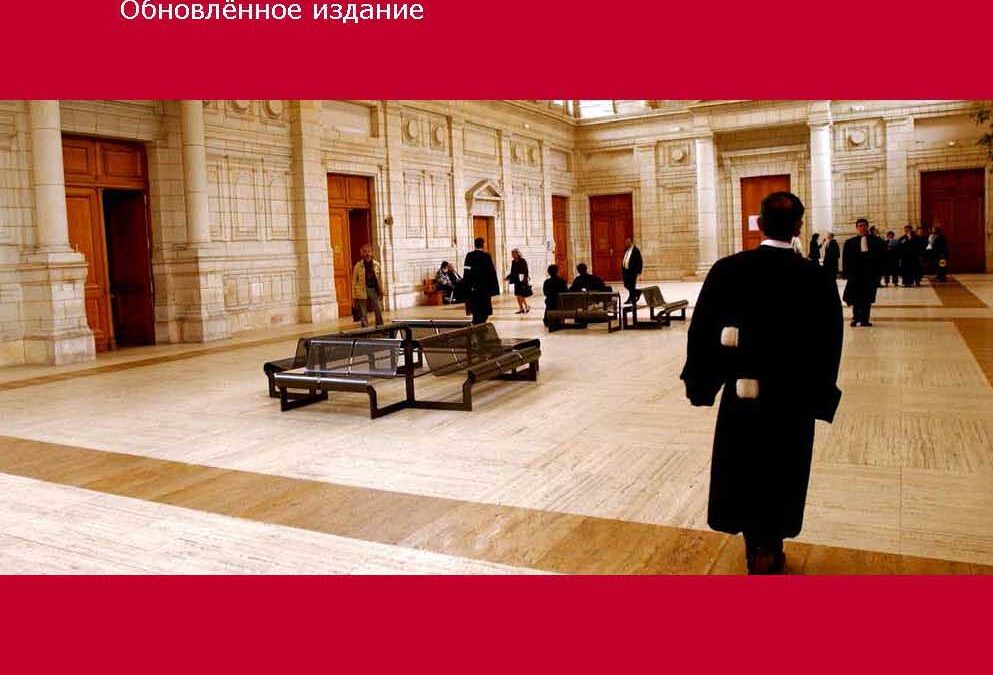
The ICJ published today a Russian translation of its Practitioners Guide no. 6 on Migration and International Human Rights Law.
This updated edition of the Practitioners Guide analyses the protection afforded to migrants by international law and the means to implement it at national and international levels.
The ICJ Guide synthesizes and clarifies international standards on key issues, in particular:
- the rights and procedures connected to the way migrants enter a country and their status in the country of destination;
- human rights and refugee law constraints on expulsion;
- the human rights and refugee law rights linked to expulsion procedures;
- the rights and guarantees for administrative detention of migrants;
- rights connected to work and labour; and
- rights to education, to the highest attainable standard of health, to adequate housing, to water, to food, and to social security.
universal-pg-6-migration-publications-practitionners-guides-series-2016-rus (full guide in Russian, PDF)