Dec 13, 2012 | News
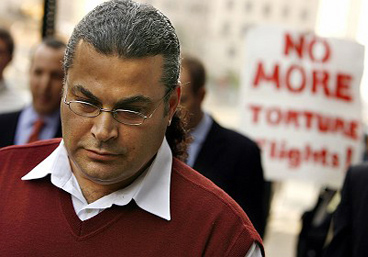 Today’s ruling on the CIA’s detention and rendition of Khaled El-Masri is a historic moment because for the first time it holds a European state accountable for its involvement in the secret US-led programmes.
It is also a milestone in the fight against impunity, Amnesty International and the International Commission of Jurists (ICJ) said.
The European Court of Human Rights held unanimously that the former Yugoslav Republic of Macedonia (Macedonia) was responsible for the German national Khaled El-Masri’s unlawful detention, enforced disappearance, torture and other ill-treatment, and for his transfer out of Macedonia to locations where he suffered further serious violations of his human rights.
Further, that Macedonia did not satisfy its obligation to carry out an effective investigation.
“This judgment confirms the role Macedonia played in the Central Intelligence Agency (CIA) rendition and secret detention programmes, and is an important step towards accountability for European complicity in rendition and torture,” said Julia Hall, Amnesty International’s expert on counter-terrorism and human rights.
“Macedonia is not alone. Many other European governments colluded with the USA to abduct, transfer, ‘disappear’ and torture people in the course of rendition operations. This judgment represents progress, but much more needs to be done to ensure accountability across Europe.”
“This ruling is historic. It recognises that the CIA rendition and secret detention system involved torture and enforced disappearances. It emphasises that both the victims and the public have the right to know the truth about these serious violations. It affirms without doubt that Europe cannot be an area of impunity but it must be a place of redress and accountability where international human rights law obligations are not bypassed but fulfilled,” said Wilder Tayler, Secretary General of the ICJ.
“Other European governments – such as Poland, Lithuania, and Romania, against which cases are also pending with the Court – should note today’s European Court judgment and take measures to ensure that the truth is told, thorough, effective, independent and impartial investigations are carried out and those responsible are held accountable.”
The Court’s ruling also serves to highlight the absence of accountability and remedy in the USA, noting that the claim filed against the CIA by Khaled El-Masri was dismissed by the US courts after the US administration invoked the “state secrets privilege”.
On 31 December 2003, the Macedonian authorities arrested El-Masri, who is of Lebanese descent, after he entered Macedonia from Serbia.
They held him incommunicado, subjecting him to enforced disappearance, repeated interrogations and to ill-treatment, until 23 January 2004 when they handed him over to Central Intelligence Agency (CIA) agents.
As part of the covert, US-led rendition and secret detention programme, the CIA transferred El-Masri to a secret detention facility in Afghanistan.
There he was held unlawfully in secret, not charged with any crime and his detention was not subject to judicial review. He did not have access to a lawyer. His whereabouts were not acknowledged and he was held incommunicado.
As a result he was subjected to enforced disappearance for over four months. While in Afghanistan, he was subjected to torture and other ill-treatment.
On 28 May 2004, El-Masri was put on a plane and flown to Albania where he was released.
Contact:
Róisín Pillay, Director, ICJ Europe Programme, t +41 22 979 38 30; e-mail: roisin.pillay(at)icj.org
For the ICJ/AI third party intervention, click here
Europe-Joint public statement El Masri-2012

Nov 27, 2012 | News
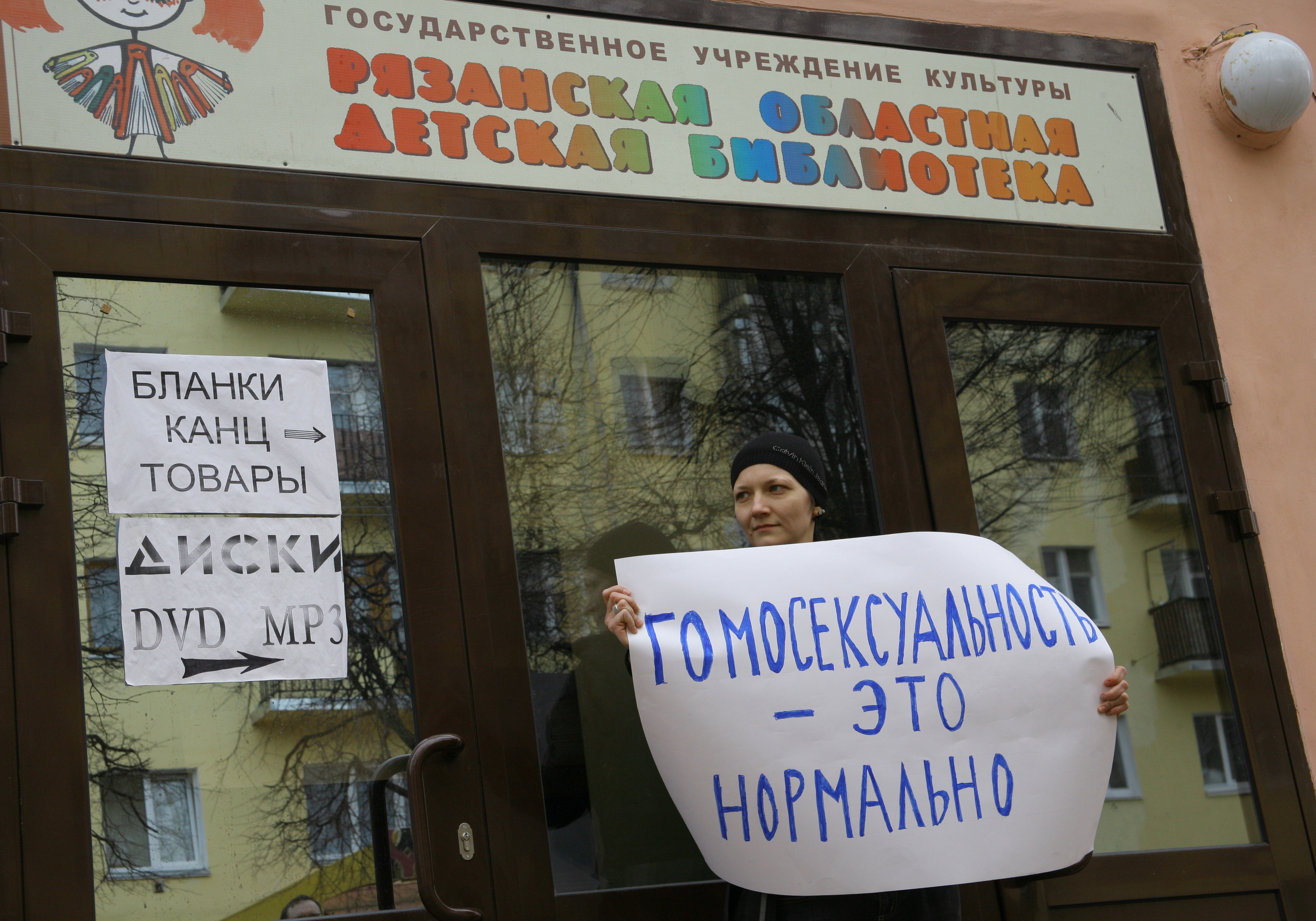 The ICJ and ILGA-Europe welcome the historic decision by the UN Human Rights Committee in Irina Fedotova v. Russian Federation, which was released on 19 November.
“We are very pleased with the Committee’s Views in this case and in particular with the recognition that expressing opinions and information about same-sex sexual orientation cannot be limited in the name of public morality,” said Alli Jernow, ICJ Senior Legal Advisor.
In March 2009, Fedotova had displayed posters declaring “Homosexuality is normal” and “I am proud of my homosexuality” near a secondary school building in Ryazan.
The Ryazan Law on Administrative Offences prohibited “public actions aimed at propaganda of homosexuality among minors.” She was arrested, convicted, and ordered to pay a fine of 1,500 roubles.
Fedotova lost her appeal to the district court and the Constitutional Court ruled that the prohibition of information that was “capable of harming health, morals and spiritual development, as well as forming perverted conceptions about equal social value of traditional and non-traditional family relations” could not be considered a violation of the right to freedom of expression.
But the Human Rights Committee held that Russia had violated Fedotova’s rights to freedom of expression and to be free from discrimination.
These rights are guaranteed by articles 19 and 26 of the International Covenant on Civil and Political Rights.
“The decision is especially important because it effectively reverses the position taken by the Committee in the 1982 case of Hertzberg v. Finland, which upheld a ban similar to the one in the Fedotova case,” Jernow added.
The Human Rights Committee ordered the Russian Federation to reimburse the fine paid by Fedotova as well as her legal costs and to ensure that the relevant provisions of domestic law are made compatible with articles 19 and 26 of the Covenant.
Since the Ryazan law was adopted, a number of other regions in Russia have adopted legislation banning “homosexual propaganda.” Activists across the country, including in St. Petersburg, have been arrested and convicted under such laws.
In its decision, the Human Rights Committee emphasized that limitations for the purpose of public morals, which are derived “from many social, philosophical and religious traditions,” could not be based exclusively on a single tradition.
Furthermore, any such limitations “must be understood in light of universality of human rights and the principle of non-discrimination.” The Committee recalled that the “prohibition against discrimination under article 26 comprises also discrimination based on sexual orientation.”
The Committee stated that Russia “has not shown that a restriction on the right to freedom of expression in relation to ‘propaganda of homosexuality’ – as opposed to propaganda of heterosexuality or sexuality generally – among minors is based on reasonable and objective criteria.”
Fedotova’s actions were not aimed at involving minors in any particular sexual activity. Rather, “she was giving expression to her sexual identity and seeking understanding for it.”
“We hope this landmark decision will send a strong signal to Russia to reconsider such discriminatory steps and to abandon any legislative proposals criminalising ‘homosexual propaganda’,” said Evelyne Paradis, Executive Director of ILGA-Europe.
The ICJ had submitted a legal opinion, which the Committee excerpted in detail, arguing that the law was discriminatory and that limitations on rights could not discriminate. Earlier this year, the ICJ and ILGA-Europe published a briefing paper titled “Homosexual Propaganda Bans: Analysis and Recommendations.”
Contact:
Alli Jernow, ICJ Senior Legal Advisor, t + 41 22 979 3823
Juris Lavrikovs, ILGA-Europe, t + 32 2 609 54 16 and + 32 496 708 375
Nov 5, 2012 | Advocacy, Cases, Legal submissions
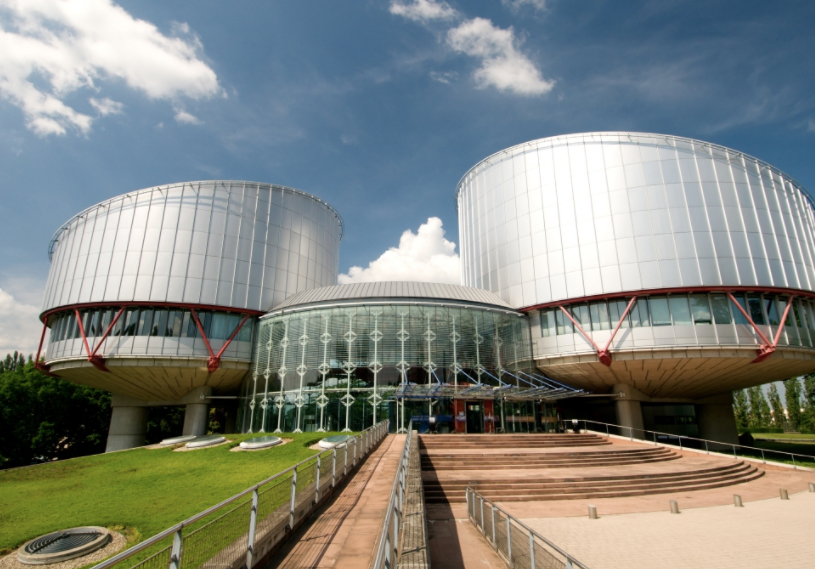
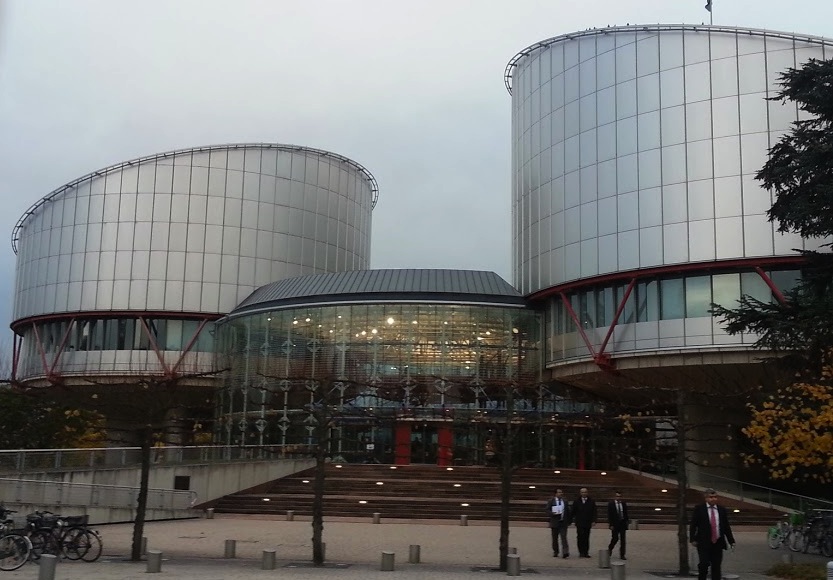 The ICJ and Amnesty International presented a third party intervention in the case Al Nashiri v Poland before the European Court of Human Rights.
In the third party intervention, the ICJ and AI outlined developments on the principle of non-refoulement, on the human rights obligations in breach in the practice of “renditions” and “secret detention”, on enforced disappearances, on the international law of state responsibility both for human rights violations occuring on the territory of a High Contracting Party committed by another State and following return of a person to a third State, and the right to a remedy and to reparation.
ECtHR-ICJAI-AmicusBrief-AlNashiri_v_ Poland-2012 (download the third party intervention)
Nov 2, 2012 | Events
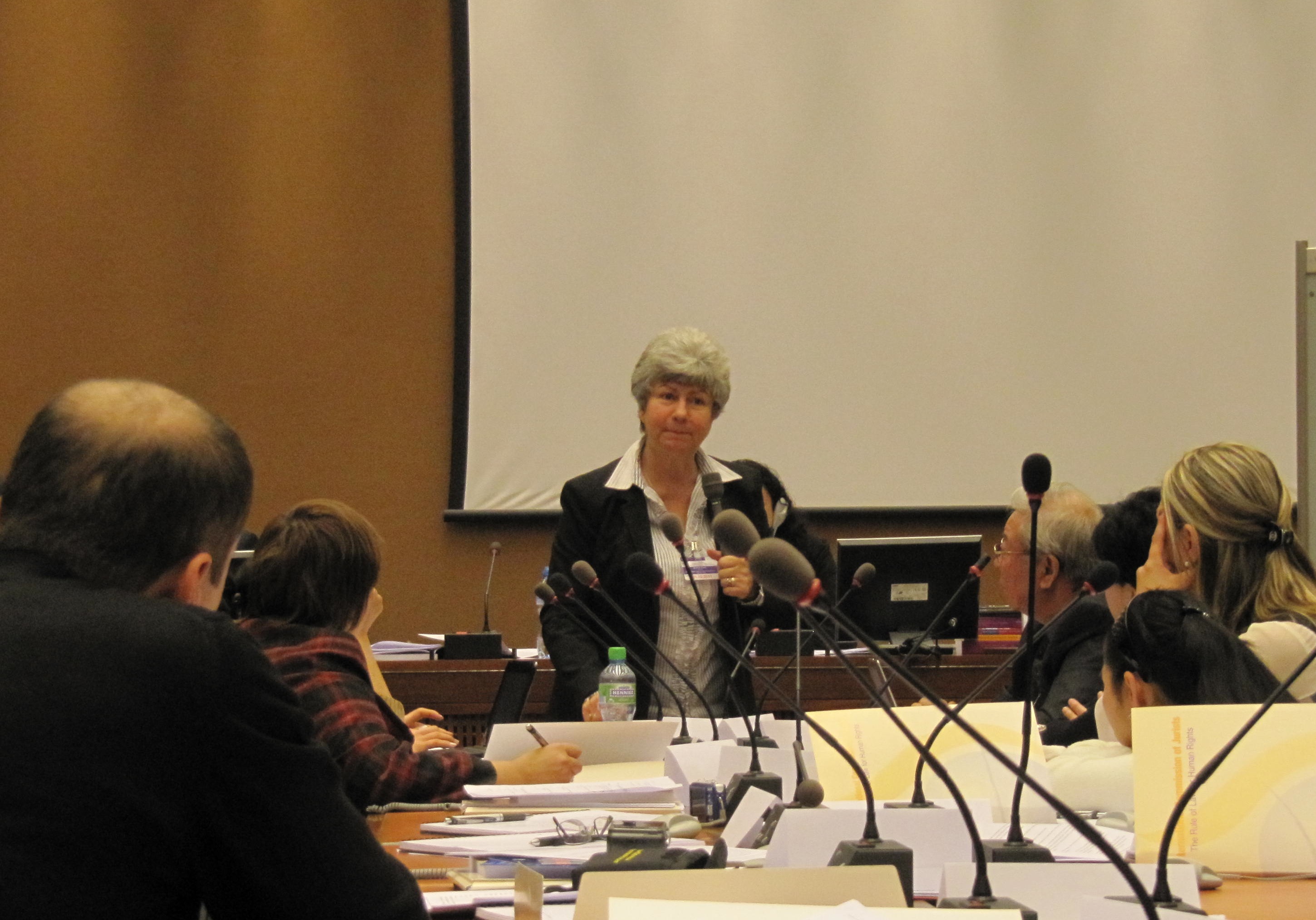 The ICJ will hold a five-day seminar in Geneva for lawyers from Central Asian countries on International Human Rights Law in the Criminal Justice Process.
The training seminar, from 5 – 9 November, will cover international human rights law related to fair trial, the right to liberty, freedom from torture and cruel, inhuman or degrading treatment, and the right to life; as well as UN human rights mechanisms. The training will involve ICJ Commissioners and legal advisers, as well as other experts. Participants will meet with members of Committee against Torture, and with representatives of other treaty bodies and UN Special Procedures. The participants will also attend a session of the Committee Against Torture, to observe the reporting process.
The seminar aims to build a strong connection between national lawyers in Central Asian countries and the international human rights system. It will provide a forum for detailed and practical discussion on international human rights law and its application in practice in national systems, drawing on the experiences of experts on international jurisprudence, standards and mechanisms, to ensure more effective application of these standards in Central Asian countries.
Agenda-CISTraining-2012-eng (download the agenda in English)
Agenda-CISTraining-2012-rus (download the agenda in Russian)