Sep 21, 2021 | News, Work with the UN
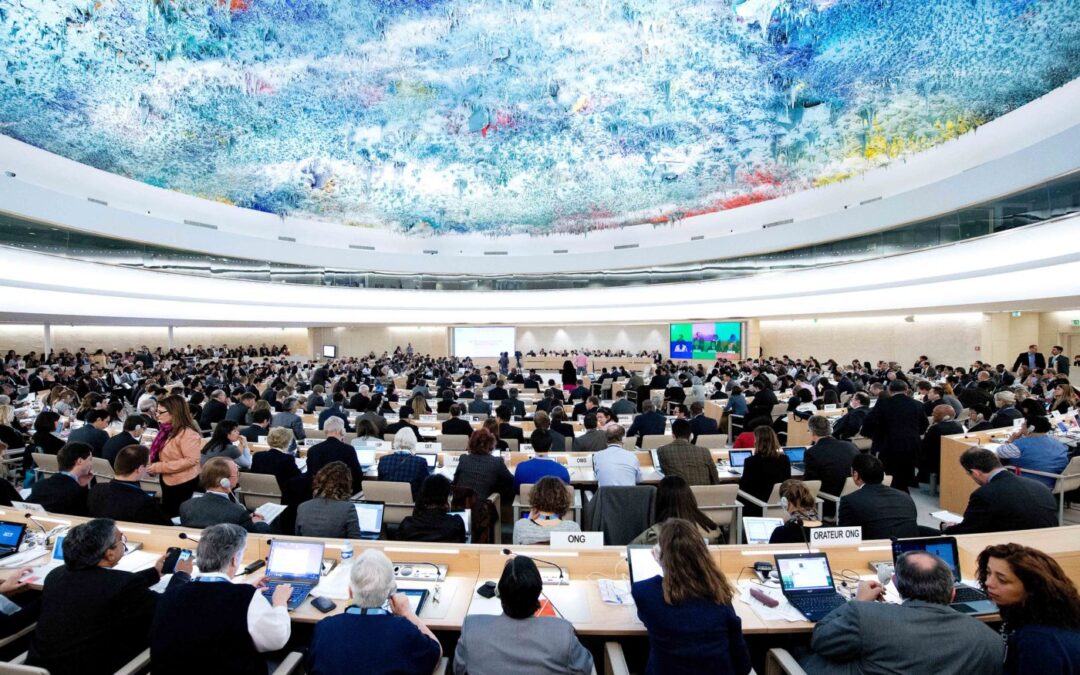
United Nations Human Rights Council member states, including Libya, should continue to support the Independent Fact-Finding Mission on Libya by renewing its mandate during its 48th session, which began on September 13, 2021, seven human rights organizations said today.
Aug 30, 2021 | News
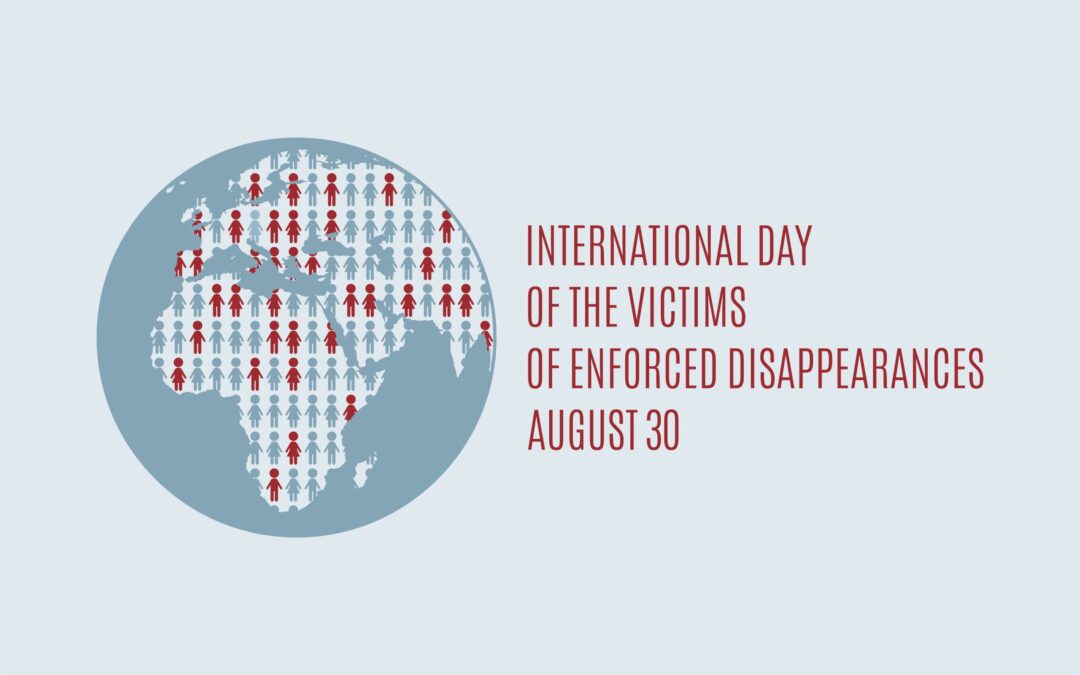
Today, on the occasion of the International Day of the Victims of Enforced Disappearances, we the 33 undersigned local, regional, and international organizations, associations, and networks come together to highlight the dramatic and persistent nature of enforced disappearances in the Middle East and North Africa (MENA) region and the accompanying impunity enjoyed by perpetrators of these crimes throughout the region.
Jul 14, 2021 | News, Open letters
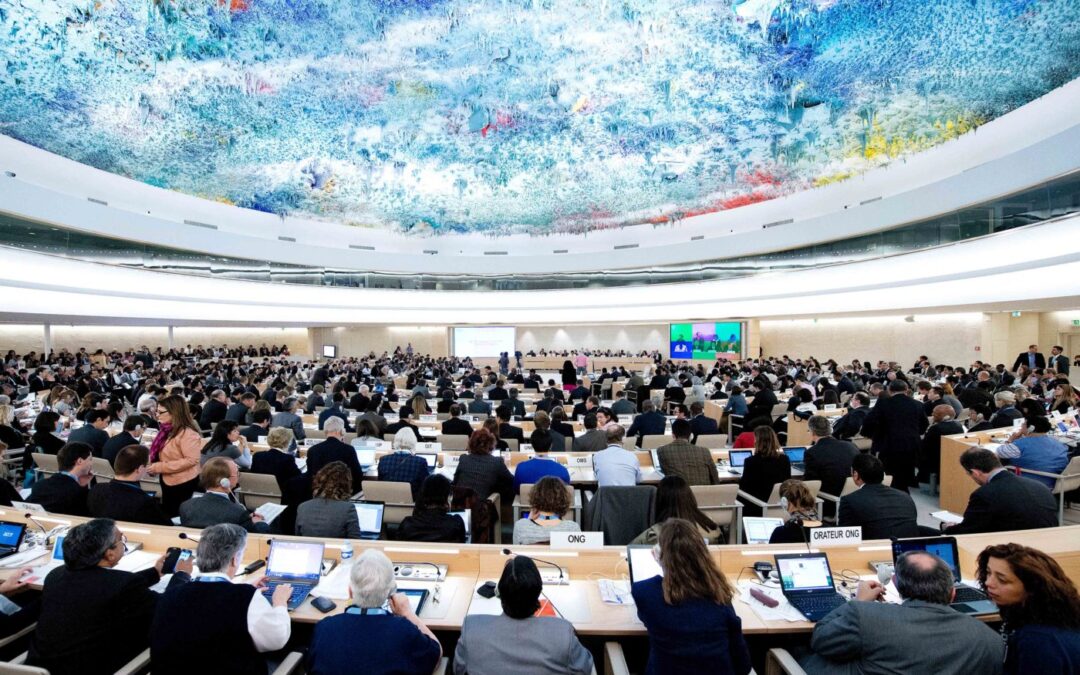
The International Commission of Jurists (ICJ) joined several human rights organizations in signing the following letter, urging state representatives at the Human Rights Council to ensure the extension of the UN Fact-Finding Mission on Libya’s mandate.
Jun 22, 2021 | News
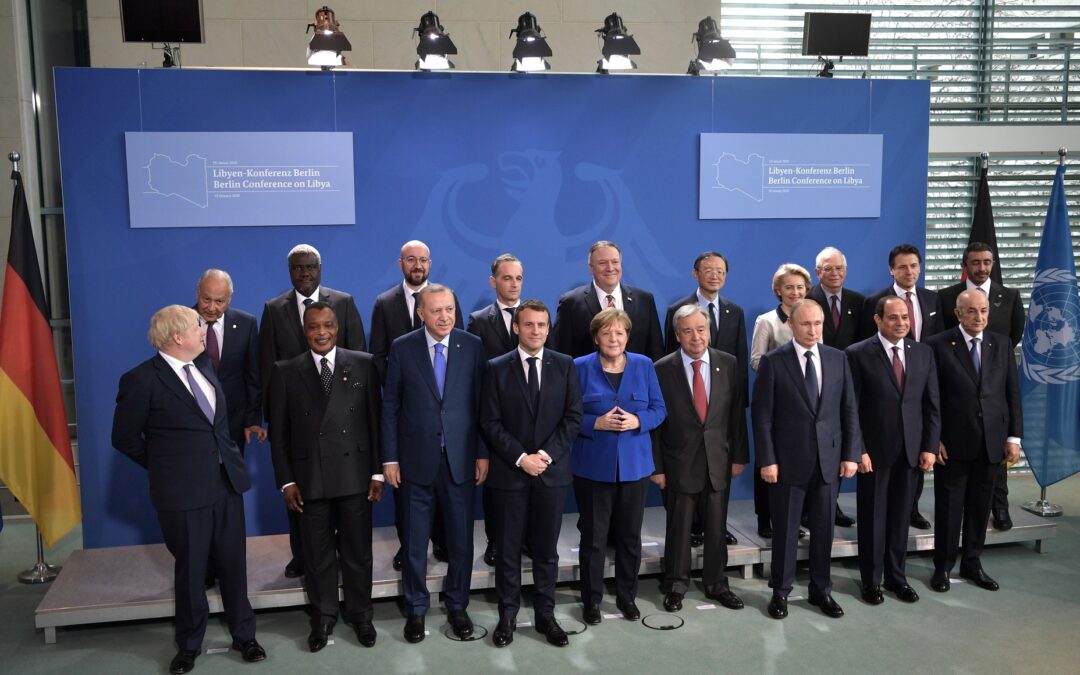
The Second Berlin Conference on Libya, taking place on 23 June, should focus on ensuring accountability for crimes under international law and guaranteeing that the transitional justice process is fully consistent with international law and standards as its key priorities, the ICJ said today.
هذا البيان الصحفي متوفر باللغة العربية أيضاً
“The Berlin II Conference must bring accountability to the top of the political agenda in Libya”, said Saïd Bernarbia, the ICJ MENA Director.
“The necessity to hold the 24 December elections cannot sideline the need for the Libyan authorities to hold perpetrators of crimes under international law to account and to end impunity for past and ongoing human rights abuses. Time and again experience from around the world has shown that accountability is crucial for a sustainable political solution.”
The 19 January 2020 Berlin Conference Conclusions stressed “the need to hold accountable all those who have violated provisions of international law”, and encouraged the Libyan authorities to strengthen “transitional justice institutions, including prosecution initiatives, reparations, truth-seeking and institutional reform.” A dedicated Working Group on human rights and international humanitarian law was created to implement such conclusions.
The Berlin II Conference must follow up on these commitments and give priority to ensuring that crimes under international law committed by all parties in Libya be effectively investigated with a view to holding perpetrators to account.
“The transitional justice process must be prioritized with a view to establishing the truth about past and ongoing gross human rights violations and abuses, upholding victims’ right to remedies and reparations, including by providing guarantees of non-repetition”, Benarbia said.
The Berlin II Conference should also support the work and mandate the UN Independent Fact-Finding Mission on Libya established by the Human Rights Council in June 2020.
Download this press release in PDF form here.
Contact
Said Benarbia, Director, ICJ Middle East and North Africa Programme, t: +41-22-979-3817; e: said.benarbia(a)icj.org
Asser Khattab, Research and Communications Officer, ICJ Middle East and North Africa Programme, e: asser.khattab(a)icj.org
May 19, 2021 | News
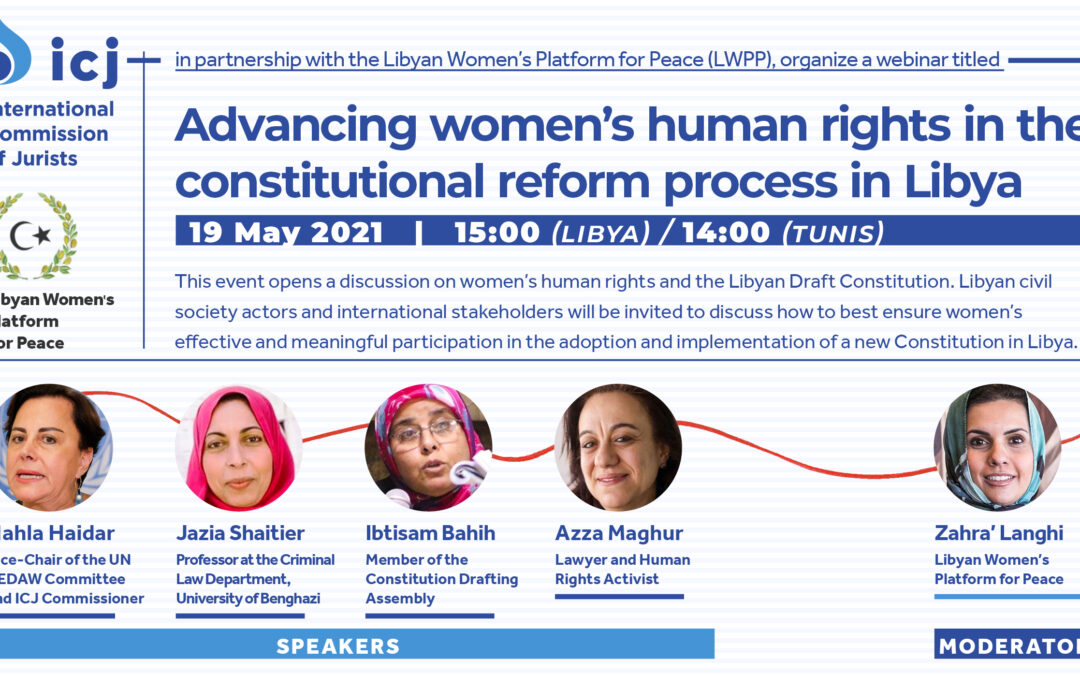
The International Commission of Jurists (ICJ) and the Libyan Women’s Platform for Peace (LWPP) on 19 May 2021 convened a webinar on ‘Advancing women’s human rights in the constitutional reform process in Libya’.
The webinar was moderated by Zahra’ Langhi, co-founder and director of LWPP, with speakers: Jaziah Shaitier, Professor at the Criminal Law Department, University of Benghazi; Ibtisam Bahih, member of the Constitution Drafting Assembly; Nahla Haidar, Vice-Chair of the UN Committee on the Elimination of Discrimination against Women and an ICJ Commissioner from Lebanon; and Azza Maghur, a Libyan lawyer.
In her opening remarks, Zahra’ Langhi stressed that advancing women’s rights in in the constitutional reform process should not be limited to the protections of women’s rights in the draft Constitution, which were any way inadequate, but also the effective the participation of women in the entire constitutional-making process
Jaziah Shaitier focused her remarks on the limitations the Constitution:
“I had hoped that the constitutional process that followed the Revolution would state clearly that any person born to a Libyan father or a Libyan mother would be Libyan.”
“Libya needs gender-inclusive constitutional provisions, and implementing laws that would protect women against all forms of violence”, Shaitier said.
Langhi pointed out that Libyan women who are married to non-Libyans cannot even access essential COVID-19 vaccines.
Nahla Haidar spoke of the importance of states to comply with their obligations under the Convention on the Elimination of All Forms of Discrimination against Women (CEDAW), a treaty to which Libya is a party:
“Sharia’s place within the Constitution should be made clear, otherwise there would be no need for a Constitution at all.”
Haidar also stressed the need to address problematic provisions in the Libyan Draft Constitution, including draft discriminatory provisions and provisions perpetuating stereotypes about the role of women and men in society and in the family. “Women may also choose not to start a family at all, and that should not have any bearing on the enjoyment of their rights.”
Azza Maghur highlighted the inadequate representation of women in the Libyan constitutional process:
“Libyans dreamed of a Constitution that is theirs, one that guarantees rights and liberties. The representation of women was not adequate.”
A member of the Constitution Drafting Assembly herself, Dr Ibtissam Bahih, highlighted how the process had failed Libyan women, and how the need for reform was as urgent as ever.
You can watch the full webinar here.
Contact:
Said Benarbia, Director, ICJ Middle East and North Africa Programme, t: +41-22-979-3817; e: said.benarbia(a)icj.org
Asser Khattab, Research and Communications Officer, ICJ Middle East and North Africa Programme, e: asser.khattab(a)icj.org