Feb 19, 2020 | News
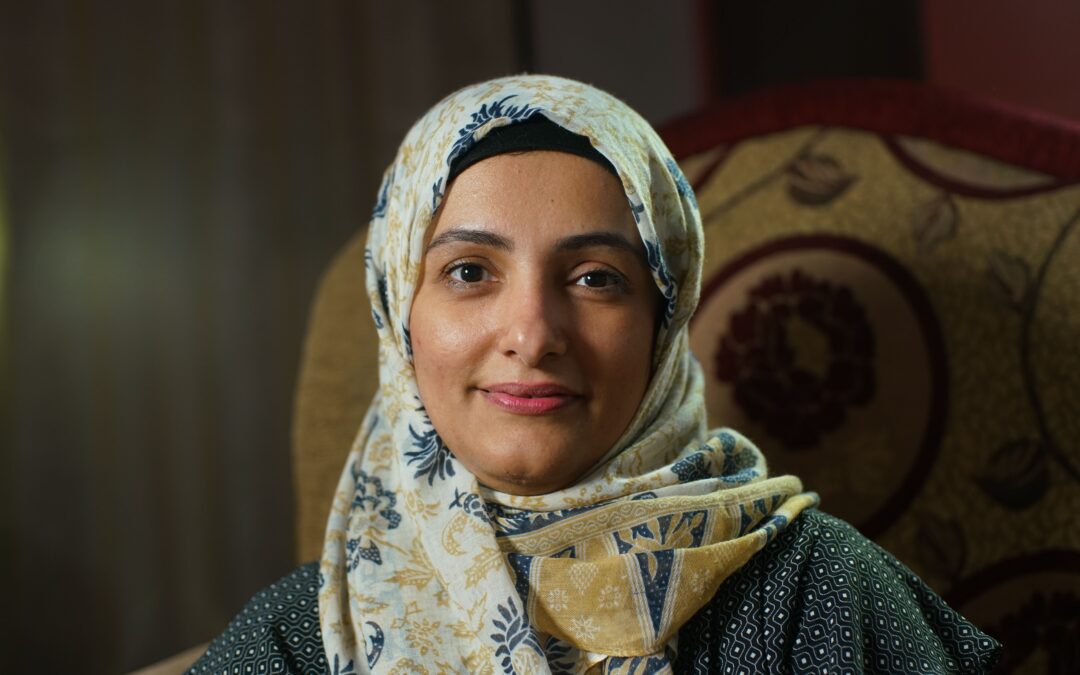
Huda Al- Sarari, Yemeni lawyer and human rights defender, is the 2020 Martin Ennals Award laureate. She was among three women selected as finalists by a jury of ten of the world’s leading human rights organizations, including the ICJ, along with Sizani Ngubane, South Africa, and Norma Librada Ledezma, Mexico.
The 2020 Martin Ennals Award ceremony, co-hosted by the Martin Ennals Foundation and the City of Geneva, was held today, and for the first time in the history of the Award, all three finalists are women.
“Women human rights defenders are subject to the same risks as every human rights defender, but as women, they also face certain forms of violence and violations due to their gender. They are often stigmatized and ostracized by community leaders, faith- based groups and even family members,” said the Mayor of the City of Geneva, Sandrine Salerno.
“The Martin Ennals Foundation is particularly proud to honour and support three resilient women human rights defenders this year, our laureate Huda Al-Sarari, as well as our two finalists Sizani Ngubane and Norma Librada Ledezma for their achievements. We hope that the award will shed a light on their achievements, and strengthen protection mechanisms around them,” said Philippe Currat, President of the Board of the Martin Ennals Foundation.
Huda Al-Sarari is a Yemeni lawyer and human rights defender who graduated in Sharia and Law from Aden University. She also holds a masters in Women’s Studies and Development from the Women’s Centre at Aden University. Over the last years, Huda investigated, exposed and challenged the enforced disappearances that occurred as a result of secret prisons run by foreign governments in Yemen where thousands of men and boys have suffered from arbitrary detention, torture and extrajudicial killings. She collected evidence on more than 250 cases of the abuse taking place within those prisons.
“Being a human rights defender in Yemen is extremely challenging, and being a woman makes this even more difficult. In a male-dominated society, I have to prove myself maybe ten times more than a man,” she said.
Despite the threats, defamation campaigns and sacrifices she and her family endured, Huda continues to stand alongside the families of those who have disappeared.
“Receiving the 2020 Martin Ennals Award for human rights defenders means the world to me. It gives me great strength and emboldens me to continue this fight for justice. I believe the Award will be incredibly important in drawing attention to the continual plight of victims of arbitrary detention, abuse and torture in Yemen,” she added.
“We commend Huda for the work that she conducted, not only against the backdrop of the ongoing Yemeni civil war, but also, in a country where women still struggle to express their political and civil rights. Huda’s legacy is crucial as her thorough investigations and search for accountability will serve to bring justice for human rights violations occurred during the conflict,” said Hans Thoolen, Chair of the Martin Ennals Award Jury.
The two finalists of the Martin Ennals Award this year are Sizani Ngubane (South Africa) and Norma Librada Ledezma (Mexico).
Sizani is a human rights defender who advocates for land rights for women in rural areas on South Africa. She also supports women to access education, and fights for the end of the traditional practice of Ukuthwala, which is the abduction and forced marriage of young girls and women.
Norma is the founder of Justicia para Nuestras Hijas. She has supported over 200 investigations into cases of feminicide, enforced disappearance and human trafficking in Chihuahua, Mexico.
Both were praised by the Martin Ennals Jury member organizations for their commitment and tremendous achievements in their respective countries.
Additional information
The City of Geneva has hosted the Award ceremony since 2008, together with the Martin Ennals Foundation, as part of its deep commitment to the defense of human rights. The support of the City, by means of its Service for International Solidarity, reflects its mission to promote human rights both internationally and
The Jury of the Martin Ennals Award is comprised of ten of the world’s leading human rights organizations: the ICJ, Amnesty International, FIDH, Human Rights First, HURIDOCS, International Service For Human Rights, Brot für die Welt (Bread for the World), Front Line Defenders, Human Rights Watch and the World Organization Against Torture.
Download
Universal-MEA2020bios-News-2019-ENG (full bios of finalists, in PDF)
Universal-MEA2020winner-News-Press releases-2019-ARA (full story in Arabic, PDF)
Universal-MEA2020bios-News-2019-ARA (full bios of finalists, in Arabic, PDF)
Contact
Olivier van Bogaert, Director Media & Communications, ICJ representative in the MEA Jury, t: +41 22 979 38 08 ; e: olivier.vanbogaert(a)icj.org
Watch the ceremony as it happened
https://www.facebook.com/MartinEnnals/videos/2552501445008021/
Feb 13, 2020 | News
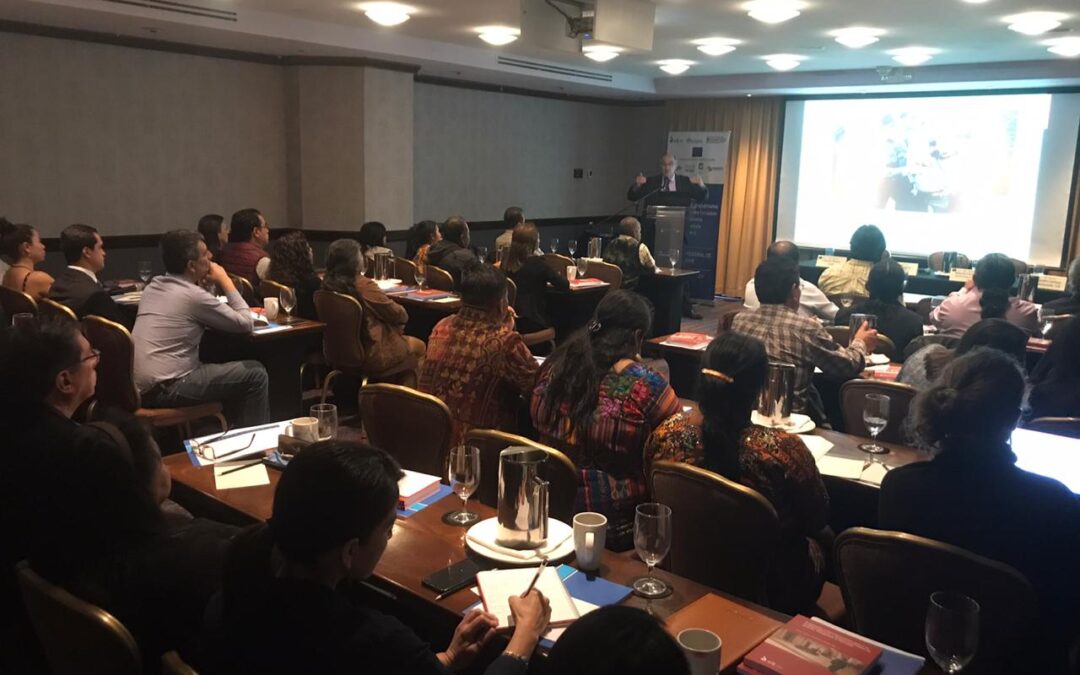
The ICJ convened two workshops in Guatemala City from 11 to 13 February for more than 30 lawyers and more than 30 representatives of victims’ organizations on the international law and standards that apply to the investigation of unlawful death and enforced disappearances.
The workshops were conducted as part of the project under the ICJ’s Global Accountability Initiative entitled, Promoting justice for extrajudicial killings and enforced disappearances in Colombia, Guatemala and Peru, and supported by the EU European Instrument for Democracy and Human Rights (EIDHR). The project promotes accountability of perpetrators and access to effective remedies and reparation for victims and their families in cases of extrajudicial killings and enforced disappearances.
The workshop for lawyers was inaugurated by the President of the Board of Lawyers of Guatemala, Ovidio Orellana. The workshop with representatives of victims organizations was inaugurated by the Chief of Cooperation of the European Union Alberto Cortezón.
Participants in the workshops emphasized that the Guatemalan public authorities must respect and effectively impolement the the revised Minnesota Protocol on the Investigation of Potentially Unlawful Death, and that there was a need to reinforce advocacy strategies for the respect of the Protocol by the Guatemalan Human Rights Institutions.
The Presidential Commission on Human Rights (COPREDEH) and the Ombudsman´s Office participated during the workshop with victims’ organizations. They committed themselves to take the necessary actions to incorporate into their work the principles and content of the Minnesota Protocol, as a complementary tool to other conventions and binding law.
Contacts:
Ramón Cadena, Regional Director of ICJ’s Central America Office, email: ramon.cadena@icj.org
Kingsley Abbott, Senior Legal Adviser & Coordinator of the ICJ’s Global Accountability Initiative, email: kingsley.abbott@icj.org
Carolina Villadiego Burbano, ICJ Legal and Policy Adviser, Latin America, and Regional Coordinator of the Project, email: carolina.villadiego@icj.org
Jan 24, 2020 | News
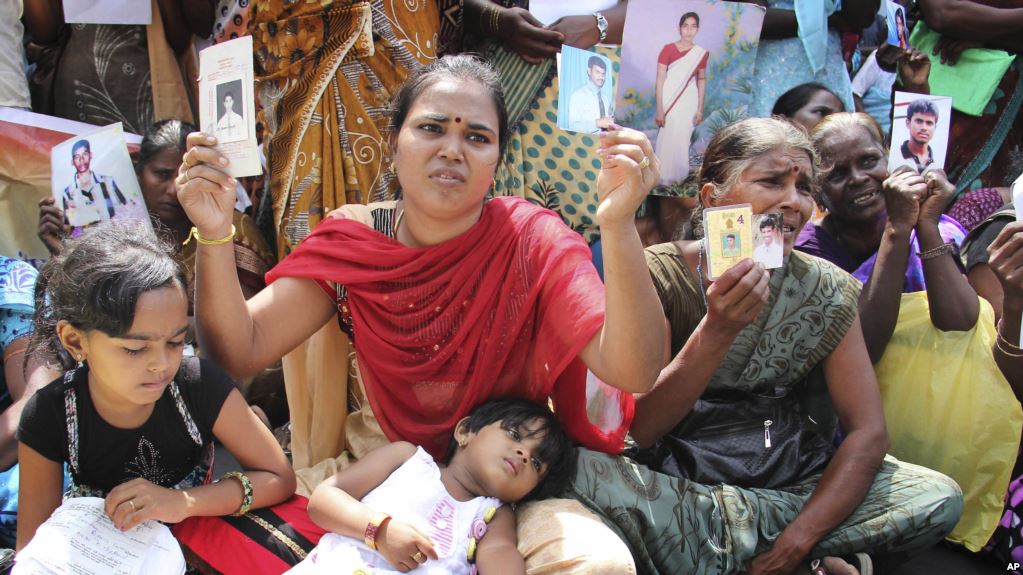
The ICJ expressed alarm about comments made by Sri Lankan President Gotabaya Rajapaksa which offensively mischaracterized the situation of “missing persons” in Sri Lanka, many of whom have been the victims of the crime of enforced disappearances.
According to a statement released by the President’s office after President Rajapaksa’s meeting with UN Resident Coordinator, Hanaa Singer, on 17 January 2020, the President had “explained that these missing persons are actually dead” and that “most of them had been taken by the LTTE or forcefully conscripted. The families of the missing attest to it. However, they do not know what has become of them and so claim them to be missing.”
“It is appalling to hear such callous declarations from the Office of the President, particularly given that no credible investigations have been conducted into the cases of those who have gone missing during the armed conflict,” said Frederick Rawski, Asia Pacific Director for the International Commission of Jurists.
The fate and whereabouts of some 20,000 people were reportedly unaccounted for in the immediate aftermath of the armed conflict in Sri Lanka. Many of these people are suspected to have been subjected to enforced disappearance, unlawful killings and/or other crimes under international law.
The Report of the UN Secretary-General’s Panel of Experts on Accountability in Sri Lanka (2011) and the reports of the State-led Commissions of Inquiry on Lesson Learnt and Reconciliation (2011), and Presidential Commission of Inquiry into Complaints of Abductions and Disappearances (2015) found that at least some of those who had surrendered to the Sri Lankan military at the end of the war in 2009 remain unaccounted for to date, and that many cases remain unresolved.
According to the same statement, Rajapaksa further informed the UN Resident Coordinator that, “after necessary investigations, steps would be taken to issue a death certificate to these missing persons. Afterwards their families would be given the support they need to continue with their lives.”
Under international law and standards, allegations of enforced disappearances and unlawful killings must be investigated, promptly, thoroughly, impartially. Those responsible must be brought to justice in fair trials, and the victims and their families are entitled to effective remedy and reparation.
“The President’s statement appears to disregard the purpose of the Office of Missing Persons. Any attempt to provide ‘closure’ to the relatives of the missing without following the necessary legal procedure to establish the truth is unacceptable,” said Rawski. “Their families have waited for ten years or longer to find out the fate of their loved ones. The response of the State should be to help facilitate the existing process, not to disrupt or obstruct it,” he added.
The previous government adopted the Office of Missing Persons Act in August 2016 and established the Office of Missing Persons (OMP) in February 2018, in light of its commitments to the UN Human Rights Council under Resolution 30/1. According to Section 13 (1) (a) (ii) of the OMP Act, a certificate of death shall be issued only upon the conclusion of an investigation and the issuing of a report to the relative of such missing person to such effect. However, as an interim measure, the OMP is empowered to facilitate the provision of certificates of absence to family members of a missing person. A certificate of absence legally recognizes that a person is missing and allows the family to conduct transactions as though the person is dead.
The ICJ urges the Government of Sri Lanka to desist from any measures that would derail from the established legal procedure to search and trace the “disappeared” and other missing persons in Sri Lanka. ICJ instead calls upon the Government to support the Office of Missing Persons to speed up the investigation process in establishing the truth, accountability, and reparation.
Contact
Frederick Rawski, ICJ’s Asia Pacific Regional Director, t: +66 2 619 84 77; e: frederick.rawski(a)icj.org
Dec 20, 2019 | News
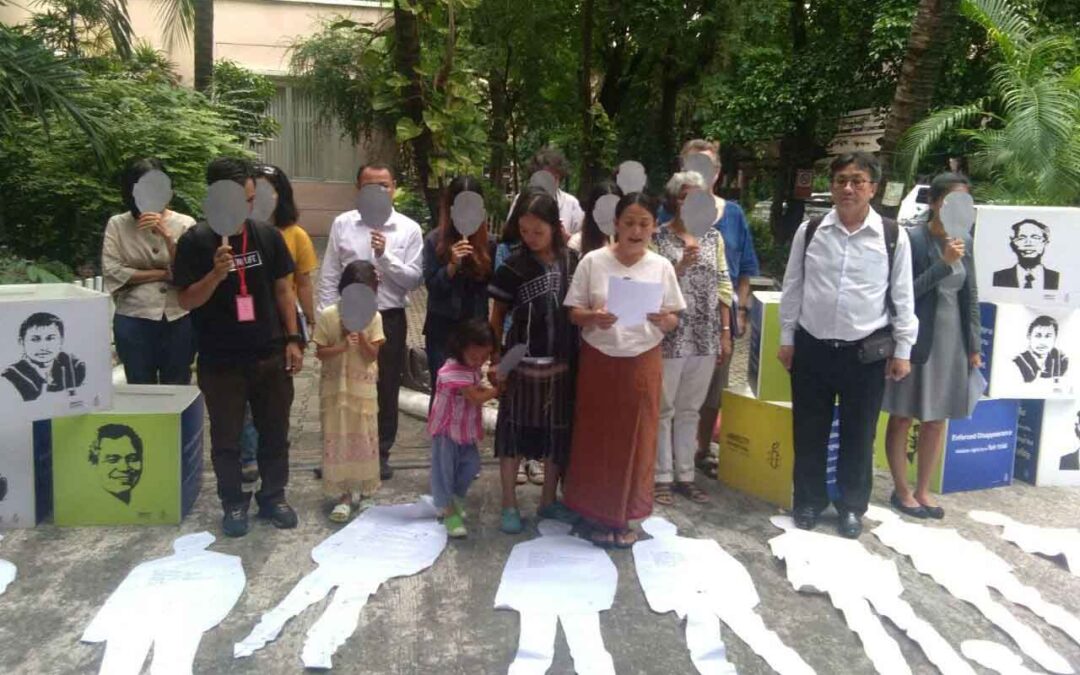
On 20 December 2019, the ICJ submitted recommendations to the Ministry of Justice on the Draft Prevention and Suppression of Torture and Enforced Disappearances Act (“Draft Act”), scheduled for public consultation between 4 and 31 December 2019.
The ICJ also expressed concern at the recurrent delays in the amendment and enactment of this important legislation which will be critical for ensuring accountability and justice for future victims of torture and enforced disappearance.
In October, the Ministry of Justice withdrew the draft Act from the Cabinet “for further revision”, an act which has served to further delaye the passage of essential legislation criminalizing torture and enforced disappearances.
The ICJ also regretted that the latest Draft Act, after several rounds of revisions and public hearings, still has not addressed many of the principal shortcomings which the ICJ and other stakeholders and experts have indicated need necessarily be amended in order to bring the law into line with Thailand’s international human rights obligations, particularly under the Convention against Torture and Other Cruel, Inhuman or Degrading Treatment or Punishment (“UNCAT”) and the International Covenant on Civil and Political Rights (“ICCPR”).
As it stands, it is also inconsistent with the International Convention for the Protection of All Persons from Enforced Disappearance (“ICPPED”), which Thailand has signed and committed itself to ratify.
The key concerns include:
- Incomplete definitions of the crimes of torture and enforced disappearance, as well as other key terms discordant with international law;
- The absence of provisions concerning cruel, inhuman and degrading treatment (CIDT/P);
- The inadequacy of provisions on the inadmissibility of statements and other information obtained by torture, CIDT/P and enforced disappearances as evidence in legal proceedings;
- The inadequacy of provisions relating to modes of liability for crimes described in the Draft Act;
- The inadequacy of provisions concerning safeguards against torture, CIDT/P and enforced disappearances; and
- The absence of provisions concerning the continuous nature of the crime of enforced disappearance and statute of limitations for torture and enforced disappearance crimes.
Download the recommendations in English and Thai. (PDF)
Further reading
Thailand: ICJ, Amnesty advise changes to proposed legislation on torture and enforced disappearances
Thailand: ICJ submits recommendations on draft law on torture and enforced disappearance amendments
Dec 10, 2019 | News
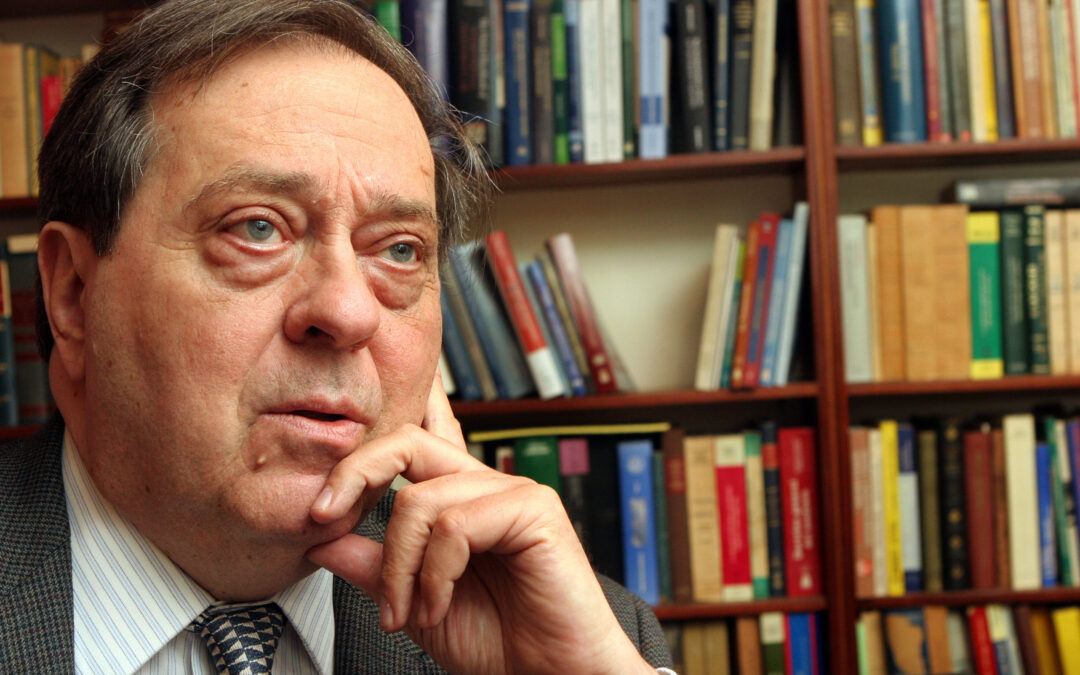
The ICJ mourns the loss of Professor Pedro Nikken, former President and Commissioner of the ICJ. Prof Nikken was elected ICJ President in January 2011, succeeding Mary Robinson (2008-2010) and followed by Nigel Rodley (2012-2017).
“Pedro Nikken left a tremendous legacy of respect for the rule of law and defense of human rights in his homeland of Venezuela, across Latin America and around the world,” said Prof Robert Goldman, the ICJ’s President.
“ Like so many others, I have lost a cherished friend and mentor whose company I will greatly miss,” he added.
Prof Nikken was a former Judge (1979-1989) and President (1983-1985) of the Inter-American Court of Human Rights. He served as UN Independent Expert on El Salvador from 1992 to 1995 and from 1990-1992 he served as Legal Adviser to the UN Secretary-General on El Salvador’s peace process.
In 1995 he served as Special Envoy of the UN Secretary-General to Burundi. He is former Dean and Professor (emeritus) at the Law School of the Universidad Central de Venezuela.
He was also former President and Permanent Counselor of the InterAmerican Institute of Human Rights. He was a Member (Chair N° 9) of the Venezuelan National Academy of Political and Social Sciences.
“Prof Nikken helped drive the ICJ’s work in pursuit of justice and accountability, particularly through regional human rights systems such as the Inter American Court of Human Rights, even as various governments tried to weaken the process and evade responsibility,” said Sam Zarifi, ICJ Secretary General.
“Pedro was indefatigable as a human rights defender and unsurpassed in the quality of his legal analysis, a rare combination of qualities that made him a role model for several generations of human rights lawyers around the world,” he added.
Pedro Nikken was born in Caracas, Venezuela in 1945. He graduated in 1968 from the Andres Bello Catholic University and obtained a diploma of higher studies in law at the Pentheon-Assas University (Paris II) and a doctorate in law from the University of Carabobo.