Apr 12, 2023 | Advocacy, News
Following the conviction today of journalist Nguyen Lan Thang on spurious charges, the ICJ has called on the Vietnamese judiciary to quash the conviction and immediately and unconditionally release him.
Mar 8, 2023 | News
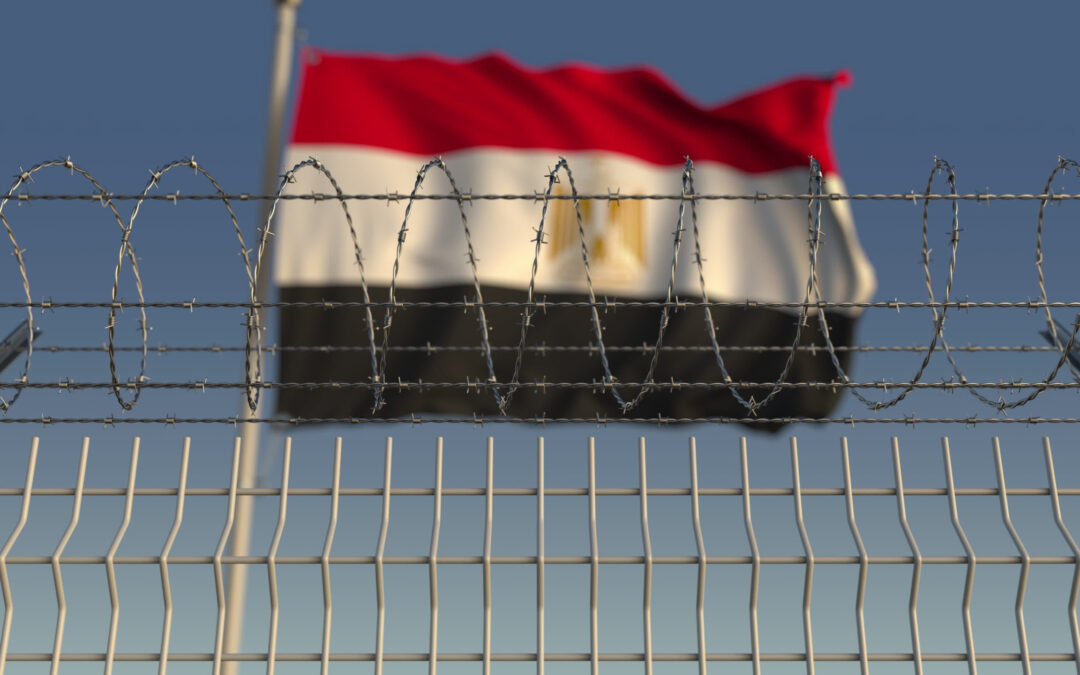
The convictions by the Emergency State Security Court (ESSC) of 30 defendants, 16 of whom are in custody, including members of the Egyptian Coordination for Rights and Freedoms (ECRF), solely for the lawful exercise of their rights to freedom of expression, association and assembly must be quashed and those imprisoned must be immediately and unconditionally released, the International Commission of Jurists (ICJ) said today.
يمكنكم قراءة وتحميل البيان باللغة العربية عبر هذا الرابط
Jan 27, 2023 | Advocacy, News
The Lebanese authorities must remove all obstacles impeding the investigation into the Beirut Port Blast on 4 August 2020, and ensure that any related disputes be resolved in compliance with rule of law principles and through legally established procedures, the International Commission of Jurists said today.
Jan 24, 2023 | Advocacy, News
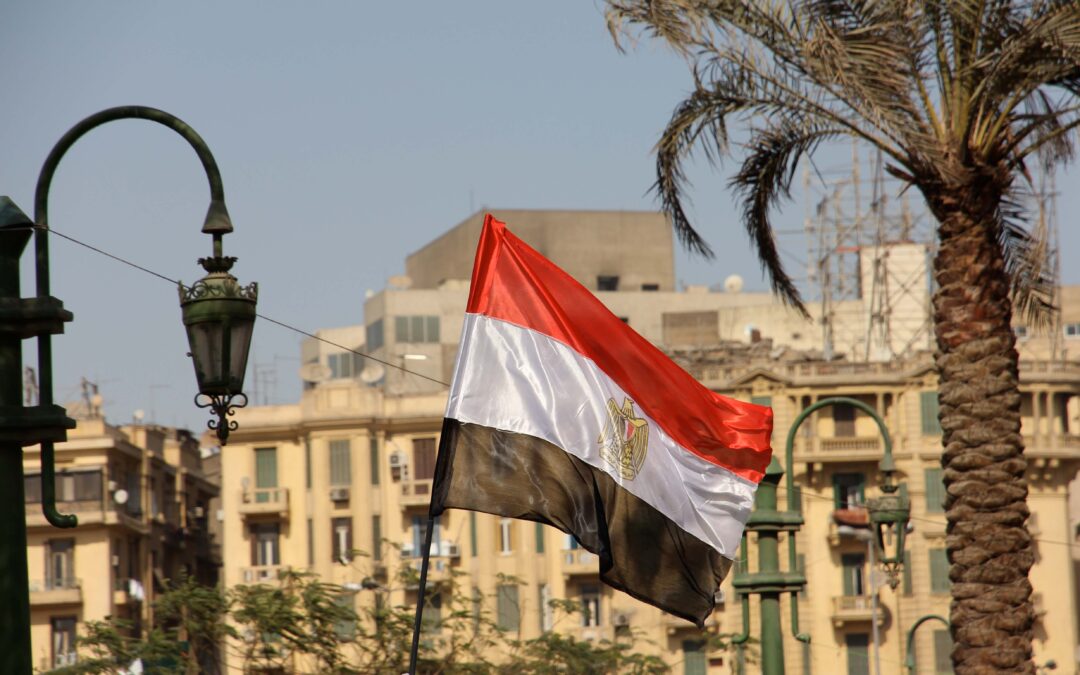
The International Commission of Jurists (ICJ) condemns the mass trial by the Emergency State Security Court (ESSC) in Case No. 1357 of 2019, known as the “Joker case”, of 103 defendants, including 29 defendants who were children at the time of their arrest, in which the Court handed down 82 guilty verdicts on 15 January 2023. Most of the defendants were arrested in the Suez Governorate in September 2019 in the context of protests against the deteriorating economic conditions; while many others – including four children, who had disseminated a video of themselves on social media, wearing “Vendetta masks” and calling for demonstrations — were arrested in October 2019. Another defendant, Muhammad Ali, a former Army contractor who had published calls to protest on social media from outside Egypt, remains at large.
Jul 11, 2022 | Human Rights Council, News, Statements, Work with the UN
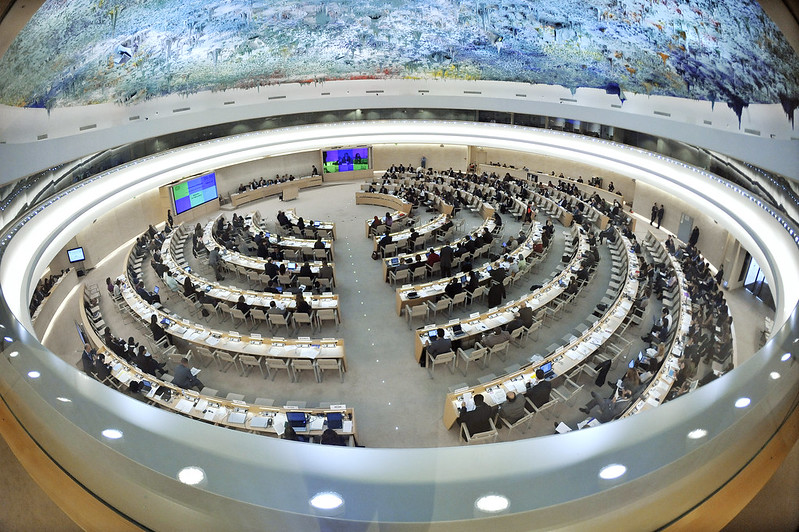
As it concludes its 50th session, the UN Human Rights Council has shown that it can act to address the human rights situations in countries in crisis, such as Libya, Syria, Belarus, Afghanistan, Sudan and Eritrea. It also has been able to withstand fierce opposition from retrograde States to work to protect those suffering violence and discrimination based on their sexual orientation or gender identity. However, the Council continues to fail to address some of the direst human rights situations in powerful countries, such as the Russian Federation and China.