Jan 18, 2021 | News
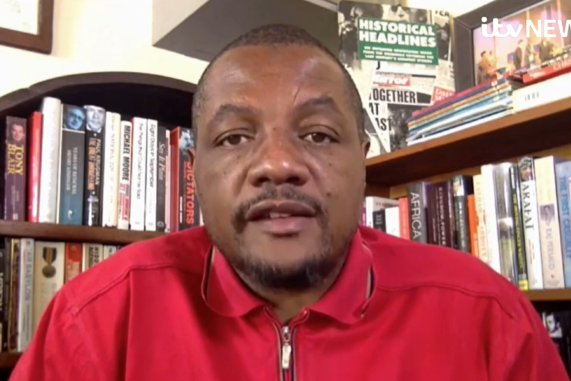
The ICJ today condemned the arbitrary arrests in recent days of prominent Zimbabwean human rights defenders Hopewell Chin’ono, Fadzayi Mahere and Job Sikhala, who have been critical of the government led by President Emmerson Mnangagwa.
The ICJ is concerned that their arrests and potential prosecutions are based solely on their exercise of protected human rights, including freedom of expression. The ICJ calls for their immediate release and the dropping of the charges against them.
The three have been charged with contravening section 31 of the Criminal Code which prohibits “publishing or communicating false statements prejudicial to the state”.
The alleged offences arise from posts made on social media and comments issued by all three in connection with an incident at a Harare taxi rank in which a police officer is alleged to have assaulted a mother with a baby on her back.
ICJ’s Africa Director Kaajal Ramjathan-Keogh said:
“The use of judicial processes to silence these three human rights defenders constitutes a continuing assault on members of the bar and journalists and is a clear attempt to chill others from carrying out their professional functions when these activities offend government authorities. Of concern is the continued use of criminal defamation (section 31) charges which were declared unconstitutional in 2014 yet continues to be weaponised against human rights defenders.”
Chin’ono, a journalist, was arrested on 8 January and had his application for bail rejected on 14 January. He has been handcuffed and held in leg irons during court appearances, despite a Magistrate’s ruling on 12 January that forcing Chin’ono to be shackled in leg irons and handcuffing him amounts to inhumane and degrading treatment.
Mahere is a lawyer and spokesperson of the opposition political party Movement for Democratic Change (MDC) Alliance. She was arrested on 11 January. On 15 January Magistrate Trynos Utahwashe failed to hand down his ruling on her application for bail as required.
Bail was however granted today. Mahere did raise concerns about the absence of essential COVID-19 measures in her detention, including the lack of temperature checks or sanitisers at the entrance to the police station; the failure to practice social distancing in the waiting area or holding cells; the unavailability of masks in the cells and use of old masks by cellmates; as well as the failure to provide sanitary materials to female inmates.
Sikhala is a human rights lawyer, the MDC Alliance Vice National Chairperson, and MP for Zengeza West.
He was part of Chin’ono’s legal team. On 15 January Magistrate Ngoni Nduna dismissed his bail application stating that there was overwhelming evidence against him not to grant it. He remains in prison custody while he awaits trial. Sikhala has also been handcuffed and held in leg irons during court appearances.
Ramjathan-Keogh added:
“The courts have unlawfully employed the denial of bail as well as the repeated prolonged bail proceedings as a punitive tool in these cases. Pre-trial detention without the opportunity for bail, with exceptions not applicable here, is a violation of the right to liberty. The government has an obligation to provide safe and humane conditions of detention.”
The ICJ recalls that that Zimbabwe’s Constitution guarantees the rights to freedom of expression and freedom of the media (Article 61); freedom from arbitrary detention (Article 50). Zimbabwe has an international legal obligation to protect these rights under the International Covenant on Civil and Political Rights (Article 9 and 19) and the African Charter on Human and Peoples’ Rights (Articles 6 and 9).
Contact:
Kaajal Ramjathan-Keogh, Director of ICJ Africa Programme, e: Kaajal.Keogh(a)icj.org ; t: +27845148039
Tanveer Jeewa, Legal and Communications Consultant, e: Tanveer.Jeewa(a)icj.org
Background Information:
Hopewell Chin’ono has been arrested on three separate occasions. He has been denied bail on each occasion and those bail proceedings have been unduly and unfairly prolonged. He was initially arrested in July 2020 after he expressed support on Twitter for an anti-corruption protest, which was planned for 31 July. He was charged with incitement to participate in public violence and breaching anti-corona virus health regulations.
He appeared in court three times to apply for bail and was only granted bail in September 2020, nearly two months after his arrest. On 3 November 2020, he was re-arrested for contempt of court for allegedly violating section 182(1)(a) or (b) of the Criminal Code because of a tweet he posted. His tweet stated: “On day of bail hearing CJ was seen leaving court in light of what has been said by judges what does this say.” The arrest violates Zimbabwe’s constitutional provisions, in particular, section 61, which provides for freedom of expression and the right of a journalist to practice his profession. He was again arrested on 8 January 2021 for allegedly communicating falsehoods by tweeting that police beat a baby to death.
Chin’ono was in 2020 denied access to the legal representative of his choice. The magistrate’s order barring lawyer Beatrice Mtetwa from continuing as defence legal counsel for Chin’ono violated his right to a fair trial and Mtetwa’s right to express her opinions freely. See ICJ’s statement of 21 August 2020.
Jan 15, 2021 | News
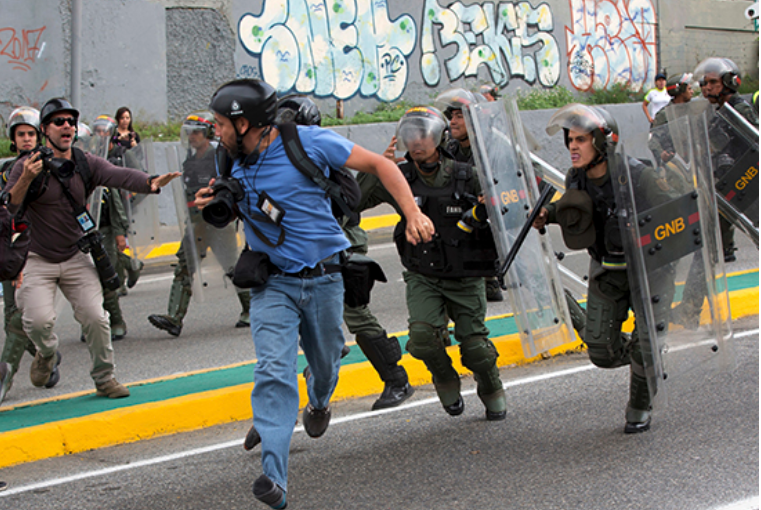
The recent campaigns of stigmatization, harassment, and repression against the media in Venezuela constitute a clear attack against the freedoms of expression and of access to information and infringe upon journalists’ important contributions to expose human rights violations committed by the authorities.
These attacks follow incidents of harassment of other organizations and may be part of a broader campaign against civil society in Venezuela, through which the authorities undermine the work that these groups carry out in defense of human rights.
The media outlet Efecto Cocuyo, community radio channel Fe y Alegría, as well as the National Press Workers Union, VPI TV, and news journal Panorama, among other media outlets, have become the target of stigmatization campaigns and legal scrutiny by the authorities that respond to Nicolás Maduro.
According to Venezuelan human rights organization PROVEA, during the first 8 months of the state of emergency declared in response to the pandemic, 66 journalists and media staff have been detained in Venezuela.
Since January 6, 2021, independent media organizations such as Efecto Cocuyo and El Pitazo have been accused, first by pro-government media and later by Venezuelan authorities—including Maduro himself—of advancing foreign “interference” efforts in exchange for international cooperation.
At the same time, digital news channel VPI TV was subject to an arduous audit and the seizure of its equipment from its office in Caracas, which provoked the “temporary” closing of its operations.
On January 8, daily newspaper Panorama announced on social media that its operations had been closed for five days by the National Integrated Service for the Administration of Customs Duties and Taxes (SENIAT), on the grounds of “incompliance with formal duties and tax obligations.” The media organization complied with this order to close.
Other media groups have faced attacks by unknown actors during this same period. One example is the digital newspaper Tal Cual, which on January 8 reported that it had been the target of a 3 hour-long digital attack, during which staff experienced difficulties accessing their own web page.
The government of Nicolás Maduro frequently uses public accusations and other forms of harassment to intimidate and attempt to silence those who criticize the government, express ideas contrary to its policies, or denounce human rights violations—including against humanitarian actors—all of which undermines the right to freedom of expression.
These patterns of harassment amount to serious attacks against the integrity, freedom, and judicial guarantees of human rights defenders and journalists.
According to High Commissioner for Human Rights Michelle Bachelet, in Venezuela “journalists and human rights defenders critical of the government continue to face intimidation and public defamation,” and there are clear “restrictions on the freedom of expression,” including the “application of legislation against targeted groups, attacks against human rights defenders and the detention of journalists.”
Human rights violations occur in a systematic and generalized manner in Venezuela, and the United Nations Fact-Finding Mission found “reasonable grounds to believe” that crimes against humanity were committed in Venezuela between 2014 and 2020.
The Venezuelan authorities have a responsibility to prevent such harassment and attacks, and to abstain from encouraging or committing them.
The occurrence and recurrence of these types of actions, including the persecution of human rights defenders and journalists, the violation of their freedom of expression or illegal or arbitrary detention, or the eventual criminalization of international support for human rights defenders, may amount to serious human rights violations or crimes under international law.
The below organizations condemn these incidents and firmly demand that authorities under the command of Nicolás Maduro put an end to the harassment and attacks against media outlets, journalists, and human rights defenders.
We also request that the authorities guarantee respect for the informative work of these groups and their freedom of expression, as well as their contributions to expose human rights abuses and violations committed in Venezuela.
Signing organizations:
Amnesty International
Conectas
International Commission of Jurists
Human Rights Watch
Washington Office on Latin America (WOLA)
Dec 18, 2020 | Agendas, Events, News
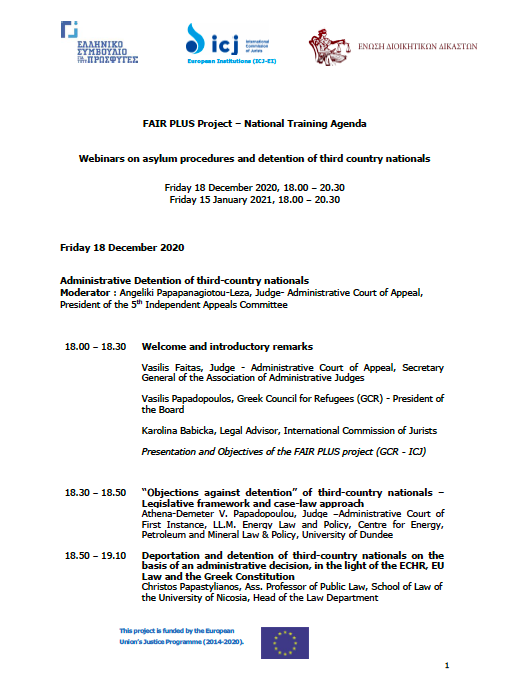
The ICJ and the Greek Council for Refugees (GCR) today hold the first part of the online training for Greek judges and lawyers on asylum procedures and detention of third country nationals as a part of the FAIR PLUS project.
The training brings together experts from the Greek Administrative Court of Appeal, Administrative Court of First Instance, European Court of Human Rights, GCR, ICJ and academics for a discussion on administrative detention on third-country nationals with a focus on the current situation in Greece.
Among the topics to be discussed today are domestic remedies to detention of third-country nationals; as well as deportation and detention of third country nationals in light of the European Convention on Human Rights (ECHR), EU law and Greek constitutional and European Court of Human Rights (ECtHR) case-law regarding immigration detention.
The second part of the training, on fair and effective asylum procedures, is planned for 15 January 2021, and will focus on Directive 2011/95/EE (inclusion clause in refugee protection status); asylum procedure and procedural guarantees; case-law of the CJEU on asylum and common issues of asylum applications – credibility and safe third country.
This is the third training delivered as part of this project, the first two having been held in person this January in Dublin and last December in Pisa.
See the agenda for both parts of the training in English and in Greek.
This training is a part of FAIR PLUS project. It was carried out with the financial support of the European Union. Its contents are the sole responsibility of ICJ and do not necessarily reflect the views of the European Union.
Nov 20, 2020 | News
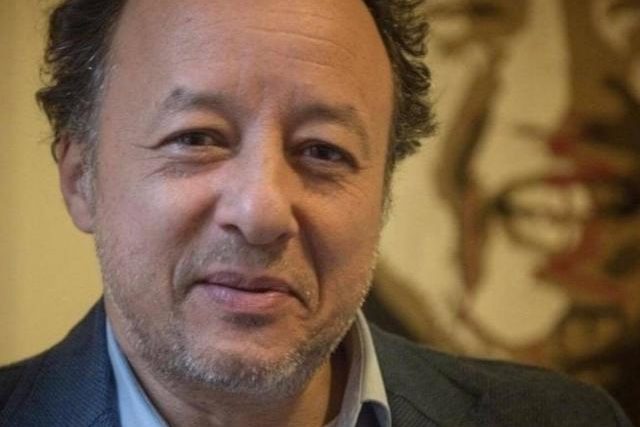
The ICJ today called on the Egyptian authorities to immediately and unconditionally release human rights defenders Gasser Abdel-Razek, Mohamed Bashseer and Karim Ennarah.
The detainees, senior staffers of the Egyptian Initiative for Personal Rights (EIPR), a leading human rights organization, were targeted in connection with their human rights work.
The arrests are part of a broader, relentless campaign by the military and government to intimidate and silence civil society organizations, including through such means as trumped-up “terrorism” charges and sham judicial proceedings.
“By arresting Mohamed Bashseer, Karim Ennarah and Gasser Abdel-Razek, and charging them with terrorism-related offences, the Egyptian government led by President Al-Sisi are writing a new, terrifying chapter in their repression playbook,” said Said Benarbia, Director of ICJ’s Middle East and North Africa Programme.
“Their crackdown on independent civil society must end.”
On 19 November 2020, Gasser Abdel-Razek, EIPR’s Executive Director, was arrested by security forces from his home in Maadi, Cairo. He appeared before the Supreme State Security Prosecution (SSSP) and charged in case No. 855/2020 with, among other charges, “joining a terrorist group” and “spreading false news.”
On 15 November 2020, EIPR’s Administrative Manager Mohamed Bashseer, was arrested at his house in Cairo. On 17 November 2020, Karim Ennarah, EIPR’s director of the criminal justice programme, was also arrested.
They both face similar charges in the same case No. 855/2020, together with other numerous lawyers and human rights defenders, including Mohamed El-Baqer and Mahienour al-Massry.
Over the past seven years, EIPR has been subjected to a pattern of harassment and persecution by the military and government.
In 2016, the assets of EIPR’s founder and former executive director, Hossam Bahgat, were frozen and he was subjected to a travel ban since then.
On February 2020, Patrick George Zaki, an EIPR researcher, was arrested at Cairo Airport by National Security Agency officers who reportedly subjected him to torture, including with electric shocks. He was charged by a public prosecutor with, among other charges, “spreading false news” and “inciting protest without authorization”. He remains in custody
The recent arrests of the three senior EIPR officials follow a visit by a number of European ambassadors and other diplomats to the EIPR Cairo offices on 3 November 2020, during which the human rights situation in Egypt was discussed.
“The international community and in particular States engaging in political and security cooperation with Al-Sisi’s regime must not overlook the serious violations against human rights defenders taking place in the country,” added Benarbia.
“They should demand an end to these violations and ensure that individuals and independent human rights groups are able to do their legitimate and critical human rights work freely and without intimidation.”
Contact
Said Benarbia, Director, ICJ Middle East and North Africa Programme, t: +41-22-979-3817; e: said.benarbia(a)icj.org
Download the Arabic version
Egypt-EIPR crackdown-News-2020-ARA
Oct 27, 2020 | News
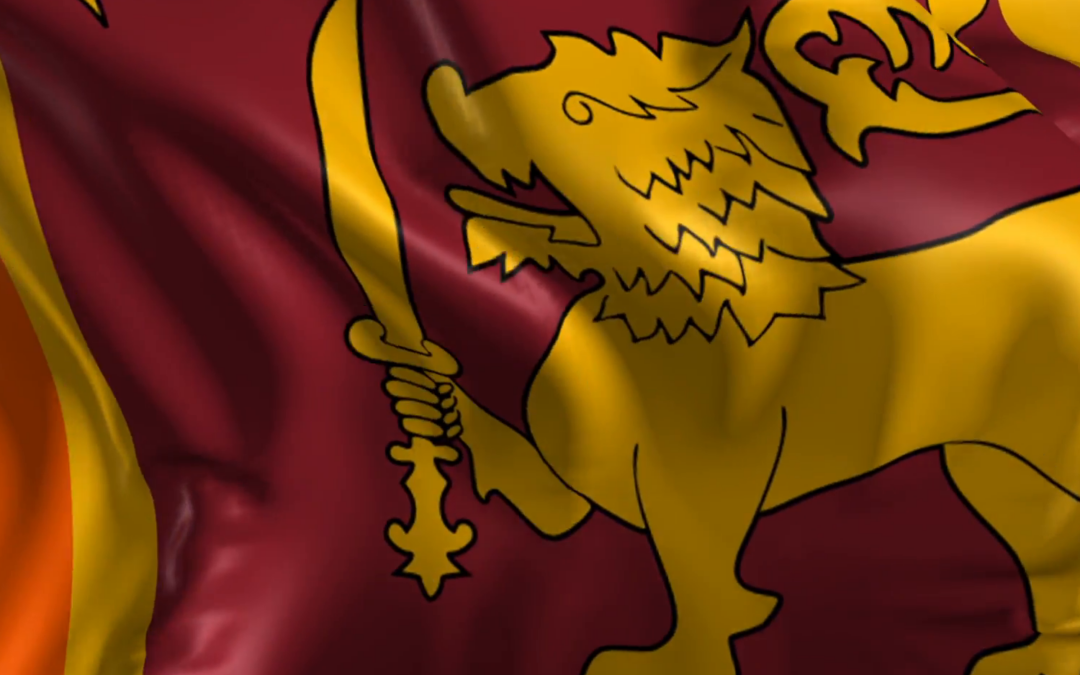
The ICJ today condemned the adoption of amendments to the Sri Lankan Constitution, which serve to expand the powers of the President, while encroaching on the powers of the parliament and courts.
The 20th Amendment to the Constitution was passed into law on 22 October, with 156 of the 225 parliamentarians voting in favour of the amendment, after a mere two-day debate, overruling the Opposition’s request for at least four days of deliberation.
The ICJ noted that the Amendment undoes most of the reforms brought about by the 19th Amendment adopted only in 2015. Critically, it introduces judicial appointment procedures which are incompatible with principles of the justice by reintroducing the Parliamentary Council, consisting only of political actors.
That body serves to merely advise the President, regarding appointments to the judiciary and other key public institutions.
The 20th amendment gives the President sole and unfettered discretion to appoint all judges of the superior courts. Under international standards, appointments to the judiciary should not be vested solely with the executive.
Given the gravity of the constitutional changes, the ICJ expressed regret that the Government had suspended Standing Order 50 (2), which requires every bill to be referred to the relevant Sectoral Oversight Committee for consideration prior to being debated in parliament.
“It is appalling that Constitutional amendments with such far reaching consequences on the constitutional governance of the country were rushed through in such haste, especially at a time Sri Lanka battles with its largest COVID-19 outbreak to date,” said Ian Seiderman, ICJ’s Legal and Policy Director.
The ICJ welcomes the alteration made to some of the problematic provisions of the 20th Amendment Bill during Committee Stage, particularly in relation to presidential immunity and the time period within which the president can dissolve Parliament.
The ICJ nonetheless is particularly concerned with the decision of the Minister of Justice to introduce entirely new provisions at Committee Stage, particularly in relation to the increase of the number superior court judges. The Supreme Court Bench will be increased from 11 to 17 and Court of Appeal from 12 to 20. These substantive amendments were not part of the gazetted 20th Amendment bill, the provisions of which were challenged before the Supreme Court by as many as 39 petitioners.
“While an increased number of judges may reduce court delays and expedite the judicial process, introducing substantive amendments such as this at Committee Stage is problematic at multiple levels,” Seiderman added.
“Sneaking in substantial changes at the last stage of the legislative process where there is no opportunity for public comment or judicial review is not consistent with democratic processes under the rule of law.”