Oct 12, 2015 | News
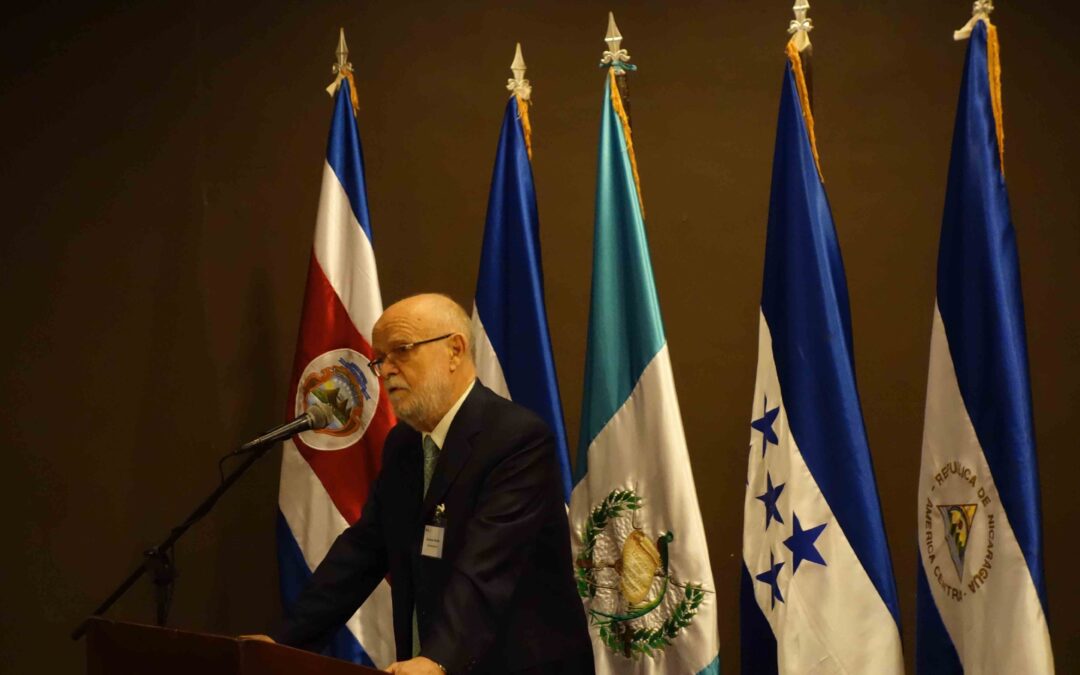
In coordination with the Norwegian Judges’ Association and the Guatemalan Mayan Bar Association, the ICJ inaugurated today a two-day Conference in Guatemala City.
The Conference was inaugurated by Jan Gerhard Lassen (the Norwegian Ambassador for Guatemala), Josué Baquiax Baquiax (President of the Supreme Court ), ICJ Commissioner José Antonio Martín Pallín and Director of the ICJ in Central America, Ramón Cadena.
The main topics of discussion were the need to strengthen the judicial career, and associationism.
Guatemala currently has only one formal judge´s association, which was identified by the speakers at the Conference as not consistently acting in the best interests of independent judges, necessitating the creation of an alternative association.
In terms of the judicial career, judges from around the region discussed the changes necessary to the law in Guatemala to ensure that judges are protected from undue pressures coming from outside, and within the judiciary.
The Conference concludes tomorrow with a public forum which will showcase the results of two forthcoming ICJ studies on judicial independence and specialized justice.
Oct 4, 2015 | News
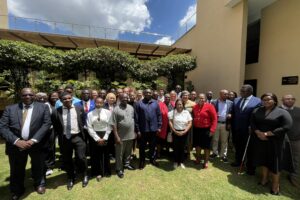
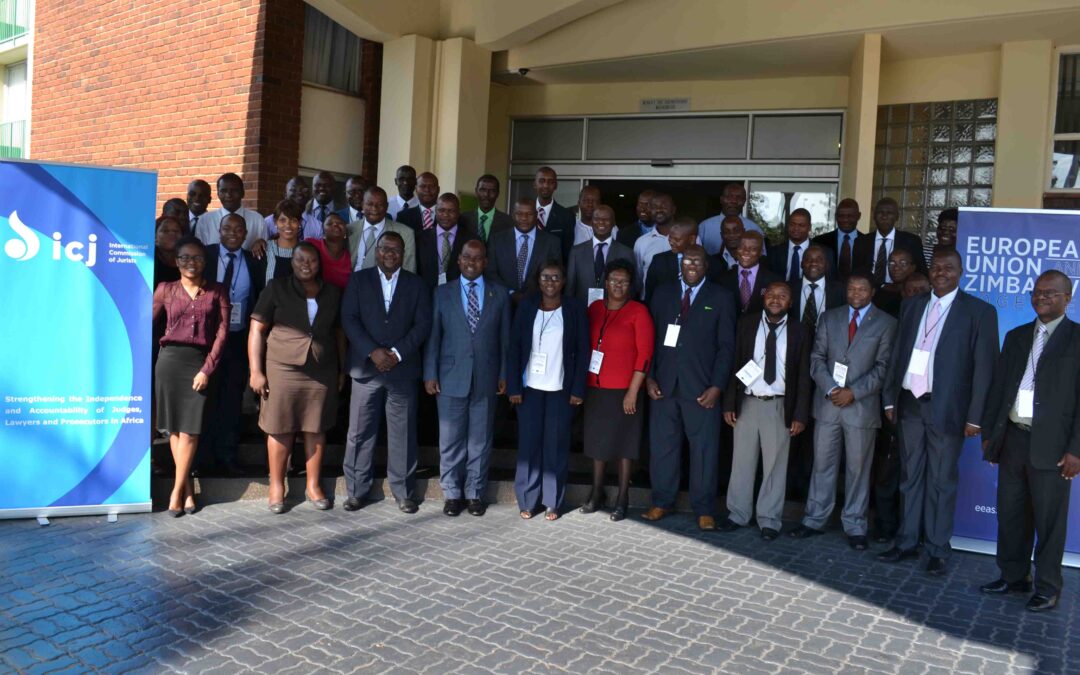
With support from the European Union (EU) and ICJ, the National Prosecuting Authority (NPA) held the first of two training of trainers in Bulawayo from 2-4 October 2015.
The training focused on regulations, code of ethics and prosecutorial guidelines and was attended by 50 senior prosecutors, senior law officers and office directors in attendance.
The participants are expected to then roll out the training at their various stations to cover the entire 500 women and men strong team of prosecutors.
Prior to adoption of the 2013 Constitution, prosecutors were supervised by the Attorney General under the Ministry of Justice.
Issues in respect of conduct, discipline, appointment, performance appraisal and other related conditions of service were dealt with through the line ministry and civil service commission.
The passage of the Constitution and the enactment of the NPA Act introduced the office of the Prosecutor General equally tasked with regulating the conduct of its staff through the NPA Board or any other delegated authority within the NPA.
The regulations and code of ethics were gazetted on 7 August 2015.
The code of ethics provides for the independence, integrity, propriety, impartiality, political engagement, competence and diligence of prosecutors in Zimbabwe.
The Prosecutor General also developed prosecutorial guidelines as mandated by the Constitution and the NPA Act on the institution of and conducting of criminal proceedings.
The objectives of the training were to equip senior officials with skills to conduct trainings for middle and lower officers to ensure greater compliance with the requirements of the new constitution of Zimbabwe; to familiarize senior officials on the regulations and code of conduct to ensure greater compliance with the requirements of the new constitution of Zimbabwe and to familiarize and train senior officials on the application of prosecutorial guidelines consistent with the requirements of the new constitution of Zimbabwe.
Following the completion of the trainings, the ICJ and NPA will conduct routine and random visits to different stations for purposes of observing the implementation, roll out of trainings and spot checks.
Remote support will also be provided in terms of statutes, such as the NPA Act, the regulations and code of ethics.
Further work is being explored to produce an updated prosecutor’s handbook that covers issues of prosecutorial conduct, ethics and guidelines.
Contact
Arnold Tsunga, ICJ Regional Director for Africa, t: +27 73 131 8411, e: arnold.tsunga(a)icj.org
Oct 2, 2015 | News
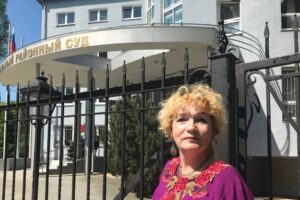
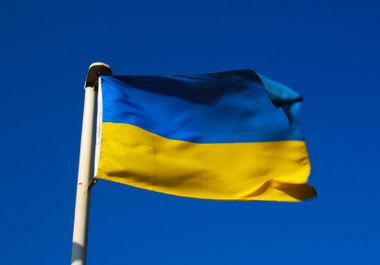
The ICJ is concerned at the recent disbarment of lawyer Andriy Vishnevsky, Director of the Coordination Centre of Legal Aid of the Ministry of Justice of Ukraine.
The ICJ considers that his disbarment, which resulted from his public comments critical of the Ukrainian bar association, interferes with his capacity to freely discharge his professional functions as a lawyer.
Furthermore, it constitutes a violation of his right to freedom of expression, and risks unduly constraining lawyers in legitimate participation in public debate.
The ICJ calls on the Ukrainian bar association to reinstate Andriy Vishnevsky to the bar so that he can resume his status as an accredited lawyer.
Andriy Vishnevky was disbarred on 10 September, following a hearing before the Qualification-Disciplinary Commission of Kiev Region Advokatura. Disciplinary proceedings were initiated based on two separate complaints: one submitted by the Ukrainian national bar association on 24 June 2015; and the other by Ukrainian Parliament Member Rybalka S.V. on 22 June 2015.
The complainants alleged that Andriy Vishnevsky “humiliated the bar, every lawyer, destroyed respect of the society to the bar in the State, in contradiction with the European standards”.
They cited his comments made at a conference on 15 June 2015 at the premises of the Supreme Court of Ukraine, where he presented his report “The bar and free legal aid: approaches to the reform”.
He made a number of comments critical of the legal profession.
These included his assessment that the bar association was “in a dire state”; a reference to “low ethical standards and professional level of the bar”, including that lawyers are “the main corruption element”; and a claim that “the phenomenon of police lawyers is not counteracted by the national bar association and not commented upon in any way”.
The decision quoted him as saying that “if the bar is not reformed as soon as possible in accordance with the principles and standards of the Council of Europe, it can become a hindrance to the implementation of the judicial reform”.
The Disciplinary Chamber came to the decision that the statements of Andriy Vishnevsky were contrary to the law and the Code of Lawyers’ Ethics and that he should therefore be disbarred for the statements made during the conference.
The ICJ considers the Chamber’s decision to contravene fundamental and universal principles on the independence of the legal profession.
If applied generally, this interpretation of the Code of Ethics would effectively prevent lawyers from critically debating the governance of the legal profession.
The UN Basic Principles on the Role of Lawyers provide that while lawyers should “maintain the honour and dignity of their profession as essential agents of justice” they, like other persons, “shall have the right to take part in public discussion of matters concerning the law, the administration of justice and the promotion and protection of human rights.”
The right to freedom of expression is protected in international human rights law, including the International Covenant on Civil and Political rights and the European Convention on Human Rights, treaties to which Ukraine is a party.
Under the European Convention on Human Rights, where matters of public interest are discussed there is a particularly narrow scope for restriction of freedom of expression.
Disciplinary action against a lawyer, solely on the grounds of comments critical of the bar association, made at a conference convened to debate aspects of the justice system, amounts to an illegitimate interference with freedom of expression.
The ICJ is concerned that such punitive measures are likely to have a chilling effect on freedom of expression of lawyers in Ukraine and in particular on their ability to engage in debate on reform of the justice system.
It is important, for any justice system, that such debate take place with the active participation of the legal profession, as lawyers are amongst those best placed to identify and criticize the deficiencies of the justice system and make informed proposals for reform.
The ICJ calls on the Ukrainian bar association to reinstate Andriy Vishnevsky as a lawyer.
Furthermore, the ICJ recommends that the interpretation of the Code of Ethics should be reviewed and guidance should be issued to ensure that the Code of Ethics is not applied to stifle public debate among lawyers on ways to reform the justice system in Ukraine.
Contact:
Róisín Pillay, Director, Europe Programme, roisin.pillay(a)icj.org
Temur Shakirov, Legal Adviser, Europe Programme, temur.shakirov(a)icj.org
The full statement with background information can be downloaded here:
Ukraine-Lawyer Vishnevsky statement-News-web story-2015-ENG (in PDF)
Ukraine-Lawyer Vishnevsky statement-News-web story-2015-UKR (Ukrainian version, in PDF)
Sep 24, 2015 | Advocacy, Non-legal submissions
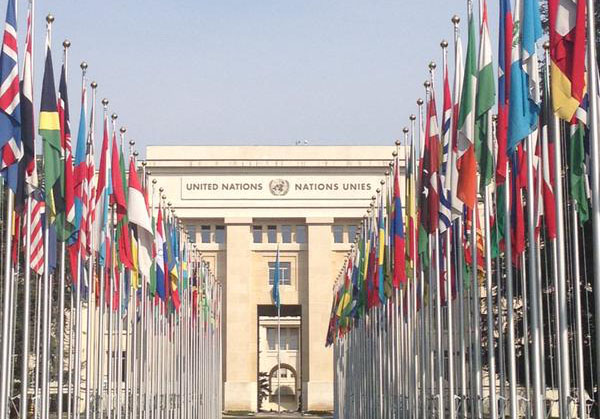
The ICJ made an oral statement to the UN Human Rights Council in Geneva today, calling on the Maldives to accept and implement recommendations on human rights and the rule of law, including the independence of the judiciary, received as part of the UN Universal Periodic Review process.
The statement, which was also supported by the NGO South Asians for Human Rights (SAHR), may be downloaded in PDF format here: Maldives-UN-HRC30OralStatement-Advocacy-non legal statement-2015-ENG
The report of a joint ICJ-SAHR fact-finding mission to the Maldives, conducted earlier this year, is available here.
Sep 21, 2015 | News
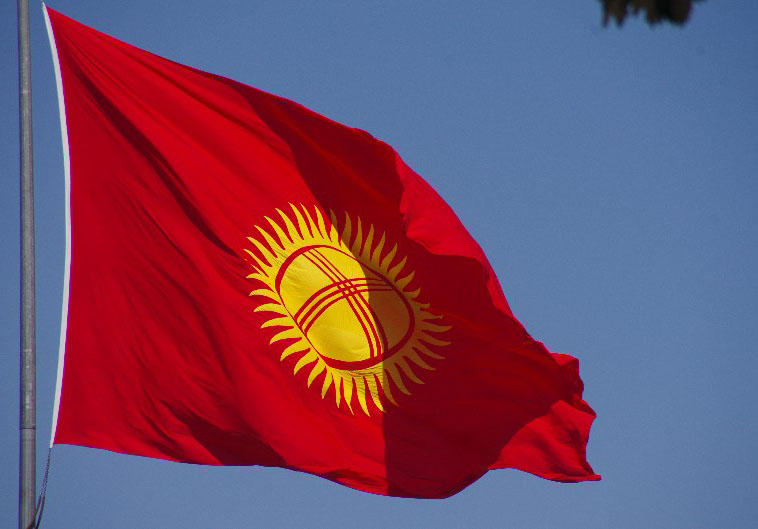
Today, the ICJ has started its mission to the Kyrgyz Republic on organisation and functioning of the legal profession.
During the mission, which will last from 21 to 25 September, the ICJ will assess the implementation of the new legislation unifying the legal profession under a single national bar association, including establishment of new structures and standards for the self-governance of the profession regarding qualification, disciplinary action and professional ethics.
A round table with independent lawyers will be held during the visit, other meetings with bodies of the Bar Association, State officials and other stakeholders that take part in the reform will be held.
The mission will include Jeroen Brouwer, former President of the Dutch Bar Association, Róisín Pillay, Director of the Europe Programme and Temur Shakirov, Legal Adviser of the Europe Programme.
The mission will be followed by a brief report with recommendations for reform.
Contact:
Róisín Pillay: roisin.pillay(a)icj.org
Temur Shakirov: temur.shakirov(a)icj.org