Mar 2, 2015 | Events
A major side event at the Human Rights Council, featuring current and former UN Special Rapporteurs together with human rights defenders from Swaziland and Zimbabwe, will discuss national security and human rights defenders, on 10 March.
The ICJ joins Article 19, FIDH, ISHR, and OMCT, in supporting the side event.
The panel discussion will feature:
- Michel Forst, UN Special Rapporteur on Human Rights Defenders
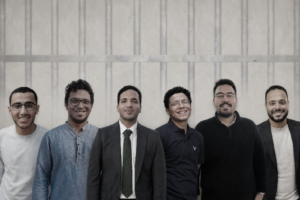
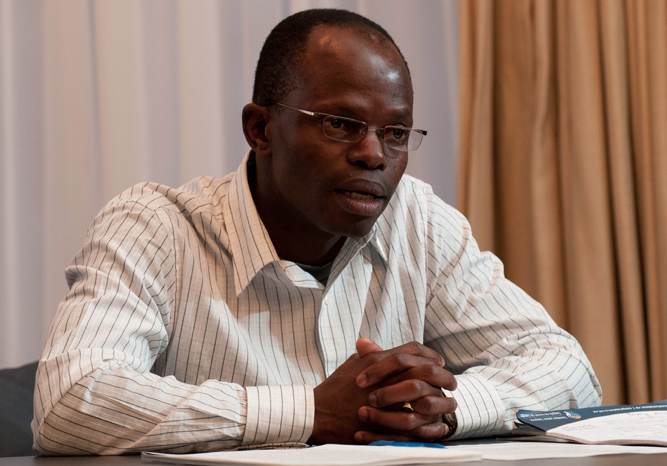
- Tanele Maseko, campaigner for the release of her detained husband, Swaziland lawyer Thulani Maseko (pictured – see recent submission on his case here)
- Jimena Reyes, Director of Americas Desk, FIDH
- Hina Jilani, Pakistani human rights lawyer and former UN Special Representative on Human Rights Defenders (and member of the ICJ Executive Committee)
- Roselyn Hanzi, Zimbabwe Lawyers for Human Rights
- Gerald Staberock, Director, World Organisation against Torture
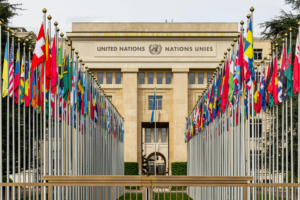
The side event will take place Tuesday, 10 March, from 15h00 to 16h30, at Palais des Nations, Geneva, Room XI.
Mar 2, 2015 | Advocacy, Open letters
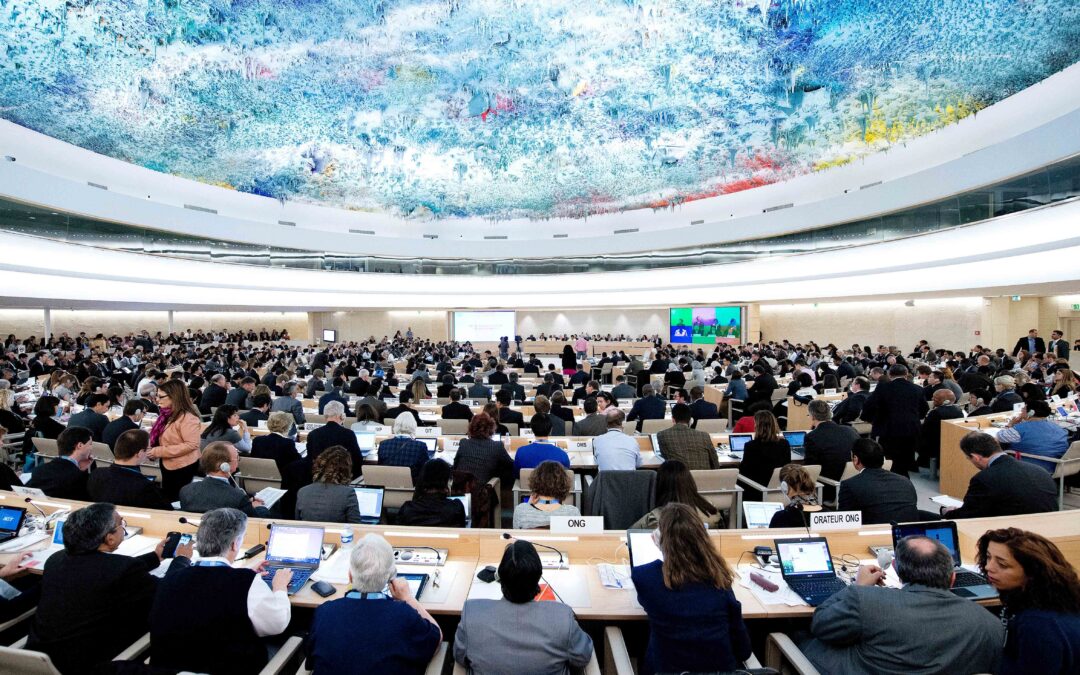
The ICJ today joins with dozens of other NGOs from around the world in an open letter calling for the UN Human Rights Council to establish a Special Rapporteur on Privacy at its current session.
The UN General Assembly, the UN High Commissioner for Human Rights, existing special procedure mandate holders, and many states and civil society organisations have recognized the pressing need to provide continuous, systematic and authoritative guidance on the scope and content of the right to privacy as enshrined in article 12 of UDHR and article 17 of ICCPR. Significantly, all of them have identified the need to assess and monitor the ongoing implementation of this right. The creation of a Special Rapporteur would fill this long-standing gap.
Although the initiative, led by Germany and Brazil, has its origins in concerns about online and telecommunications surveillance, the call is for the creation of a Special Rapporteur with a mandate to look at all aspects of the right to privacy, in all contexts, including issues relating to private sector practices.
HRC28-SRPrivacy-Advocacy-JointLetter-2015
Nov 23, 2014 | Events
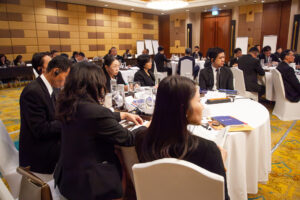
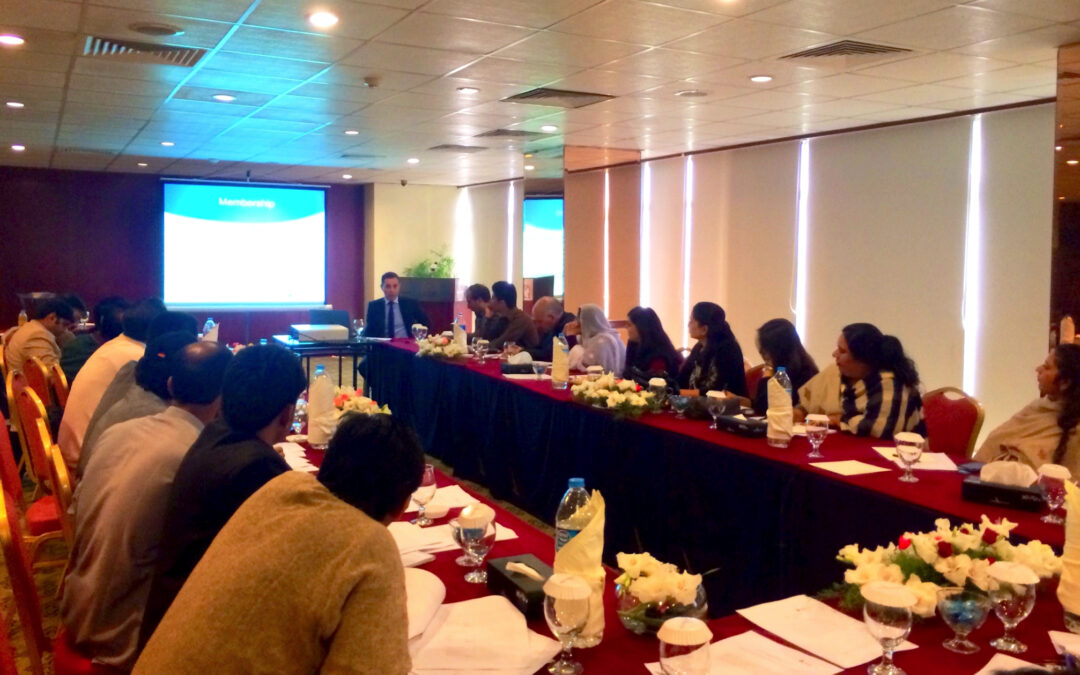
In partnership with the Human Rights Commission of Pakistan (HRCP), the ICJ convened and participated in a one-day workshop on the Universal Periodic Review (UPR) mechanism of the UN Human Rights Council, held in Lahore on 22 November 2014.
The workshop was convened by the ICJ and HRCP as a follow up to, and in response to requests by participants at, training workshops held in Pakistan in February 2014. Now half way between Pakistan’s second and third periodic reviews under the UPR mechanism, the workshop brought together representatives from civil society from throughout Pakistan working on a wide range of human rights issues. It drew from the experience of national and international advocates and human rights lawyers and defenders to discuss:
- The importance of international human rights law at the national level;
- The UPR as a mechanism for human rights protection and how it fits within the broader framework of UN human rights mechanisms;
- Opportunities for NGO engagement in the UPR, especially in the development of a mid-term civil society evaluation report and in preparation for Pakistan’s third cycle UPR in 2017; and
- Weaknesses in Pakistan’s engagement with the UPR.
Oct 30, 2014 | News
The UN Human Rights Committee today emphasized the need for Sri Lanka to take legislative and other measures to address concerns for the independence of the judiciary in the country.
Sep 26, 2014 | News
As the UN Human Rights Council approached the conclusion of its 27th regular session tonight, it adopted resolutions including on the topics of violence and discrimination on the basis of sexual orientation or gender identity and the protection of civil society space.
The resolutions on civil society space, and on non-violence and non-discrimination on grounds of sexual orientation or gender identity, were adopted after a series of hostile amendments were defeated.
The resolution on sexual orientation and gender identity, led by Brazil, Chile, Colombia and Uruguay, recognizes the worldwide problem of violence and discrimination, and builds on a resolution on the same subject from 2011. It calls for the High Commissioner for Human Rights to update the report produced under the 2011 resolution.
The States that supported the resolution on sexual orientation and gender identity overcame a series of amendments brought by Congo, Djibouti, Egypt, Malaysia, Nigeria, South Sudan, Uganda, and United Arab Emirates. The amendments would have among other things deleted all references to sexual orientation and gender identity from the resolution text, fundamentally changing its purpose, and perpetuating a complete denial of the very real violence and discrimination inflicted on lesbian, gay, bisexual, transexual and intersex people in all regions of the world.
The civil society space resolution, which was led by Chile, Ireland, Japan, Sierra Leone, Tunisia, draws on discussions at a Panel convened by the Council earlier in the year. It affirms the valuable contribution made by civil society in countries around the world, expresses concern about the threats and challenges faced by civil society, and requests the High Commissioner for Human Rights to produce practical recommendations for addressing these threats and concerns.
The texts of the resolutions (in the final draft form on which they were adopted – the official final versions are not yet available) are available here: Civil Society Resolution Sexual Orientation Gender Identity Resolution
A joint NGO press release on the resolution on sexual orientation and gender identity is available here.
The ICJ maintains databases of jurisprudence, legislation and UN action on the topic of sexual orientation and gender identity.