Aug 19, 2020 | Artículos, Noticias
Hoy la CIJ llamó a las autoridades públicas a abstenerse de realizar comentarios o acciones que puedan socavar la integridad del proceso judicial y la independencia de la Rama Judicial.
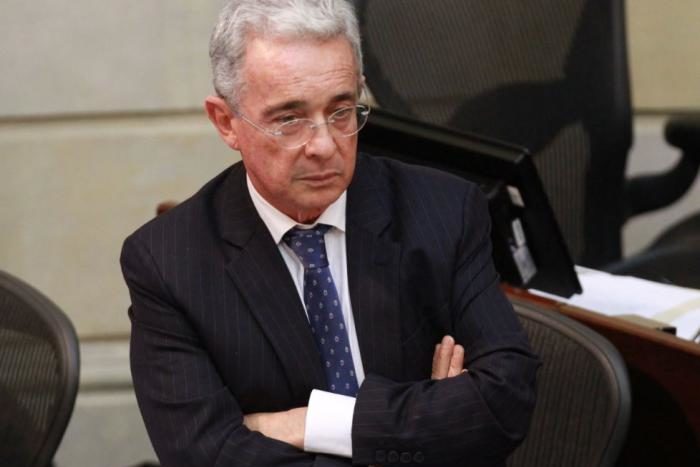
El 4 de agosto la Sala Especial de Instrucción de la Sala Penal de la Corte Suprema de Justicia resolvió la situación jurídica del expresidente Álvaro Uribe Vélez, y ordenó su detención preventiva, sustituyéndola por detención domiciliaria, en relación con el caso que se sigue en su contra por los presuntos delitos de soborno a testigo y fraude procesal.
Desde hace días, varios políticos han hecho declaraciones inapropiadas e incendiarias respecto de la justicia, incluidas algunas que sugieren que los jueces toman sus decisiones basándose en prejuicios ideológicos o políticos en lugar de basarse en la Constitución y la ley.
El presidente de Colombia, Iván Duque, expresó en una declaración trasmitida por televisión que le “duele como colombiano que muchos de los que han lacerado al país con barbarie se defiendan en libertad o inclusive tengan garantizado jamás ir a prisión, y que a un servidor público ejemplar que ha ocupado la más alta dignidad del Estado no se le permita defenderse en libertad con la presunción de inocencia. Soy y seré siempre un creyente en la inocencia y en la honorabilidad de quien con su ejemplo se ha ganado un lugar en la historia de Colombia”.
La CIJ enfatiza que es inapropiado que un jefe de Estado u otro funcionario del poder ejecutivo intervenga de esta manera en un caso que está siendo objeto de estudio en la Rama Judicial. Los Principios Básicos relativos a la independencia de la judicatura de las Naciones Unidas dejan claro que “[t]odas las instituciones gubernamentales y de otra índole respetarán y acatarán la independencia de la judicatura”, y esto implica que deben abstenerse de “influencias, alicientes, presiones, amenazas o intromisiones indebidas, sean directas o indirectas”.
Adicionalmente, y como reacción a la detención del expresidente Uribe, el partido político “Centro Democrático” del cual son miembros el presidente Duque y el expresidente Uribe, emitió un comunicado de prensa en el que dijo que planeaban proponer una Asamblea Nacional Constituyente “con el propósito de despolitizar la justicia”. Y el expresidente Uribe mencionó el 16 de agosto que esperaba que su partido político iniciara una reforma judicial a través de referendo para acabar con la “politización” de la Corte.
La CIJ considera que las acciones de reforma a la justicia no deben basarse en reacciones políticas a un caso o una decisión judicial determinada. Las reformas al sector justicia deben basarse en las buenas prácticas y en los estándares que permitan reforzar la independencia judicial y contar con una pronta, oportuna y justa administración de justicia.
Por último, el vicepresidente de Estados Unidos, Mike Pence, también hizo comentarios inapropiados frente a la justicia colombiana, al tuitear el 14 de agosto que se unía a las voces que pedían a las autoridades colombianas que permitieran que Álvaro Uribe “se defendiera como un hombre libre”.
Contacto: Carolina Villadiego Burbano, Asesora Legal para América Latina de la CIJ, e: carolina.villadiego(a)icj.org
Aug 19, 2020 | News
Today the ICJ called on the public authorities to refrain from comments or actions that could undermine the integrity of the judicial process and the independence of the judiciary.
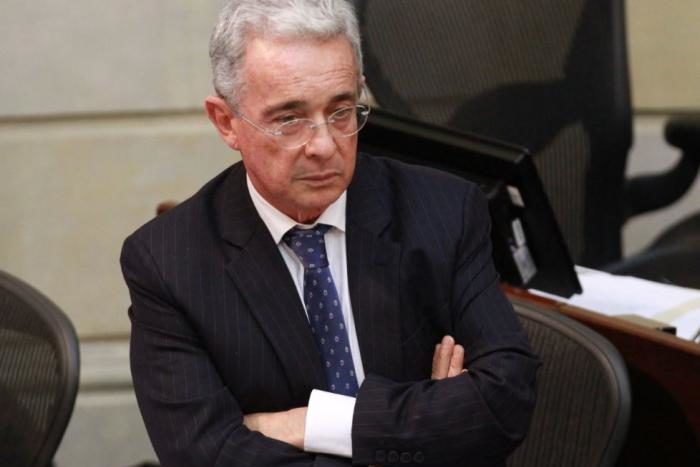
On August 4, the Instruction Special Chamber of the Criminal Chamber of the Supreme Court of Justice ordered the pretrial detention, substituted for house arrest, of the former President Álvaro Uribe Velez, relating to allegations of bribery of witnesses and procedural fraud.
In recent days, a number of politicians have made highly inappropriate and inflammatory statements, including some suggesting that judges are making their decisions based on ideological or political biases rather than based on the Constitution and the law.
Colombian president Ivan Duque said in remarks broadcast on television on the 4 of August: “it hurts as a Colombian that many of those who have lacerated the country with barbarism defend themselves at liberty or are even guaranteed to never go to prison, and that an exemplary public servant who has held the highest dignity of the State is not allowed to defend himself in freedom with the presumption of innocence. I am and will always be a believer in the innocence and in the honor of him who, with his example, have earned a place in the history of Colombia.” (unofficial translation).
The ICJ stresses that it is inappropriate for a head-of-State or other executive official to intervene in this manner in a case that is under active judicial proceedings. The UN Basic Principles on the Independence of the Judiciary make clear that “it is the duty of all governmental and other institutions to respect and observe the independence of the judiciary” and this includes refraining from any “improper influences, inducements, pressures, threats or interferences, direct or indirect.”
In reaction to Senator Uribe’s arrest, the political party “Centro Democrático”, of which both President Duque and former President Uribe are members, released a press statement saying that they were planning to propose a National Constituent Assembly with the purpose of “depoliticizing justice”. Also, former President Uribe mentioned on 16 of August that he hoped his political party would initiate a reform of the justice system through a “referendum” to end the “politicization” of the Court.
The ICJ considers that any actions concerning reforms of the justice sector must be based on the standards and best practices that reinforce the independence of the judiciary and the prompt, timely and fair administration of justice, and not on a political reaction based on a single active case.
Lastly, United States Vice President Mike Pence has also made inappropriate remarks related to the Colombian justice system, tweeting on August 14 that he joined the voices that called Colombian authorities to let Alvaro Uribe “defend himself as a free man”.
Contact
Carolina Villadiego Burbano, ICJ Latin America legal and policy adviser, e: carolina.villadiego(a)icj.org
Aug 10, 2020 | News
Today, the ICJ published the recommendations from a workshop on strengthening the work of the specialized bodies of the Bar Association on the protection of the rights of lawyers in Tajikistan, held in December 2019.
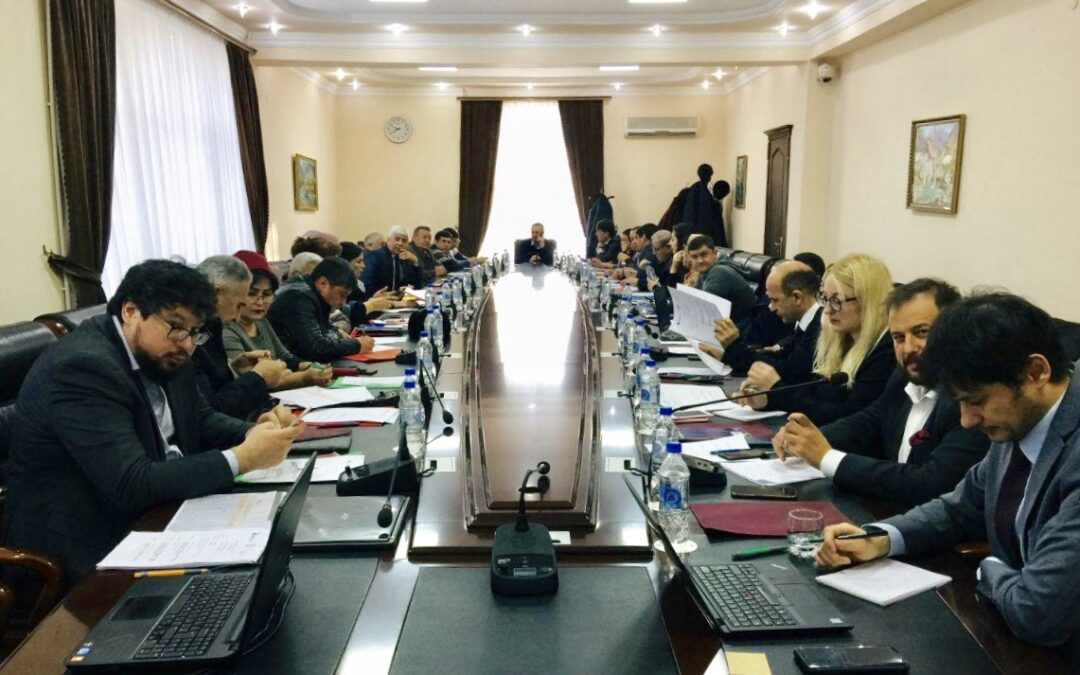
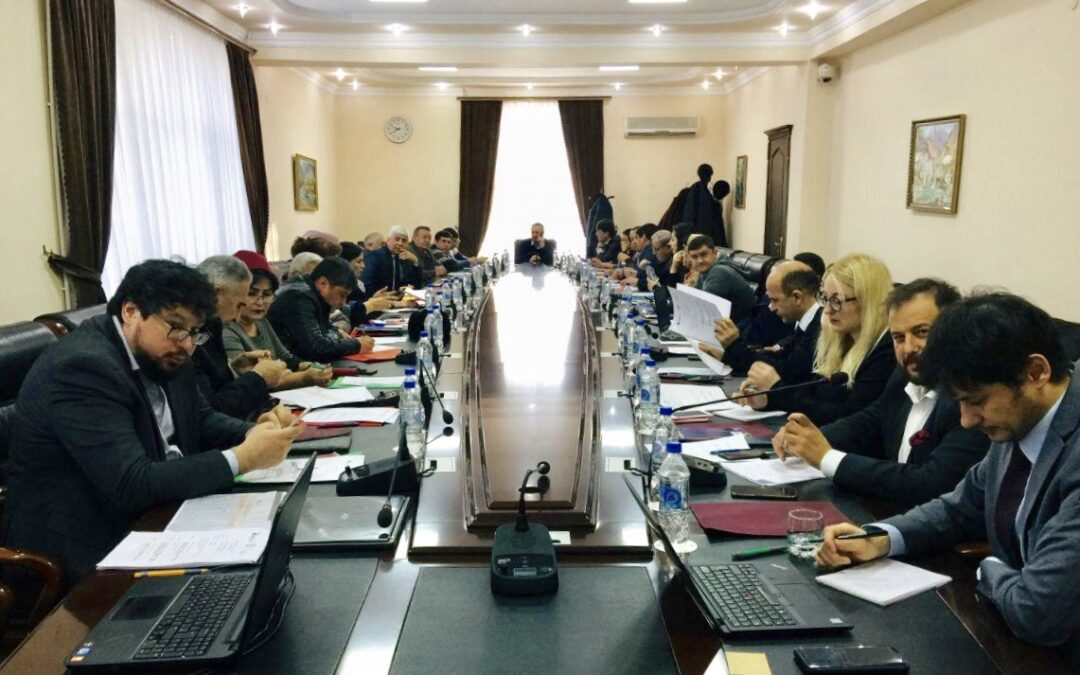
The event was held on 16 and 17 December 2019 in the city of Gulistan in the North of Tajikistan for members of the Commission for the Protection of the Rights of Lawyers (CPRL) of the Union of Lawyers of the Republic of Tajikistan.The ICJ organized this seminar in cooperation with the Union of Lawyers of Tajikistan and the Legal Policy Research Centre, Kazakhstan.
The President of the Tajikistan Union of Lawyers, heads of regional departments of the Union of Lawyers, who are members of the Commission on the protection of the rights of lawyers, and other lawyers took part in the two-day discussion.
Based on the outcome of this discussion, the participants elaborated the recommendations to strengthen the work of the Commission. Those recommendations are provided below.
The recommendations have been formulated on the basis of the views expressed by members of the Tajikistan Union of Lawyers addressing the situation in Tajikistan, and are not intended necessarily to reflect the legal or policy positions or other views of the ICJ or to be applicable to other contexts.
This set of recommendations deals with key challenges faced by the CPRL in upholding the independence, security and effective work of lawyers in Tajikistan. However, the list of these issues is not exhaustive nor comprehensive and should be further reviewed in light of ongoing developments in the legal profession and the justice system as a whole.
The recommendations should be read in light of the international law obligations of Tajikistan to protect the right of access to a lawyer, to a fair trial and to effective remedies for violations of human rights, including under the International Covenant on Civil and Political Rights, and international standards on the role of lawyers, including the UN Basic Principles on the Role of Lawyers.
Recommendations in English (PDF)
Recommendations in Russian (PDF)
Aug 10, 2020 | Новости
Сегодня Международная комиссия юристов (МКЮ)_опубликовала рекомендации по итогам семинара по усилению работы специализированных органов Коллегии адвокатов по защите прав адвокатов в Таджикистане, проведенного в декабре 2019 года.
Данное мероприятие было проведено 16-17 декабря 2019 года в городе Гулистан на севере Таджикистана и было организовано для членов Комиссии по защите прав адвокатов («Комиссия») Союза адвокатов Республики Таджикистан. Семинар проводился МКЮ совместно с Союзом адвокатов Таджикистана и Центром исследования правовой политики (Казахстан).
За два дня в обсуждении приняли участие председатель Союза адвокатов Таджикистана, руководители региональных подразделений Союза адвокатов, которые являются членами Комитета по защите прав адвокатов, и другие адвокаты. По итогам обсуждения участники подготовили рекомендации по усилению деятельности Комиссии, которые приведены ниже.
Рекомендации были разработаны на основе мнения членов Союза адвокатов Таджикистана относительно ситуации в Таджикистане и не обязательно отражают правовую или политическую позицию и иные взгляды МКЮ, а также могут не быть применимыми в других контекстах.
Данный перечень рекомендаций касается основных проблем, с которыми сталкивается Комиссия при обеспечении независимости адвокатов, их безопасности и эффективной работы в Таджикистане. При этом перечень рассматриваемых вопросов не является исчерпывающим и всеобъемлющим, но подлежит дальнейшему редактированию в свете происходящих процессов в адвокатуре и системе правосудия в целом.
Рекомендации подлежат прочтению в свете международно-правовых обязательств Таджикистана по защите права на доступ к адвокату, справедливое судебное разбирательство и эффективные средства правовой защиты от нарушения прав человека, в том числе в соответствии с Международным пактом о гражданских и политических правах, а также международными нормами в отношении роли адвокатов, включая Основные принципы ООН, касающиеся роли юристов.
Рекомендации на русском языке (PDF)
Рекомендации на английском языке (PDF)

Jul 28, 2020 | Advocacy, Cases, Legal submissions, News
The ICJ intervened today in the case of the potential surveillance by Polish secret services of Mikołaj Pietrzak, lawyer and chair of the Warsaw Bar Association, Dominika Bychawska-Siniarska et Barbara Grabowska-Moroz of the Helsinki Foundation of Human Rights, and Wojciech Klicki and Katarzyna Szymielewicz of the foundation Panoptykon.
The five applicants applied to the European Court of Human Rights claiming a violation of their rights to privacy and to an effective remedy because the system of secret surveillance and collection of metadata created by the Law amending the Law of the Police of 15 January 2016 and the Anti-Terrorism Law of 16 June 2016 does not provide sufficient guarantees for this rights’ protection.
In its third party intervention, the ICJ addressed (1) the application of the principles of prescription by law, necessity and proportionality, in circumstances when mass and targeted surveillance interferes with the right to respect for private life under Article 8 ECHR, in particular when it affects lawyers and human rights defenders; (2) the obligations of States under Article 8 and 6 ECHR to ensure respect for the confidentiality of lawyer-client relations and the principle of legal professional privilege.
The ICJ argued that secret surveillance, in particular where it interferes with the confidentiality of communications of lawyers and human rights defenders, and endangers lawyer-client privilege protected under Articles 8 and 6 ECHR, should be subject to specific safeguards and to particularly strict scrutiny of its necessity and proportionality.
The third party intervention can be found here: PIetrzak&HF_v_Poland-AmicusCuriae-ECtHR-Cases-2020-ENG