Dec 12, 2012 | Multimedia items, News, Video clips
 The ICJ 17th World Congress closed today with the adoption of a landmark Declaration on Access to Justice and Right to a Remedy in international human rights systems.
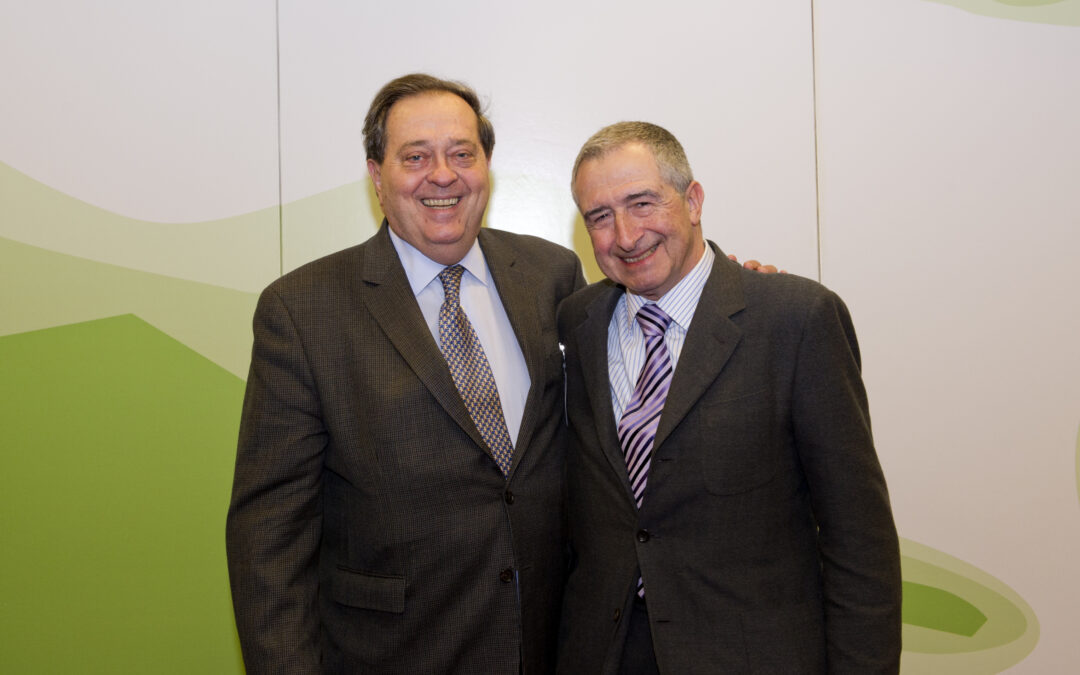
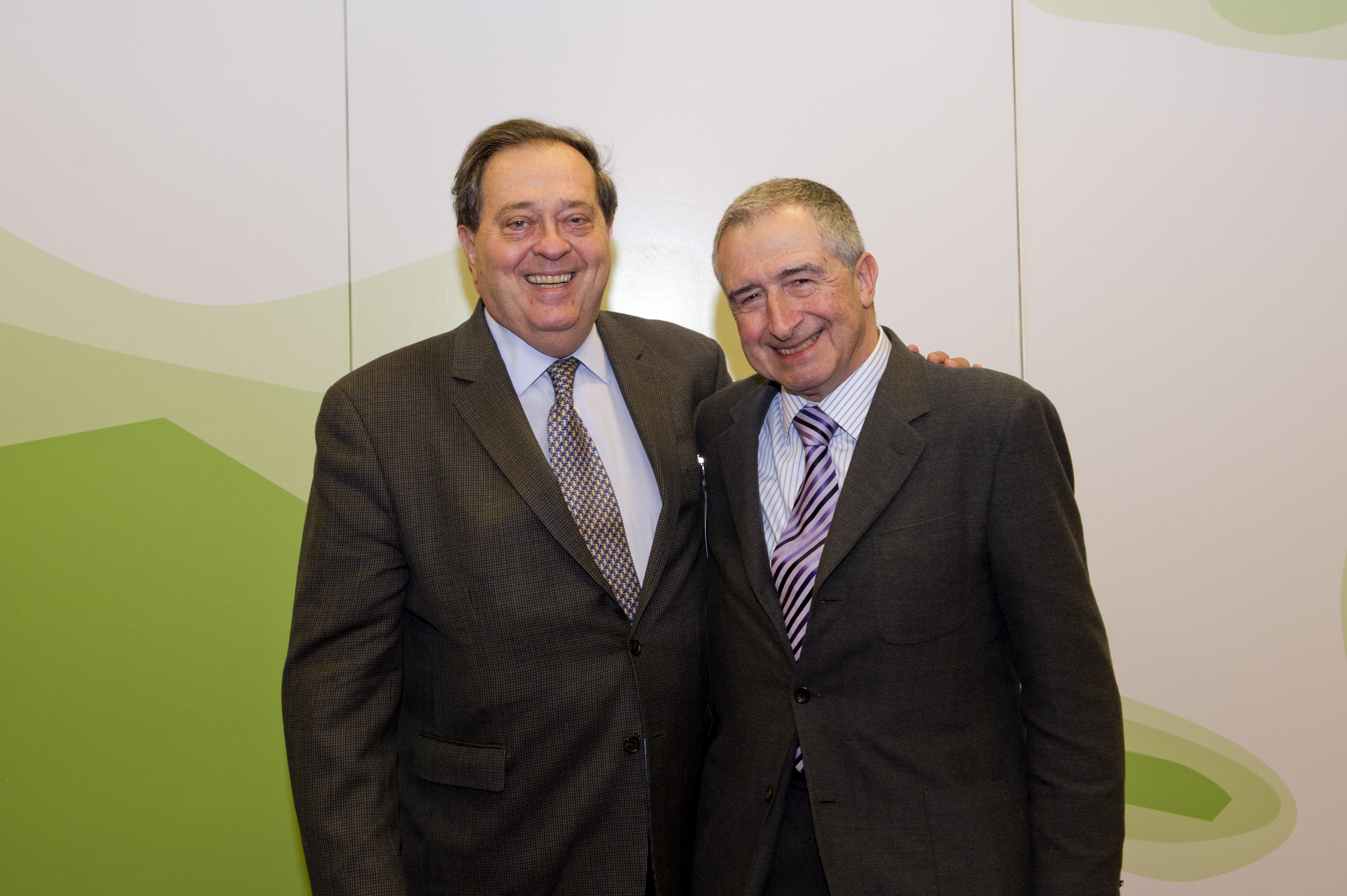
In his final speech at the closing of the Congress, Sir Nigel Rodley, the new ICJ President (photo above, on the right, with Pedro Nikken, outgoing ICJ President) said:
“The ICJ has always been the world’s leading organization of lawyers working for the Rule of Law and human rights. At the ripe young age of 60, it is at the height of its prestige and authority.”
“Led by one of the world’s most experienced international human rights lawyers, Wilder Tayler, of Uruguay, the ICJ is now on a firm footing with a strong secretariat in Geneva – the city of human rights – and an increasing number of offices in key countries and regions of the world.”
“So, the ICJ is well-placed to make an even more significant contribution meeting such challenges as the serious problem of assaults on the independence of judges, lawyers, and prosecutors.”
“There is no justice if people don’t have access to it. The ICJ Congress, with its vast range of eminent expertise, from the ICJ Commissioners, national sections representatives, and guests, adopted a landmark Declaration on Access to Justice and Right to a Remedy in international human rights systems.”
“The focus was how to make international regional human rights systems more able to respond to the needs of those who cannot secure justice at home. There was special urgency bearing in mind the attempts of governments to weaken the systems’ ability to call these same governments to account.”
Sir Nigel Rodley, ICJ President, talks about the Declaration:
To download the text of the full declaration click on the links below:
ICJ 17th World Congress-Declaration and opening speeches-2012 (full text in pdf)
ICJ 17th World Congress-Declaration-2012 (full text in pdf)
ICJ 17th World Congress-Declaration-2012-FR (full text in pdf)
Photo by David Rouge

Dec 7, 2012
La CIJ y la Comisión de Derechos Humanos (COMISEDH-Perú) presentan el siguiente informe paralelo independiente al Comité Contra la Tortura de las Naciones Unidas.
Peru-ICJ-COMISEDH-CAT49-AlternativeReport-legal submission (2012) (informe en español, PDF)
Oct 9, 2012 | Advocacy, Non-legal submissions
 The ICJ commented on the UPR of the Russian Federation, addressing issues including torture and ill-treatment, impunity, judicial independence, NGO laws and “homosexual propaganda” bans.
The International Commission of Jurists has brought to the attention of the Human Rights Council’s Working Group on the UPR and to the Human Rights Council issues concerning:
- prevention of torture and ill-treatment and other gross human rights violations;
- impunity for gross human rights violations;
- independence of the judiciary; amendments to NGO laws;
- non-refoulement; homosexual propaganda bans; and
- Russia’s engagement with international human rights instruments and mechanisms.
Russia-ICJ comments on UPR-non-legal-submission-2012 (download the ICJ submission)

Sep 23, 2012
 The ICJ addresses issues concerning the implementation by the Philippines of the International Covenant on Civil and Political Rights (ICCPR) with the UN Human Rights Committee.
The ICJ’s alternative report to the Human Rights Committee responds to certain issues raised concerning the examination by the Committee of the fourth periodic report of the Philippines under the ICCPR, which will take place during the Committee’s 106th session in Geneva, from 15 October to 2 November 2012.
The ICJ’s report addresses issues concerning:
- The constitutional and legal framework within which the ICCPR is implemented in the Philippines;
- The right to life;
- The independence of the judiciary, and fair trials;
- Equality and non-discrimination; and
- Rights of persons belonging to minorities.
Philippines-HRCttee106-AlternativeReport-Legal submissions-2012 (download alternative report, in PDF)
Sep 21, 2012 | Advocacy, Non-legal submissions
 In an interactive dialogue with representatives of the Government of the Netherlands, the ICJ and the Dutch section of the ICJ, the NJCM, called for greater consultation with civil society.
The ICJ and NJCM also urged the Netherlands to give human rights a prominent place in civic education.
The statement was delivered today during the adoption by the UN Human Rights Council of the Universal Periodic Review outcome document on the Netherlands, during the course of the 21st regular session of the Council.
HRC21-UPR-Netherlands-OralStatement-non-legal submission-2012 (download statement, in PDF)