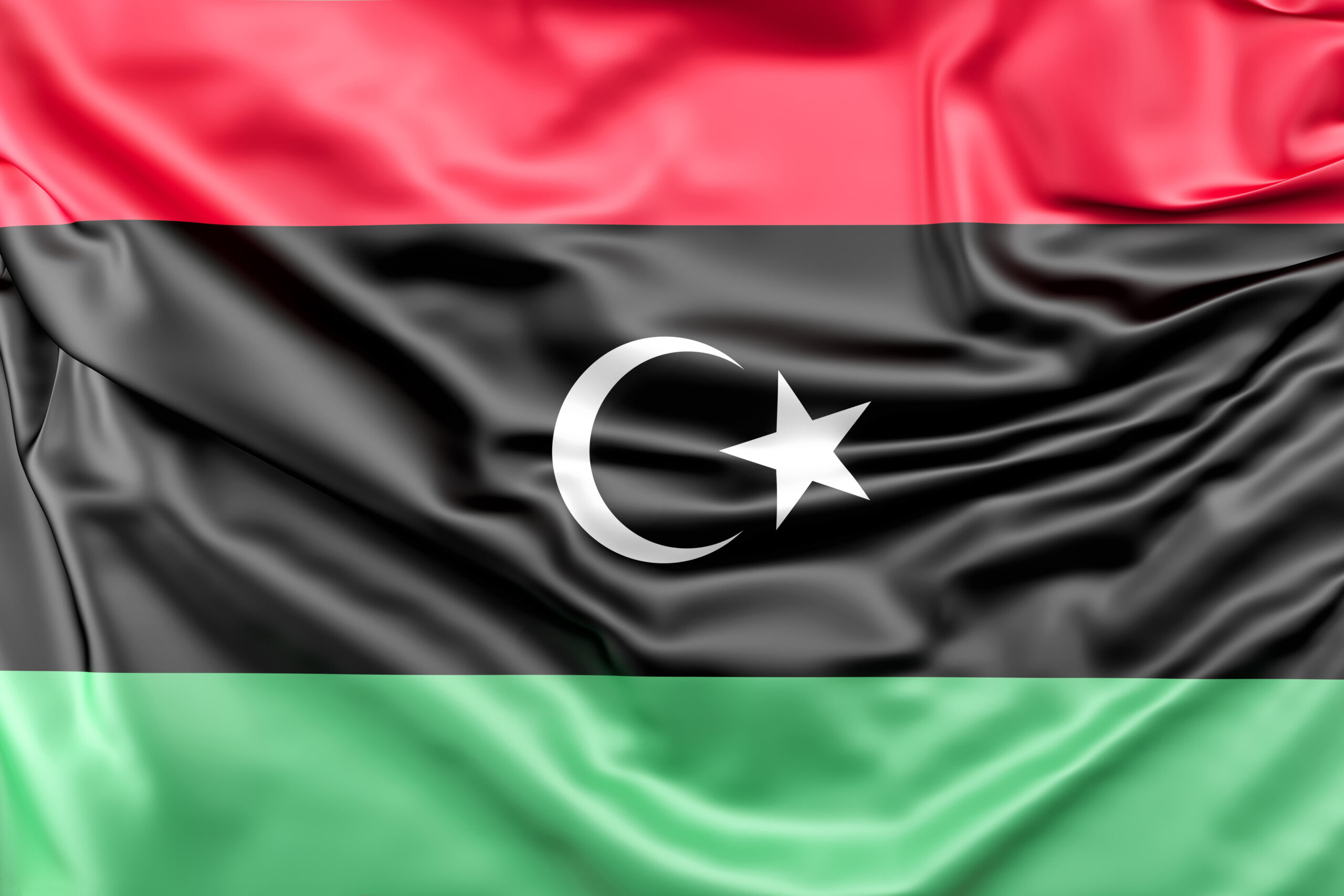
The International Commission of Jurists (ICJ) commends the recommendations on the respect, protection and promotion of human rights in Libya featured in the final report of the Structured Dialogue consultations led by the United Nations Support Mission in Libya (UNSMIL). The human rights organisation calls on the Libyan authorities to implement them promptly.
.هذا البيان الصحفي متوفر باللغة العربية أيضاً
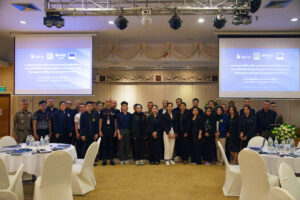
Following the failure to hold the presidential and legislative elections in December 2021 under the roadmap adopted by the Libyan Political Dialogue Forum, the UNSMIL conducted consultations in response to Libyans’ calls for an inclusive political process. Then, in December 2025, it launched the Structured Dialogue, which concluded in June 2026. The Dialogue formed part of the UN-facilitated political roadmap aimed at ending Libya’s political impasse, creating conditions conducive to elections, and supporting longer-term stability. The process brought together 120 Libyans, representing municipalities, political parties, universities, technical and security institutions, and societal groups. Women made up 35 percent of the participants. Members were divided into four tracks: (1) economy; (2) governance; (3) reconciliation and human rights; and (4) security. Their tasks were to: (i) identify national priorities; (ii) shape a shared vision for Libya’s future; and (iii) formulate recommendations. The Structured Dialogue’s final report, published last month, reflects only the views of the Libyan participants and does not represent those of UNSMIL. The ICJ considers that it contains several essential recommendations, including:
- to immediately end all forms of arbitrary detention and enforced disappearance targeting bloggers, activists, human rights defenders and journalists, and clarify the fate of missing persons;
- to align national legislation with international human rights standards, including by defining torture and enforced disappearance in accordance with international conventions;
- to ratify the International Convention for the Protection of All Persons from Enforced Disappearance and accede to the Optional Protocol to the Convention against Torture and Other Cruel, Inhuman or Degrading Treatment or Punishment, including by establishing an independent national mechanism for the prevention of torture;
- to respect the independence and impartiality of the judiciary and refrain from politicizing it or interfering in its affairs;
- to cooperate with arrest warrants issued by the International Criminal Court against persons wanted in connection with serious crimes and grave human rights violations;
- to adopt the draft law on combating violence against women; and
- to adopt legislation guaranteeing the freedom to establish civil society organisations in accordance with international standards and repeal Law No. 19 of 2001 concerning associations.
“Implementing these recommendations is an important first step towards ensuring stability through accountability in Libya,” said Saïd Benarbia, ICJ Middle East and North Africa Programme Director. “The authorities must seize this opportunity and live up to their commitments under international human rights law to protect and uphold human rights.”
In addition, the Structured Dialogue made detailed recommendations on the draft Transitional Justice Law, which, if adopted, would establish a new transitional justice framework and mechanisms. Several of these recommendations are positive, including the preservation of national memory as one of the draft law’s objectives. However, the ICJ considers that they do not adequately address one of the organisation’s main concerns, namely, the draft law’s lack of concrete safeguards to ensure the institutional independence of the National Reconciliation Commission. In this connection, the Structured Dialogue recommends the Commission’s independence, but, contradictorily, it also calls for its “affiliation” with the House of Representatives, a legislative body elected in 2014.
Moreover, the ICJ deplores that the Structured Dialogue’s final report fails to mention, let alone recommend, the necessity of protecting migrants, refugees and asylum seekers’ human rights. The grave human rights violations and abuses committed against migrants, refugees and asylum seekers in Libya – including instances where such violations and abuses amounted to serious crimes under international law, such as war crimes and crimes against humanity – have been documented for years. Yet, the Structured Dialogue only addressed migration in the economy track, recommending the “control of irregular migration”, without even an acknowledgment of the widespread and systematic crimes committed against migrants, refugees and asylum seekers and of the inadequacies of Libya’s legal framework with respect to asylum and migration.
The ICJ further regrets that, while Libyan civil society representatives and human rights defenders living abroad were consulted during one session of the Structured Dialogue and submitted their recommendations, the final recommendations fail to address the situation of Libyans who were compelled to leave the country as a result of repression, persecution or other human rights violations and abuses. In particular, the Structured Dialogue’s final report contains no recommendations aimed at creating the conditions necessary for their safe, voluntary and dignified return, including protection against reprisals and guarantees of non-recurrence.
Background
The Structured Dialogue is one of the three key pillars of the political roadmap announced by Ms Hanna Tetteh, the UN Special Representative of the Secretary General, in August 2025. The other two pillars concerned the implementation of a technically sound and politically viable electoral framework aimed at holding presidential and legislative elections, and the unification of institutions under a new unified government.
Contact
Saïd Benarbia, Director, ICJ Middle East and North Africa Programme; t: +41 22 979 3800, e: said.benarbia@icj.org
Nour Al Hajj, Regional Communications & Advocacy Officer, ICJ Middle East and North Africa Programme; e: nour.alhajj@icj.org