
Nepal: the ICJ urges strengthening of human rights provisions
 The ICJ welcomes important step taken by the Fundamental Rights Committee towards constitutionally guaranteeing fundamental rights in Nepal but also points out serious weaknesses.

The ICJ welcomes important step taken by the Fundamental Rights Committee towards constitutionally guaranteeing fundamental rights in Nepal but also points out serious weaknesses.
 Lawyer Somchai Neelapaijit began his career as a lawyer in 1977. Khun Somchai was known for speaking out against unjust practices by the police and advocating for reform of the justice system. He disappeared in 2004.

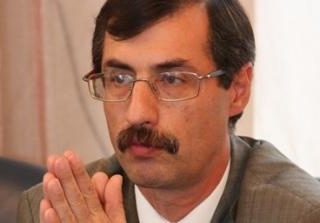 There are strong indications that the proceedings against Evgeniy Zhovtis failed to meet international fair trial standards, the ICJ said today, as it published the final report of a trial observation of the appeal hearing.
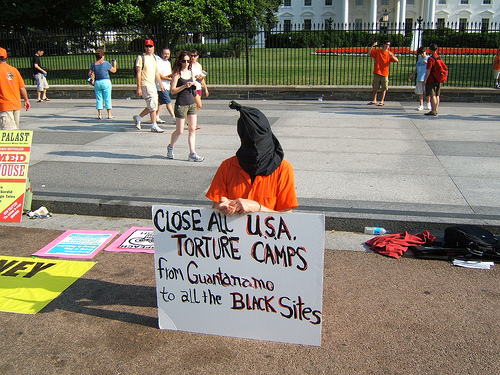
The ICJ today deplored the decision of the US Justice Department to clear the legal architects of the US torture policy from any professional misconduct.
The decision by Associate Deputy Attorney General (ADAG) David Margolis reversed the July 2009 findings of the Office of Professional Conduct (OPR) that Bush administration legal advisers John Yoo and Jay Bybee had engaged in professional misconduct by giving advice which approved as lawful the program of “enhanced interrogation”. This program consisted in clear acts of torture and ill treatment.
The OPR had been poised to refer Yoo and Bybee, who is presently a US federal judge, for disciplinary action by the state regulatory authorities. The ADAG report, while affirming that the legal advisers had exercised ‘poor judgement’, determined that they had not breached rules of misconduct because it could not be established that they had intended to give misleading advise.
USA-torture serious crime-press release-2010 (full text, PDF)
Photo by acameronhuff
The ICJ today urged action by the Government to ensure respect for civilian jurisdiction in the Maina Sunuwar case.
The Nepal Army has acknowledged that Maina Sunuwar died following prolonged torture at the Nepal Army’s Birendra Peacekeeping Training Centre in Panchakhal on 17 February 2004.
However, it has refused to recognize civilian court jurisdiction as established by the Supreme Court’s September 2007 decision, and to surrender Major Niranjan Basnet to the Kavre District Court pursuant to a 31 January 2008 arrest warrant.
Nepal-civilian jurisdiction-press release-2010 (full text, PDF)
 El Salvador: Crimes against humanity within the framework of public security policy
 HRC61: Joint oral statement of The ICJ in the interactive dialogue with the Special Rapporteur on Counter-terrorism and Human Rights
 A Human Rights-Based Approach to Decriminalizing Conduct Associated with Poverty and Status
 HRC61: Oral statement of The ICJ in the interactive dialogue with the Special Rapporteur on the Rights of Persons with Disabilities