Feb 16, 2016
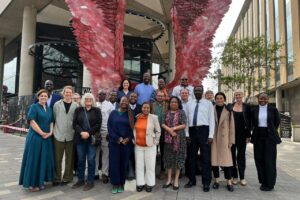
In mid-February 2016, the ICJ made a submission to the Committee on Economic, Social and Cultural Rights in advance of Committee’s examination of Namibia’s combined Initial, First and Second Periodic Reports under the International Covenant on Economic, Social and Cultural Rights.
In its submission, the organization drew the Committee’s attention to the detrimental impact of the extant criminalization of consensual anal intercourse between males and of other various forms of sexual activities between consenting men through the crime of “unnatural sexual offences” on the enjoyment of Covenant rights, including, in particular, the principle of non-discrimination and the right to the highest attainable standard of physical and mental health by gay and bisexual men and, more generally, by the gay, bisexual, lesbian and transgender community in the country.
The ICJ’s submission contains a number of recommendations that the organization considers the Committee should address to the Namibian’s authorities to address its concerns.
(Full text in PDF)
Feb 13, 2016 | Artículos, Multimedia, Noticias
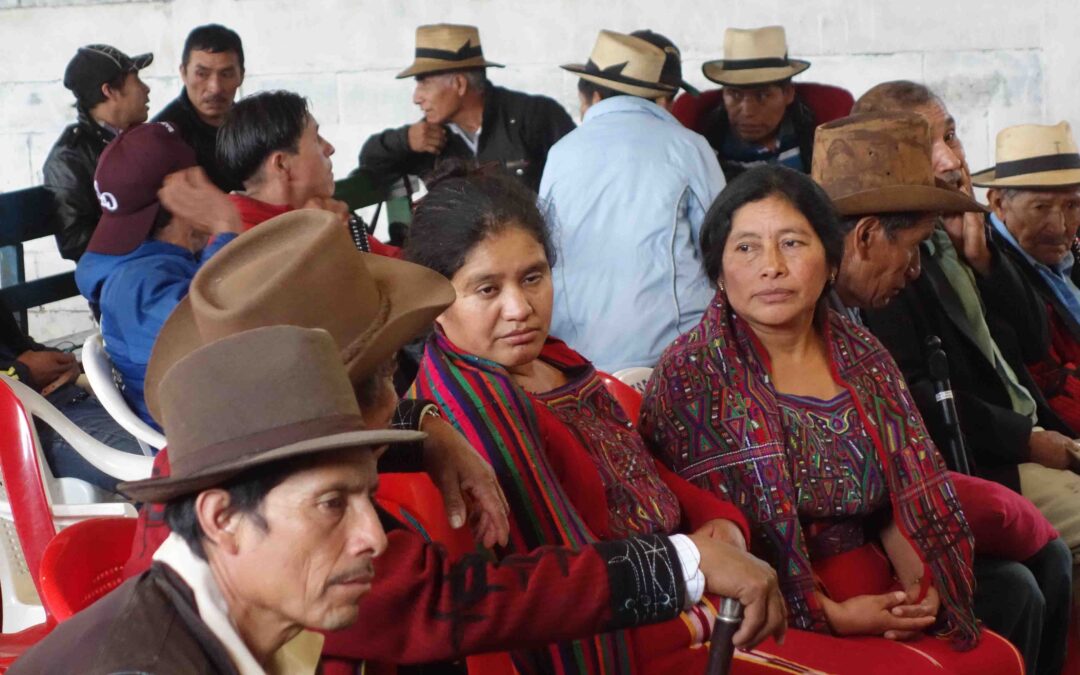
Este caso afecta 14 comunidades que implican aproximadamente 15000 personas
Este caso se inicia a nivel local en el Municipio de Nebaj, con la notificación por parte del Estado (Secretaria de Asuntos Agrarios y FONTIERRA[1]) a las 14 comunidades de la aldea Tzalbal, de que la tierra (33 caballerías) de la aldea Tzalbal[2] en el municipio de Nebaj, ya no era de ellos, ya que pasaron a nombre del Estado cuando ellos estaban refugiados en México o desplazados internos en las montañas en 1984. Este despojo de tierra afectaría a aproximadamente 15000 personas.
Ante esta información, las comunidades pidieron apoyo a la Comisión Internacional de Juristas (CIJ), para determinar si esto era cierto. La CIJ llevó a cabo un estudio registral que confirmó la información: las tierras habían sido vendidas al Estado por medio de escritura pública firmada por el alcalde de esa época. Sin embargo, dicho acto no había contado con el aval de los “vecinos de Nebaj”. Por esa razón, la CIJ consideró que habían suficientes razones legales, para que la tierra fuese restituida por el Estado a las comunidades.
Reclamo a Nivel local: con el acompañamiento de la CIJ y el esfuerzo de las comunidades, se inicia un diálogo con el actual alcalde Municipal del municipio de Nebaj.[3] El Alcalde decide apoyar a las comunidades. El alcalde municipal y su Consejo Municipal aprueba un acuerdo municipal de restitución de tierras, lo cual fue muy significativo. Sin embargo, el Organismo Ejecutivo a nivel local no permite que la rstitución avance.
Reclamo a nivel Nacional: Con el acuerdo municipal de restitución de la tierra aprobado por el Consejo Municipal de la Alcaldía de Santa María de Nebaj y con el apoyo del Alcalde Municipal de dicho municipio, la CIJ acompaña a las comunidades, brindándoles asesoría legal; se inicia un reclamo administrativo al Estado (Organismo Ejecutivo representado por FONTIERRA y la Secretaría de Asuntos Agrarios), para lograr la restitución de la tierra por la vía administrativa.
Esto permitiría recuperar la tierra a nombre de la Alcaldía Municipal de Nebaj y sus vecinos, por la vía administrativa, sin necesidad de recurrir a la vía judicial por medio del recurso de amparo, que implicaría más tiempo. Se conforma una mesa de diálogo entre dichas instituciones estatales, las comunidades y el Consejo Municipal de Santa María de Nebaj.
A pesar de que el Gobierno de Guatemala, por medio de las dos instituciones estatales mencionadas, se compromete a aprobar un Acuerdo Gubernativo de restitución de tierras, cuyo texto fue aprobado en la mesa de diálogo, el Estado no cumple con su compromiso de aprobar dicho acuerdo y a finales del año 2014 se interrumpe el diálogo y las comunidades, conjuntamente con la CIJ, inician el estudio de la alternativa de acudir a la vía judicial por medio del recurso de amparo, para lograr la restitución de la tierra por la vía judicial.
La oficina de la CIJ en Centroamérica dará apoyo legal a las comunidades, para reclamar por la vía judicial la restitución de la tierra que les fue despojada durante la guerra. La elaboración de dicho reclamo legal, se hará tomando en cuenta que si los tribunales nacionales no aceptan el reclamo judicial, se acudirá al Sistema Interamericano de Derechos Humanos.[4]
Para el efecto, la CIJ organizó una visita a Tzalbal, en la que participó Olivier van Bogaert, Diretor de medios de comunicación de la CIJ en Ginebra, el abogado mexicano José Guevara, Director Ejecutivo de la Comisión Mexicana de Defensa y Promoción de los Derechos Humanos y el Director de la CIJ para Centroamérica.
La Asamblea Comunitaria contó con la participación del señor Alcalde Municipal Pedro Raymundo Cobo.
Esta visita se llevó a cabo el 29 de septiembre de 2015. También participó la abogada guatemalteca Martha García, quien llevó a cabo el estudio registral sobre la tierra de Tzalbal.
El Director de Medios y comunicación de la CIJ pudo llevar a cabo varias entrevistas y realizó un video acerca de este caso.
Actualmente, se está preparando el recurso de amparo, para lograr la restitución de la tierra por la vía judicial.
[1]Fondo Nacional de Tierras y la Secretaría de Asuntos Agrarios fueron creados a raíz de los acuerdos de paz, para resolver la conflictividad agraria. Sin embargo, se han apartado de sus objetivos originales y muchas veces presionan a las comunidades para resolver la conflictividad agraria por medio de engaños y represión.
[2] Tzalbal fue uno de los centros de operación del Plan Sofía en 1982. Arrasada por el Ejército en los años ochentas. En la región se sufrió el Genocidio Ixil. Las masacres se iniciaron en 1981 y tuvieron que desplazarse internamente o buscar refugio en México.
[3] Nebaj es un municipio al occidente del país, compuesto principalmente por población maya-Ixil. Sufrieron durante la guerra el genocidio Ixil y parte de sus tierras están registradas en forma comunitaria como Éjido Municipal de Nebaj, propiedad de la Municipalidad y vecinos.
[4] Es importante hacer ver que existen dos casos similares (Aguas Tingny vrs. Nicaragua y Yake Axa vrs. Paraguay), en el cual la Corte Interamericana falló a favor de las comunidades, quienes habían sido despojadas de la tierra.
Caso Nebaj en video:
Feb 13, 2016 | Multimedia items, News, Video clips
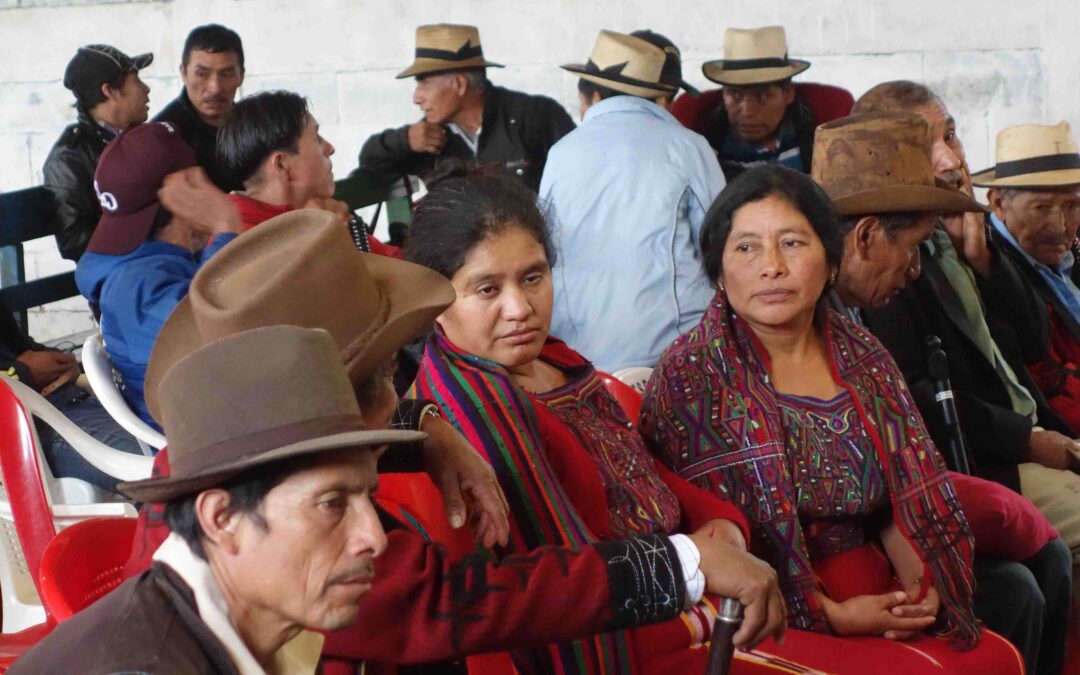
The land of several communities from the Municipality of Nebaj was sold to the State during the civil war. But this happened without any valid legal basis.
The expropriation occurred in 1984 in the area of Tzalbal, at a time when most of the people from 14 local communities had flown to Mexico or the neighboring forests because of the war, which was particularly intense in the area.
The loss of farmland affected some 15000 people.
In 2013, the communities asked the ICJ to help them recover their land.
An initial investigation by the ICJ confirmed that the mayor at that time (1984) had signed a document transferring the land into the State’s hand.
However, this happened without consulting the communities and none of their representatives signed the document.
The ICJ asked the State to return the land to the communities through a Governmental Agreement, which was initially accepted.
However, the Government eventually reneged on its promise and ended the negotiations.
The ICJ is now preparing an action for protection of constitutional rights to help the communities recover their land through a judicial decision.
Guatemala-Caso Nebaj-News-Web Story-2016-SPA (full story in PDF, Spanish)
The Nebaj case in video (Spanish, English subtitles)
Feb 13, 2016 | News
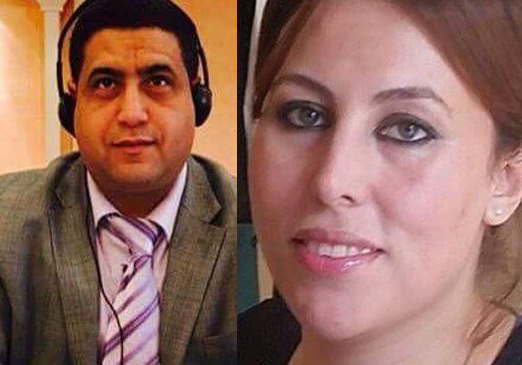
The ICJ today called for the reversal of last Thursday’s decision removing Judge Mohamed Al-Haini from office with suspension of his pension rights.
Judge Al-Haini, together with his colleague Amal Homani, was referred to the High Judicial Council by the Minister of Justice on unwarranted allegations of “violating the duty of discretion” and “expressing opinions of a political nature” following social media comments and media articles written by the judges in which they criticized the government’s Draft Laws on the Conseil Supérieur du Pouvoir Judiciaire and on the Statute for Judges.
The ICJ stresses that it is entirely appropriate for a judge to comment on matters of public interest that go to the organization and governance of the legal profession.
The ICJ, as well as Moroccan professional associations of judges and civil society organizations, has previously called on the Moroccan authorities to revise these same two draft laws to fully comply with international standards on judicial independence.
The ICJ is concerned both at the unfair and arbitrary nature of the proceedings against Judge Al-Haini. He was only granted two hearings before the High Judicial Council’s decision to dismiss him was taken.
Furthermore, several flaws in the proceedings curtailed Judge Al-Haini’s right to defense.
In particular, the High Judicial Council refused to strike the Minister of Justice from the disciplinary panel.
The Minister clearly had a conflict of interest, given his role in initiating the proceedings against the two judges.
As a result, Judge Al-Haini’s defense team withdrew from the case in protest.
At the second hearing the proceedings were carried out in the absence of any defense counsel.
“Despite recurring breaches of due and fair process standards, the disciplinary proceedings against Judge Al-Haini continued leading to the harshest disciplinary sanction possible in violation of principles governing the independence of the judiciary,” said Theo Boutruche, Legal Adviser of the ICJ Middle East and North Africa Programme.
According to international standards members of the judiciary facing disciplinary proceedings have the right to an independent and impartial authority or court with all the guarantees of a fair trial.
The ICJ is further concerned that under the current legal framework in Morocco, the decisions of the High Judicial Council are not subject to any form of review.
This is clearly inconsistent with international standards that require that any disciplinary decision should be subject to an independent review.
“The absence of any possibility to challenge the decision of dismissal deprives Judge Al-Haini of a safeguard against the improper use of disciplinary proceedings, which is clearly the case here,” Boutruche warned.
The ICJ had previously called on the Moroccan authorities to end the unwarranted and arbitrary disciplinary proceedings against Judges Al-Haini and Homani.
The ICJ stressed that members of the judiciary, like other persons, enjoy the rights to freedom of expression, belief, association and assembly in consonance with the dignity of their office and the impartiality and independence of the judiciary.
“This decision should be nullified and the proceedings against the two judges themselves should be terminated,” Boutruche added.
“This case is a stark reminder of the need for the Moroccan authorities to revise the two draft laws, that were adopted last Wednesday by the parliament, to properly strengthen the judicial independence and create a truly independent Conseil Supérieur du Pouvoir Judiciaire in line with international standards,” he concluded.
Contact:
Theo Boutruche, Legal Adviser of the ICJ Middle East and North Africa Programme, tel: +961 70 888 961, e-mail: theo.boutruche@icj.org
Morocco-Al Haini Dismissal-Web Story-2016 (full web story in PDF, Arabic)
Feb 12, 2016 | Advocacy, Non-legal submissions
The ICJ submitted a written statement to the Human Rights Council as a response to the latest report of the Special Rapporteur on freedom of religion or belief.
The written submission recognized the Special Rapporteur’s active participation in the Regional Conference on Freedom of Religion or Belief in Southeast Asia, organized by the ICJ in collaboration with the Asian Forum for Human Rights and Development (FORUM-ASIA) and Boat People-SOS (BPSOS) in Bangkok, Thailand from 30 September to 1 October 2015.
It also highlighted the adoption of the Conference Declaration on Freedom of Religion or Belief in Southeast Asia, a document through which participants expressed their commitment to working to enhance the right to freedom of religion or belief in the region.
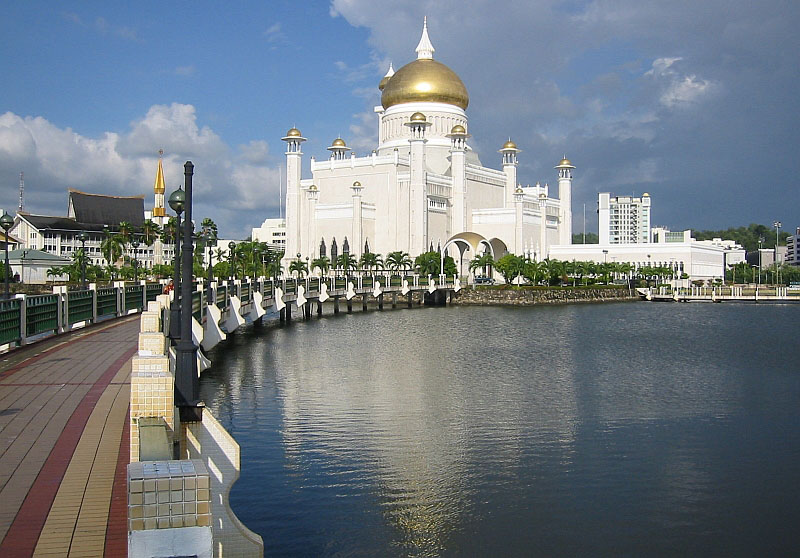
The ICJ expressed its concern regarding the banning of Christmas celebrations in Brunei Darussalam, as the restrictions imposed are inconsistent with international law standards, specifically with the principle of non-discrimination.
Finally, the statement called on Brunei to eliminate the restrictions imposed for celebrating non-Muslim festivities and encouraged the Government of Brunei to implement the measures recommended by the Special Rapporteur in his report.
SouthEast Asia-HRC statement on freedom or belief-Advocacy-Non legal submissions-2016-ENG (full text, in PDF)