Sep 30, 2015 | Advocacy, Non-legal submissions
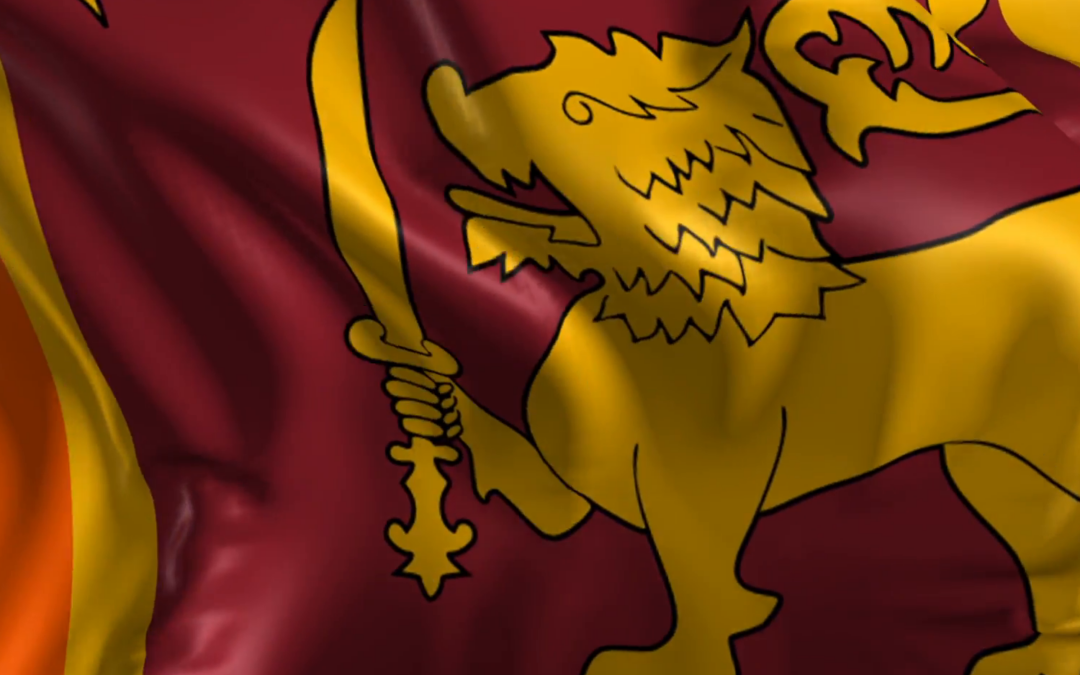
The ICJ today delivered an oral statement to the UN Human Rights Council, commenting on the landmark UN investigation and report on violations of human rights and humanitarian law in Sri Lanka.
The statement also welcomes recommendations for integration of international judges, prosecutors, lawyers and investigators into any accountability mechanism:
“The International Commission of Jurists (ICJ) welcomes the OHCHR Report on Promoting Reconciliation, Accountability and Human Rights in Sri Lanka (UN Doc A/HRC/30/61), which sets out the principal findings of the Report of the OHCHR Investigation on Sri Lanka (OISL Report, UN Doc A/HRC/30/CRP.2) documenting alleged serious violations and abuses of human rights and related crimes during the armed conflict in Sri Lanka. The ICJ commends the investigation team for its historic contribution towards reconciliation and the realization of victims’ rights in Sri Lanka.
The ICJ works with judiciaries, governments, civil society and victims around the world to address impunity and victims’ right to remedy for violations of international human rights and humanitarian law, including in situations of transition.
For over thirty years, the ICJ has documented and reported on a gradual erosion of judicial independence, impartiality and integrity under successive governments in Sri Lanka, and the resulting culture of impunity, including in the judiciary.[1]
The ICJ considers the International Criminal Court (ICC) to be the preferred mechanism for individual accountability where national authorities and courts lack the capacity or the willingness to genuinely investigate and prosecute all war crimes and crimes against humanity. In the absence of an ICC process, the ICJ’s extensive experience demonstrates that any credible and effective accountability process in Sri Lanka must involve, at a minimum, a majority of international judges, prosecutors and investigators.
The ICJ therefore welcomes the High Commissioner’s recommendation for a hybrid court and prosecutor’s office that fully integrates international judges, prosecutors, lawyers and investigators.
Also essential are the OHCHR recommendations on: mandate and resources of these mechanisms; legislating retroactive recognition of international crimes under national law; justice and security sector reform; repealing the Prevention of Terrorism Act (PTA); strengthening the Witness and Victim Protection Act; accession to the International Convention on the Protection of All Persons from Enforced Disappearances (CED), the Additional Protocols to the Geneva Convention, and the Rome Statute of the International Criminal Court; and continued monitoring of implementation through an OHCHR country office and the Council.
The ICJ welcomes that the tabled draft resolution explicitly recognises the need for international judges, prosecutors, lawyers and investigators. We call on the Council to adopt the resolution with, and call on the Government of Sri Lanka to urgently implement, these and other key elements of the recommendations of the High Commissioner’s Report in full.
[1] See, e.g., ICJ, Authority Without Accountability: The Crisis of Impunity in Sri Lanka (2012)
The statement can be downloaded in PDF format here: Sri Lanka-ICJ Oral Statement HRC-Advocacy-Non Legal submission-2015-ENG
Sep 29, 2015 | Events, News
From 30 September to 1 October 2015, the Asian Forum for Human Rights and Development (FORUM-ASIA), International Commission of Jurists (ICJ), and Boat People SOS (BPSOS) will jointly organize a conference in Bangkok.
The regional conference will discuss pressing concerns on the promotion and protection of freedom of religion or belief.
The UN Special Rapporteur on Freedom on Religion or Belief, Mr. Heiner Bielefeldt, will be joined by approximately 60-70 human rights defenders, members of religious groups, rights groups, UN agencies and representatives from the ASEAN Intergovernmental Commission on Human Rights, ASEAN Commission on the Promotion and Protection of Rights of Women and Children, National Human Rights Institutions and other government agencies.
The event will provide a multi-stakeholder platform to discuss key emerging issues, distinct and shared challenges faced by various Southeast Asian religious groups and advocates of religious freedom, identify advocacy strategies and best practices to overcome these obstacles, and to strengthen cooperation between the different stakeholders important in promoting freedom of religion or belief in Southeast Asia.
The event will also be an opportunity for participants to have a better understanding of the mandate of the UN Special Rapporteur on freedom of religion or belief.
Some of the key topics expected to be discussed include state control and regulation of religion, extreme interpretations of religion, and how freedom of religion together with other human rights are complementary or mutually reinforcing.
Upon the completion of the conference, the Special Rapporteur will hold a press briefing at the Foreign Correspondents’ Club of Thailand (FCCT) at 7.30pm on 1 October 2015 to provide an overview of the status of freedom of religion or belief in Southeast Asia and how this right could be better protected and promoted.
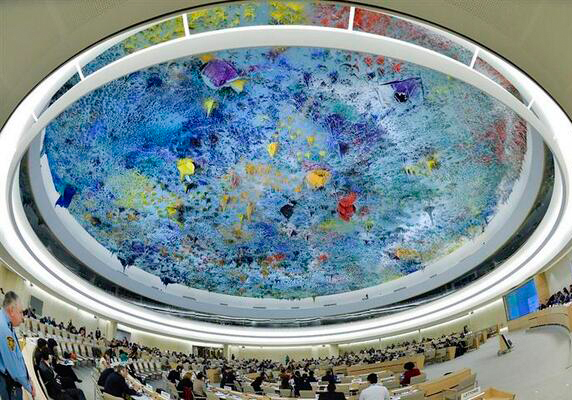
Sep 26, 2015
The ICJ submitted a briefing to the UN Human Rights Committee in advance of the Committee’s examination of Greece’s compliance with its obligations under the International Covenant on Civil and Political Rights (ICCPR).
In its submission the ICJ expressed concern and made recommendations about the following issues:
i. the Greek asylum system’s failure to comply in practice with the
non-refoulement obligations and the right to an effective remedy (article 2.3, read in conjunction with articles 6, 7, 9 and 14 ICCPR, in particular);
ii. the immigration detention of refugees, asylum seekers and other migrants and the conditions of their detention (article 7, 9 and 10 ICCPR);
iii. the treatment and immigration detention of unaccompanied children (articles 7, 9 and 24 ICCPR); and
iv. the reception and living conditions of asylum seekers amounting to
destitution (article 7 ICCPR).
Contact:
Massimo Frigo, Europe Programme Legal Adviser, email: massimo.frigo(a)icj.org
Greece-Europe-HRC Briefing-Advocacy-non-legal submissions-2015-ENG (full text in PDF)
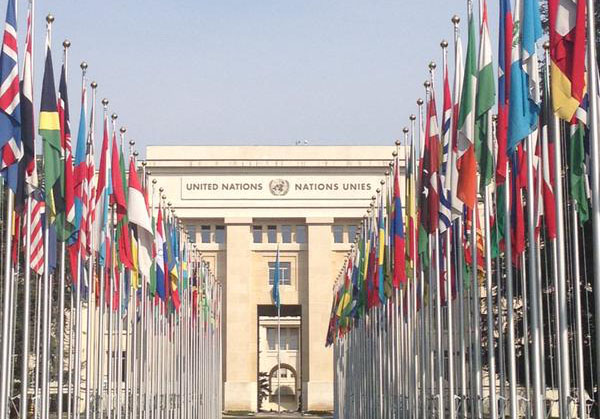
Sep 24, 2015 | Advocacy, Non-legal submissions
The ICJ made an oral statement to the UN Human Rights Council in Geneva today, calling on the Maldives to accept and implement recommendations on human rights and the rule of law, including the independence of the judiciary, received as part of the UN Universal Periodic Review process.
The statement, which was also supported by the NGO South Asians for Human Rights (SAHR), may be downloaded in PDF format here: Maldives-UN-HRC30OralStatement-Advocacy-non legal statement-2015-ENG
The report of a joint ICJ-SAHR fact-finding mission to the Maldives, conducted earlier this year, is available here.

Sep 24, 2015 | News
The ICJ and ten other civil society organizations are concerned about the possible refoulement by the Cambodian government of more than 100 Montagnard asylum seekers to Viet Nam and call on Cambodia not to take such action.
They issued a statement that can be downloaded here:
Cambodia-Refoulement of Montagnard asylum seekers-News-web story-2015-ENG (full text in PDF)