Sep 19, 2013
The ICJ today called on Canada to enact an effective legal framework for accountability of Canadian extractive industries and to reconsider its rejection of other UPR recommendations.
In an Interactive Dialogue on the adoption of the second cycle Universal Periodic Review of Canada (Item 6 of the Human Rights Council’s agenda), the ICJ reiterated its concern regarding the human rights impacts of Canadian business enterprises, in particular mining, gas and oil companies, in countries where they operate. It also called on Canada to reconsider its position not to accept UPR recommendations to become party to several key international human rights instruments.
The Interactive Dialogue took place during the 24th regular session of the Human Rights Council (9 to 27 September 2013).
Canada-HRC24-Item6-OralStatement-LegalSubmission-2013 (download full statement in PDF)
ICJ submission and advocacy on the Universal Periodic Review of Canada

Sep 19, 2013
The ICJ today called on Colombia to ensure accountability at the national and international levels through effective implementation of UPR recommendations and by reconsidering its rejection of other UPR recommendations.
In an Interactive Dialogue on the adoption of the second cycle Universal Periodic Review of Colombia (Item 6 of the Human Rights Council’s agenda), the ICJ stressed the importance for Colombia to implement in an effective manner recommendations accepted by it and called on Colombia to reconsider its rejection of recommendations for the Government to ratify international human rights treaties key to ensuring accountability and access to justice.
The Interactive Dialogue took place during the 24th regular session of the Human Rights Council (9 to 27 September 2013).
Colombia-HRC24-Item6-OralStatement-LegalSubmission-2013 (download full statement in PDF)
ICJ submission and advocacy on the Universal Periodic Review of Colombia
Sep 19, 2013 | News
The ongoing involvement of the lead prosecutor in the hearing on the appeal against the acquittal of opposition leader, Anwar Ibrahim, raises concerns about prosecutorial impartiality, the ICJ said today.
The ICJ is particularly concerned at the failure of the lead prosecutor, Datuk Seri Muhammad Shafee Abdullah, who was said to have some prior knowledge of the facts of the case, to remove himself from involvement in the proceedings and so maintain an appearance of prosecutorial integrity and impartiality.
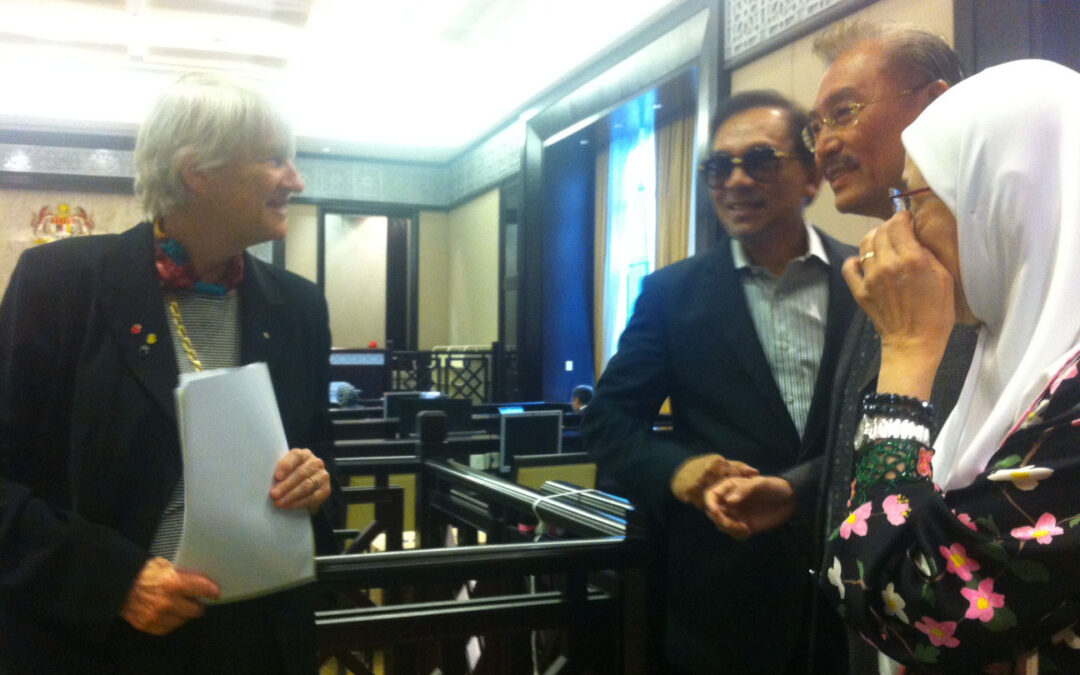
“This case is a significant test of the integrity of the judicial system in Malaysia, which for so long has been the subject of concern to human rights proponents, bodies and organizations,” said Justice Elizabeth Evatt, a Commissioner of the ICJ who was observing the proceedings.
The hearing on the appeal was postponed to allow the preliminary objection raised on the first day, 17 September, by the lawyers of Anwar Ibrahim against Judge Tengku Maimun Tuan Mat’s selection as a member of the three-person panel to hear the appeal.
The defense lawyers argued that there was a perception of bias due to Judge Tengku Maimun Tuan Mat’s former ruling in a libel suit involving Anwar Ibrahim and the then Prime Minister Mahathir Mohamad in 2007.
Judge Tengku Maimum Tuan Mat thereafter recused herself from the proceedings.
The Court of Appeal therefore reconvened on the second day, 18 September, with a new judge, Dato’ Rohana Binti Yusuf, to hear the motion objecting to the appointment of Datuk Seri Muhammad Shafee Abdullah as lead prosecutor in the case.
The motion was based partly on the fact that that Datuk Seri Muhammad Shafee Abdullah was present at Deputy Prime Minister Najib’s home at the same time as the complainant two days before the incidents leading to the filing of charges against Anwar Ibrahim.
At the very beginning of the case, Datuk Seri Muhammad Shafee Abdullah filed an affidavit concerning this fact, although he was not called as a witness in the proceedings.
The Court later denied the motion objecting to his appointment as lead prosecutor in this appeal, saying that there was no conflict of interest or apparent unfairness.
Justice Evatt, however, expressed concern that Datuk Seri Muhammad Shafee Abdullah had taken on the role of lead prosecutor in the appeal.
“We expect higher standards of prosecutorial conduct,” she said. “Considering the political overtones in this case, Datuk Seri Muhammad Shafee Abdullah should be especially sensitive to any appearance that might lead to a perception of bias and partiality that might arise from his earlier knowledge of facts of the case.”
The UN Guidelines on the Role of Prosecutors provide that in the performance of their duties, prosecutors shall carry out their duties with impartiality.
The ICJ also acknowledged Judge Tengku Maimun Tuan Mat’s recusal as a sign that the Court of Appeal recognized the need to appear impartial. Under the UN Basic Principles on the Independence of the Judiciary, “judges shall always conduct themselves in a manner as to preserve the dignity of their office and the impartiality and independence of the judiciary.”
The Bangalore Principles of Judicial Conduct, state that to ensure such impartiality “a judge shall disqualify himself or herself from participating in any proceedings in which it may appear to a reasonable observer that the judge is unable to decide the matter impartially.”
The Court did not indicate new dates on when the hearing on the appeal would take place. The ICJ will continue to monitor this case.
The ICJ has previously condemned Malaysia’s continuing use of colonial-era criminal charges of ‘sodomy’ to cover even consensual sexual relations between adults.
The ICJ believes that Article 377B of the Malaysian Penal Code is inconsistent with respect for the right to privacy under international standards.
Justice Evatt, the first female judge to be appointed to an Australian Federal Court, a former member of the United Nations Human Rights Committee, and a commissioner of the ICJ, traveled to Malaysia to observe the appeal hearing from 17 to 18 September 2013, at the Court of Appeal in Putrajaya.
Contact:
Emerlynne Gil, International Legal Adviser, t +662 6198477 ext. 206 ; email: emerlynne.gil(a)icj.org
Sep 18, 2013
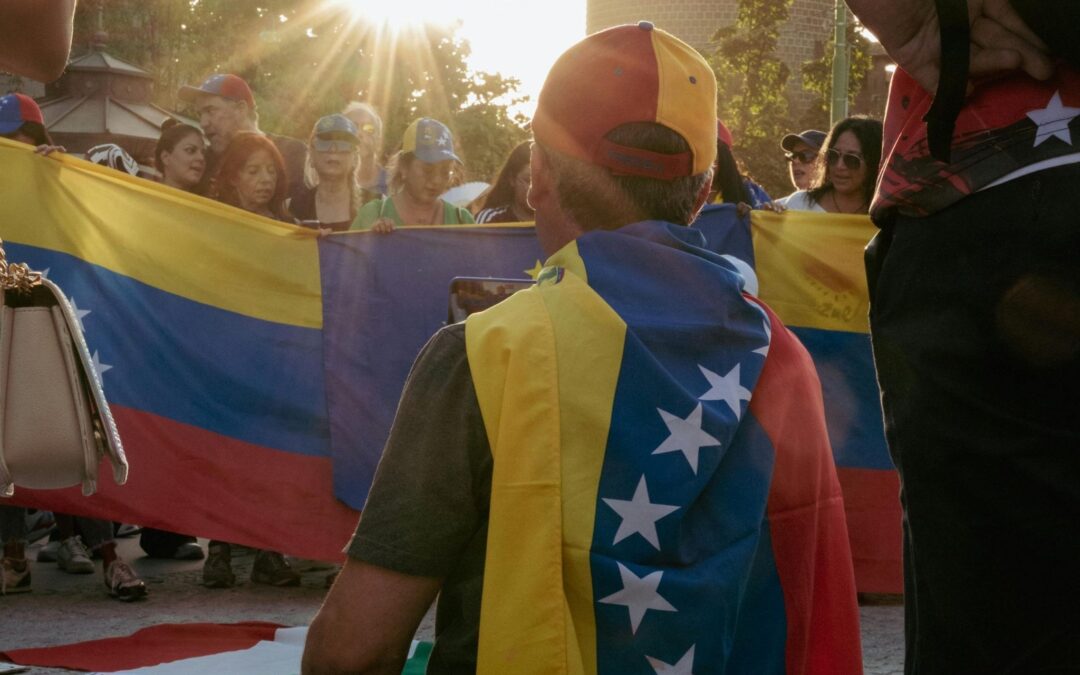
The ICJ today called on the UN Human Rights Council to urge Venezuela to withdraw charges brought against Judge Maria Lourdes Afiuni (photo) for the legitimate exercise of her professional functions.
In a General Debate under Item 5 (human rights bodies and mechanisms), the ICJ made reference to Judge Afiuni’s case as one profiled in the report of the UN Secretary-General on cooperation with the United Nations, its representatives and mechanisms in the field. Judge Afiuni was arrested in December 2009 for ordering the release on bail of Mr Eligio Cedeno, reportedly in part on the basis that his detention had been declared arbitrary by the UN Working Group on Arbitrary Detention.
The General Debate took place during the 24th regular session of the Human Rights Council (9 to 27 September 2013).
Venezuela-HRC24-Item5-OralStatement-Afiuni-LegalSubmission-2013 (download full statement, in English)
A-HRC-24-29 (download Secretary-General’s report, in English)

Sep 17, 2013
The ICJ today addressed the Human Rights Council on the grave situation for human rights and the rule of law in Egypt.
In a General Debate under Item 4 of the agenda of the Human Rights Council (human rights situations requiring the Council’s attention), the ICJ called on the Council to urge Egyptian authorities to:
- Immediately and unconditionally agree to receive a mission by the High Commissioner for Human Rights, and an ongoing presence in the country of an office of the OHCHR;
- Ensure a quick transition of power to a lawfully constituted civilian authority;
- Ensure prompt, independent and effective investigations into all alleged human rights violations, including the unlawful killing of protesters;
- Respect the right of detainees to a lawyer and to challenge the lawfulness of their detention; and
- Ensure that family members and legal counsel are notified of the detention of an individual, the place of detention, and the fate and whereabouts of hundreds of individuals reportedly missing.
The General Debate took place during the 24th regular session of the Council (9 to 27 September 2013).
Egypt-HRC24-Item4-OralStatement-LegalSubmission-2013 (download full statement in PDF)