Aug 20, 2013
Por primera vez un Tribunal de Canadá conocerá una demanda de daños y perjuicios en contra de una empresa canadiense por hechos cometidos en Guatemala.
Un Juez de la Corte de Ontario resolvió en el mes de Julio del presente año, que los casos que se siguen en contra de la empresa Hudbay Minerals Inc. por supuestos hechos cometidos en contra de dirigentes comunitarios en el Departamento de Izabal, pueden ser juzgados en Canadá por tribunales canadienses.
Este es un hecho histórico, ya que por primera vez una demanda por daños y perjuicios en contra de una compañía canadiense, relacionada con abusos a los derechos humanos, podrá ser conocida por tribunales canadienses.
Esta resolución permite que se respete el derecho de las víctimas guatemaltecas, de buscar justicia en otro país, en este caso Canadá, por hechos supuestamente cometidos en Guatemala, en los que una empresa privada de extracción de minerales (niquel) de Canadá (Hudbay Minerals Inc.), está siendo demandada.
El Director de la Comisión Internacional de Juristas para Centroamérica, a solicitud de los abogados que llevan el caso en Canadá, presentó su opinión en las cortes canadienses sobre el Derecho de Acceso a la Justicia en Guatemala, habiendo recomendado que el caso fuese conocido en Canadá, por considerar que la impunidad existente en Guatemala hacía imposible que el caso de daños y perjuicios fuese ventilado en las cortes guatemaltecas (ver adjunto el texto del peritaje sobre El Derecho de Acceso a la Justicia en Guatemala de Ramón Cadena versión en inglés).
La Comisión Internacional de Juristas en Guatemala publicará próximamente un estudio sobre este caso.
Guatemala-UE Peritaje Canadá Hudbay-expert opinion-advocacy-2013-eng (full text in pdf)
Aug 20, 2013 | Incidencia
Por primera vez un Tribunal de Canadá conocerá una demanda de daños y perjuicios en contra de una empresa canadiense por hechos cometidos en Guatemala.
Un Juez de la Corte de Ontario resolvió en el mes de Julio del presente año, que los casos que se siguen en contra de la empresa Hudbay Minerals Inc. por supuestos hechos cometidos en contra de dirigentes comunitarios en el Departamento de Izabal, pueden ser juzgados en Canadá por tribunales canadienses.
Este es un hecho histórico, ya que por primera vez una demanda por daños y perjuicios en contra de una compañía canadiense, relacionada con abusos a los derechos humanos, podrá ser conocida por tribunales canadienses.
Esta resolución permite que se respete el derecho de las víctimas guatemaltecas, de buscar justicia en otro país, en este caso Canadá, por hechos supuestamente cometidos en Guatemala, en los que una empresa privada de extracción de minerales (niquel) de Canadá (Hudbay Minerals Inc.), está siendo demandada.
El Director de la Comisión Internacional de Juristas para Centroamérica, a solicitud de los abogados que llevan el caso en Canadá, presentó su opinión en las cortes canadienses sobre el Derecho de Acceso a la Justicia en Guatemala, habiendo recomendado que el caso fuese conocido en Canadá, por considerar que la impunidad existente en Guatemala hacía imposible que el caso de daños y perjuicios fuese ventilado en las cortes guatemaltecas (ver adjunto el texto del peritaje sobre El Derecho de Acceso a la Justicia en Guatemala de Ramón Cadena versión en inglés).
La Comisión Internacional de Juristas en Guatemala publicará próximamente un estudio sobre este caso.
Guatemala-UE Peritaje Canadá Hudbay-expert opinion-advocacy-2013-eng (full text in pdf)
Aug 16, 2013
The ICJ and Human Rights Watch wrote an open letter to the government of Pakistan regarding its recently announced decision to resume executions.
Pakistan planned on carrying out its first civilian executions in five years by hanging two convicts between 20-22 August 2013.
The letter emphasizes that the death penalty violates the right to life and constitutes cruel, inhuman and degrading punishment, and urges the government to immediately halt all executions and adopt a moratorium on the death penalty; abolish the death penalty permanently in domestic law; and accede to the Second Optional Protocol to the International Covenant on Civil and Political Rights on the abolition of the death penalty.
CONTACT:
Sam Zarifi, ICJ Asia-Pacific Director, (Bangkok), t: +66 807819002; email: sam.zarifi(a)icj.org
Pakistan-ICJ and HRW -Open letter on the resumption of executions – advocay – 2013 (full text in pdf)
Aug 15, 2013 | News
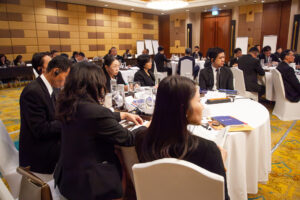
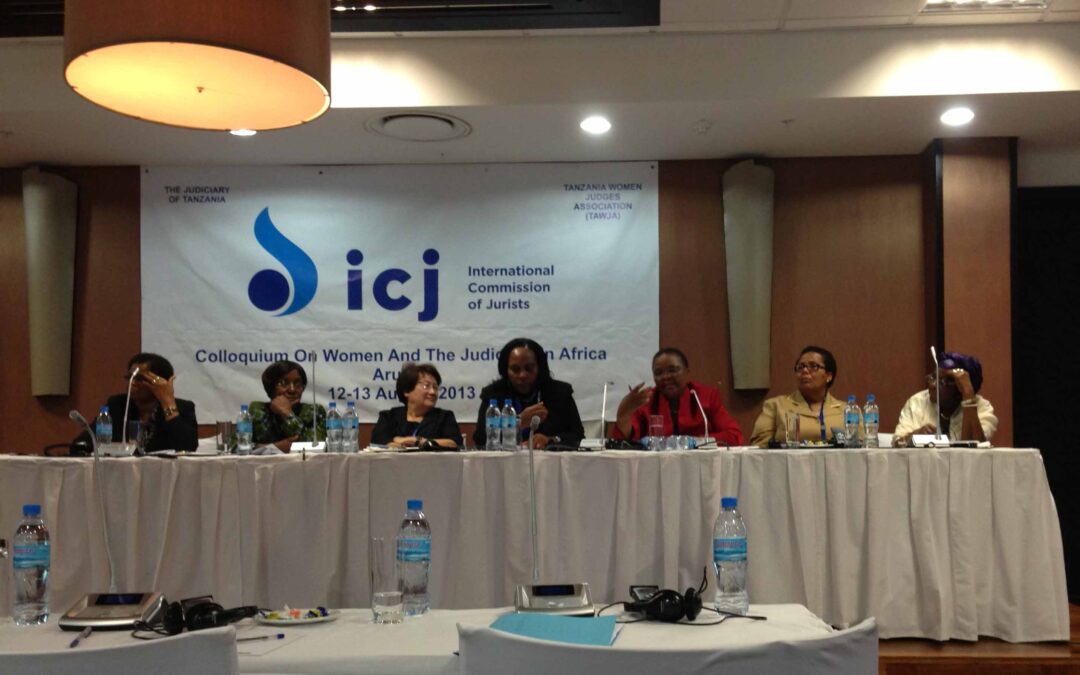
Women judges from across Africa participated in the first ICJ Colloquium on Women and the Judiciary on 12 and 13 August in Arusha, Tanzania.
The Arusha Colloquium, was opened by the Chief Justice of Tanzania and was hosted in collaboration and partnership with the Tanzania Women Judges Association and the Judiciary of Tanzania.
It enabled thirty five senior women judges from over fifteen African jurisdictions to come together to share their stories and reflect on and discuss their personal and professional experiences and challenges as women within the judiciary.
They were joined by over 15 women human rights defenders and lawyers.
Colloquium themes included the importance and role of women within the judiciary, independence and impartiality issues effecting women judges, appointment and promotion procedures, education and training needs and the role of women judges associations.
Discussions also addressed the role of the judiciary in advancing gender equality, women’s access to justice and protection of women human rights defenders.
The Colloquium marks the beginning of an ICJ multi-year initiative on women judges, lawyers and human rights defenders as agents of change.
Aug 13, 2013 | News
The ICJ today called on the Nepalese Government to release the body of Tibetan Monk Karma Nyidon Gyasto to the Tibetan community to carry out his last rites in accordance with Nepal’s laws and international obligations.
“We are deeply concerned about this rejection of Nepal’s laws and its international obligations,” said Asia Director Sam Zarifi.
On 5 August 2013, a Tibetan refugee, Karma Nyidon Gyasto self-immolated at the Boudha Stupa, in Kathmandu. He was taken to Tribhuvan University Teaching Hospital, where he was later declared dead. His body is apparently being held in the hospital’s mortuary.
On 12 August 2013, the Tibetan Refugee Welfare Office, registered an application to the Office of the Chief District Officer in Kathmandu to perform funeral rites. The Tibetan Refugee Welfare Office is acting on behalf of Gyatso given the lack of clear legal status of the resident Tibetan refugee community.
This is the second protest by self-immolation in Nepal. The first was in February 2013. In that case the government refused to hand over the body for funeral rites.
The refusal to hand over the body contravenes Nepal’s national laws.
The Interim Constitution, under Article 23 guarantees the right to religion, including the right to practice and perform religious rites.
Furthermore Article 17 provides that every community in Nepal has the right to preserve and promote its culture.
The action also contravenes Nepal’s international obligations.
Article 18 of the International Covenant on Civil and Political Rights (ICCPR) provides for the right to a religion or belief of his choice, and freedom, either individually or in community with others and in public or private, to manifest his religion or belief in worship, observance, practice and teaching.
Furthermore, General Comment No 22 on Article 18 of the ICCPR states that this right includes ritual and ceremonial acts.
Under the Covenant, the Government of Nepal is obliged to respect and ensure the religious and cultural rights of the Tibetan refugee community, who have a legitimate right to receive the body and hold a funeral according to their religion and culture.
CONTACT:
Sam Zarifi, ICJ Asia-Pacific Director, (Bangkok), t: +66 807819002; email: sam.zarifi(a)icj.org