Dec 22, 2012
 In this case the applicants alleged that Costa Rica’s complete prohibition on in vitro fertilization (IVF) contravened the American Convention on Human Rights giving rise to violations of their rights to privacy and family life.
On 21 December 2012, the Inter-American Court upheld the applicants claim and requested Costa Rica to take measures to address the situation including overturning the prohibition within a six month period.
In its important decision the Court held that the prohibition contravened the applicants’ rights to privacy, liberty, personal integrity, and to form a family as protected by the American Convention on Human Rights.
The court also considered the prohibition undermined enjoyment of the right to be free from discrimination.
The ICJ filed an Amicus brief in the case in September 2012.
In its brief the ICJ focused on the legal principles and doctrine that should be applied by the Court when considering the case.
Specifically the ICJ addressed the criteria that should be taken into account by the Court when considering whether Costa Rica’s complete ban on IVF amounted to a permissible limitation on the applicant’s human rights.
Costa Rica-ICJ Amicus Fertilization in vitro-legal submission-2012 (full text in PDF)
Costa Rica-Amicus ICJ-fecundacion in vitro-legal submission-2012-spa (full text in PDF)
Dec 14, 2012
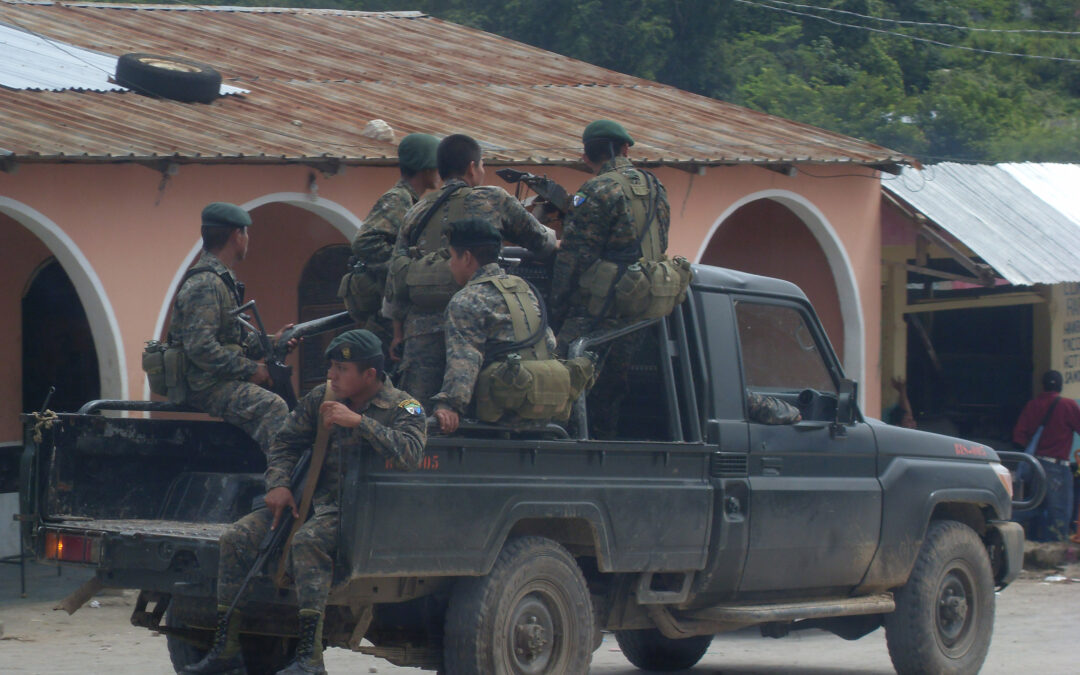
La CIJ se preocupa de la situación de la administración de justicia, el alto grado de impunidad, los ataques contra operadores de justicia y defensores de derechos humanos, como así también la falta de acceso a la justicia y reconocimiento de la justicia indígena.
Por ello, además de actividades investigativas, la CIJ realizó dos visitas en el transcurso de 2005 con el fin de evaluar estos temas. Tras sus visitas, y a pesar de los esfuerzos del actual Gobierno, la CIJ pudo comprobar que la administración de justicia y el estado de derecho continúan siendo sumamente débiles.
El conflicto armado en el que estuvo sumida Guatemala por casi cuatro décadas produjo un debilitamiento institucional del que el país todavía no se ha recuperado. El fortalecimiento institucional estipulado en los Acuerdos de Paz ha sido parcial: si bien se han producido numerosos avances, por ejemplo en el abandono de las violaciones de derechos humanos como política estatal y de reducción del Ejército, persisten serias dificultades en lo referente a la activa protección de los derechos humanos por parte de la judicatura y a la investigación y enjuiciamiento de las violaciones de derechos humanos del pasado.
A lo largo del presente informe se detallan las serias debilidades estructurales y prácticas de la administración de justicia, debilidades que suponen violaciones al derecho a un juicio justo. Los procedimientos de selección, evaluación y destitución de jueces y magistrados, como así también la falta de estabilidad en el cargo y las condiciones de servicio, no garantizan su independencia e imparcialidad. Sobre estos temas, la CIJ formula una serie de recomendaciones, entre ellas ciertas reformas constitucionales, destinadas a garantizar la independencia del Organismo Judicial en su conjunto y de los jueces y magistrados individuales.
El aumento en el número de ataques contra jueces, fiscales y defensores de derechos humanos, y la consecuente falta de investigación exhaustiva sobre estos hechos delictivos, constituyen una seria manifestación del clima de impunidad con la que operan grupos clandestinos. Sobre este tema, la CIJ lamenta que la Comisión de Investigación de los Cuerpos Ilegales y Aparatos Clandestinos de Seguridad (CICIACS) no se haya establecido e insta al Estado de Guatemala a emprender esfuerzos concretos para investigar y desarticular tales grupos.
Las debilidades que se observan en el Ministerio Público, tanto en términos de recursos humanos como materiales, impiden que tal órgano desempeñe sus funciones de manera eficaz. La falta de presencia en todo el territorio, como así también la deficiente formación en el procedimiento penal oral y la ausencia de procedimientos disciplinarios transparentes son algunos de los retos que debe asumir Guatemala para fortalecer la capacidad de acción de tan importante institución.
La CIJ pudo estudiar el actual proyecto de reforma de la justicia militar, mediante el cual se prevé la creación de un fuero personal para miembros en activo y retiro de las Fuerzas Armadas. La CIJ considera que este proyecto es contrario a las obligaciones de Guatemala bajo el derecho internacional y que debe ser modificado para que los tribunales militares sólo tengan competencia para juzgar militares por delitos estrictamente de naturaleza militar.
Asimismo, la CIJ pudo comprobar el uso abusivo del recurso de amparo con fines dilatorios, lo que lo transforma, principalmente en casos por violaciones de derechos humanos, en un mecanismo de impunidad. La CIJ estima que el actual proyecto de ley de reforma, si bien introduciría cambios en la dirección correcta para la protección y uso adecuado de este importante recurso, debe ser modificado para incorporar las disposiciones elaboradas por la Comisión de Fortalecimiento de la Justicia, entre ellas las relativas al rechazo in limine de un recurso.
Los reiterados ataques contra defensores de derechos humanos, como así también la utilización de la justicia penal con el fin de restringir la protesta social y mediar en conflictos locales, representan una seria amenaza al estado de derecho en Guatemala. La CIJ pudo comprobar la falta de investigación exhaustiva de los ataques contra defensores en contraposición con la rapidez con que el Ministerio Público avanza los procesos contra líderes sociales y grupos que reclaman sus derechos.
La CIJ pudo observar con preocupación la falta de acceso a la justicia de amplios sectores de la población, principalmente los sectores más pobres. Al respecto, los esfuerzos del Gobierno deben redoblarse para garantizar el efectivo acceso a los tribunales de toda la población. Los pueblos indígenas tienen el derecho de establecer su propia jurisdicción dentro de las comunidades de acuerdo con las obligaciones de Guatemala bajo el Convenio 169 de la OIT. No obstante, las autoridades guatemaltecas no han tomado las
medidas necesarias para garantizar plenamente este derecho. En ese sentido, la CIJ estima que es necesario emprender una reforma legal que reconozca la aplicabilidad de la justicia indígena.
Guatemala-justice-fact-finding mission-2005-spa (full text, PDF)
Ver también: Guatemala : decisive action needed to create independent judiciary and fight impunity = Acciones decididas para crear una judicatura independiente y combatir la impunidad

Dec 14, 2012
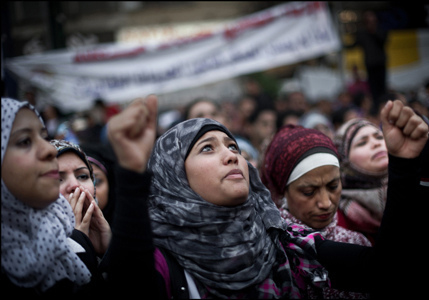 The ICJ today expresses its grave concern regarding the draft Constitution and the constitutional referendum to be held on 15 December 2012 and 22 December 2012.
The ICJ calls upon the Egyptian authorities to ensure the right of Egyptians to fully participate in the constitution-making process in pursuit of their democratic aspirations.
In a new legal briefing paper, the ICJ analyses key provisions of Egypt’s draft Constitution in light of international human rights and rule of law standards.
“The draft Constitution falls short of international standards, including those concerning the accountability of the armed forces, guaranteeing the independence of the judiciary, and recognizing universally accepted human rights,” said Said Benarbia, ICJ Senior Legal Adviser of the Middle East and North Africa Program. “Further, in the context of deep political instability, providing only two weeks for the public to consider the draft Constitution undermines the right of all Egyptians to make an informed decision about the basic framework of governance and law for their society.”
While the draft Constitution extends the language of Egypt’s 1971 Constitution on human rights, the definition and scope of several human rights are still inconsistent with Egypt’s obligations under international law, the ICJ says.
The draft continues to subject these rights to the limits of laws, without any reference to the content and scope of these limits and whether or not they are necessary in a democratic society.
Such limitations also undermine the constitutional guarantees for the independence of the High Judicial Council, the Constitutional Court and the office of the Public Prosecutor, the ICJ states.
In addition, the draft Constitution perpetuates the use of military courts to try civilians.
“In light of these shortcomings and the failure of the process to meet international standards of inclusive participation, the draft Constitution should be withdrawn, and sufficient time should be given for the drafting of a new constitution that fully represents the views of all Egyptians,” Benarbia added.
Contact:
Saïd Benarbia, Middle East & North Africa Senior Legal Adviser, ICJ, t +41 22 979 3817; e-mail: said.benarbia(at)icj.org
Egypt-Constitution reform process-Analysis brief-2012 (full text in pdf)
See also Egypt: a flawed constitutional reform process
Photo by Pan African News Wire
Dec 14, 2012 | Multimedia items, Photo galleries
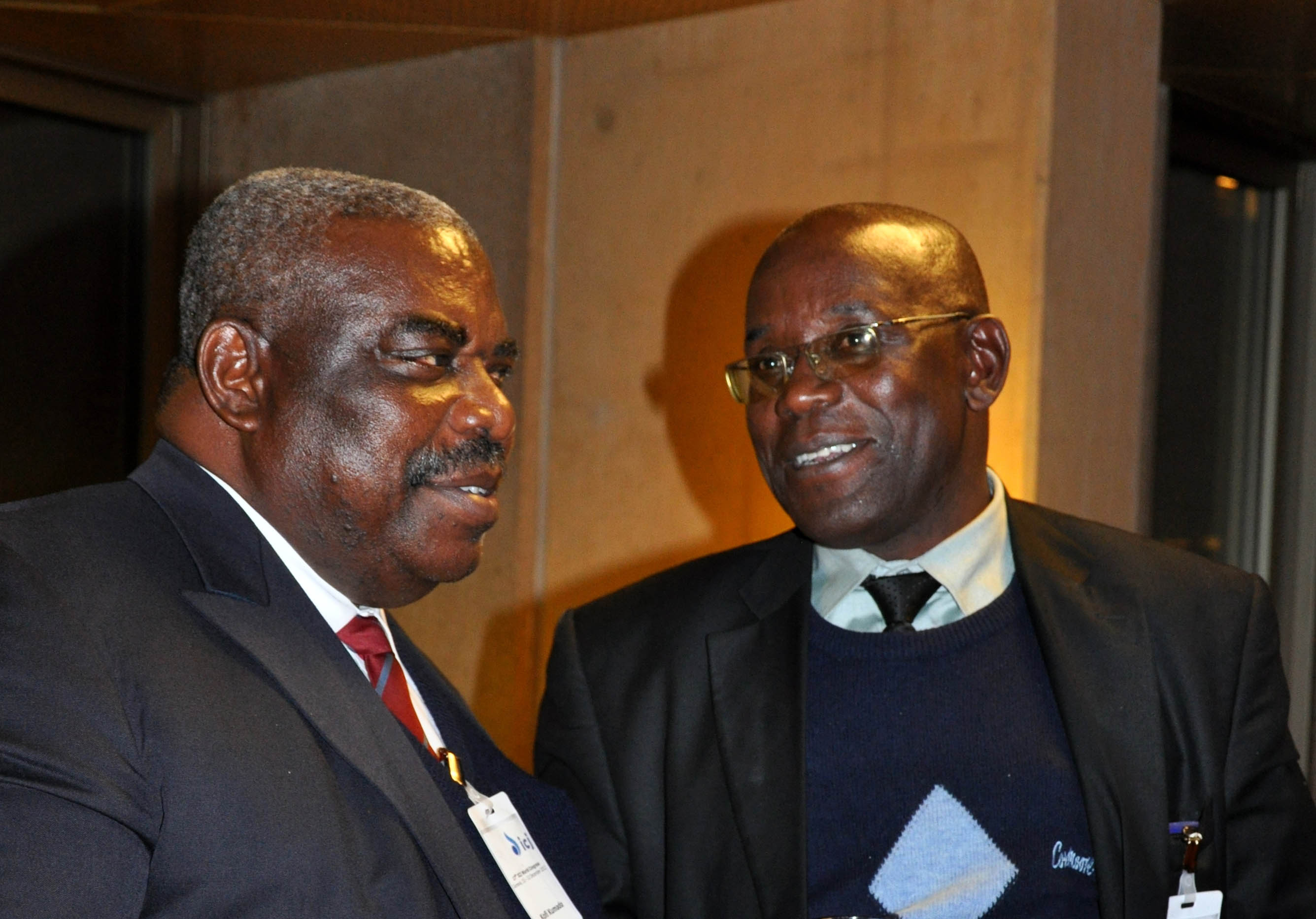
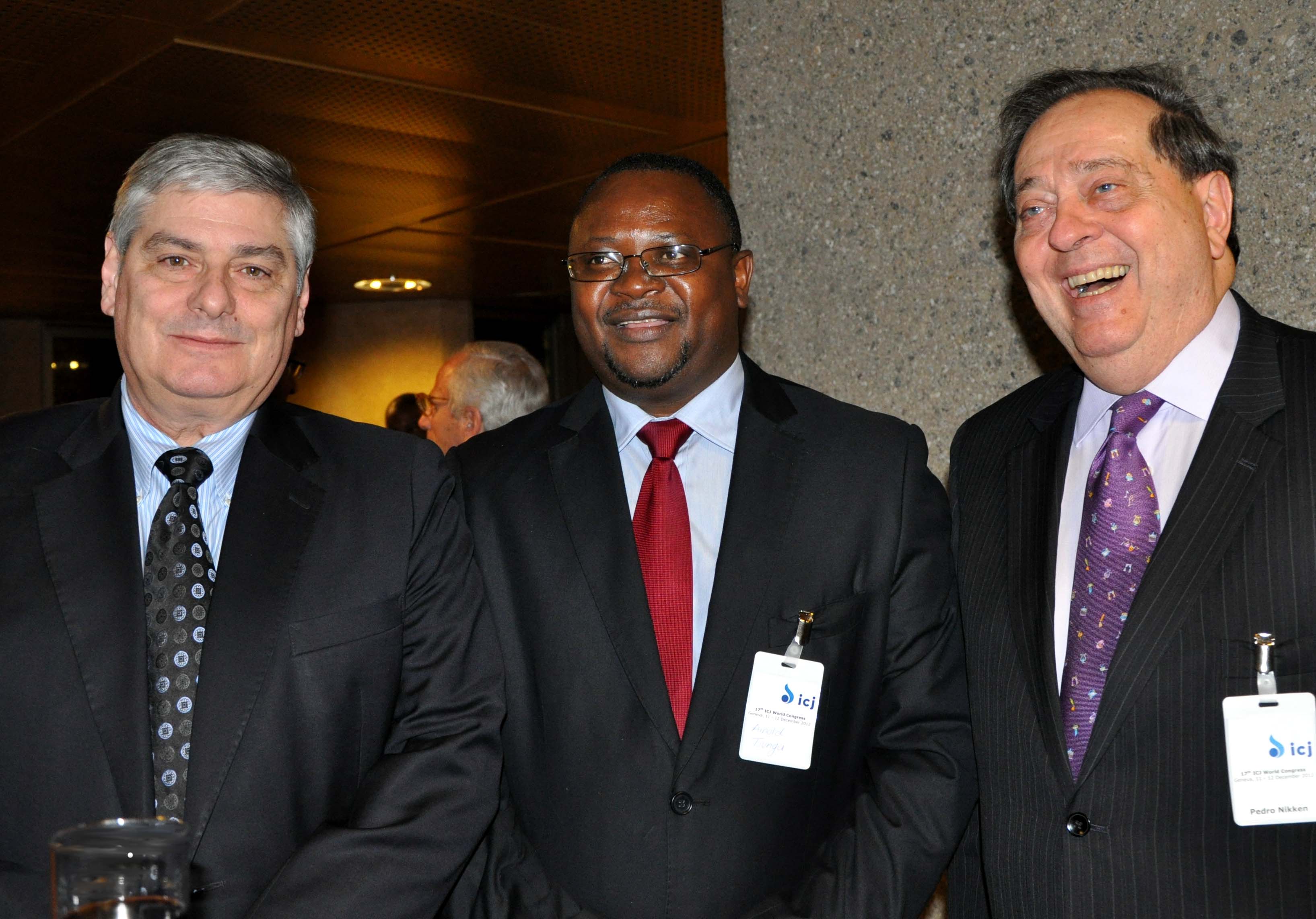
 In pictures: the 17th World Congress of the ICJ opened today in Geneva, bringing together approximately 120 leading judges, lawyers and human rights defenders from five continent.
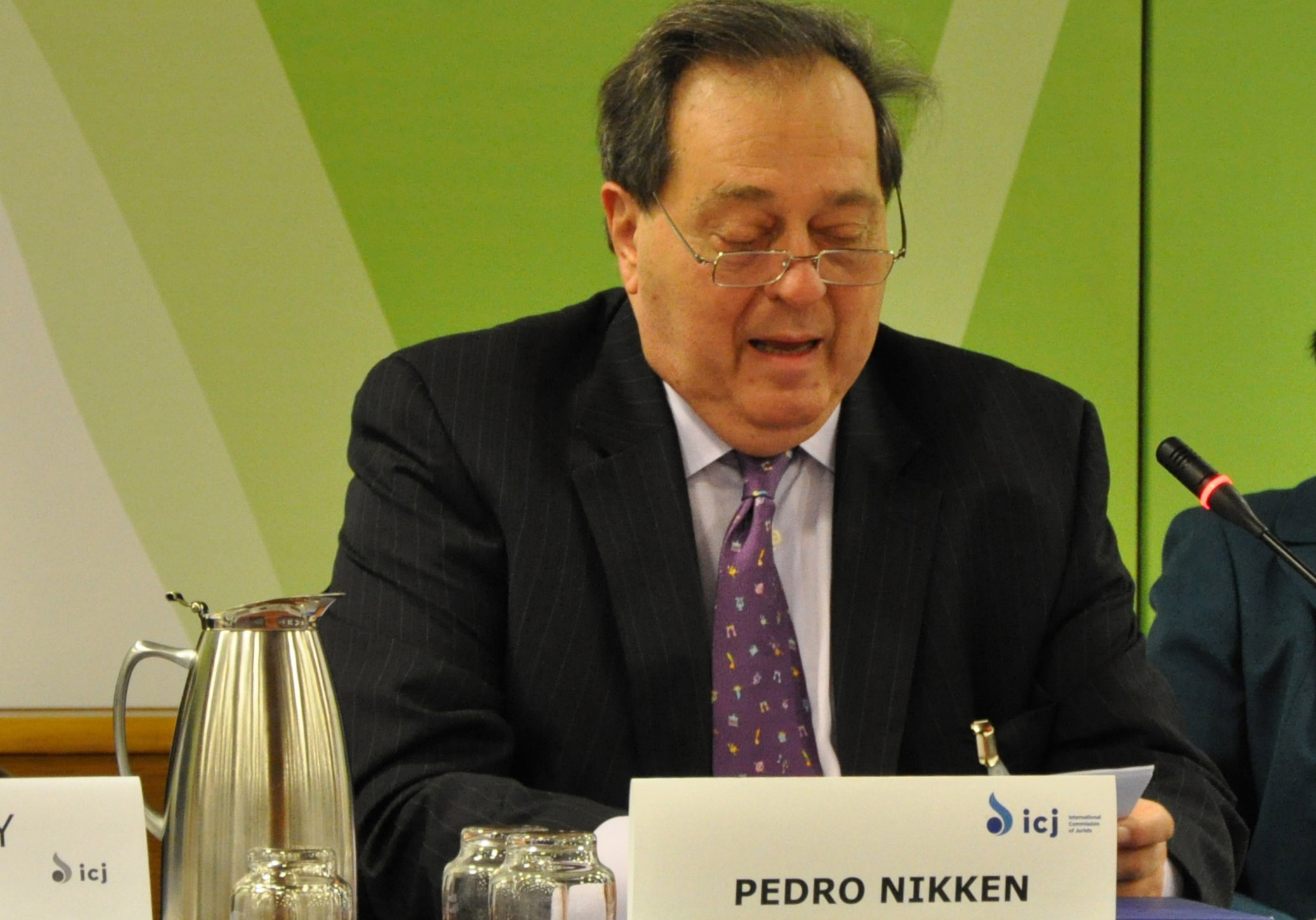
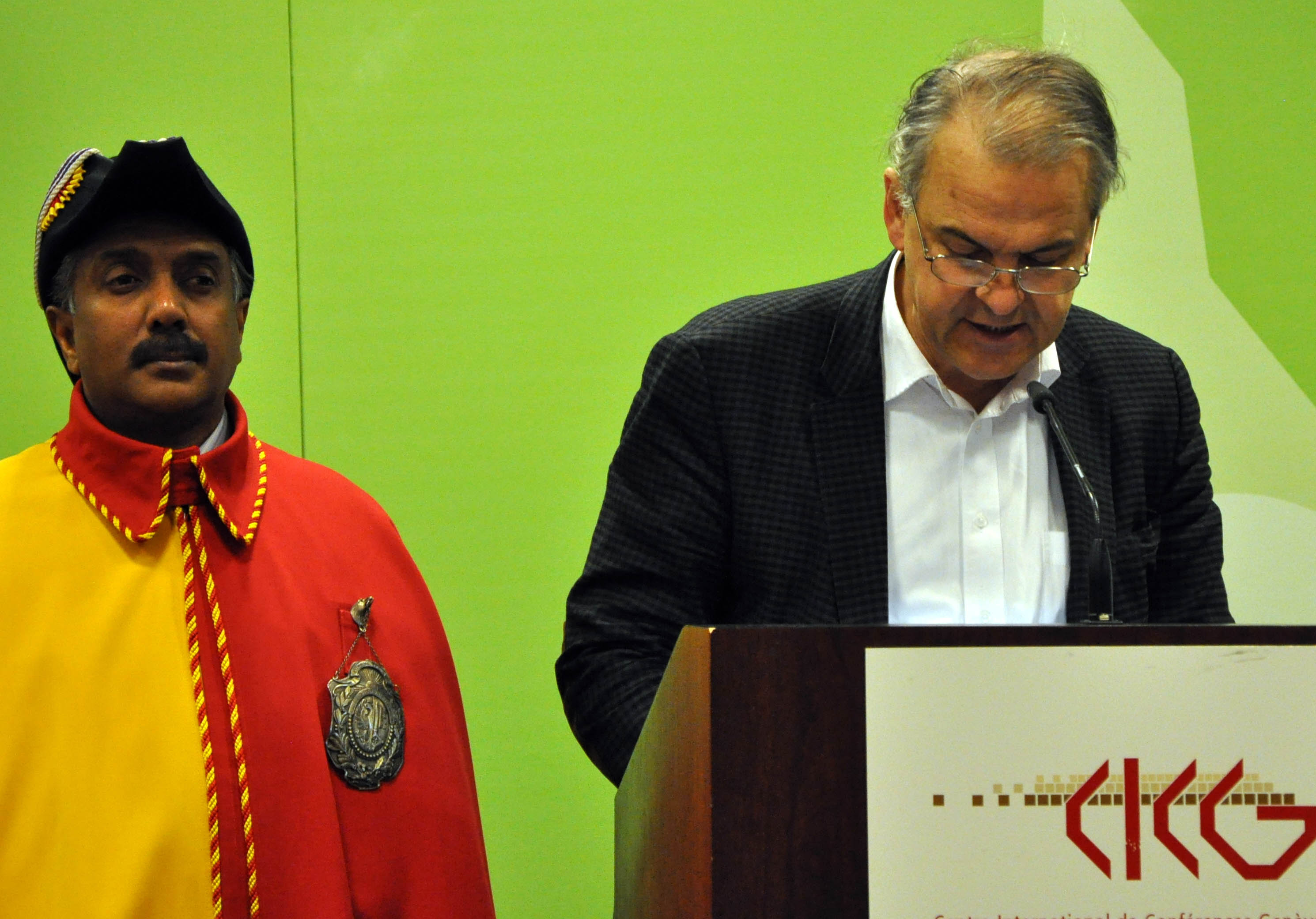

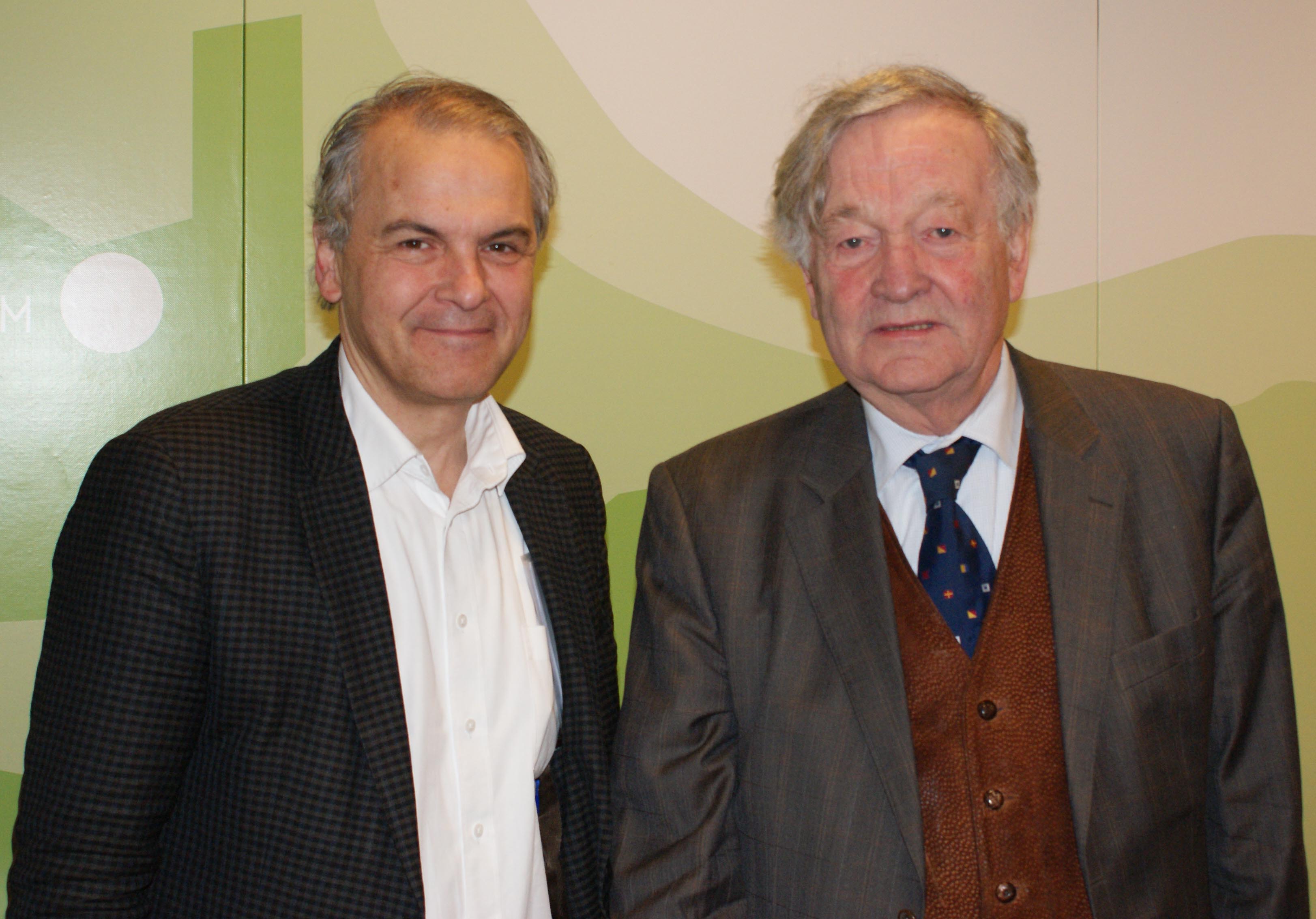

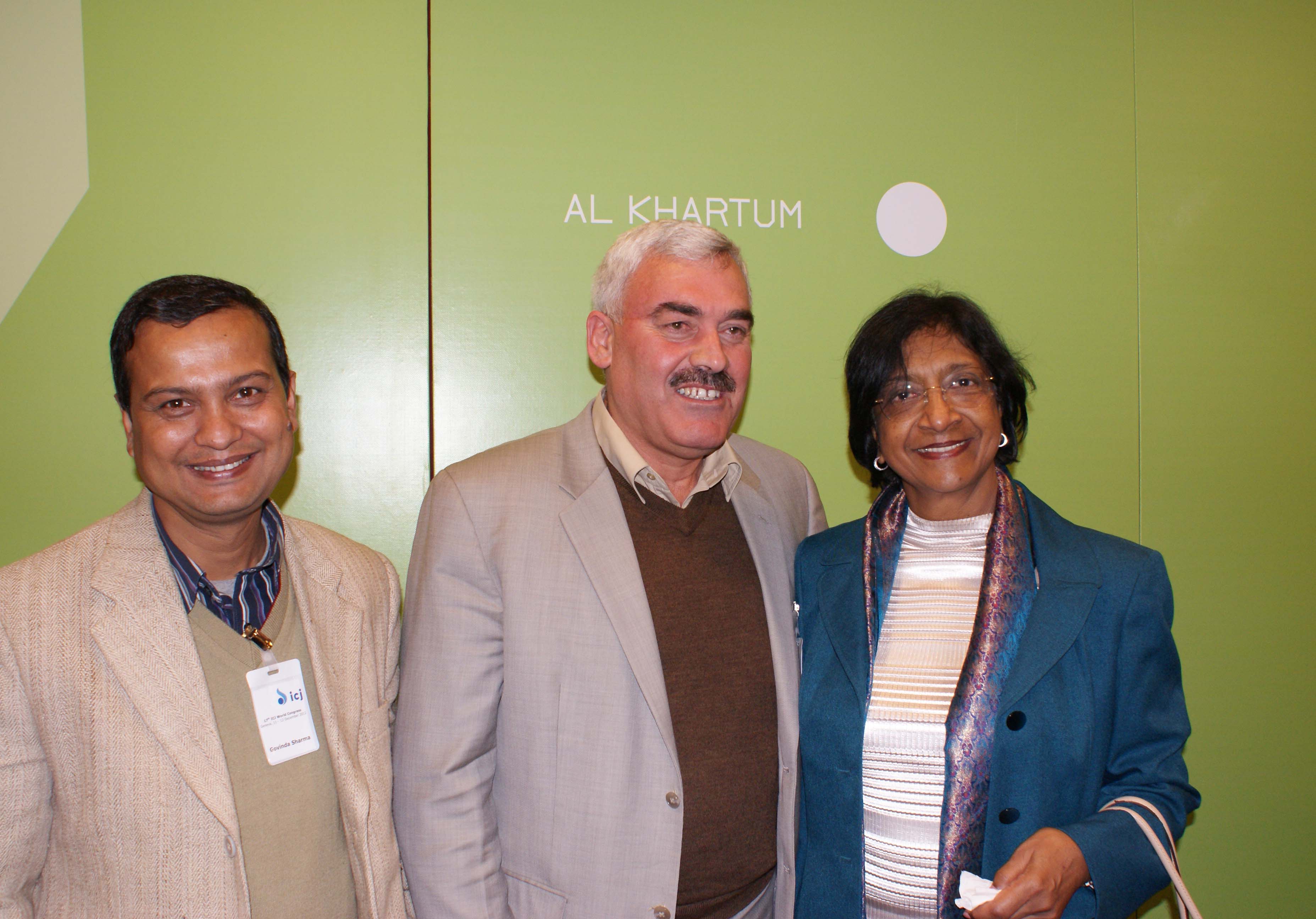


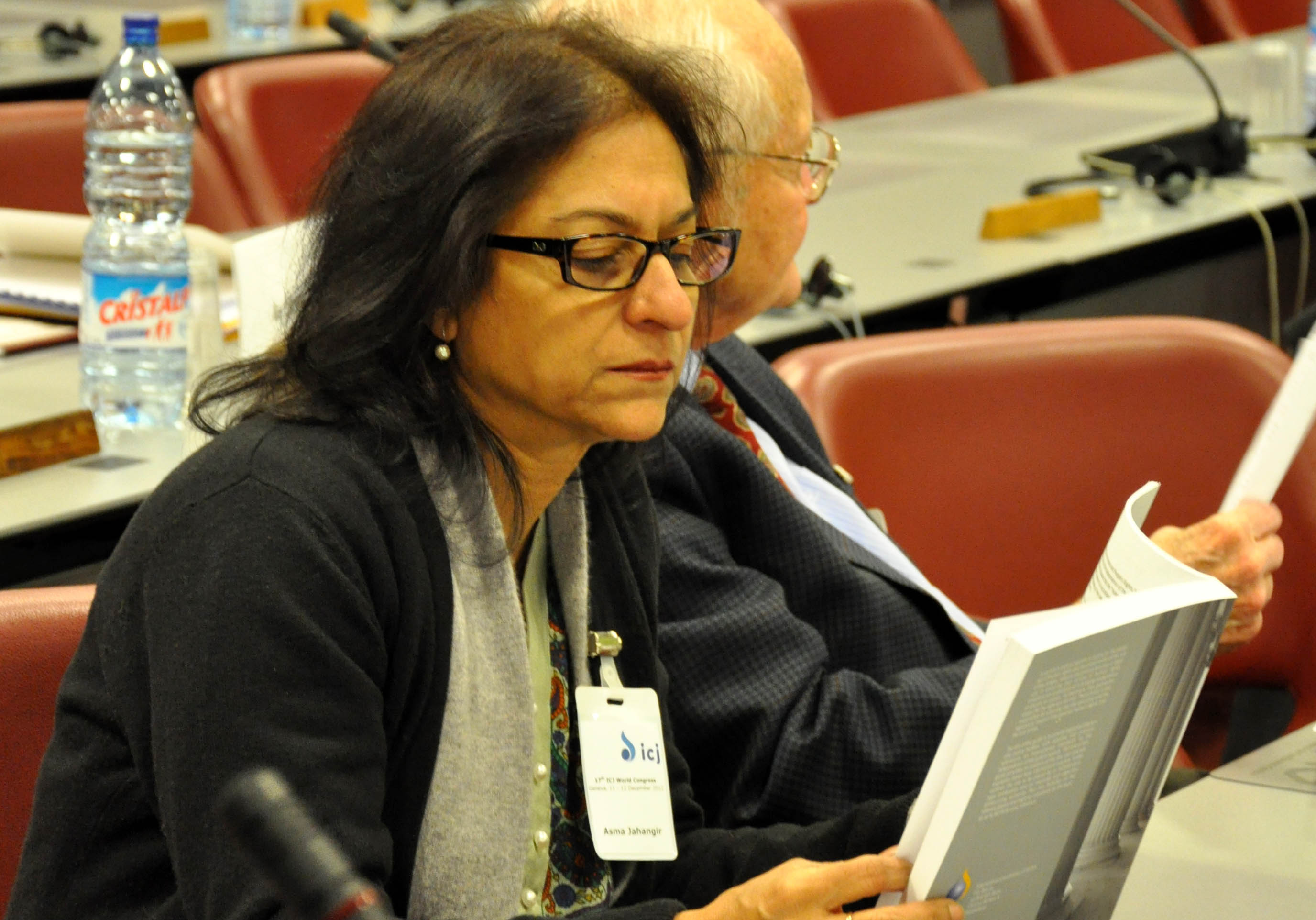
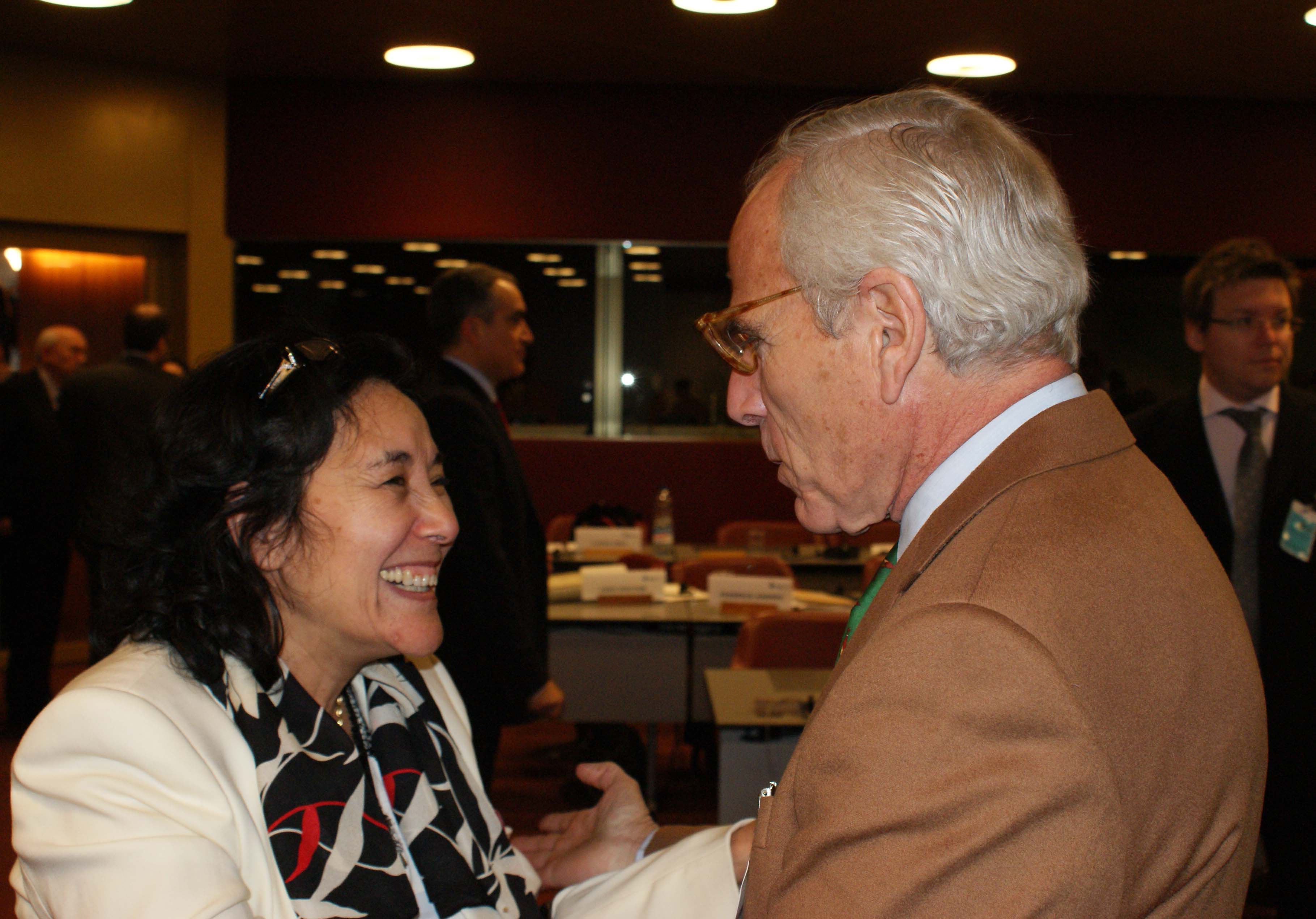




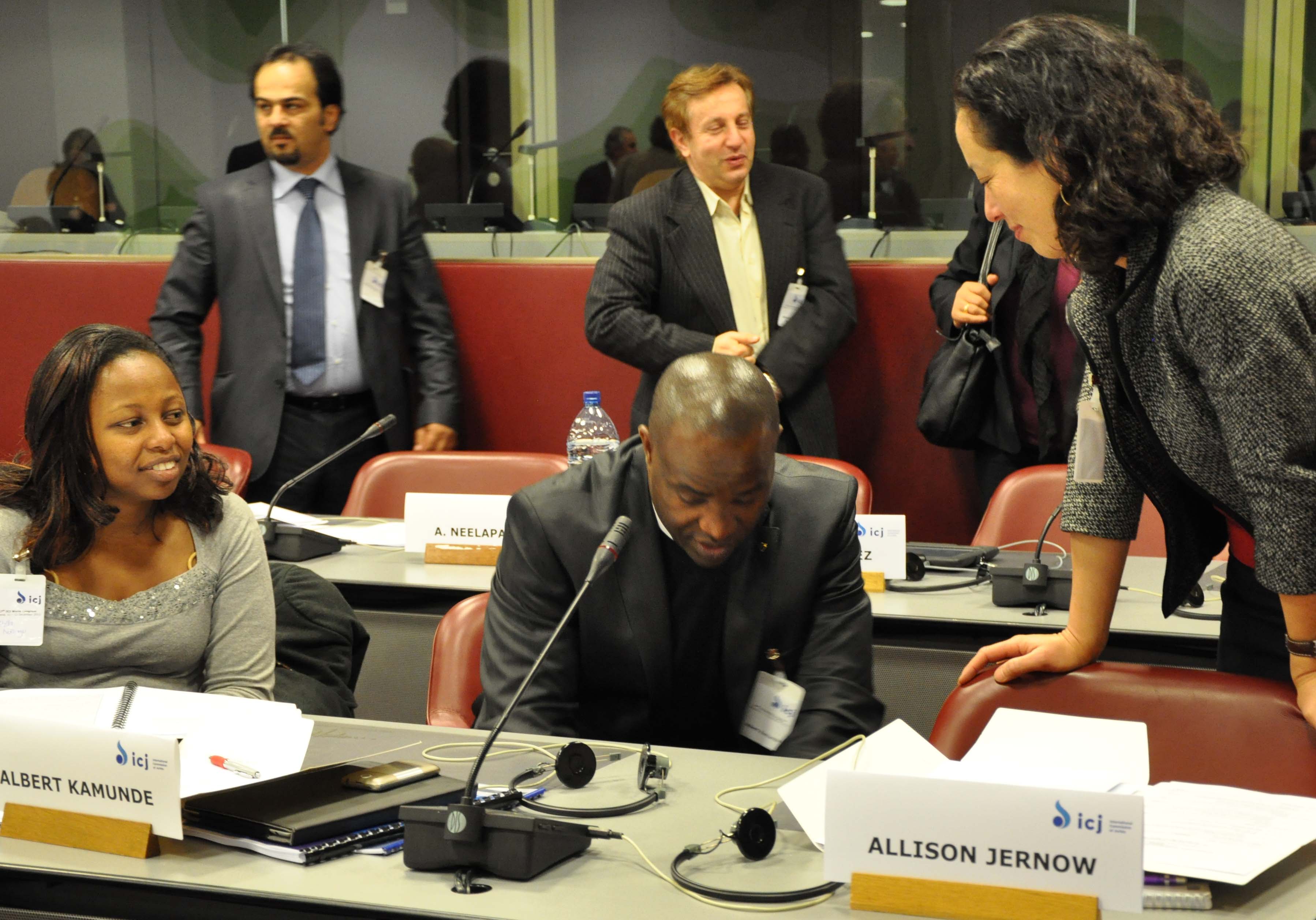
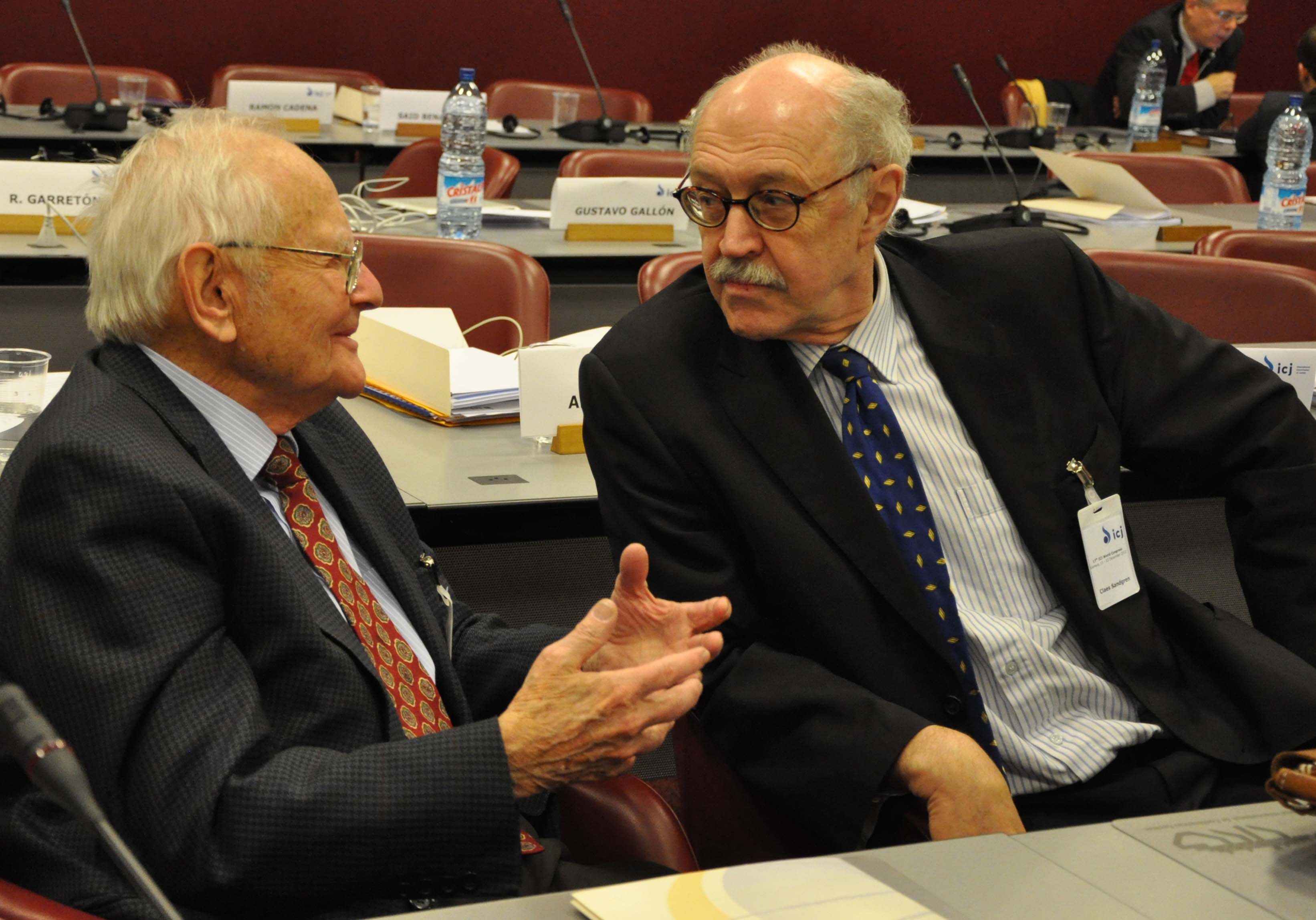

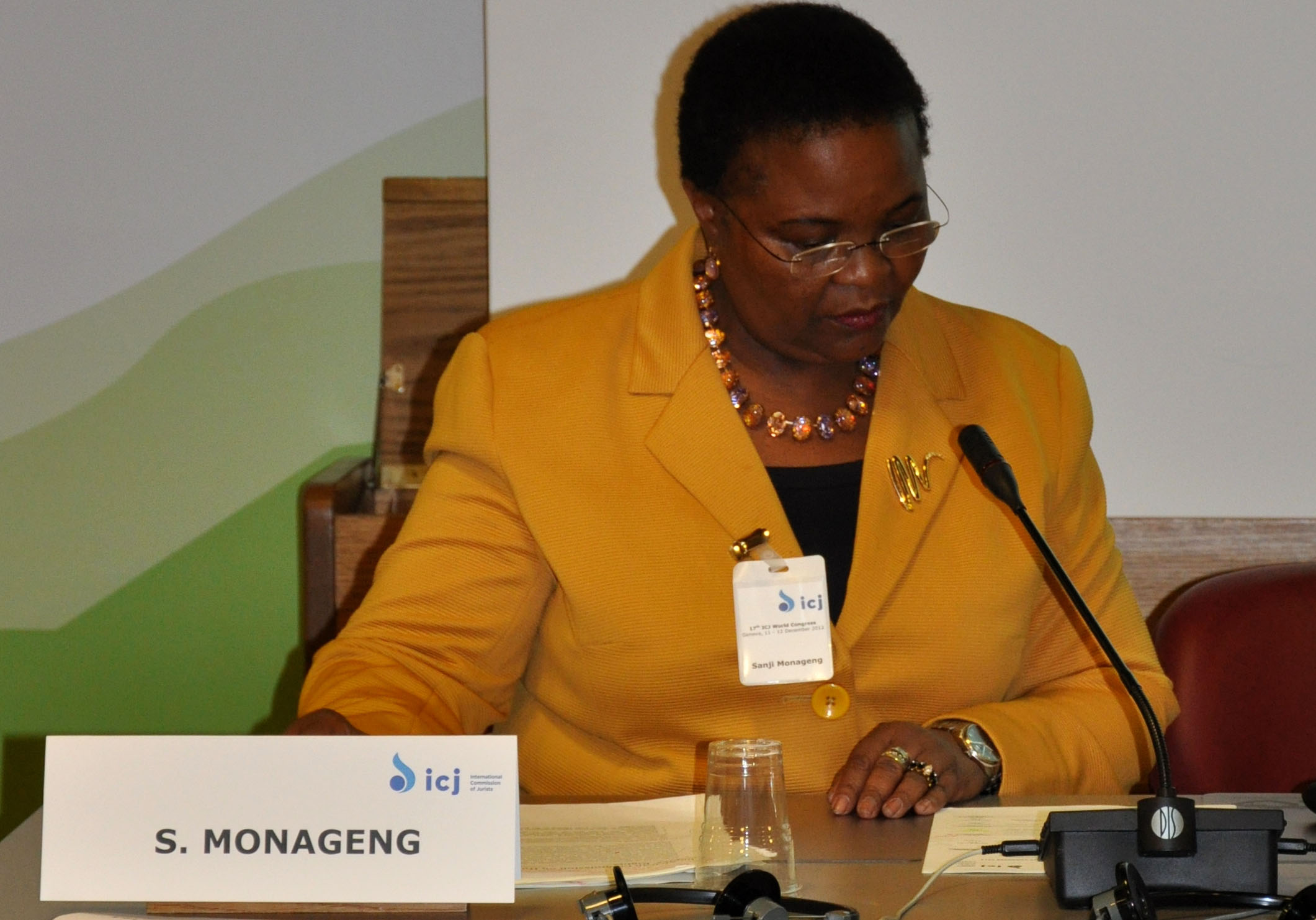
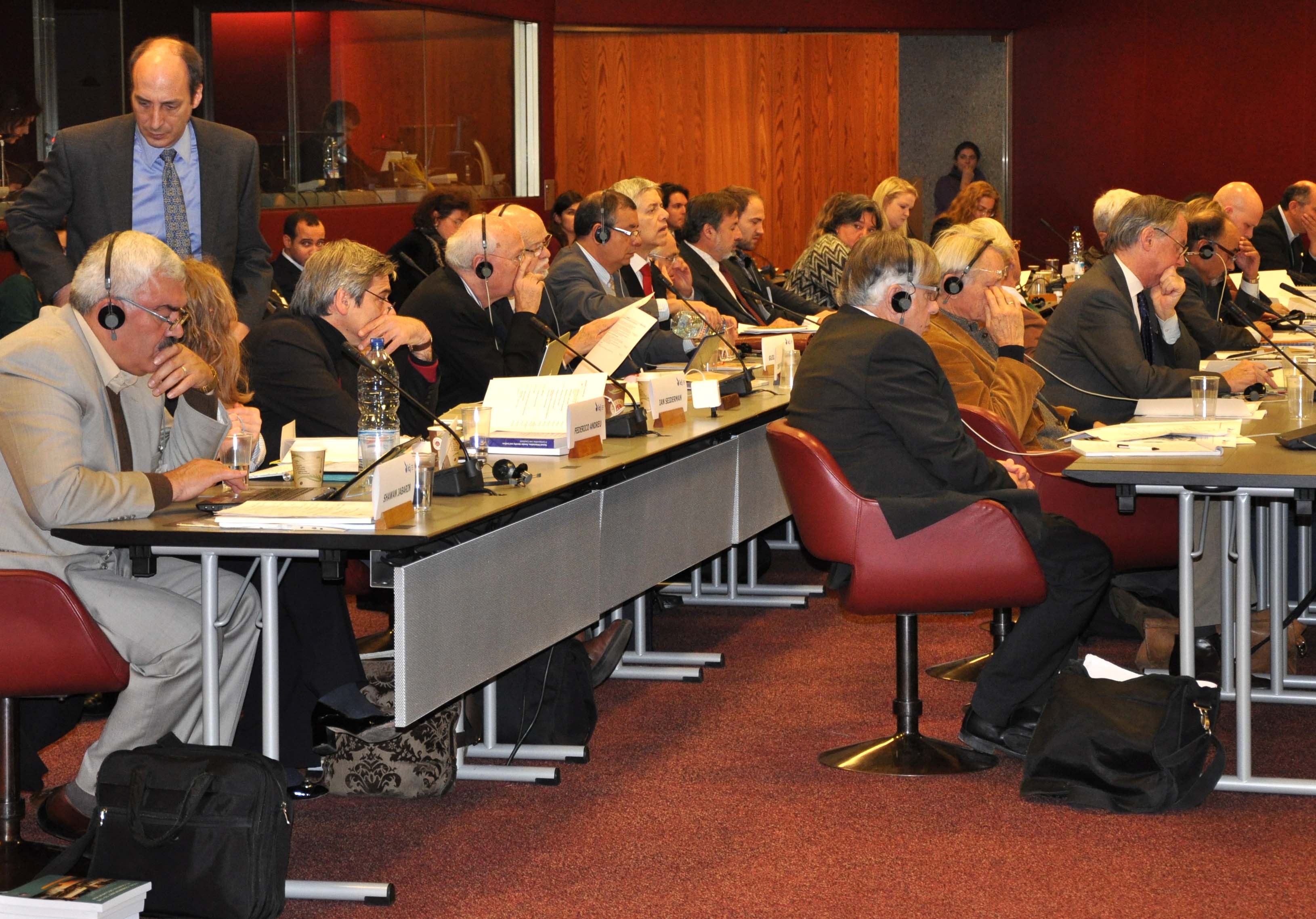
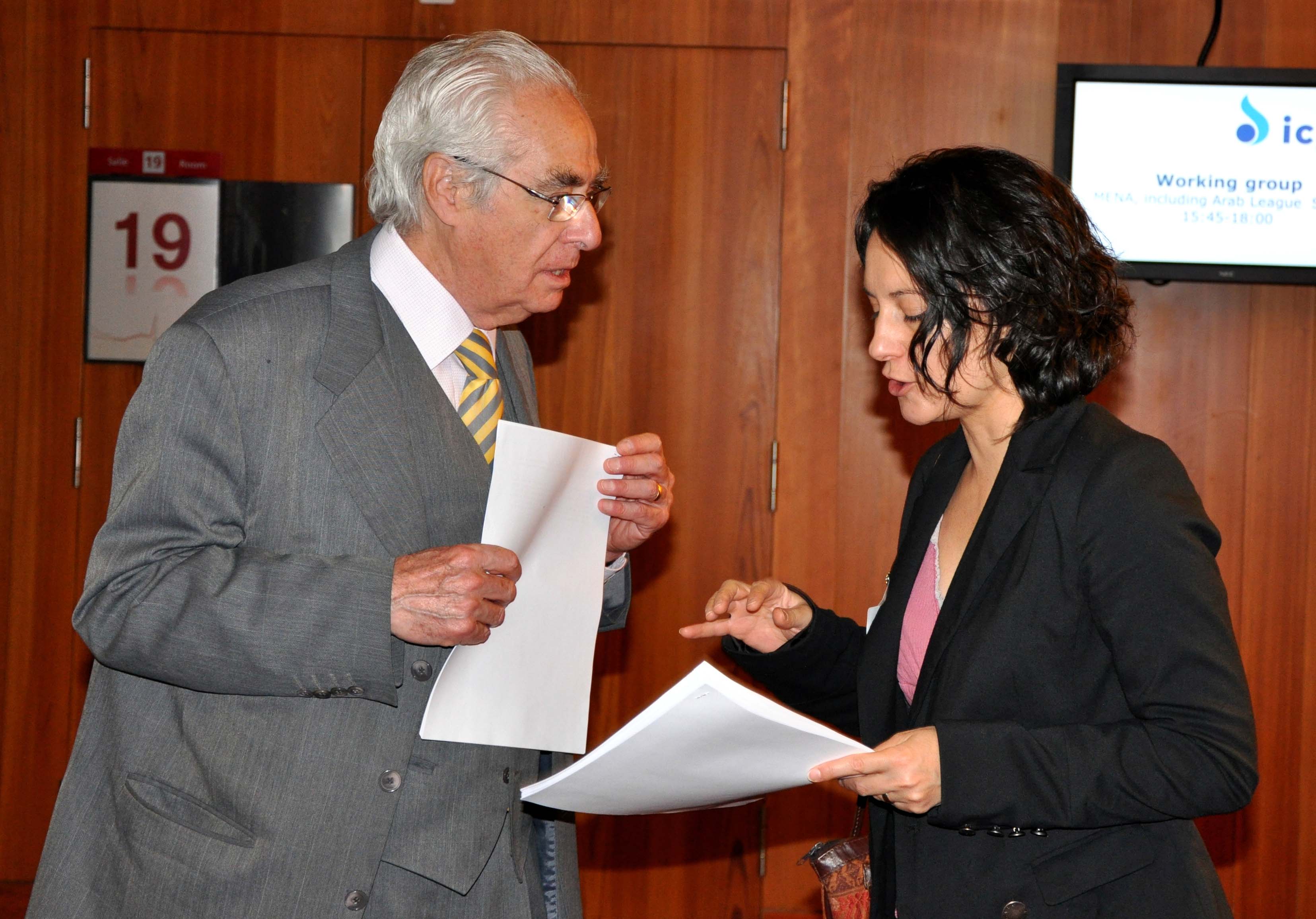
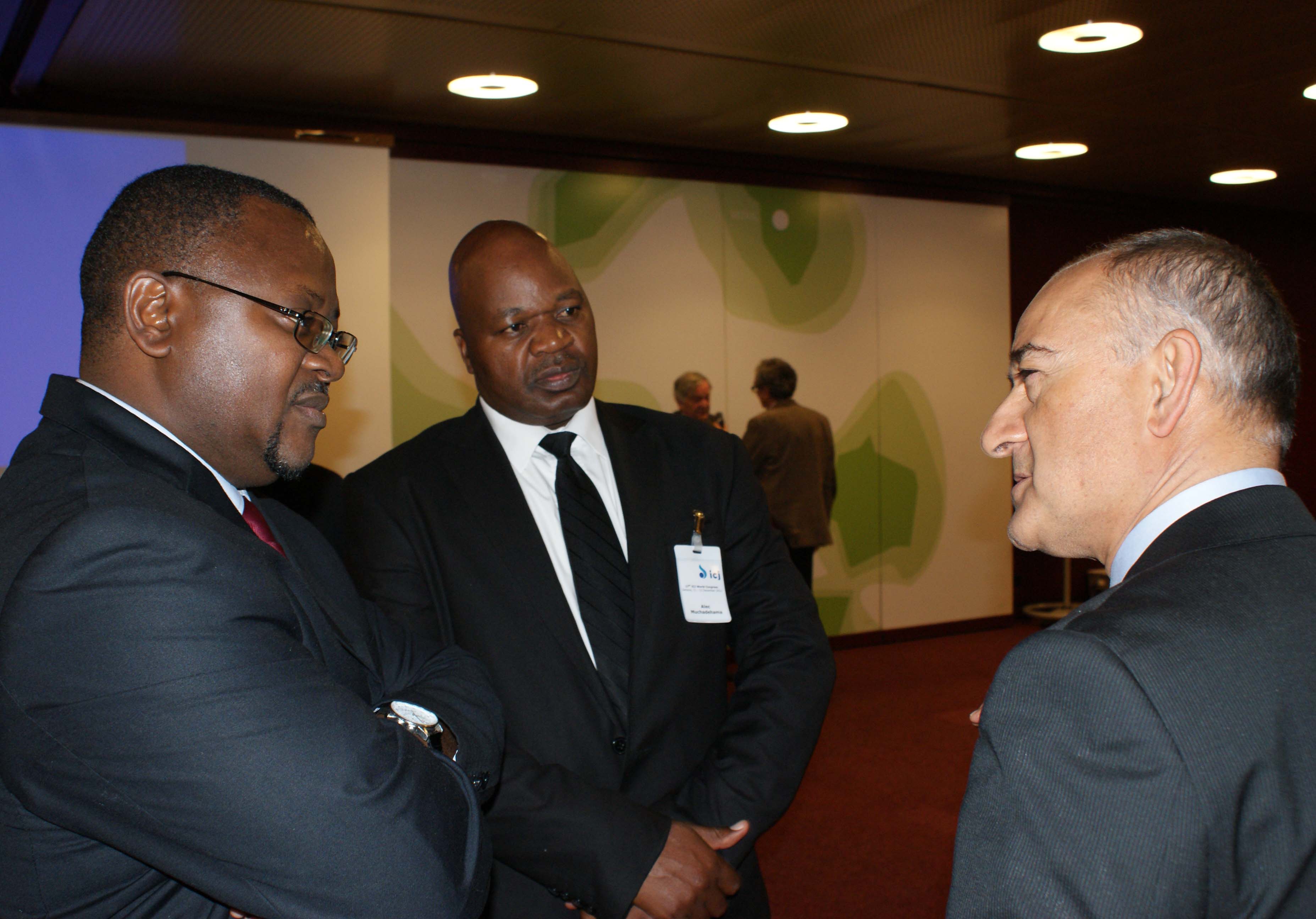

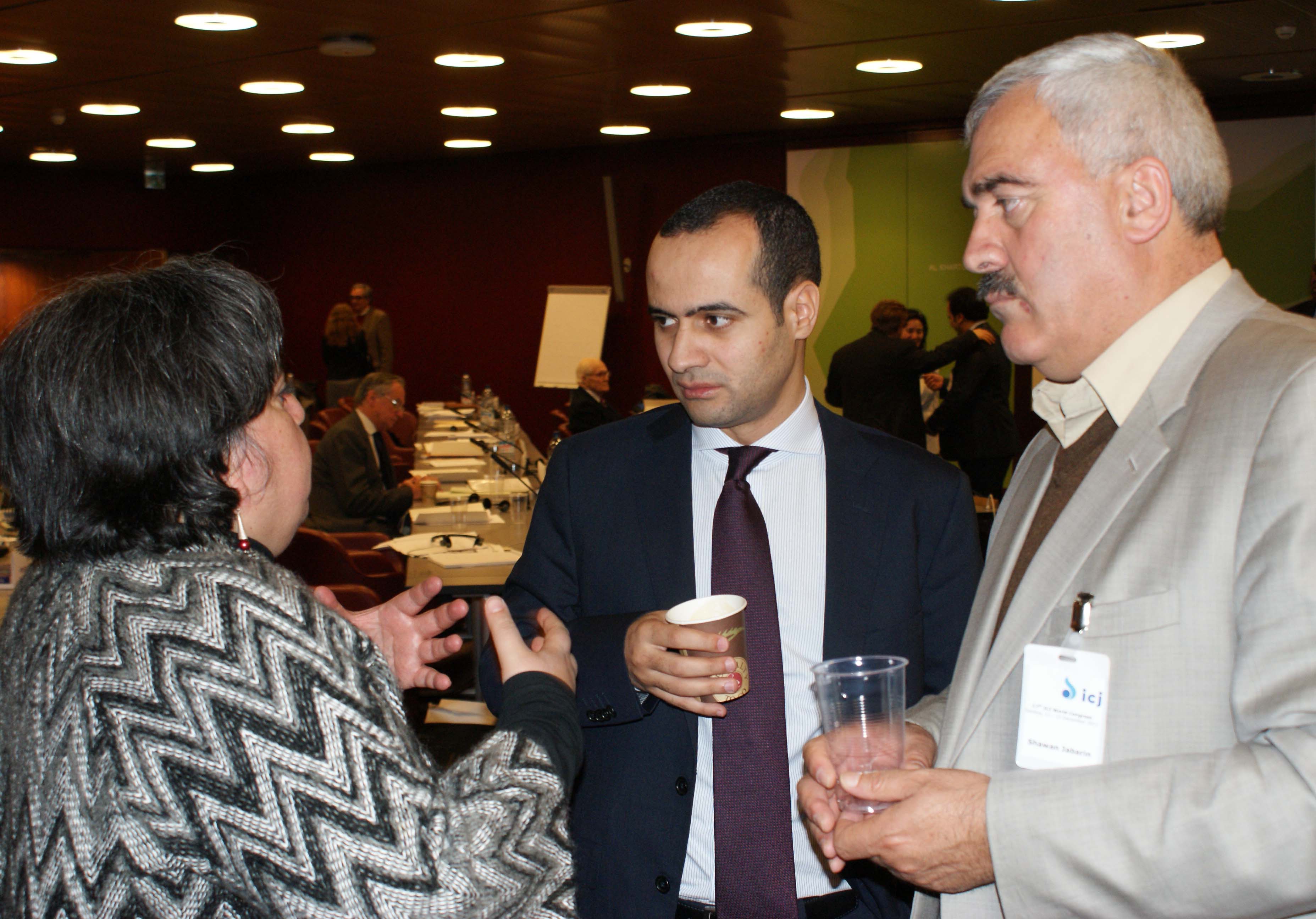
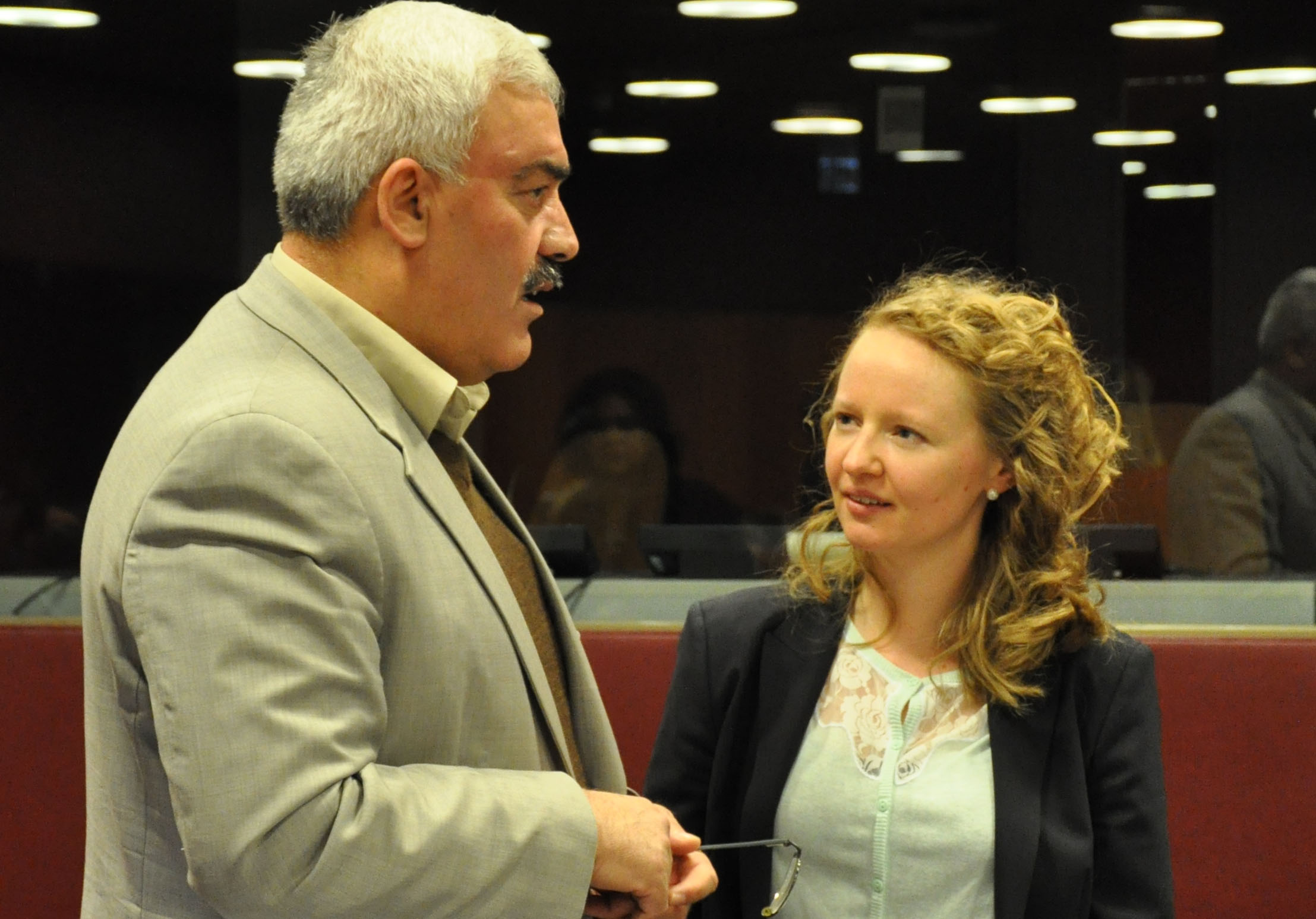
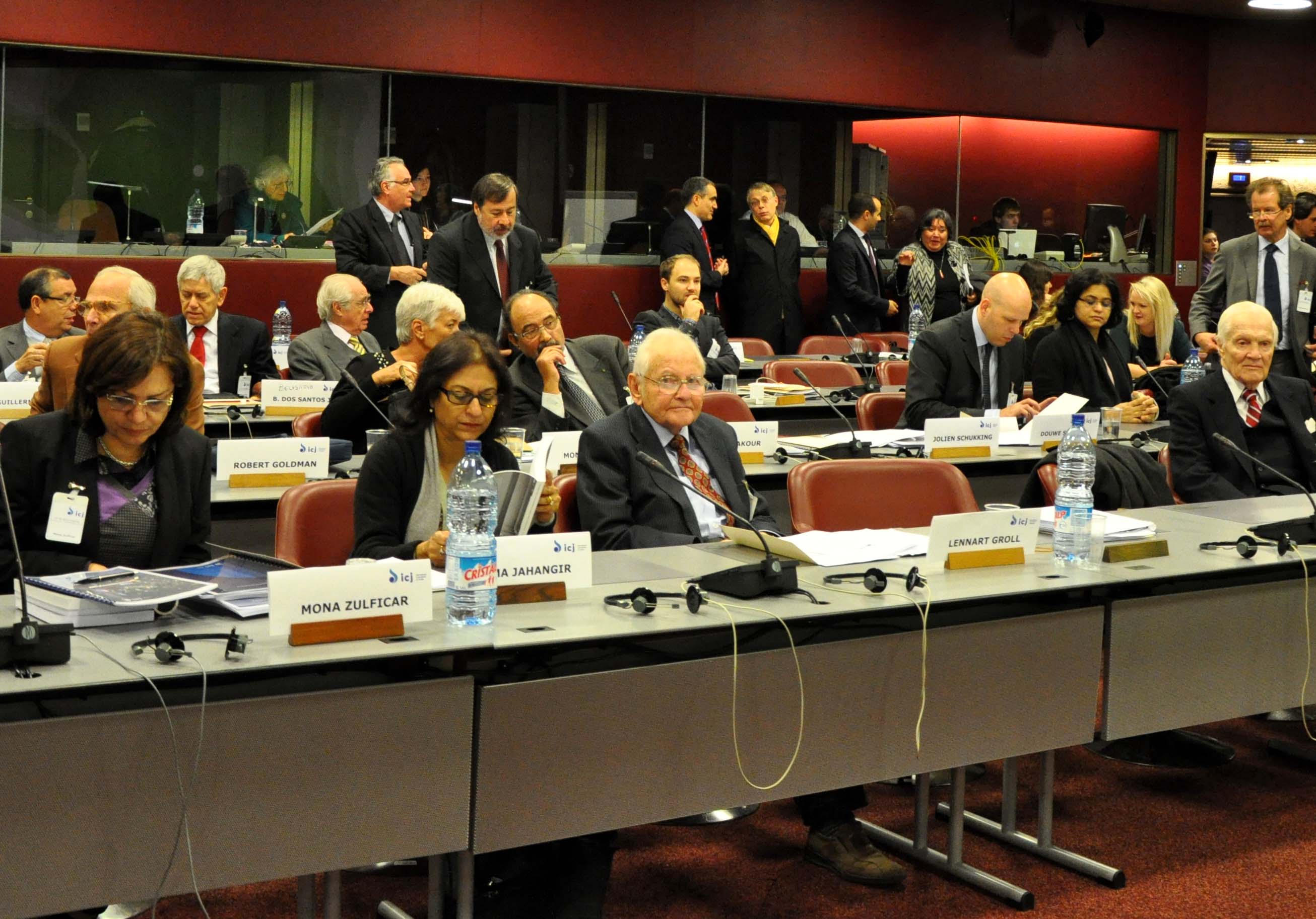










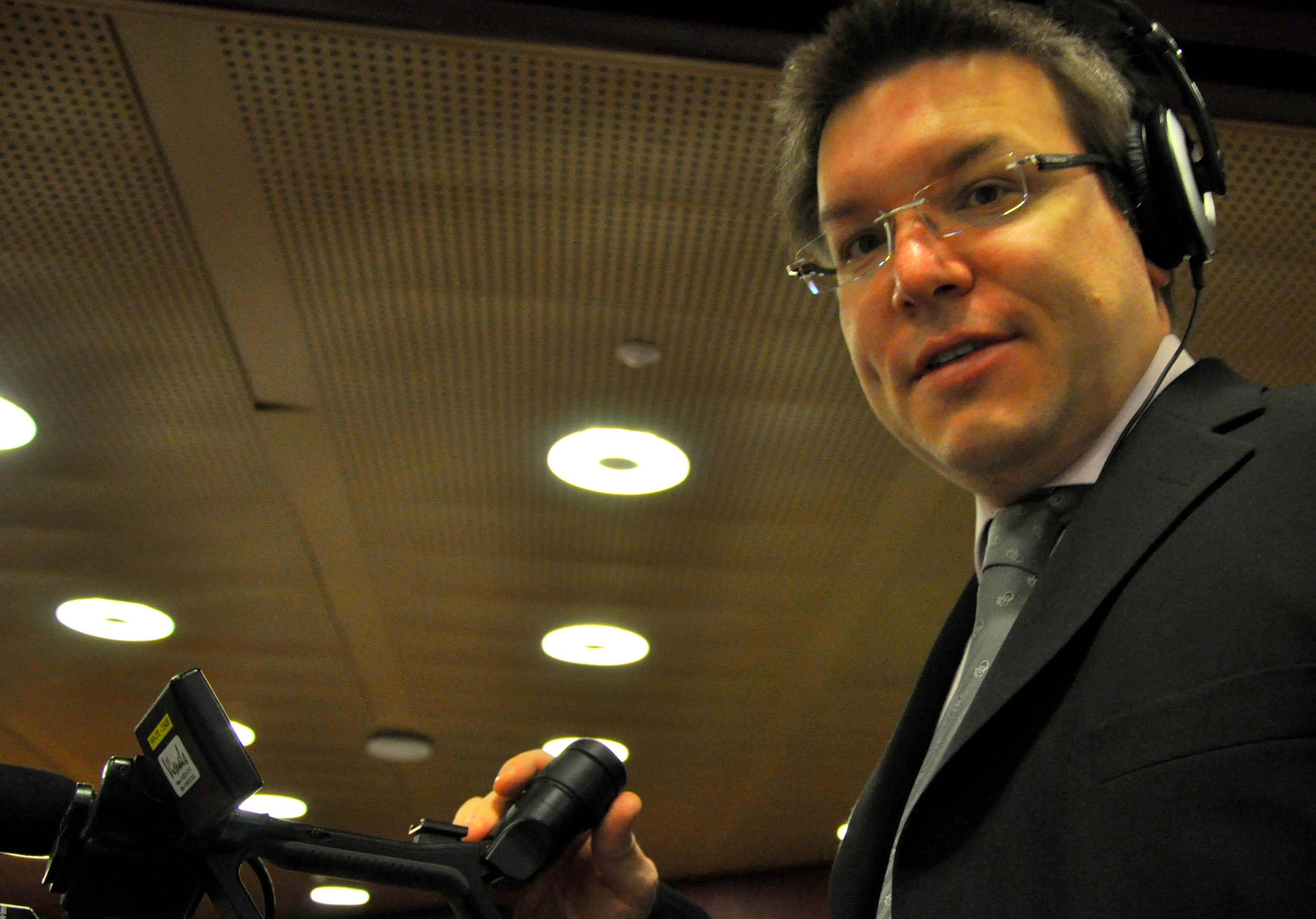
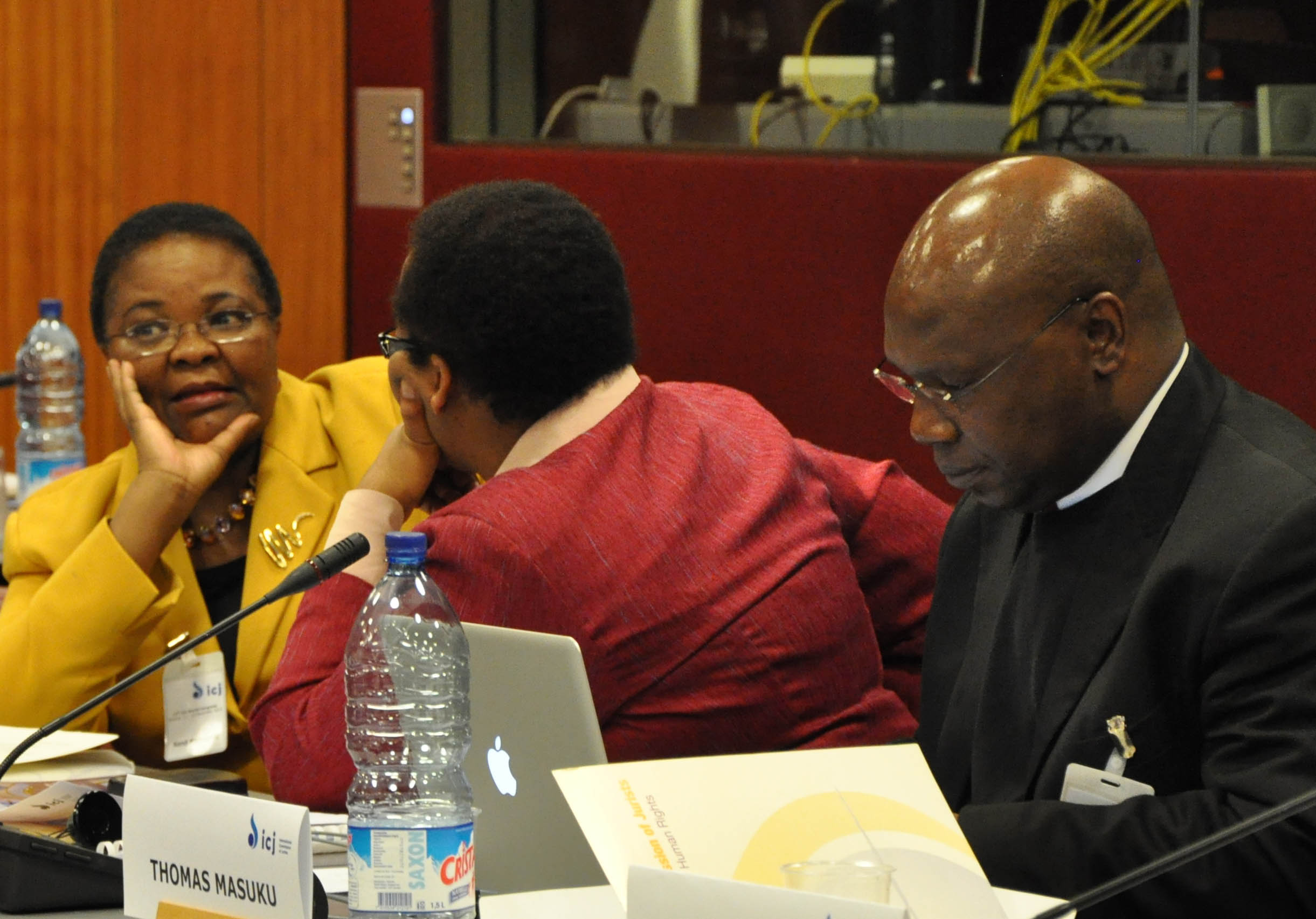
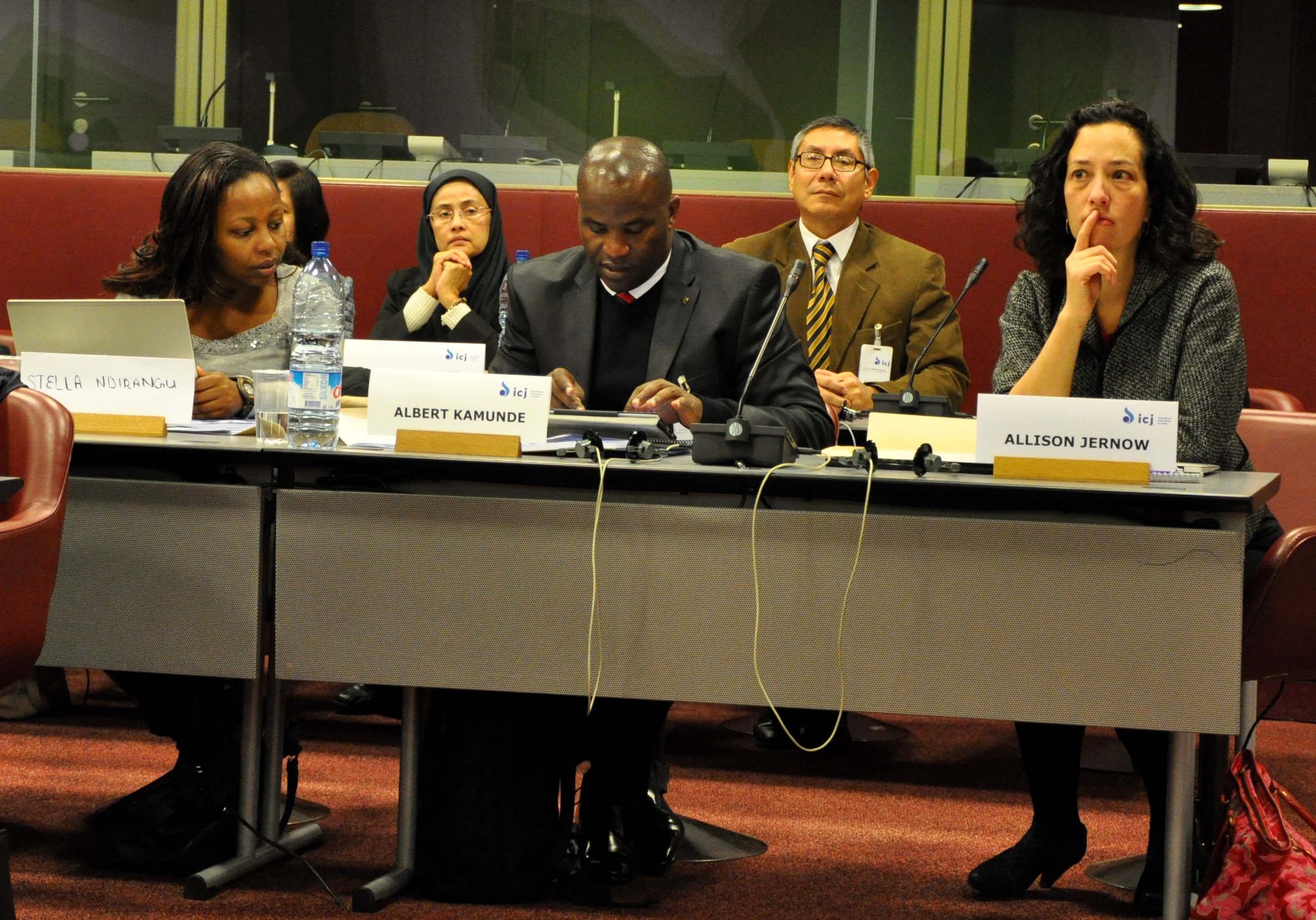
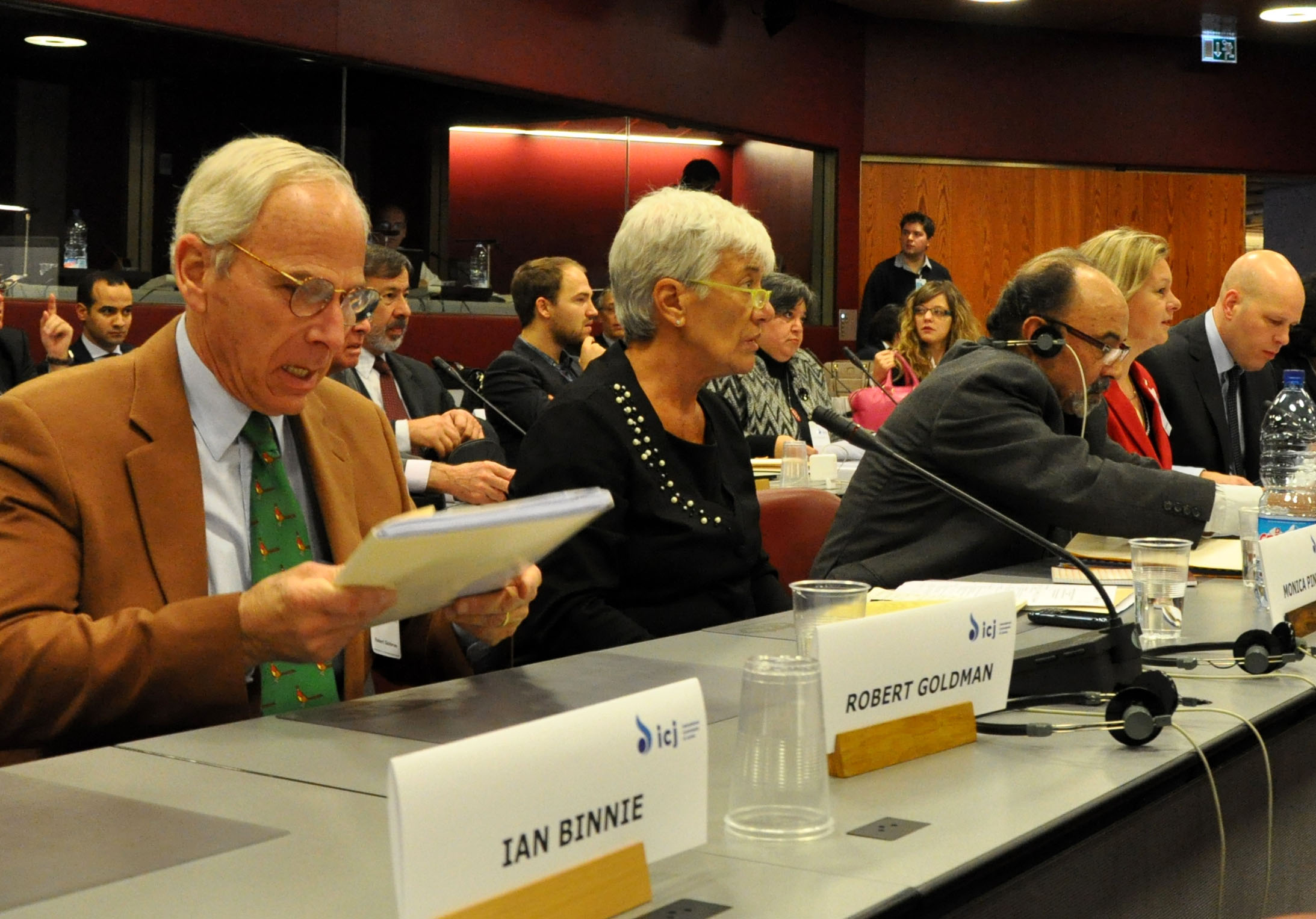


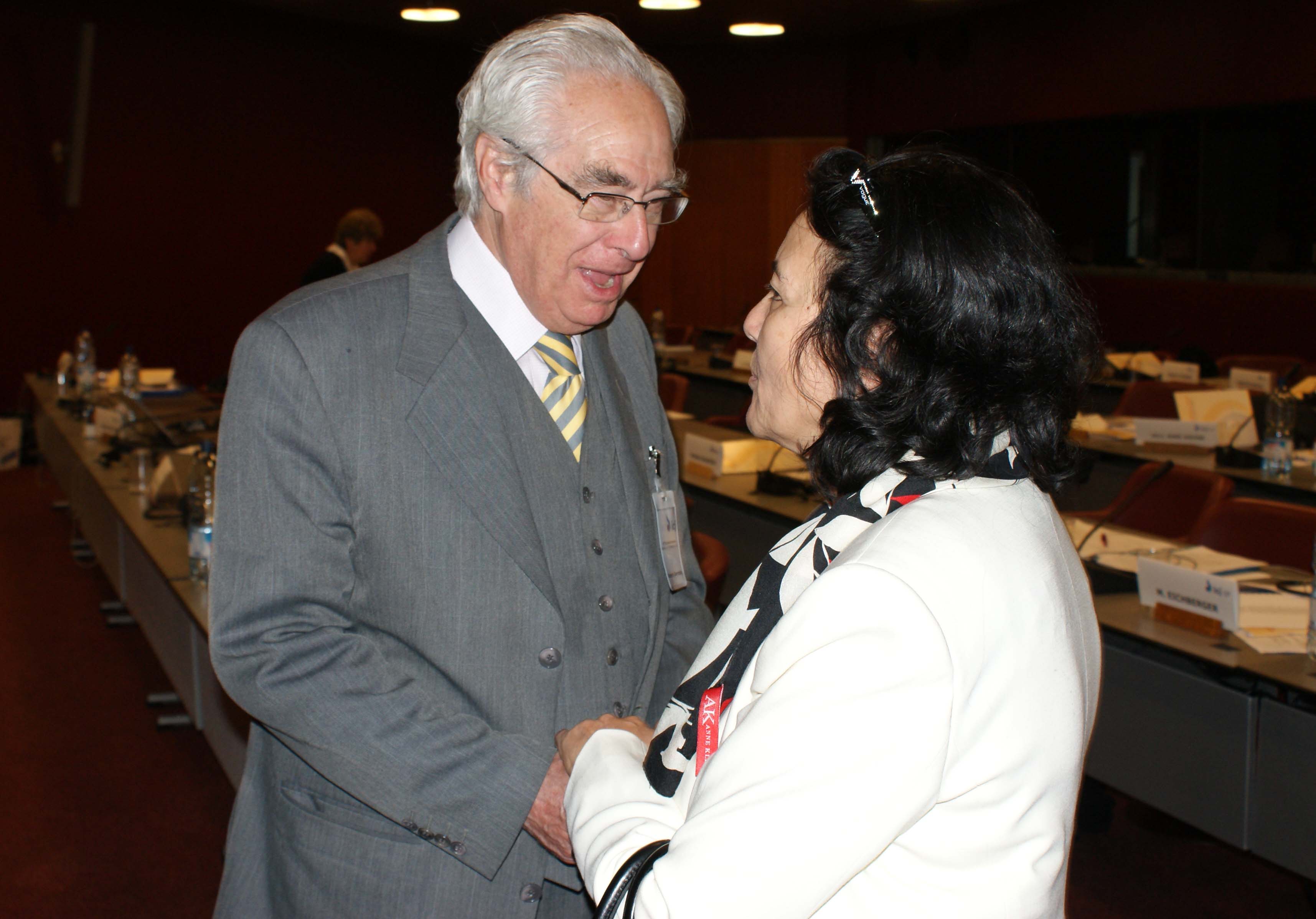

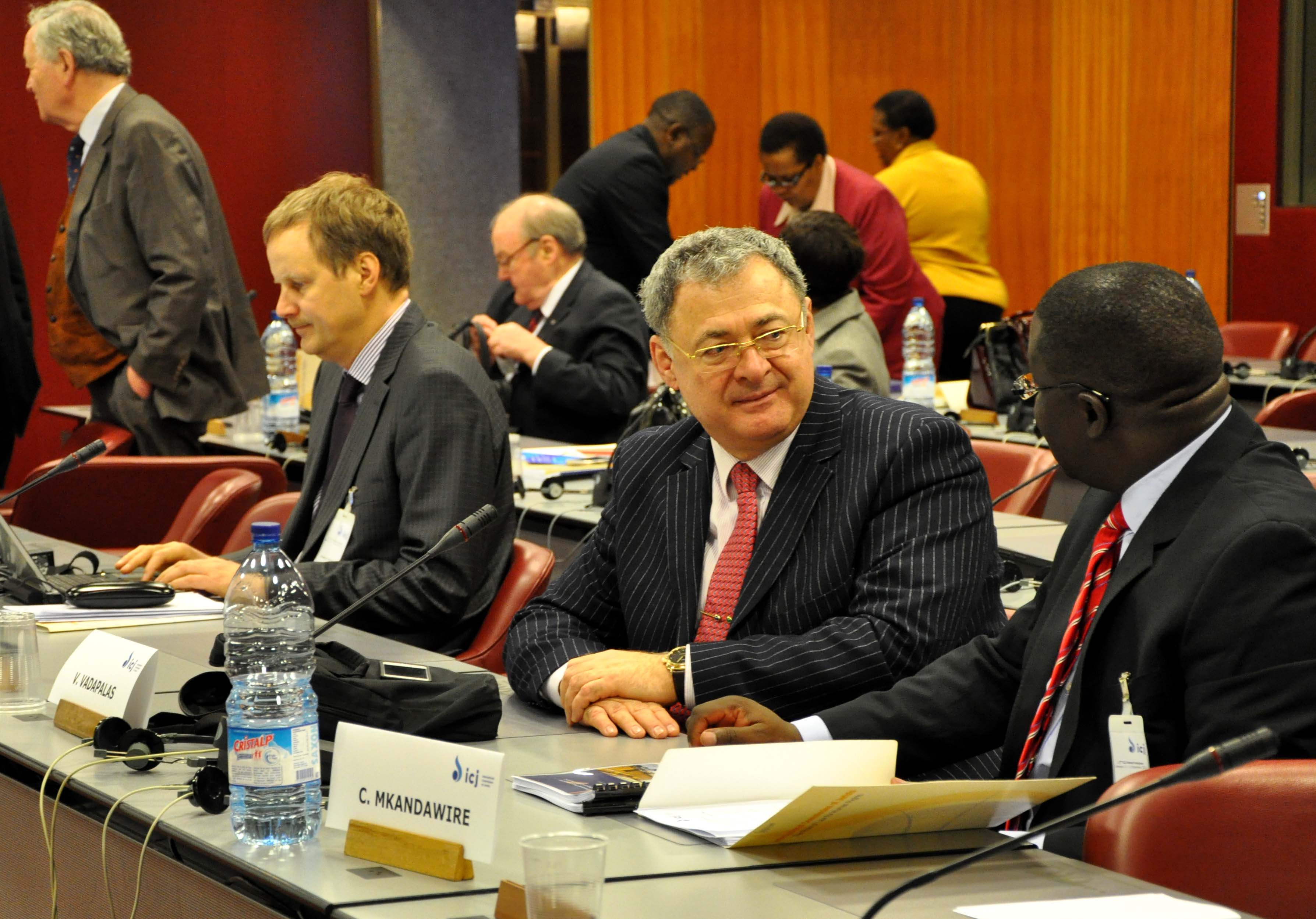
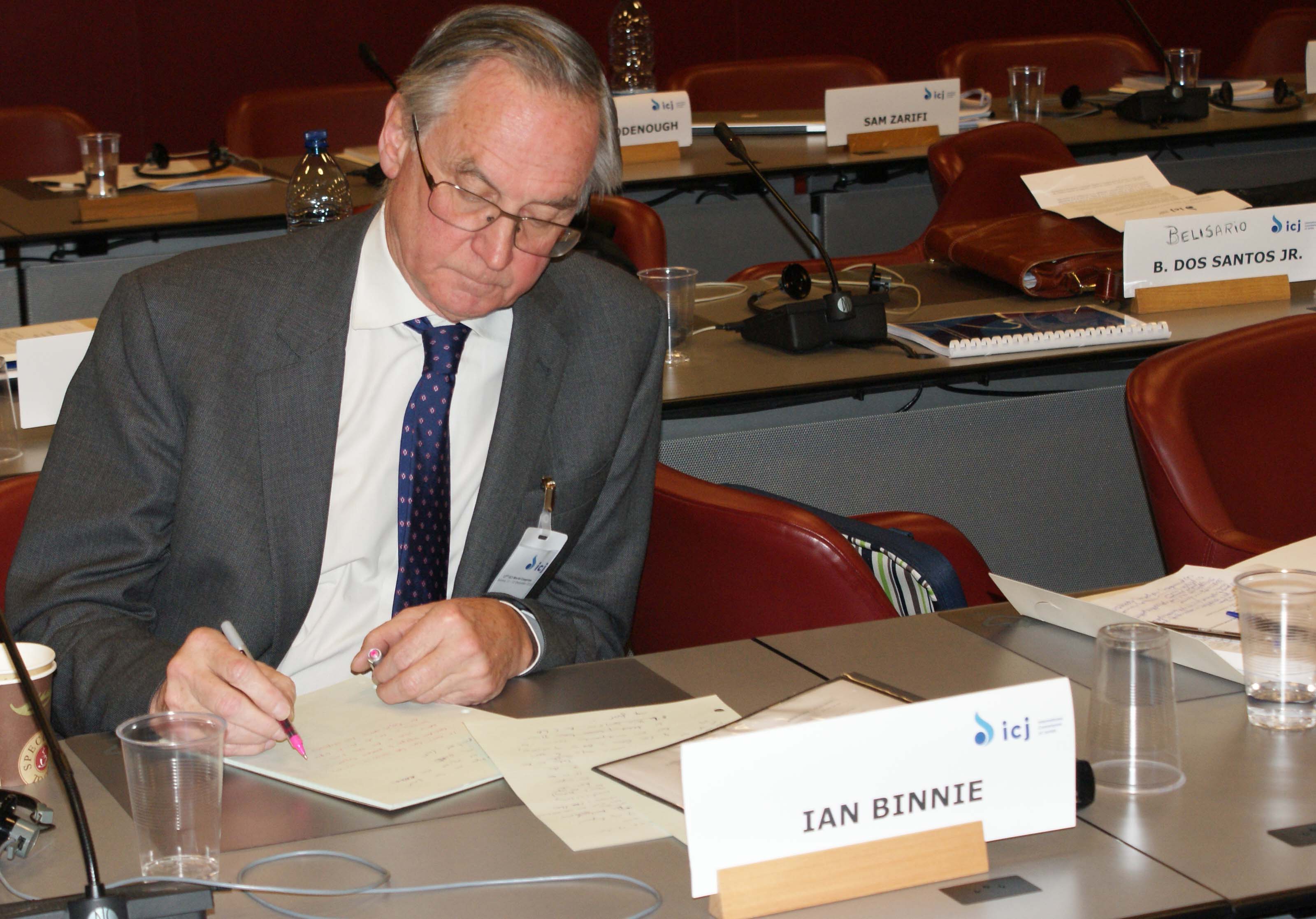

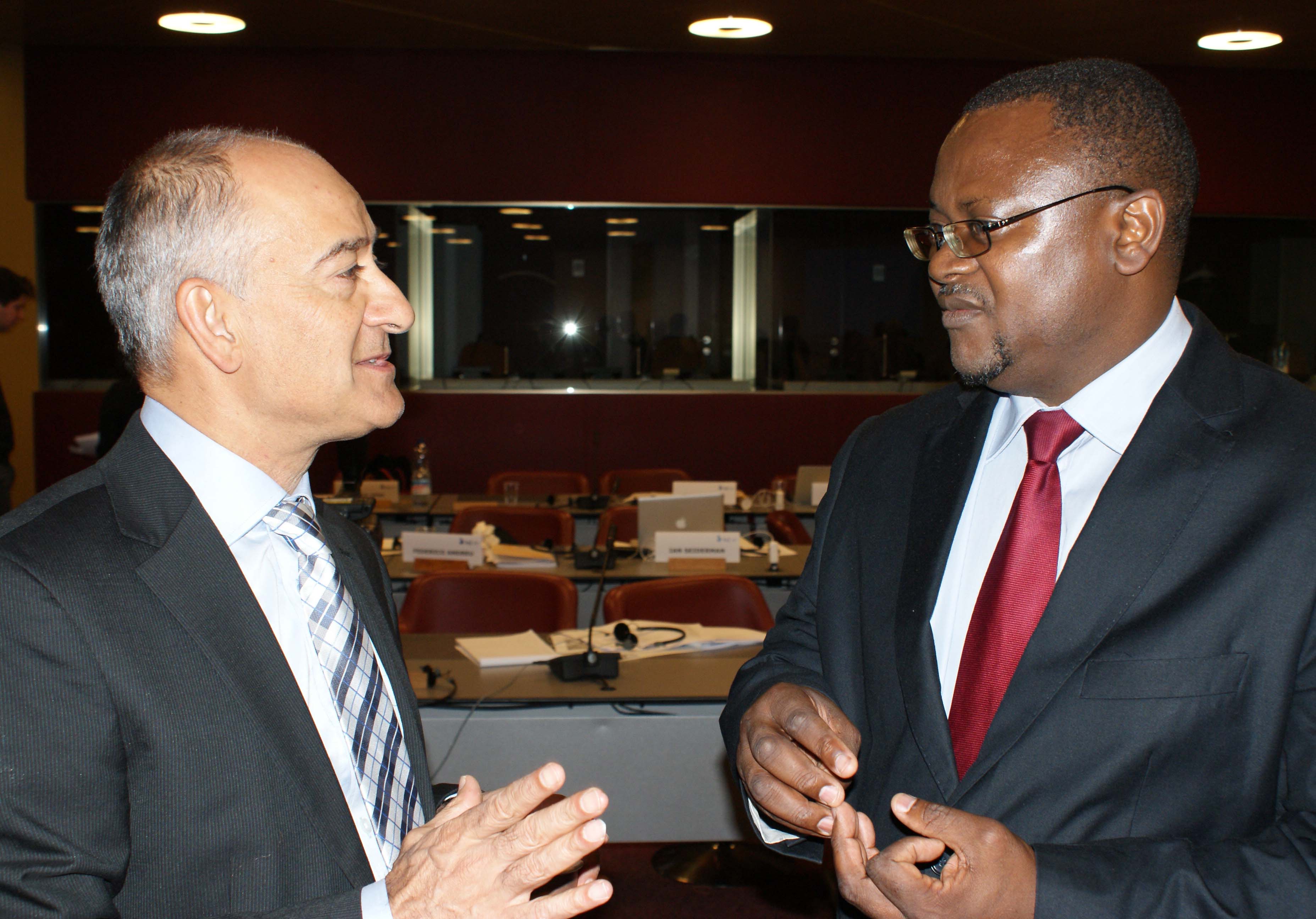
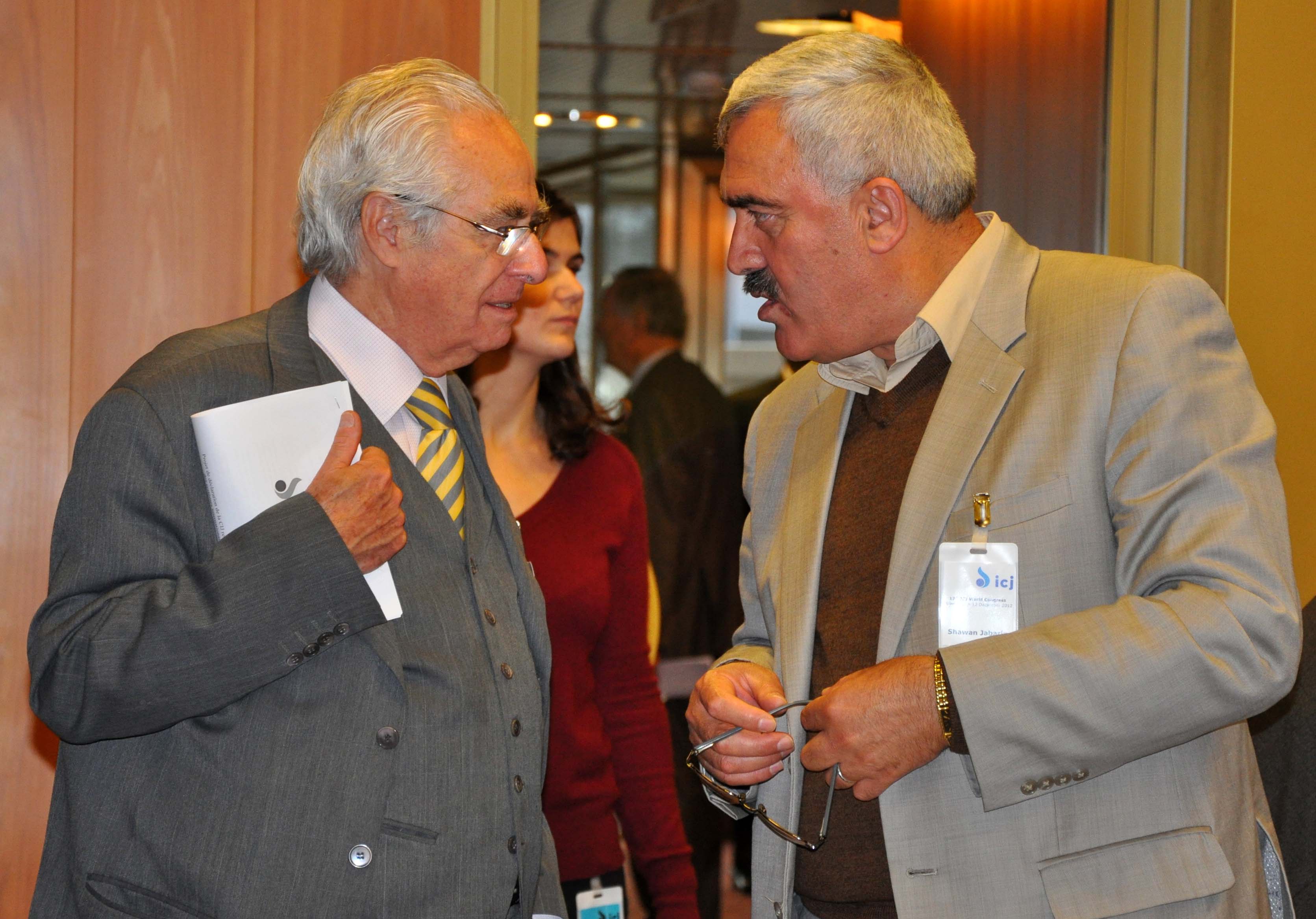


Photos by Sophie Jordi and Olivier van Bogaert


Dec 13, 2012
 The Geneva Academy of International Humanitarian Law and Human Rights, with the support of the Academic Platform Switzerland UN, today convened an expert meeting on the independence of the UN treaty bodies.
Providing a critical assessment from civil society, the ICJ’s UN Representative spoke of the legal and policy challenges in the proposal to establish a code of conduct for treaty body members. His intervention posited that:
- The General Assembly’s intergovernmental process on the strengthening of the treaty bodies has no legal competence to establish or impose a code of conduct for treaty body members;
- A request by the intergovernmental process for treaty bodies to themselves establish a code of conduct would be inappropriate and inconsistent with the framework of the human rights treaty bodies; and
- Such a request is also unnecessary.
The ICJ’s intervention reflects its submission to a civil society consultation on the intergovernmental process.
ICJ-TBStrengtheningCSForum-legal submission (2012) (download in PDF)