Jun 1, 2012 | Advocacy, Non-legal submissions
The statement was delivered today at the 19th Special Session of the UN Human Rights Council.
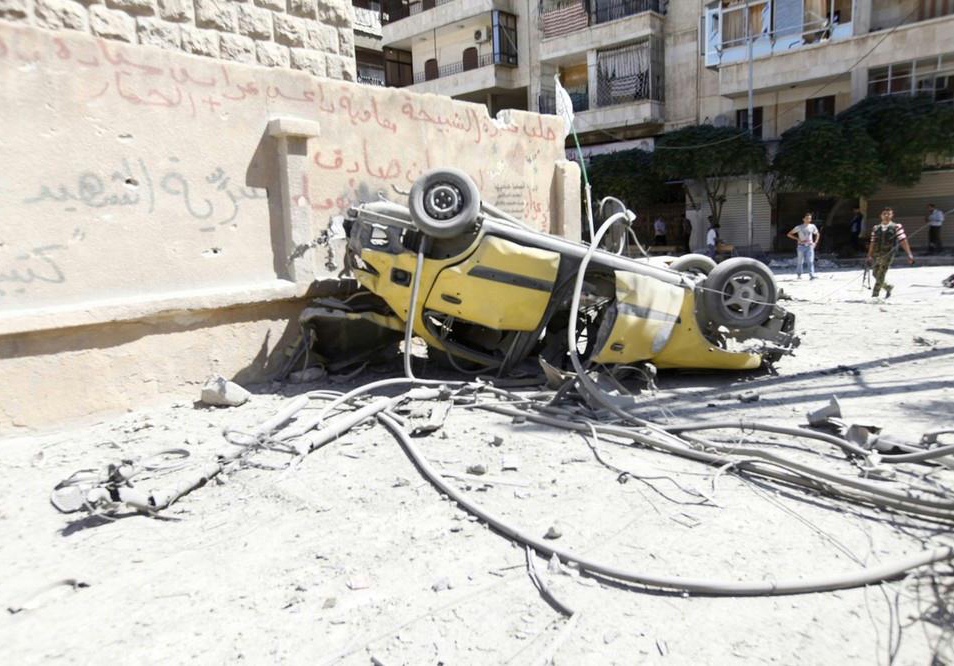
The International Commission of Jurists called on the Human Rights Council, as a matter of the utmost urgency, to request that the Security Council immediately refer the situation in Syria to the International Criminal Court (ICC) and to take concerted and united action with the General Assembly to end the ongoing massacres in Syria.
Syria-ICJ-Human Rights Council SS19-non legal submission-2012 (Full text in PDF)
May 31, 2012 | News
The ICJ called upon the Moroccan authorities to comply with international law and remove the blanket immunity contained in the draft law 01-12 on the “Fundamental Guarantees for the Members of the Royal Armed Forces”.
The draft law, in particular Article 7, attempts to guarantee members of the Moroccan armed forces absolute immunity from criminal prosecution for operations carried out under the orders of a superior within the national territory.
It also requires the State to protect members of the armed forces from prosecution as well as from public criticism or condemnation.
The ICJ is deeply concerned that the law attempts to grant immunity for all serious crimes prohibited by international law that might be committed by the Members of the Royal Armed Forces under the orders of their superiors, including war crimes, crimes against humanity, acts of genocide, torture and enforced disappearances.
The law also does not provide for any legal measures against superiors when their orders violate the law.
“The draft law violates Morocco’s obligations under international law, which prohibits any immunity from legal proceedings in respect of crimes under international criminal law, including gross human rights violations”, whether the perpetrators act under orders from a superior officer or independently”, said Alice Goodenough, Legal Adviser for ICJ’s Middle East and North Africa Programme. “The draft law 01-12 should be amended to ensure that those who carry out or participate directly in committing crimes under international law, as well as those who have command responsibility, are held criminally responsible for such conduct.”
The ICJ is concerned that over the past fifty years, Moroccan armed forces and other security services have acted with impunity, unaccountable to either the courts or Parliament.
They have enjoyed effective immunity from any legal proceedings over their role in the human rights violations documented in the 2005 report of the Moroccan Truth Commission (the IER), including unlawful killings, summary executions, enforced disappearances, arbitrary detentions, and torture and other ill-treatment, the ICJ notes.
“This draft law, if adopted, will institutionalize the impunity that has prevailed over past and present human rights abuses in Morocco,” Goodenough added. “Moroccan authorities must refrain from adopting this law or any other measures that foster or contribute to impunity.”
Contact:
Alice Goodenough, Middle East & North Africa Legal Adviser, t +41 22 979 3811; e-mail: alice.goodenough(at)icj.org
May 29, 2012
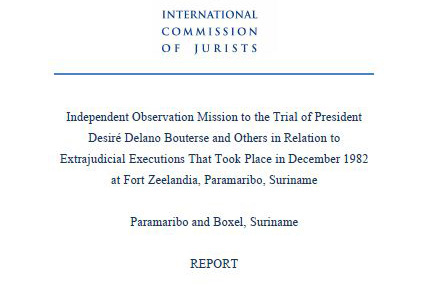 The purpose of the mission, which took place between 8 and 12 May 2012, was to observe the trial of President Bouterse and 24 Others by a Military Court in Boxel, Suriname, and surrounding context.
This is a report from an independent trial observation mission carried out by the International Commission of Jurists (ICJ), based in Geneva, Switzerland. The purpose of the mission, which took place between 8 and 12 May 2012, was to observe the trial of President Bouterse and 24 Others by a Military Court in Boxel, Suriname, and surrounding context.
In accordance with rigorous methods of assessment, the ICJ independent trial observer, a lawyer/academic of British nationality, made an assessment of the social and political context in which the trial has been taking place. Based on numerous interviews and separate, independent sources of information, it gradually became clear that the atmosphere in the country had a certain bearing on the trial. This atmosphere certainly had positive dimensions, but there were also aspects of concern. Following a brief summary of the judgement, the ICJ evaluated the Court’s judgement handed down on 11 May 2012, in order to assess compliance with judicial guarantees of fair trial and due process, in accordance with internationally recognised standards. The ICJ also considered the procedural implications and associated human rights consequences of the judgement itself.
Finally, in light of the ICJ’s assessment of facts, and its legal assessment of the 11 May 2012 judgement, the ICJ offers conclusions, as well as recommendations to the Government of Suriname, the Judiciary, the media and diplomatic delegations.
Suriname-trial Bouterse 1982 executions-trial observation report-2012 (full text, PDF)
May 24, 2012
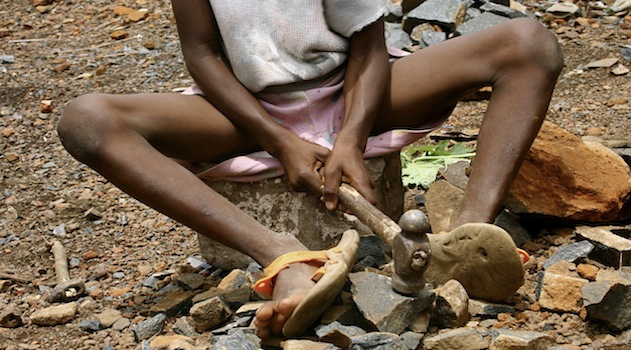
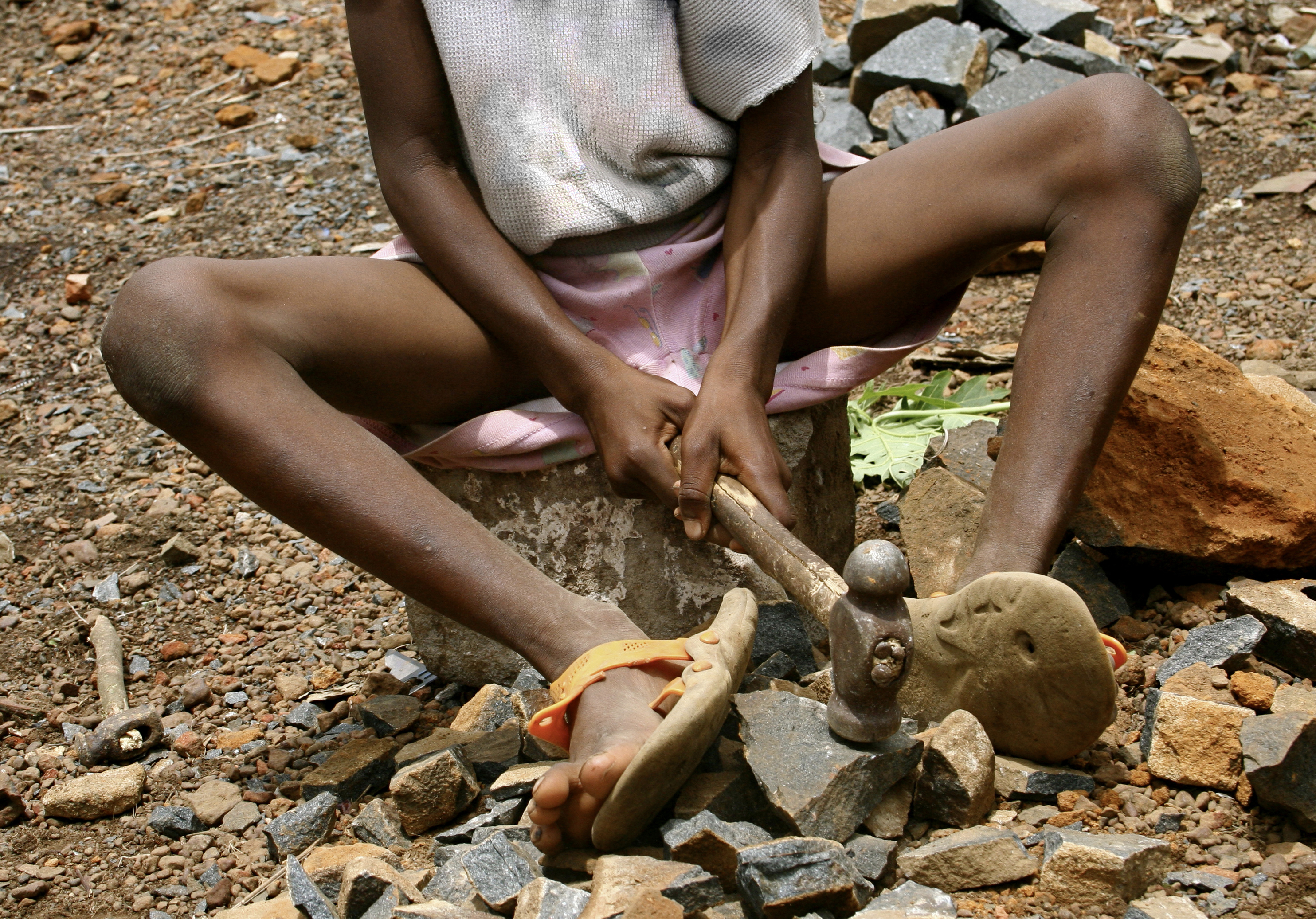 A new report launched by the ICJ shows that companies involved in human rights abuses in the Democratic Republic of Congo (DRC) are rarely held accountable

May 23, 2012
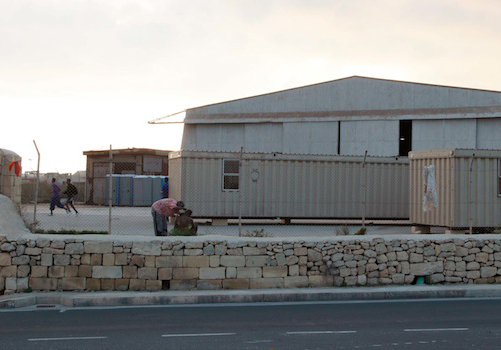 The result of an ICJ study mission in September 2011, the report highlights serious shortcomings in expulsion procedures, detention policy and conditions, and living conditions of migrants in reception centres.
Malta-migrants-detention-Mission Report 2012 (download in English)