May 4, 2021 | News
The removal of Lebanese public prosecutor Ghada Aoun from financial cases she had been overseeing constitutes a further attack on the independence of an already enfeebled judiciary, the International Commission of Jurists said today.
On 15 April 2021, Lebanon’s General Prosecutor removed Ghada Aoun, Mount Lebanon Public Prosecutor, from the financial cases she had been overseeing, including high-profile corruption and illegitimate gains cases. Aoun had charged Riad Salameh, the Governor of Lebanon’s Central Bank, with dereliction of duty and breach of trust, and had charged former Prime Minister Najib Mikati with illegitimate gains. She had also been overseeing and issuing arrest warrants in other high-profile cases.
“The Lebanese judiciary has a long history of utter subordination to the ruling political class in Lebanon,” said Said Benarbia, the Director of the ICJ MENA Programme.
“Removing prosecutors and investigating judges from cases solely because they carry out their legitimate functions flies in the face of the independence of the judiciary and sends a chilling message to others who might dare challenging the authorities.”
Aoun’s ouster followed the removal of investigative judge Fadi Sawan from the 2020 Beirut port blast case. Sawan was removed on 18 February 2021 by the Court of Cassation after bringing criminal negligence charges against the acting President of the Cabinet and former ministers in relation to the devastating explosion on 4 August 2020, in which nearly 200 people died and thousands more were injured. His removal by the Court of Cassation came after two former Ministers who were facing criminal charges filed a complaint against Fadi Sawan before the General Prosecutor, requesting his removal from the case.
The Lebanese authorities, including judicial authorities, should comply with their obligations under international law and ensure that judges and prosecutors be able to exercise their functions independently, free of any influences, pressures, threats or interference from any quarter or for any reason.
In August 2020, the ICJ urged the Lebanese authorities to work with the United Nations to establish a special, independent mechanism to probe the Beirut blast in line with international law and standards with a view to establishing the facts and making recommendations for appropriate accountability measures, including criminal prosecutions.
The call was informed by the ICJ publications and findings on the independence and functioning of the judiciary in Lebanon, including recommendations to ensure that the judiciary is not subject to any form of undue influence by political actors and confessional communities, and that it is able to fulfill its responsibility to uphold the rule of law and human rights.
This press release is also available in Arabic.
Contact:
Said Benarbia, Director, ICJ Middle East and North Africa Programme, t: +41-22-979-3817; e: said.benarbia(a)icj.org
Asser Khattab, Research and Communications Officer, ICJ Middle East and North Africa Programme, e: asser.khattab(a)icj.org
May 4, 2021 | Новости, Пресс-релизы
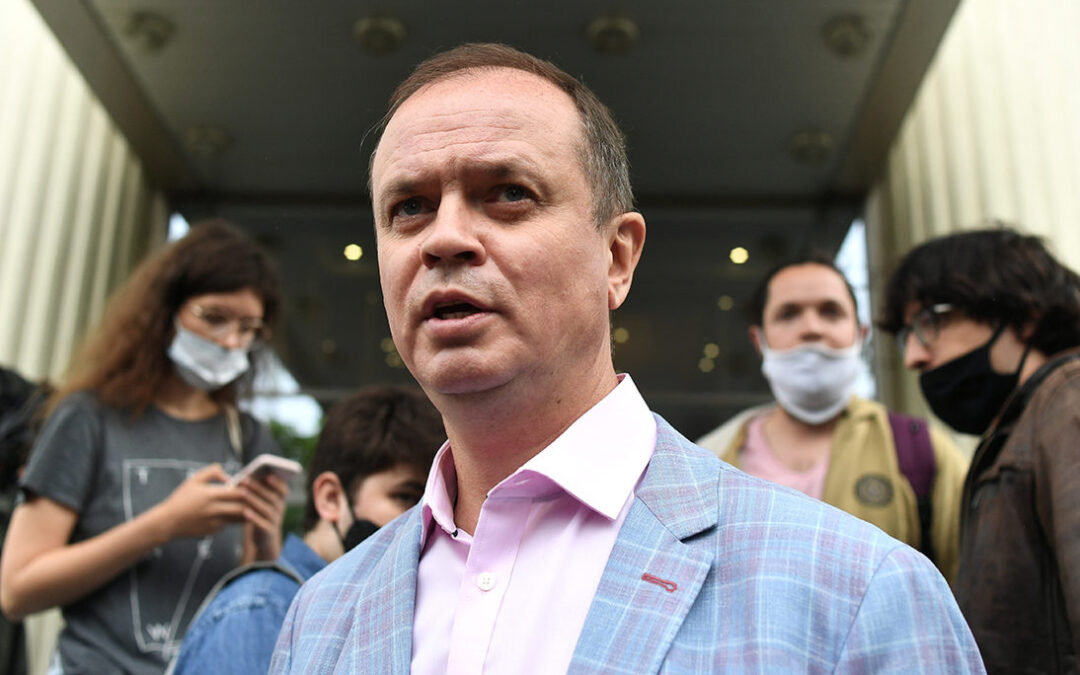
Сегодня Международная комиссия юристов (МКЮ) осудила задержание, допрос и обыски в помещениях адвоката Ивана Павлова, известного адвоката и главы правозащитного объединения «Команда 29».
Павлов был задержан сотрудниками Федеральной службы безопасности (ФСБ) 30 апреля, после обыска в номере московской гостиницы, где он остановился. Он был освобожден позднее в этот же день. Согласно постановлению о возбуждении уголовного дела, Павлову предъявлено обвинение в «разглашении данных предварительного расследования» по статье 310 УК РФ. Согласно постановлению о привлечении в качестве обвиняемого, он обвиняется в передаче газете «Ведомости» копии о привлечении в качестве обвиняемого по делу своего подзащитного, журналиста Ивана Сафронова. Кроме того, Павлову инкриминируют разглашение псевдонима одного из свидетелей по делу.
Согласно постановлению Басманного суда об избрании меры пресечения, Павлову запрещено общаться со свидетелями по уголовному делу, за исключением близких родственников, пользоваться Интернетом и другими средствами связи.
«Российские власти должны прекратить преследование Ивана Павлова и «Команды 29», которое почти наверняка связано с тем, что они представляют доверителей по ряду громких дел», – отметила Роушин Пиллэй, директор Программы МКЮ по Европе и Центральной Азии.
«Подобные рейды явно нарушают адвокатскую тайну. Материалы дела, изъятые в ходе обыска, должны быть возвращены адвокатам, и Павлов должен иметь возможность продолжать свою работу по защите всех доверителей, не опасаясь преследований или возмездия, как этого требуют международные стандарты», – добавила она.
В соответствии с Основными принципами ООН, касающимися роли юристов, правительства должны обеспечить, чтобы юристы «… могли выполнять все свои профессиональные обязанности в обстановке, свободной от угроз, препятствий, запугивания или неоправданного вмешательства; […] и (c) не подвергались судебному преследованию и судебным, административным, экономическим или другим санкциям за любые действия, совершенные в соответствии с признанными профессиональными обязанностями, нормами и этикой» (Принцип 16). Кроме того, юристы «не отождествляются со своими клиентами или интересами своих клиентов в результате выполнения ими своих функций» (Принцип 18).
Иван Павлов представляет клиентов по ряду громких дел, в том числе по многим делам, расследуемым ФСБ. Среди его доверителей – Фонд борьбы с коррупцией лидера российской оппозиции Алексея Навального, дело топ-менеджера российской электроэнергетической компании («Интер РАО») Карины Цуркан, физика Виктора Кудрявцева, журналиста Ивана Сафронова и журналиста Григория Пасько.
Помимо обыска в гостиничном номере Павлова, власти провели обыск в офисе «Команды 29» в Санкт-Петербурге и в квартире супруги адвоката. В результате обысков почти все материалы по делу подзащитного Павлова Ивана Сафронова были изъяты сотрудниками правоохранительных органов. Эти обыски не могут быть оправданы утверждениями о разглашении данных расследования и вызывают обеспокоенность в связи с тем, что основания для уголовного преследования адвоката могут быть незаконными.
«Хотя защита тайны предварительного следствия может быть законной процедурой, она не является оправданием для вмешательства в работу адвокатов, в том числе путем получения доступа к их помещениям и адвокатским досье, и ни при каких обстоятельствах не должна использоваться против адвокатов как средство их запугивания или возмездия, – подчеркнула Роушин Пиллэй. – МКЮ призывает российские следственные органы прекратить любые следственные действия, которые могут нарушить права адвоката, и соблюдать адвокатскую тайну в случаях, когда адвокат представляет интересы доверителей, независимо от того, насколько чувствительными для властей могут быть такие дела».
В соответствии с международным правом и российским законодательством, общение адвокатов с доверителями в рамках профессиональных отношений и соответствующая документация защищены законом от изъятия и разглашения в соответствии с принципом конфиденциальности отношений между адвокатом и доверителем. В частности, права на справедливое судебное разбирательство, семейную и частную жизнь гарантируются Европейской конвенцией о правах человека (статьи 6 и 8 соответственно) и Международным пактом о гражданских и политических правах (статьи 14 и 17).
Как неоднократно указывал Европейский суд по правам человека, «[…] преследование и запугивание представителей юридической профессии наносит удар в самое сердце системы Конвенции. Поэтому обыски в помещениях адвокатов подлежат особо строгой проверке» (Колесниченко против России, жалоба № 19856/04, п. 31). Адвокатская тайна также защищается российским законодательством, в частности, статьей 8 Закона «Об адвокатской деятельности и адвокатуре в Российской Федерации», как показывает Постановление Конституционного Суда РФ по делу Баляна и Дзюбы (см. ниже).
Справочная информация
В 2020 году ФСБ дважды пыталась инициировать возбуждения дисциплинарного производства в отношении Ивана Павлова, добиваясь наложения на него дисциплинарного взыскания в связи с защитой Сафронова. Адвокатская палата Санкт-Петербурга отказалась возбудить дисциплинарное производство в отношении адвоката.
Иван Сафронов, журналист и бывший советник Дмитрия Рогозина, главы Роскосмоса, был обвинен в государственной измене в связи с предположительной работой на службу безопасности одной из стран НАТО. В настоящее время находится под стражей.
Команда 29 – независимая инициатива российских юристов и журналистов, названная так в честь статьи 29 Конституции РФ, защищающей свободу мысли и слова, и главы 29 Уголовного кодекса (преступления против государственной безопасности).
В постановлении по делу Баляна, Дзюбы и других от 17 декабря 2015 г. Конституционный Суд Российской Федерации подчеркнул, что «[…] общий запрет на истребование и получение от адвоката конфиденциальных сведений, связанных с оказанием им юридической помощи доверителю законными способами исключительно в интересах защиты его [или ее] прав, предполагает, что во время обыска, который с разрешения суда органами, осуществляющими уголовное преследование, производится в отношении адвоката, не может иметь место исследование и принудительное изъятие материалов адвокатского производства, содержащих сведения, не выходящие за рамки оказания собственно профессиональной юридической помощи доверителю в порядке, установленном законом, т.е. не связанные с нарушениями со стороны адвоката и (или) его доверителя либо третьего лица, имеющими уголовно противоправный характер либо состоящими в хранении орудий преступления или предметов, которые запрещены к обращению или оборот которых ограничен. В противном случае значение адвокатской тайны, права на получение профессиональной юридической помощи, права на неприкосновенность частной жизни, личную и семейную тайну, презумпции невиновности и права каждого не свидетельствовать против самого себя фактически обесценивалось бы».
May 3, 2021 | News
The ICJ today condemned the detention, interrogation and searches of premises of lawyer Ivan Pavlov, a prominent lawyer and head of the human rights legal group Team 29.
Pavlov was detained by Federal Security Service (FSB) agents on 30 April after a raid on his Moscow hotel suite and released later that day. According to the order to initiate criminal proceedings, Pavlov was charged with “disclosing the information of preliminary investigation” under Article 310 of the Criminal Code of the Russian Federation.
According to the charging order, Pavlov is accused of transmitting to the Vedomosti Newspaper a copy of a charging order against his client, journalist Ivan Safronov. Furthermore, Pavlov is charged with disclosing the nickname of one of the witnesses in the case.
According to the decision of the Basmanny Court on a preventive measure for Pavlov, he is prohibited from communicating with witnesses in his criminal case, except for close relatives, using the Internet and other means of communication.
“Russian authorities must stop this harassment of Ivan Pavlov and Team 29, which is almost certainly due to their representation of clients in several high profile cases,” said Roisin Pillay, ICJ’s director for Europe and Central Asia.
“These raids clearly interfere with lawyer-client privilege. The case files seized during the search should be returned to the lawyers and Pavlov should be able to continue his work in defence of all his clients free of harassment or fear of retaliation, as required by international standards,” she added.
According to the UN Basic Principles on the Role of Lawyers governments must ensure that lawyers “ … are able to perform all of their professional functions without intimidation, hindrance, harassment or improper interference; […] and (c) shall not suffer, or be threatened with, prosecution or administrative, economic or other sanctions for any action taken in accordance with recognized professional duties, standards and ethics” (Principle 16). Furthermore, lawyers cannot “be identified with their clients or their clients’ causes as a result of discharging their functions” (Principle 18).
Ivan Pavlov represents clients in a number of high-profile cases, including many who have been the subject of investigation by the FSB. His clients have included the Foundation Against Corruption of the Russian opposition leader Alexey Navalny, the case of Russia’s Electric Energy Company (Inter RAO) manager Karina Tsurkan, physicist Victor Kudryavtsev, journalist Ivan Safronov and journalist Grigory Pasko.
Besides the raid on Pavlov’s hotel suite, authorities searched the office of Team 29 in St.Petersburg and the apartment of Pavlov’ wife. As a result of the searches, almost all of the case materials on Pavlov’s client Ivan Safronov were taken by law enforcement officers. These searches cannot be justified by allegations of disclosing information related to the investigation and raise concern that there may be illegitimate reasons for the criminal prosecution of the lawyer.
“While secrecy of a preliminary investigation may be a legitimate procedure, it does not afford justification for interference with the work of lawyers, including by accessing lawyers’ premises and files, and should never be misused as a means of intimidation and retaliation against lawyers”, said Roisin Pillay.
“The ICJ urges the Russian investigative authorities to cease any investigative actions which may breach the rights of the lawyer and to respect lawyer-client privilege in cases where he represents clients no matter how sensitive the cases may be perceived to be”.
Communications and documentation that lawyers maintain in respect of their professional relationship with their clients is legally protected, under international and Russian law, from seizure and disclosure pursuant to the lawyer-client privilege principle. In particular, the rights to a fair trial, and family and private life are guaranteed under the European Convention for Human Rights (articles 6 and 8 respectively) and the International Covenant on Civil and Political Rights (articles and 14 and 17 respectively).
As the European Court of Human Rights repeatedly stated “[…] persecution and harassment of members of the legal profession strikes at the very heart of the Convention system. Therefore the searching of lawyers’ premises should be subject to especially strict scrutiny. ” (Kolesnichenko v. Russia (Application no. 19856/04 para 31). This right is equally protected by Russian legislation, in particular Article 8 of the Law on Lawyers’ Activity and Advokatura in the Russian Federation, and as shown by the decision of the Constitutional Court of the Russian Federation in the Balayan and Dzhuba case (see below).
The full story with additional information can be downloaded here:
Russia-end-harassment-of-lawyer-Ivan-Pavlov-2021-ENG
May 3, 2021 | News
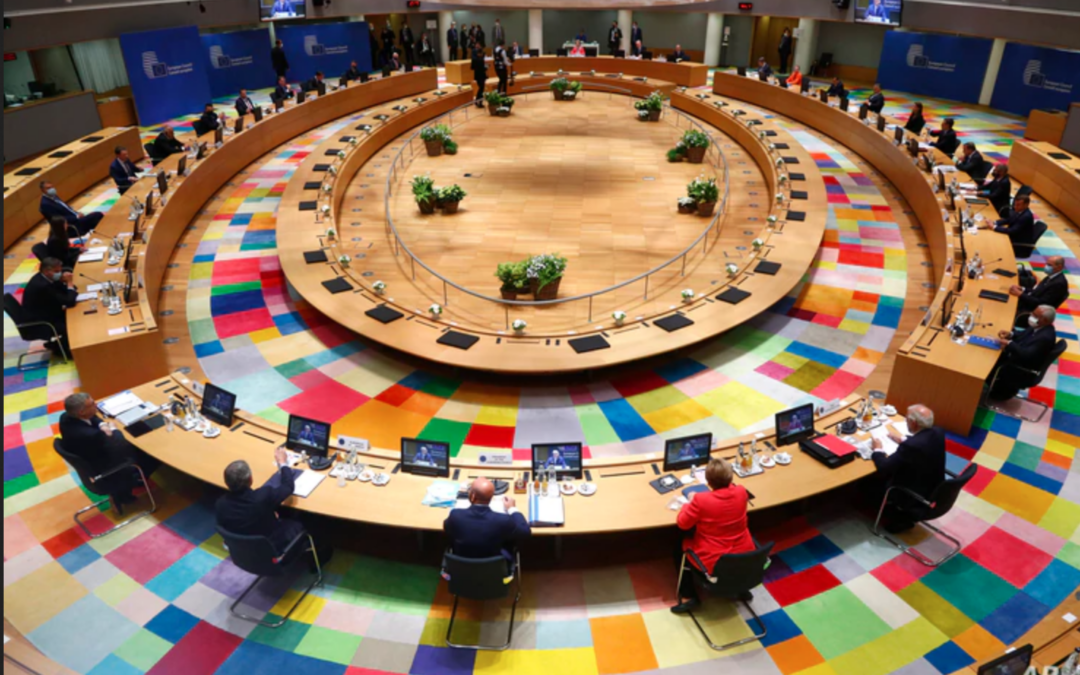
European leaders at the May 8, 2021 summit with their Indian counterparts should prioritize the deteriorating human rights situation in India, including the right to health, the ICJ and seven other organizations said today.
With a devastating Covid-19 crisis affecting the country, Europe should focus on providing support to help India deal with the acute shortage of medical supplies and access to vaccines. At the same time, European leaders should press the Indian government to reverse its abusive and discriminatory policies and immediately release all human rights defenders and other critics who have been jailed for peacefully exercising their rights to freedom of expression and peaceful assembly.
The organizations are Amnesty International, Christian Solidarity Worldwide (CSW), Front Line Defenders (FLD), Human Rights Watch, the International Commission of Jurists (ICJ), International Dalit Solidarity Network (IDSN, International Federation for Human Rights (FIDH), and World Organisation Against Torture (OMCT).
India has the fastest-growing number of Covid-19 cases in the world and is facing severe healthcare shortages – of testing capacity, medicines, ambulance services, hospital beds, oxygen support, and vaccines. The European Union and its member states should reconsider and reverse their opposition to India and South Africa’s proposal before the World Trade Organization to temporarily waive certain intellectual property rules under the TRIPS Agreement to facilitate increased manufacturing and production of vaccines and related products globally, until widespread vaccination is in place the world over.
The Covid-19 crisis has also highlighted growing human rights concerns in India.. Faced with widespread criticism of its handling of the pandemic, the Indian government has tried to censor free speech, including by ordering social media content taken down and criminalizing calls for help. The government has also ignored calls from the United Nations Office of the High Commissioner for Human Rights for countries to release “every person detained without sufficient legal basis, including political prisoners, and those detained for critical, dissenting views” to prevent the growing rates of infection everywhere, including in closed facilities such as prisons and detention centers.
Instead, the Hindu nationalist Bharatiya Janata Party (BJP)-led government has increasingly harassed, intimidated and arbitrarily arrested human rights defenders, journalists, peaceful protesters, and other critics, including under draconian sedition and counterterrorism laws.
The authorities have jailed a number of human rights defenders, student activists, academics, opposition leaders, and critics, blaming them for the communal violence in February 2020 in Delhi as well as caste-based violence in Bhima Koregaon in Maharashtra state in January 2018. In both cases, BJP supporters were implicated in the violence. Police investigations in these cases were biased and aimed at silencing dissent and deterring future protests against government policies, the groups said.
The government uses foreign funding laws and other regulations to crack down on civil society. Recent amendments to the Foreign Contributions Regulations Act (FCRA) added onerous governmental oversight, additional regulations and certification processes, and operational requirements, which adversely affect civil society groups, and effectively restrict access to foreign funding for small nongovernmental organizations. In September 2020, Amnesty International India was forced to halt its work in the country after the Indian government froze its bank accounts in reprisal for the organization’s human rights work, and many other local rights groups struggle to continue doing their work.
The Indian authorities have also enacted discriminatory laws and policies against minorities. Muslim and Dalit communities face growing attacks, while authorities fail to take action against BJP leaders who vilify minority communities, and against BJP supporters who engage in violence. The Indian government has imposed harsh and discriminatory restrictions on Muslim-majority areas in Jammu and Kashmir since revoking the state’s constitutional status in August 2019 and splitting it into two federally governed territories.
The authorities carried out counterterrorism raids in October on multiple nongovernmental organizations in Kashmir and Delhi, and a newspaper office in Srinagar to silence them, causing a chilling effect on human rights defenders who fear for their safety.
Yet, despite the considerable deterioration in the country’s human rights record under Prime Minister Narendra Modi, the Indian government has effectively shielded itself from the international scrutiny and reactions that the seriousness of the situation should have warranted. Focusing on strengthening trade and economic ties with India, the European Union and its member states have been reluctant to formulate public expressions of concern on human rights in India, with the exception of occasional statements focused solely on the death penalty.
To read the full statement, click here.
Contact:
Sam Zarifi, ICJ’s Secretary General, t: +66 627026369, e: sam.zarifi(a)icj.org

May 3, 2021 | Advocacy, Open letters
In a letter of 3 May, the ICJ called on the Non-Executive Chair of the Multichoice Group, and the board of directors to immediately suspend Emmanuel TV on any of the DSTV platforms for broadcasting of televangelist Pastor TB Joshua’s multiple video clips ostensibly depicting a violent ‘conversion therapy’ and hate speech against LGBT persons amounting to human rights abuses.
One of the videos, shows Joshua slapping and pushing a woman at least 16 times, and telling her: “There is a spirit disturbing you. She has transplanted herself into you. It is the spirit of woman.”
By broadcasting Joshua’s channel, which openly advocates hatred against, and causes harm to, LGBTI persons, Multichoice Group’s actions are inconsistent with human rights law and standards, the South African Constitution and domestic legislation, which all proscribe discrimination based on sexual orientation.
The ICJ therefore urged Multichoice to urgently take the following steps to remedy this situation:
1. Immediately suspend Emmanuel TV on any of the DSTV platforms including Channel 309.
2. Immediately remove the offending video clips and provide an undertaking not to air them or similar offensive materials again.
3. Offer an apology from Multichoice Group to the LGBT persons.
4. Undertake an updating of the MultiChoice Group’s internal policies to bring them in line with human rights standards, the South African Constitution, and local laws on non-discrimination.
To read the full letter, click here.
Contact
Kaajal Ramjathan-Keogh, ICJ Africa Director, Kaajal.Keogh(a)icj.org
Tanveer Jeewa, Legal and Communications Officer, Tanveer.Jeewa(a)icj.org