Mar 10, 2021 | Advocacy, Non-legal submissions
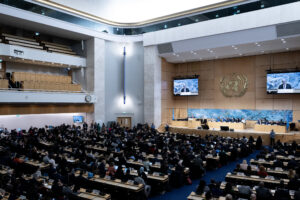
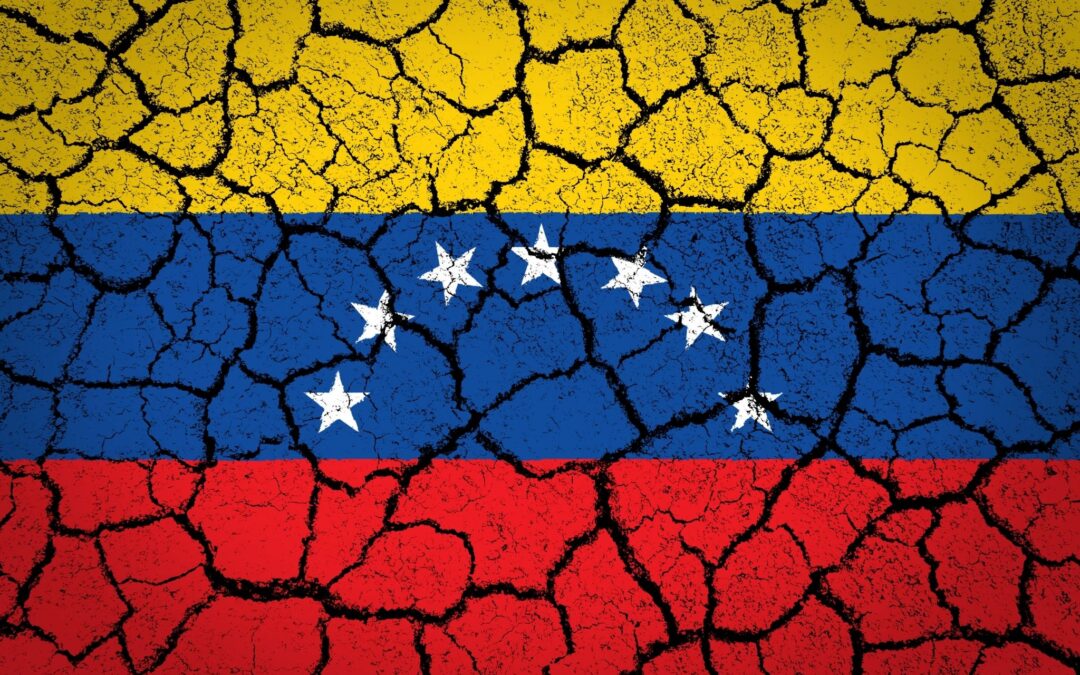
The ICJ delivered a statement today on the occasion of the interactive dialogue on the oral update by the Independent International Fact-Finding Mission on the situation in Venezuela calling for attention to the persistence of widespread serious human rights violations in the country.
The statements reads as follows:
“Madame President,
The International Commission of Jurists (ICJ) welcomes the Independent International Fact-Finding Mission’s oral update on the situation in Venezuela.
The ICJ calls attention to the persistence of widespread serious human rights violations, as reported by the FFM in its 2020’s report, including extrajudicial killings.
Venezuelan authorities have wholly failed to comply with the Mission’s recommendations, including the need for “prompt, effective, thorough, independent, impartial and transparent investigations into the human rights violations and crimes”.
This underscores the deficits in judicial and prosecutorial independence that has undermined fair trial rights.
The ICJ is extremely concerned about attacks on human rights defenders and civil society organizations in Venezuela by the authorities, which include the criminalization of the defence of human rights protected under international human rights law.
Civil society organizations that were targeted in 2020 include “Acción Solidaria”, “Provea”, “Alimenta la Solidaridad” and “CONVITE”, and early this year five members of “Azul Positivo” were arbitrarily detained and continue to be harassed.
The ICJ urges that the Venezuelan authorities ensure their full cooperation with the FFM and immediately cease the attacks on human rights defenders; conduct independent investigations and bring to justice those responsible for serious human violations; and remove obstacles to access to justice for victims.
Thank you.”
Contact:
Massimo Frigo, ICJ UN Representative, e: massimo.frigo(a)icj.org, t: +41797499949
Mar 9, 2021 | News
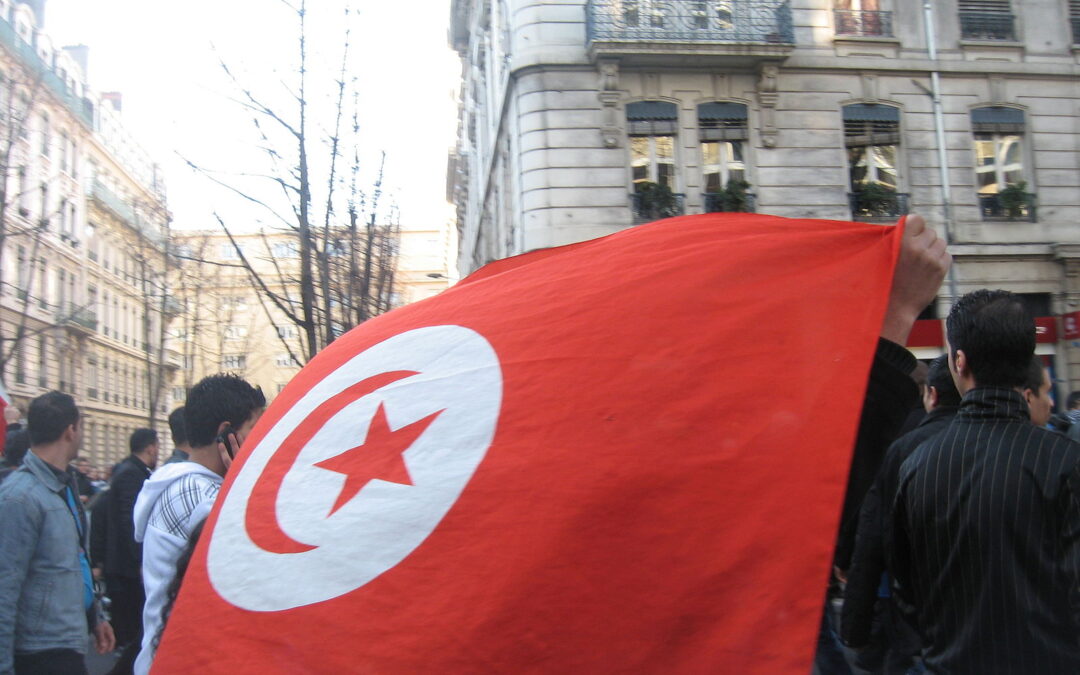
Tunisian authorities must respect the rights to freedom of expression, association and peaceful assembly, and stop the systematic targeting of protesters, lawyers and civil society activists, said the ICJ today.
البيان الصحفي باللغة العربية مرفق أدناه
Since the outbreak of social justice protests on 15 January 2021, Tunisian security forces have systematically targeted protesters, including minors, lawyers and civil society activists.
Over the last weeks, reports of abuses at the hands of the Tunisian security forces have included: hundreds of arbitrary arrests; deaths in custody in disputed circumstances; physical assaults; rape and death threats; and refusing detainees access to legal counsel. While to date more than half of the people arrested since the beginning of the protests have been released, only a few prosecutions arising from the security forces’ systematic campaign of arrests have taken place, and hundreds of people are still in custody awaiting to be brought before a judge. According to the information available to the ICJ, individuals are being prosecuted under different charges, including “insulting the police” and “abuse of morals”.
“The systematic targeting of peaceful protesters and the other abuses that we have witnessed in recent weeks are clear instances of the wider impunity that Tunisian security forces have continued to enjoy over decades,” said Said Benarbia, the ICJ’s MENA Programme Director
“The Tunisian authorities should immediately halt these practices by reforming the country’s security legislation and open independent and impartial investigations into these abuses.”
To date, Tunisia has failed to adopt a comprehensive reform of its security legislation in line with the Constitution and the country’s obligations under international human rights law and standards.
As reported on multiple occasions, investigations into reports of human rights violations by Tunisian security forces have rarely led to successful prosecutions of perpetrators in the past. Moreover, while since 2018 prosecutions arising from police abuses committed under the previous regime have started before the Specialized Criminal Chambers, numerous obstacles continue to affect the progress of trials, and no verdict has been delivered to date.
“It is time for the Tunisian authorities to abide by the Constitution and international human rights law and standards and commit to a complete end to the security forces’ oppressive practices,” Benarbia added.
“Only by undertaking a full review of Tunisia’s security laws and bringing perpetrators of human rights violations to justice will the country be able to break this cycle of abuses and ensure full respect for fundamental freedoms and human rights.”
Contact
Said Benarbia, Director, ICJ Middle East and North Africa Programme, t: +41-22-979-3817; e: said.benarbia(a)icj.org
Valentina Cadelo, Legal Adviser, ICJ Middle East and North Africa Programme, e: valentina.cadelo(a)icj.org
Asser Khattab, Research and Communications’ Officer, ICJ Middle East and North Africa Programme, e: asser.khattab(a)icj.org
Download
Press release in English and Arabic.
Mar 9, 2021 | Advocacy, Non-legal submissions
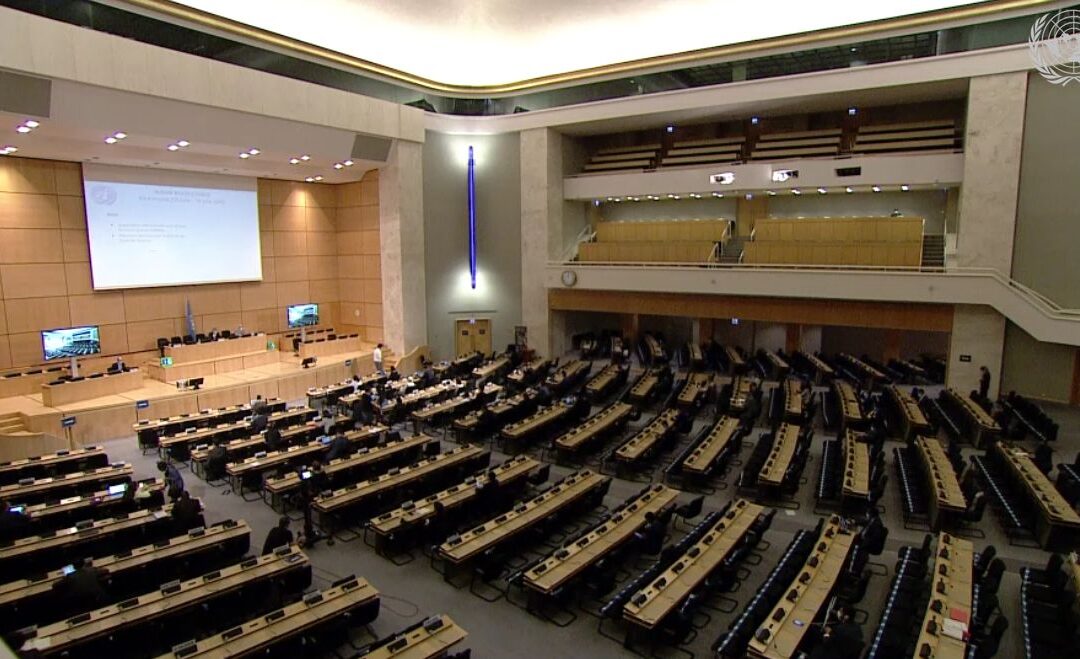
Today, the ICJ joined an oral statement at the UN Human Rights Council denouncing attacks on lawyers occurring in Iran.
The statement was delivered by IBAHRI on behalf also of ICJ, Lawyers for Lawyers, Lawyers’ Rights Watch Canada and The Law Society, during the interactive dialogue with the UN Special Rapporteur on the ISlamic Republic of Iran.
The statement reads as follows:
“The International Bar Association’s Human Rights Institute (the IBAHRI), the International Commission of Jurists (the ICJ), Lawyers for Lawyers, Lawyers’ Rights Watch Canada, and The Law Society express deep concerns at the arbitrary arrests and detention of lawyers and others sentenced to exorbitant prison terms for legitimately carrying out their professional activities. We draw special attention to the cases of lawyers Nasrin Sotoudeh and Amirsalar Davoodi, who remain imprisoned and were excluded from Covid-19 prisoner release programmes.
Their imprisonment means that access to justice for citizens in Iran is restricted. We are alarmed by the widespread violation of fair trial guarantees, including the denial of access to a lawyer of one’s own choosing, as well as the recent application of the death penalty in Iran. We also condemn Iran’s non-compliance with international standards on conditions of detention and reports of torture of those critical of the regime.
We urge the Iranian authorities to:
- Immediately and unconditionally release Nasrin Sotoudeh, Amirsalar Davoodi and other lawyers who remain in prison after conviction in an unfair trial;
- Pending release, ensure compliance with international standards on conditions of detention;
- Ensure that lawyers and others can carry out their profession free from undue interference, including judicial harassment;
- Establish an immediate moratorium on the death penalty, pending abolishment; and
- Comply with its international legal obligations in respecting, guaranteeing, and protecting human rights.”
Find the statement here: Iran-UN-JointStatement-Lawyers-Advocacy-NonLegal-HRC46-2021-ENG
Contact:
Massimo Frigo, ICJ UN Representative, e: massimo.frigo(a)icj.org, t: +41797499949
Mar 8, 2021 | Advocacy, Analysis briefs
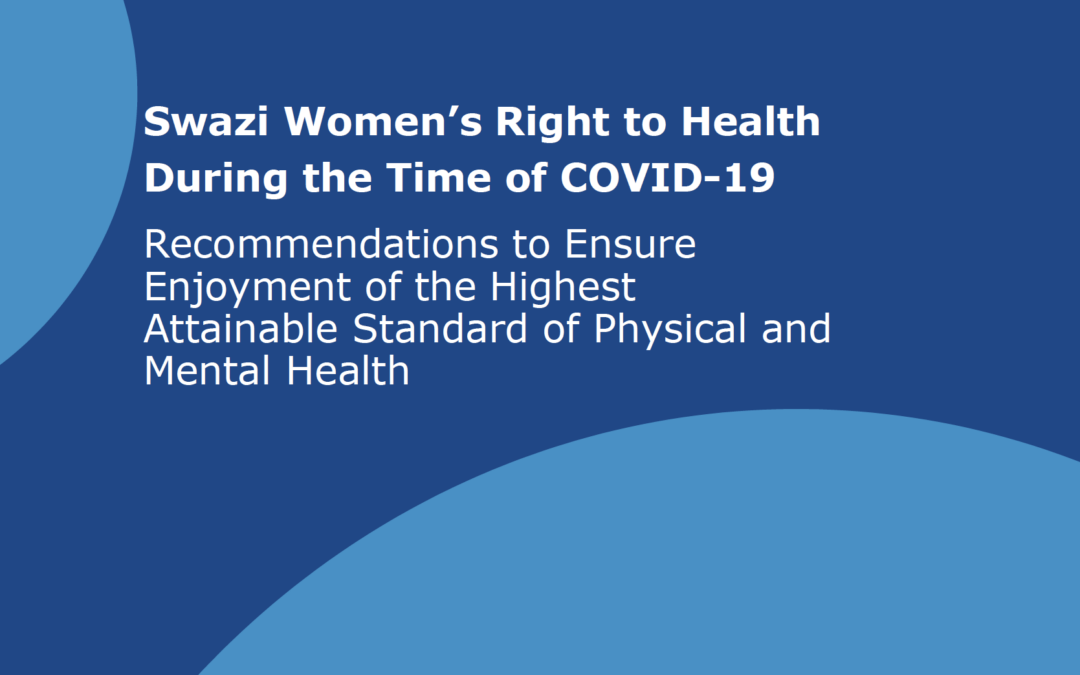
On International Women’s Day 2021, the ICJ publishes a paper considering the ways in which women in Eswatini face systematic discrimination in laws and practices, in violation of the country’s obligations under international human rights law with respect to women and girls’ right to health, including sexual and reproductive health.
The publication concludes with recommendations to the Eswatini authorities on how they may enhance women and girls’ ability to fully and equally benefit from and enjoy their right to health and their other human rights without discrimination.
The paper is entitled “Swazi Women’s right to health during the time of COVID-19: Recommendations to ensure enjoyment of the highest attainable standard of physical and mental health”. It was launched through a conversation with Zanele Thabede-Vilakati, the National Director of Women and Law in Southern Africa (WLSA) Research and Educational Trust in Eswatini. In the discussion, Thabede-Vilakati outlined the obstacles faced by Swazi women before and after the COVID-19 pandemic. Talking about the ICJ publication, she added:
“The ICJ report on Swazi Women’s Right to Health during COVID-19 is an in-depth observation of all the issues which women face in their daily lives in getting access to their basic right to health. The recommendations made by the ICJ can only enrich Eswatini authorities’ approach to protecting and empowering women and I hope that they take these recommendations on.”
The report considers Eswatini’s obligations not only under national law, including under the Swazi Constitution, but also under international law in an effort to assess whether Eswatini is complying with its human rights obligations.
The report reflects on the obstacles that Swazi women have faced before and during the COVID-19 pandemic in exercising their right to health. Some of the key human rights concerns include: lack of access to sexual and reproductive healthcare; the high prevalence of HIV/AIDS among Swazi women; obstacles in accessing sexual and gender-based violence-related healthcare services; and inadequate access to shelters and housing for women in Eswatini.
Based on the publication’s assessment, recommendations are addressed to Eswatini authorities for specific measures to be taken to protect women, as well as meet Eswatini’s obligations under national, regional and international law.
Speaking about the report, ICJ’s Africa Regional Programme Director, Kaajal Ramjathan-Keogh stated,
“The right to health is a crucial right to everyone, but in a country such as Eswatini – one of the most severely HIV affected countries in the world – women’s right to health is a priority as women remain disproportionally affected by HIV. We hope that this report and its recommendations cause the relevant actors to reflect on ways in which they can assist Swazi women, especially in light of the increased obstacles that women have faced in accessing their right to health due to the COVID-19 pandemic.”
In order to realize the right to health of women and girls in Eswatini, the report recommends that the Eswatini authorities take certain measures, including the following:
- Ensure access to family planning health services for all women and LGBT persons;
- Parliament must enact domestic legislation, which clarifies the circumstances under which abortion is legally available to women;
- Ensure all health facilities, throughout the country, are equipped with all essential medicines;
- Guarantee access to information and education on sex, sexuality, HIV, sexual and reproductive rights especially for adolescents and youth;
- Prioritise the provision of pre- and post-natal healthcare services in a manner that does not risk COVID-19 transmission; and
- Repeal discriminatory laws, policies and practices in the area of sexual and reproductive health, including restrictive abortion laws and laws and policies that discriminate against LGBT persons;
- Adopt legislation providing for legal aid to enable victims of gender-based violence to be better able to access justice and effective remedies for SGBV, including through courts;
- Ensure comprehensive services for survivors of sexual and gender-based violence are available during the pandemic;
- Increase access to healthcare services for victims and survivors of gender-based violence, including medical and psychosocial support and ensure adequate rape kits in all health centres; and
- Increase access to shelters and alternative accommodation for victims of gender based and domestic violence in Eswatini, including accommodation or shelters that should be made available in all parts of the country.
Background
Eswatini is a monarchy. Under its Constitution, customary law, except insofar as it is inconsistent with the former, is recognized as part of Eswatini’s legal system in addition to common law and statutory law. Eswatini is party to several binding international, including regional, human rights treaties guaranteeing the right to health, including sexual and reproductive health, for everyone, including women and girls. Irrespective of the protections afforded in Eswatini’s domestic legal system, as a matter of international human rights law, Eswatini is bound to fulfil its obligations to realize the right to health, including sexual and reproductive health.
Contact
Nokukhanya (Khanyo) Farisè, Legal Adviser (Africa Regional Programme), e: nokukhanya.farise(a)icj.org
Tanveer Jeewa, Communications Officer (Africa Regional Programme), e: tanveer.jeewa(a)icj.org
Download
Eswatini-Swazi Women Right to Health during COVID19-Report-2021-ENG
Mar 8, 2021
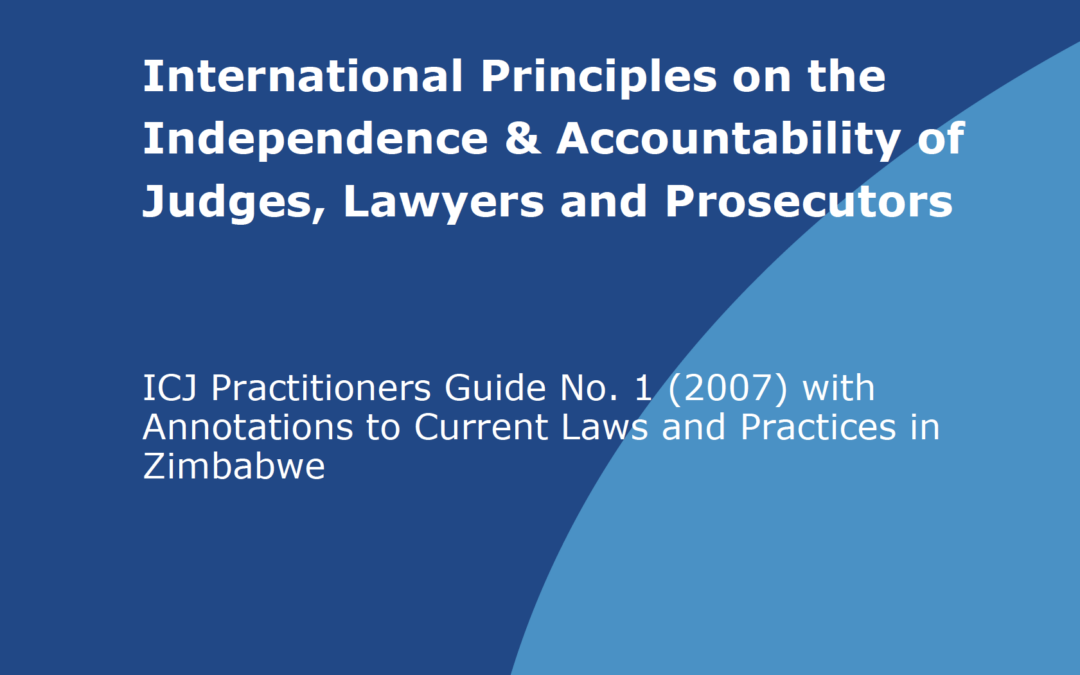
Today, the ICJ publishes a practical guide which will give legal practitioners and others who engage with the administration of justice in Zimbabwe a readily accessible reference tool on the question of independence of judges and lawyers
The guide is entitled the International Principles on the Independence & Accountability of Judges, Lawyers and Prosecutors: ICJ Practitioners Guide No. 1 (2007) with annotations to current laws and practices in Zimbabwe.
It adapts the ICJ’s general Practitioners Guide to the particularities of the Zimbabwe justice system so as to make it especially useful for Zimbabwean practitioners.
The Guide takes as a starting point the principle of separation of powers and affirms that the judiciary serves as an essential check and balance on the political branches of government. In that way it can carry out its role in ensuring the fair administration of justice and as a guarantor of human rights.
Judges, lawyers and prosecutors must therefore be independent for the fair and effective functioning of the administration of justice. They also must be accountable for misconduct such as corruption or complicity in human rights violations.
The Guide comes with Recommendations with a view to bringing Zimbabwean law and practices in line with international standards
Speaking on the publication, ICJ’s Senior Legal Advisor , Blessing Gorejena noted that,
“The independence of judges , lawyers and prosecutors is a cornerstone to an effective judicial system and an enabler of access to justice. It is our hope that this publication will inspire reflection and reform in line with the recommendations made in the Guide, which will strengthen the judicial system in Zimbabwe”.
The Practitioners Guide No.1 on Independence of Judges, Lawyers and Prosecutors was published in 2007. The adaptation of Practitioners Guide No. 1 reproduces the original text of the 2007 second edition, adding annotations to specific national legal and policy frameworks in Zimbabwe. It is part of a series of ICJ publications on international law which are being adapted to the Zimbabwean context. The publication will assist practitioners in terms of understanding the gaps within the Zimbabwean legal framework that need to be addressed to ensure compliance with international standards on independence of judges, lawyers and prosecutors.
Contact
Blessing Gorejena, Senior Legal Adviser and Team Leader of ICJ Zimbabwe Project, t: +263 77 215 1989, e: blessing.gorejena(a)icj.org
Elizabeth Mangenje, Legal Adviser, e: elizabeth.mangenje(a)icj.org
Download
Zimbabwe-Adaptation of PG1 to Zimbabwe-Guide-2021-ENG