Mar 4, 2021 | News
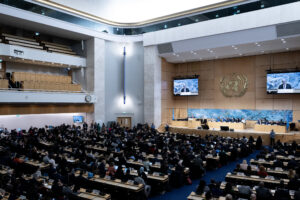
Israeli and Palestinian authorities should immediately grant the International Criminal Court unhindered access to Palestinian territory to investigate alleged crimes under international law committed by all parties to the conflict, the International Commission of Jurists said today.
The International Criminal Court’s prosecutor yesterday announced the initiation of an investigation into “war crimes [that] have been or are being committed in the West Bank, including East Jerusalem, and the Gaza Strip.”
“Israel, the United States and other States must refrain from any efforts undermining the Office of the Prosecutor and the integrity of its investigation,” said Said Bearbia, ICJ’s MENA programme director. “Rather, they should comply with universally recognized norms on the independence and impartiality of judges and prosecutors.”
The ICJ calls on all states and concerned organizations to cooperate fully with and provide any necessary assistance to Office of the Prosecutor in carrying out its investigation.
The Israeli and Palestinian authorities, in particular, should grant the Office of the Prosecutor and its members unhindered access to all Palestinian territory without delay, and allow them to visit sites, meet and speak freely and privately with victims and witnesses, and access any relevant documentation or records.
It is critical that the ICC’s investigators and prosecutors, like any other investigators and prosecutors, should be able to perform their professional functions independently, impartially, diligently and without intimidation, hindrance, harassment or improper interference.
“The ICC investigation offers a unique opportunity to begin addressing the structural impunity that prevails over past and ongoing crimes under international law in Palestine,” Benarbia added. “It’s a crucial initial step in the realization of the victims’ rights to justice, truth and reparations.”
On 5 February 2020, the ICC decided it can assert its jurisdiction over serious crimes alleged to have occurred in the State of Palestine since 13 June 2014.
On 16 March 2020, the ICJ submitted amicus curiae observations in support of the Court’s territorial jurisdiction.
Find the Press Release in Arabic here: PalestineIsrael-PR-ICC-ARA2-2021
Contact:
Said Benarbia, Director, ICJ Middle East and North Africa Programme; t: +41 22 979 3817 e: said.benarbia(a)icj.org
Asser Khattab, Research and Communications Officer, ICJ Middle East and North Africa Programme, asser.khattab@icj.org
Mar 4, 2021 | Advocacy, Non-legal submissions
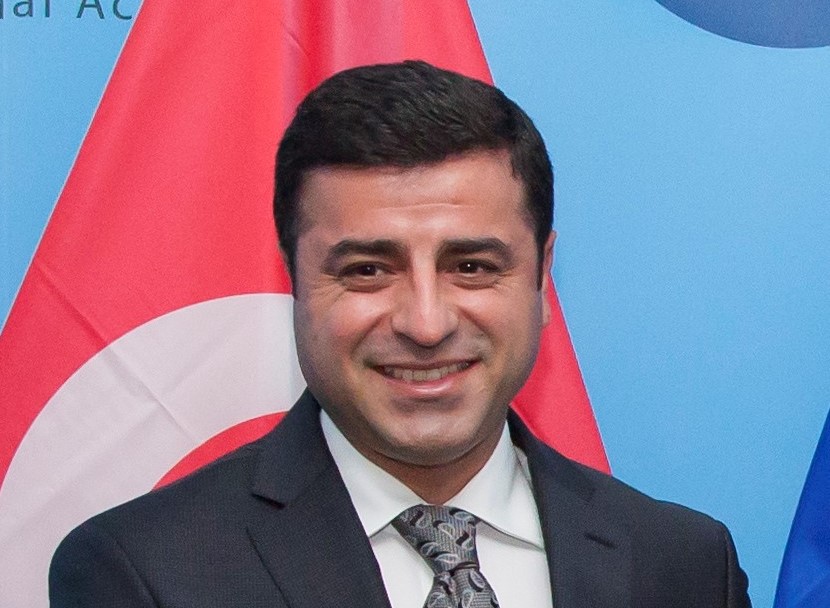
The Council of Europe Committee of Ministers should direct Turkey to release the Kurdish opposition politician Selahattin Demirtaş in compliance with a European Court of Human Rights judgment, five human rights groups said today.
The five are ARTICLE 19, Human Rights Watch, the International Commission of Jurists, the International Federation for Human Rights, and the Turkey Human Rights Litigation Support Project.
The groups have made a detailed joint submission to the Council of Europe’s Committee of Ministers, which oversees enforcement of the European Court of Human Rights (ECtHR) judgments, asking it to issue the decision at its meeting on March 9-11, 2021. The groups said that Turkey continues to violate Demirtaş’s rights by flouting a landmark judgment issued by the court on December 22, 2020, requiring his immediate release.
“President Erdogan and senior Turkish officials have responded to the European Court’s judgment ordering Demirtaş’s release with false arguments that it does not apply to his current detention and that the court’s rulings are not binding on Turkey,” said Aisling Reidy, senior legal adviser at Human Rights Watch. “The Committee of Ministers should call on Turkey to release Demirtaş immediately and leave no doubt that disregarding or attempting to bypass judgments of the Strasbourg court is unacceptable.”
Selahattin Demirtaş, former co-chair of the Peoples’ Democratic Party (HDP), a pro-Kurdish rights opposition party to the government of President Recep Tayyip Erdoğan, has been held in Edirne F-Type prison in western Turkey since November 4, 2016.
The Grand Chamber of the European Court of Human Rights ruled that in initially detaining Demirtaş and then prolonging his detention for over four years, the Turkish government pursued an ulterior purpose of preventing him from carrying out his political activities, depriving voters of their elected representative, and “stifling pluralism and limiting freedom of political debate: the very core of the concept of a democratic society.”
Ordering Demirtaş’s immediate release, the court found that Turkey had violated rights protected by Articles 5.1 and 5.3 (right to liberty) of the European Convention on Human Rights, Article 10 (right to freedom of expression), Article 3 Protocol 1 (the right to free and fair elections), and Article 18 (misuse of limitations on rights in the Convention), by pursuing Demirtaş’s detention for political ends.
In finding the government acted in bad faith (Article 18 violation), the court notably refers to Demirtaş’s current detention, from September 20, 2019 which relates to an investigation into deadly protests in southeast Turkey on October 6-8, 2014. The Strasbourg court said what Turkey was attempting to do was “a new legal classification” of the same facts, because the same “acts and incidents” had formed the basis on which Demirtaş had been detained up until September 2, 2019, and for which he is already on trial.
Finding a continuity between Demirtaş’s pretrial detention from November 4, 2016, to September 2, 2019, and again from September 20, 2019, to the present, the court termed the September 20 order a “return to pre-trial detention.” The Turkish government has rejected this finding and contends that Demirtaş is currently detained in the context of a case not covered by the European Court judgment.
“As the European Court of Human Rights made clear, Demirtaş’s detention on September 20, 2019, was in fact not a separate detention but a ‘return to pre-trial detention’ and a continuing violation of his Convention rights,” said Róisín Pillay, Europe and Central Asia Director of the International Commission of Jurists. “The Committee of Ministers should press Turkey to immediately end this abuse of judicial proceedings aimed at harassing an opposition politician.”
The groups’ submission provides a full analysis of political and legal developments since the issuing of the ECtHR Grand Chamber judgment – including a new indictment against Demirtaş – and repeated statements from Turkey’s president and senior officials that the Demirtaş judgment and European Court judgments in general are not binding on Turkey.
“Charging such a prominent political figure with 30 serious ‘new’ offences based on political speeches mostly 6 years ago, which the Court already found to be protected, is pure repackaging – a thinly veiled attempt to circumvent compliance with the Court’s judgment requiring immediate release,” said Helen Duffy of the TLSP. “The Grand Chamber already rejected earlier ‘reclassification’ attempts, and it is time for a robust response by the Committee of Ministers to break the cycle of evasion.”
The groups urged the Committee of Ministers to place Demirtaş’s case under their enhanced procedures, treating it as a lead case, and to indicate that continued refusal to carry out the judgment may lead them to refer Turkey to the European Court for non-compliance. The groups urged the Committee of Ministers to call on the Turkish government to:
- Immediately release Demirtaş as required by the ECtHR judgment, and make clear that the judgment applies to his ongoing detention and to any future charges or detentions in which the factual or legal basis is substantially similar to that which the ECtHR has already addressed in its judgment;
- Halt all criminal proceedings initiated against Demirtaş following the constitutional amendment lifting his immunity, which was deemed unlawful by the ECtHR’s Grand Chamber;
- End the abuse of judicial proceedings to harass Demirtaş, stifle pluralism, and limit freedom of political debate, emphasizing that this cessation is essential to the restoration of Demirtaş’s rights;
- End interference in Demirtaş’s cases, especially by attempting to pressure or unduly influence judicial authorities; and
- Publicly correct false claims promoted by senior Turkish government officials that the Grand Chamber judgment in the Demirtaş case and European Court judgments more generally, are not binding.
Find the intervention here: Turkey-Demirtas_v_TurkeyExecution-JointSubmission-2021-ENG
Türkiye: AİHM Kararı Sonrasında Siyasetçi Serbest Bırakılsın
Avrupa Konseyi Bakanlar Komitesi, Türkiye’den Demirtaş Kararının Uygulanmasını Talep Etmelidir
(İstanbul, 4 Mart 2021) — Beş ayrı insan hakları örgütü bugün yaptıkları açıklamada, Avrupa Konseyi Bakanlar Komitesi’nin, Türkiye’yi Avrupa İnsan Hakları Mahkemesi kararına uyarak muhalif Kürt siyasetçi Selahattin Demirtaş’ı serbest bırakmaya yönlendirmesi gerektiğini belirtti. Bu beş insan hakları örgütü ARTICLE 19, İnsan Hakları İzleme Örgütü, Uluslararası Hukukçular Komisyonu, Uluslararası İnsan Hakları Federasyonu ve Türkiye İnsan Hakları Davalarına Destek Projesi’nden oluşuyor.Hak örgütleri, Avrupa İnsan Hakları Mahkemesi (AİHM) kararlarının uygulanmasının denetiminden sorumlu Avrupa Konseyi Bakanlar Komitesi’ne detaylı bir ortak bildirimde bulunarak, Komitenin 9-11 Mart 2021 tarihli toplantısında bu konuda karar almasını talep ettiler. Örgütler, Türkiye’nin AİHM’in 22 Aralık 2020 tarihli Demirtaş’ın serbest bırakılmasını gerektiren önemli kararını görmezden gelerek Demirtaş’ın haklarını ihlal etmeye devam ettiğini ifade ettiler.
İnsan Hakları İzleme Örgütü Kıdemli Hukuk Danışmanı Aisling Reidy, “Cumhurbaşkanı Erdoğan ve üst düzey yetkililer, Demirtaş’ın serbest bırakılmasını öngören AİHM kararına, kararın mevcut tutukluluğa uygulanmadığı ve Mahkemenin kararlarının Türkiye için bağlayıcı olmadığı yönündeki yanlış argümanlarla cevap verdiler” dedi. Reidy, “Bakanlar Komitesi, Türkiye’yi Demirtaş’ı derhal serbest bırakmaya çağırmalı, AİHM kararlarını görmezden gelmenin veya etrafından dolanmaya çalışmanın kabul edilemez olduğuna dair şüpheye yer bırakmamalıdır” dedi.
Cumhurbaşkanı Recep Tayyip Erdoğan’ın hükümetine muhalif Kürtlerin haklarını destekleyen politik çizgideki Halkların Demokratik Partisi (HDP) eski eş başkanı Demirtaş, 4 Kasım 2016’dan bu yana Türkiye’nin batısındaki Edirne F Tipi Cezaevi’nde tutuluyor.
AİHM Büyük Dairesi, kararında “Türkiye hükümetinin, Demirtaş’ı tutuklayıp, tutukluluğunu 4 yıldan fazla sürdürerek onun siyasi faaliyetlerini engellemek, seçmenleri seçilmiş temsilcilerinden mahrum bırakmak, demokratik bir toplumun temeli olan çoğulculuğu ve siyasi tartışmayı kısıtlamak yönünde örtülü amaçlar taşıdığı” ifadelerine yer verdi.
Demirtaş’ın derhal serbest bırakılması gerektiğine karar veren Mahkeme, Türkiye’nin Avrupa İnsan Hakları Sözleşmesi’nin 5/1 ve 5/3. maddeleri (özgürlük hakkı), 10. madde (ifade özgürlüğü hakkı), 1. Ek Protokol 3. madde (serbest seçim hakkı) ve 18. madde (haklara getirilecek kısıtlanmaların sınırlanması) ile korunan hakları ihlal ettiğini tespit etti.
Mahkeme, hükümetin hakların kısıtlanmasında kötü niyetle hareket ettiğini tespit ederken (madde 18 ihlali), 6-8 Ekim 2014’te Türkiye’nin güneydoğusunda ölümlerin yaşandığı protestolara ilişkin bir soruşturma kapsamında Demirtaş’ın 20 Eylül 2019’dan bu yana tutuklu olduğunun altını çizdi. AİHM, Türkiye’nin bu soruşturmada yapmaya çalıştığı şeyin aynı olguların “yeni bir hukuki vasıflandırması” olduğunu, çünkü aynı “eylemler ve olayların” Demirtaş’ın 2 Eylül 2019’a kadar sürdürülen tutukluluğuna ve hakkında o süreçle bağlantılı olarak devam eden yargılamaya esas alındığını belirtti.
Demirtaş’ın 4 Kasım 2016’dan 2 Eylül 2019’a kadarki tutukluluğu ile 20 Eylül 2019’dan bu yana devam eden tutukluluğu arasında bir süreklilik tespit eden Mahkeme, 20 Eylül tarihli kararı “tutukluluğa geri döndürme” olarak tanımladı. Türkiye Hükümeti ise bu tespiti reddetti ve Demirtaş’ın şu an AİHM kararı kapsamında olmayan bir dava dolayısıyla tutuklu olduğunu iddia ediyor.
Uluslararası Hukukçular Komisyonu Avrupa ve Orta Asya Direktörü Róisín Pillay, “Avrupa İnsan Hakları Mahkemesi’nin açıkça belirttiği gibi, Demirtaş’ın 20 Eylül 2019’da tutuklanması aslında ayrı bir tutuklama değil, ‘tutukluluğa geri döndürmedir’ ve Sözleşme’de yer alan haklarının ihlalinin sürdürülmesidir” dedi. Pillay, “Bakanlar Komitesi, muhalif bir siyasetçiyi taciz etmek amacıyla adli işlemlerin kötüye kullanılmasına derhal son vermesi için Türkiye’ye baskı yapmalıdır” dedi.
Hak örgütlerinin bildirimi, Demirtaş aleyhindeki yeni iddianame, Türkiye’nin Cumhurbaşkanı ve üst düzey yetkililerinin Demirtaş kararının ve genel olarak AİHM kararlarının bağlayıcı olmadığına ilişkin tekrar eden açıklamaları da dahil olmak üzere AİHM Büyük Dairesinin kararı sonrasında gerçekleşen siyasi ve hukuki gelişmelere ilişkin kapsamlı bir analiz sunuyor.
Türkiye İnsan Hakları Davalarına Destek Projesi’nden Helen Duffy, “bu kadar önemli bir siyasi figürü, Mahkemenin koruma kapsamında olduğunu tespit ettiği ve çoğunlukla 6 yıl önceki siyasi açıklamalarına dayanan 30 “yeni” ve ciddi suçla itham etmek, Mahkemenin derhal serbest bırakma kararına uymaktan kaçınma girişiminin bir tekrarıdır.” dedi. Duffy, “Büyük Daire daha önceki ‘yeniden vasıflandırma’ girişimlerini reddetmiştir, Bakanlar Komitesinin kararı uygulamaktan kaçınma döngüsünü kırmak için buna güçlü bir yanıt vermesinin zamanı gelmiştir.” dedi.
Hak örgütleri, Bakanlar Komitesini Demirtaş’ın davasını nitelikli denetim prosedürü altında izlenmek üzere sınıflandırmaya ve öncü dava olarak kabul etmeye, Türkiye’nin kararın uygulanmasını reddetmeye devam etmesinin, bu nedenle AİHM’e yönlendirilmesine yol açabileceğini dile getirmeye davet ettiler. Örgütler, Bakanlar Komitesinin Türkiye hükümetine yönelik şu çağrılarda bulunmasını talep ettiler:
- AİHM kararının gereği olarak Selahattin Demirtaş’ın derhal serbest bırakılması için çağrıda bulunulmalı, Büyük Daire kararının Demirtaş’ın devam eden tutukluluğunu da kapsadığı, kararın AİHM tarafından da değinildiği gibi olgusal ya da yasal dayanakları ciddi ölçüde benzer olan, gelecekte ileri sürülebilecek suçlamaları veya yapılabilecek tutuklamaları da kapsayacağı vurgulanmalıdır.
- AİHM Büyük Daire tarafından hukuka aykırı bulunduğu üzere, Demirtaş’ın dokunulmazlığını kaldıran Anayasa değişikliğinden sonra kendisine yöneltilen tüm ceza yargılamalarının durdurulması konusunda çağrıda bulunulmalıdır.
- Demirtaş’ın yargı yollarının kötüye kullanılması yolu ile taciz edilmesini durdurmaya, çoğulculuğun bastırılması ve siyasi tartışma özgürlüğünü sınırlanmasına son vermeye ve bunun Demirtaş’ın haklarının iadesi için önemli olduğunu vurgulamaya çağrılmalıdır.
- Yargı makamlarına baskı yapmaya veya onları hukuka aykırı bir şekilde etkilemeye çalışarak Demirtaş’ın davalarına doğrudan müdahale etmeye son vermeye çağrılmalıdır.
- Üst düzey yetkililer tarafından savunulan Demirtaş davasındaki Büyük Daire kararının ve daha genel olarak AİHM kararlarının bağlayıcı olmadığı yönündeki yanlış iddiaları kamuya açık bir şekilde düzeltmeye çağırılmalıdır.
Find the submission in Turksish: Turkey-Demirtas_v_TurkeyExecution-JointSubmission-2021-TUR
Mar 4, 2021 | News
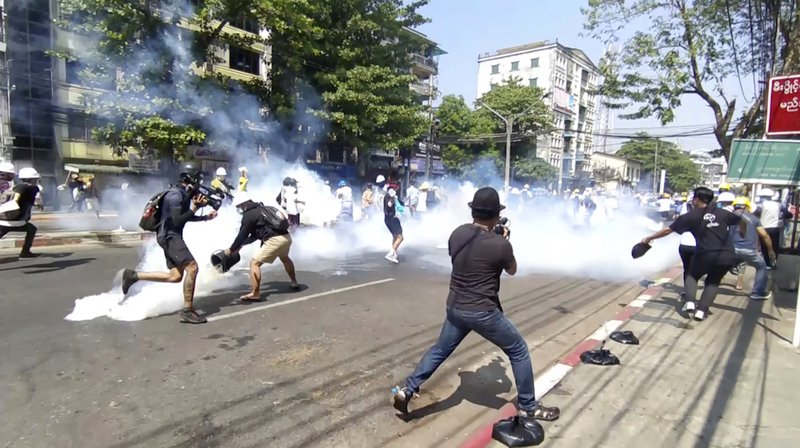
The escalating killing of peaceful protestors by Myanmar’s security forces should be independently investigated as possible crimes against humanity, said the ICJ today on the eve of a closed-door UN Security Council session on the situation.
According to reliable information provided to the ICJ, security forces have unlawfully killed approximately 50 unarmed people – including at least five children – in more than 10 cities on different days since the military overthrew the civilian government on 1 February 2021. On 3 March, at least 38 people were reported killed by security forces.
In addition, numerous protestors have been injured and a total of 1,498 people have been arrested, charged or sentenced in relation to the military coup, according to The Assistance Association for Political Prisoners (AAPP).
“As the scale of the violence continues to increase, seemingly as part of a systematic, centralized policy to use lethal force against peaceful protestors, it is hard to escape the conclusion that Myanmar’s security forces are perpetrating crimes against humanity,” said Kingsley Abbott, Director of Global Accountability and International Justice at the ICJ. “This underscores the urgent need for all states, including the permanent members of the UN Security Council, to stop shielding the Myanmar military and work together towards opening avenues to justice for the Myanmar people.”
The UN Security Council will meet this Friday for a closed-door session at the request of the United States which is President of the Council in March 2021.
“The UN Security Council should immediately refer Myanmar to the International Criminal Court for a full independent and effective investigation,” added Abbott.
In addition to acts that may constitute murder as a crime against humanity, security forces have also reportedly committed acts which, when committed in a widespread and systematic manner, would amount to other crimes against humanity, including imprisonment, torture, and enforced disappearance – all of which also go towards supporting the existence of an attack.
“These killings and other crimes under international law are a direct result of the culture of impunity that has been allowed to persist in Myanmar for decades,” added Abbott. “All states should support the different accountability initiatives underway, including the Independent Investigative Mechanism for Myanmar which is collecting evidence for use in future legal proceedings.”
“It is long past time for perpetrators of serious human rights violations in the country to be brought to justice before the International Criminal Court or in any national jurisdictions willing and able to exercise universal jurisdiction.”
Background
On 12 September 2018, following an independent investigation, the United Nations Independent International Fact-Finding Mission on Myanmar called for Myanmar’s military to be “…investigated and prosecuted in an international criminal tribunal for genocide, crimes against humanity and war crimes” concerning alleged violations in Shan, Kachin and Rakhine States and elsewhere throughout the country.
Under general international law, including customary international law and treaties and statutes of international criminal courts, crimes against humanity must be prosecuted. The authoritative definition of crimes against humanity is contained in the Rome Statute of the International Criminal Court (ICC).
Under Article 7 of the Rome Statute, for killings to amount to crimes against humanity, they must be committed as part of a widespread or systematic attack directed against any civilian population, with knowledge of the attack. According to the elements of crimes of the Rome Statute, “’Attack directed against a civilian population’ in these context elements is understood to mean a course of conduct involving the multiple commission of acts referred to in Article 7, paragraph 1, of the Statute against any civilian population, pursuant to or in furtherance of a State or organizational policy to commit such attack. The acts need not constitute a military attack. It is understood that ‘policy to commit such attack’ requires that the State or organization actively promote or encourage such an attack against a civilian population.”
Generally speaking, “widespread” refers to the geographical scope of the attack and the number of victims, but not exclusively. “Systematic” refers to the organized nature of the acts of violence and the improbability of their random occurrence.
Myanmar is not a State Party to the Rome Statute of the ICC. However, the ICC is investigating crimes committed against the Rohingya minority as part of waves of violence in Rakhine State in 2016 and 2017 where one element or part of the crime was committed inside Bangladesh, which is a party to the Rome Statute. The ICC would be able to conduct a full investigation of the situation in Myanmar if the UN Security Council used its Chapter VII powers to refer the matter to the ICC pursuant to Article 13(b) of the Rome Statute.
Universal jurisdiction refers to the legal concept that States have the authority, and in some cases the obligation, to bring proceedings in relation to certain crimes, including crimes against humanity, because they are so serious it does not matter where the crimes were committed or the nationality of the perpetrators or the victims. States are generally entitled to exercise jurisdiction for serious under crimes under international law.
Contact
Kingsley Abbott, ICJ Director of Global Accountability and International Justice; e: kingsley.abbott(a)icj.org
Sam Zarifi, ICJ’s Secretary General, sam.zarifi(a)icj.org
Mar 2, 2021 | News
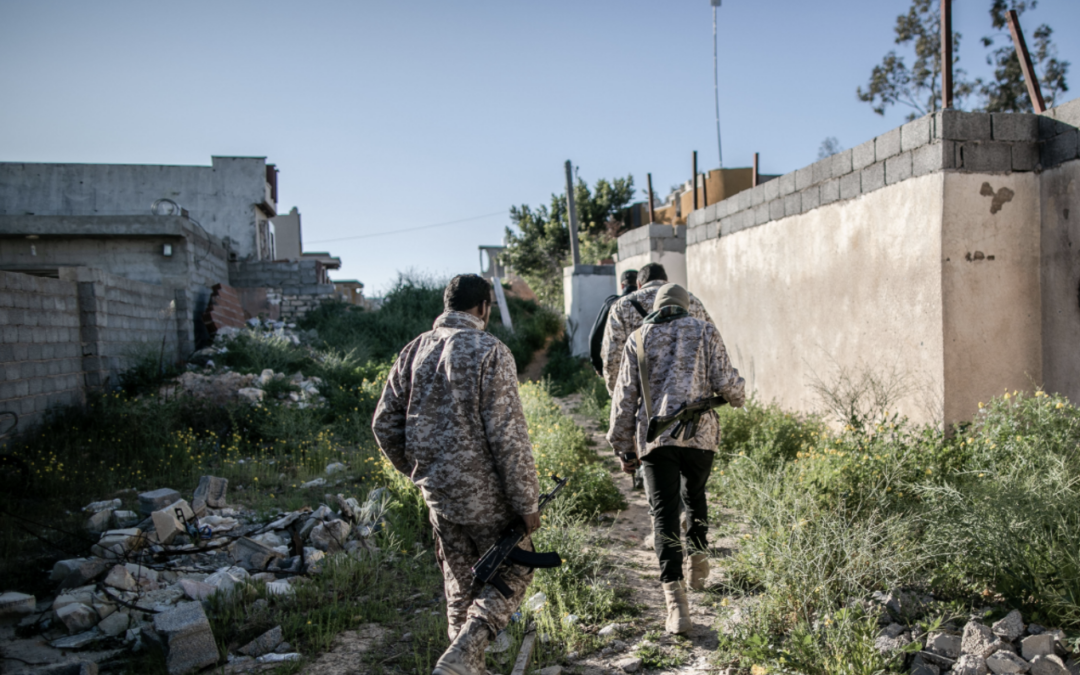
Justice and accountability in Libya can only be achieved if activists and lawyers fully engage with and support the UN Independent Fact-Finding Mission on Libya (FFM) in documenting and collecting evidence of serious violations in the country, the ICJ said today.
To facilitate such engagement, the ICJ’s Question and Answer (Q&A) published today provides guidance for Libyan and international civil society actors on:
- the role and mandate of the FFM;
- the FFM’s relationship with other accountability mechanisms, such as the International Criminal Court (ICC);
- what the FFM may be expected to achieve; and
- how to engage with the FFM.
“The success of the FFM’s mandate rests largely on its ability to establish the facts about and collect evidence of violations and abuses of international human rights and humanitarian law perpetrated in Libya.”
“We urge lawyers, activists and civil society actors to fully support the FFM in achieving these objectives and bringing about the accountability that has so far eluded Libya.”
– Said Benarbia, the ICJ’s MENA Programme Director.
The FFM was established by the UN Human Rights Council on 22 June 2020 through resolution 43/39. Its mandate includes:
- Establishing facts and circumstances of the human rights situation throughout Libya;
- Collecting and reviewing relevant information;
- Documenting alleged violations and abuses of international human rights law and international humanitarian law, including any gendered dimensions of such violations and abuses; and
- Preserving evidence with a view to ensuring that perpetrators be held accountable.
While the FFM cannot conduct criminal investigations or prosecute individuals, the evidence preserved may be used by Libyan judicial authorities, the ICC, and third countries exercising universal jurisdiction.
The FFM has issued a call for submissions of relevant information and materials, the deadline for which is 30 June 2021.
Contact
Said Benarbia, Director, ICJ Middle East and North Africa Programme; t: +41 22 979 3817, e: said.benarbia(a)icj.org
Vito Todeschini, Legal Adviser, ICJ Middle East and North Africa Programme; t: +216 53 334 679, e: vito.todeschini(a)icj.org
Asser Khattab, Research and Communications Officer, ICJ Middle East and North Africa Programme; e: Asser.Khattab(a)icj.org
Download
Q&A on the UN International Fact-Finding Mission in English and Arabic.
Press Release in English and Arabic.
Mar 2, 2021 | News
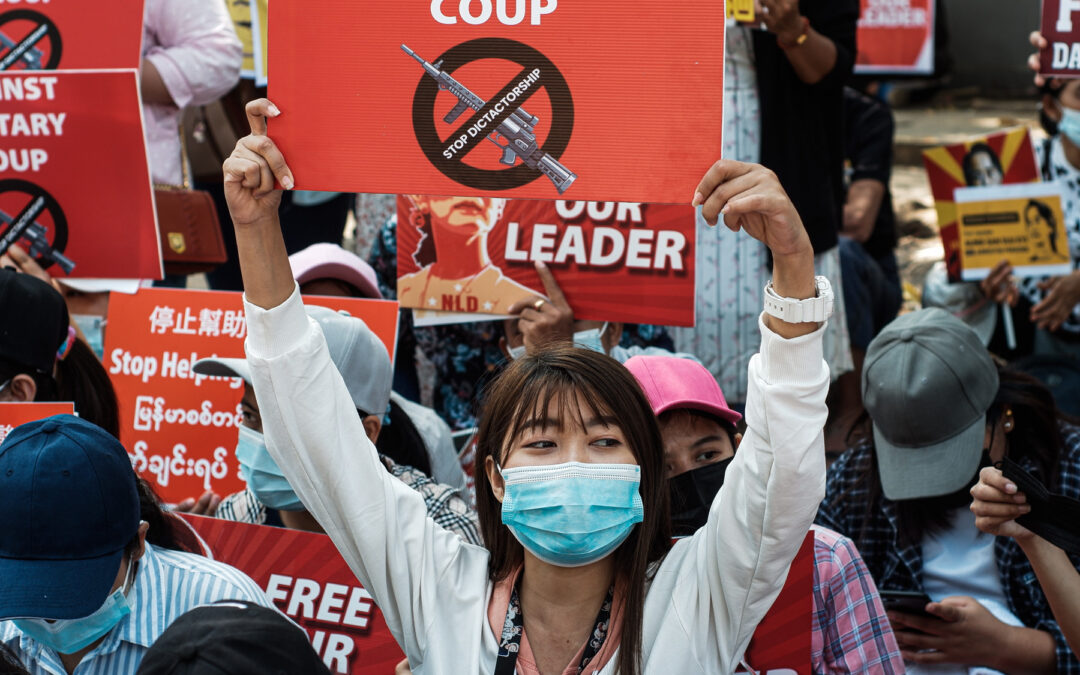
Myanmar’s military government should reverse its post-coup d’etat revisions of legal protections for human rights in the country, the ICJ and Human Rights Watch said today.
Myanmar’s State Administration Council (SAC), appointed by the country’s military after it overthrew the elected civilian government on February 1, 2021, has dictated key revisions to the country’s legal system that criminalize even peaceful protests, and enable violations of the right to privacy and arbitrary arrests and detention. The changes were made through orders signed by the commander-in-chief, Sr. Gen. Min Aung Hlaing, on behalf of the SAC, and outside the parliamentary process.
“As Myanmar’s military increasingly relies on excessive force and intimidation to quell peaceful protests against its coup, it is trying to give a veneer of legality to its actions by subverting existing protections in the legal system.”
“These revisions, which violate the principle of legality and Myanmar’s international obligations, in no way excuse or legitimate the widespread violations of human rights now taking place in Myanmar.”
– Ian Seiderman, ICJ’s Director of Law and Policy.
Since the coup on February 1, the military junta has:
- arbitrarily suspended sections of the Law Protecting the Privacy and Security of Citizens (2017), removing basic protections, including the right to be free from arbitrary detention and the right to be free of warrantless surveillance and search and seizure;
- amended the Penal Code to create new offenses and expand existing offenses to target those speaking critically of the coup and the military, and those encouraging others to support the “Civil Disobedience Movement”;
- amended the Ward and Tract Administration Law to reinstate the requirement to report overnight guests;
- amended the Code of Criminal Procedure to make the new and revised offenses non-bailable and subject to warrantless arrest; and
- amended the Electronic Transactions Law to prevent the free flow of information and criminalize the dissemination of information through cyberspace, including expression critical of the coup or the acts of the junta.
Under international legal standards, any restrictions on human rights must be strictly necessary to protect a legitimate interest and proportionate to the interest being protected, even in times of public emergency or for legitimate national security purposes (conditions that do not apply in Myanmar currently). The orders issued by the SAC fail to meet that standard, as they will arbitrarily interfere with the exercise of rights protected under international law, including freedom of expression, freedom of peaceful assembly, the right to liberty, and the right to privacy. Certain rights, such as the rights to bodily integrity and nondiscrimination, are not subject to restriction.
“By stripping the people of Myanmar of their basic rights, the military is once again demonstrating its disdain for international human rights protections,” said Linda Lakhdhir, Asia legal advisor at Human Rights Watch. “The junta cannot justify the oppression of Myanmar’s inhabitants through the unilateral creation of arbitrary new laws.”
Contact
Osama Motiwala, ICJ Asia-Pacific Communications Officer, e: osama.motiwala(a)icj.org
Mandira Sharma: ICJ Senior Legal Adviser, e: mandira.sharma(a)icj.org
Analysis of Legal Code Changes
Law Protecting the Privacy and Security of Citizens (2017)
On February 13, the State Administration Council arbitrarily suspended sections 5, 7 and 8 of the Law Protecting the Privacy and Security of Citizens, eroding basic protections for individuals.
Section 5 required the presence of two witnesses whenever the police enter a residence for the purposes of search or seizure “to ensure that there is no damage to the privacy or security of the citizen.” The suspension of that protection significantly raises the risk of abuses during searches and arrests.
Section 7 required a court order for any detention of more than 24 hours. Suspension of the provision will facilitate violations of international law, which provides that any person detained on a criminal charge be promptly taken before a judge.
Section 8 provided protections of an individual’s right to privacy by prohibiting search and seizure, surveillance, spying, or any investigation affecting the privacy, security, and dignity of the individual without a court order – protections that the junta has removed. Under international law no one shall be subjected to arbitrary interference with their privacy, family, home or correspondence.
Penal Code Amendments
On February 14, the SAC announced amendments to the Penal Code that could lead to criminal liability for thousands of demonstrators exercising their rights to free expression of their views, and anyone publicly criticizing the military coup d’etat through any means.
The SAC inserted a new provision, section 505A, that could be used to punish comments regarding the illegitimacy of the coup or the military government, among others. The new section would criminalize comments that “cause fear,” spread “false news, [or] agitates directly or indirectly a criminal offense against a Government employee.” Violation of the section is punishable by up to three years in prison.
Section 505(a) previously made it a crime to publish or circulate any “statement, rumor or report” “with intent to cause, or which is likely to cause, any officer, soldier, sailor or airman, in the Army, Navy or Air Force to mutiny or otherwise disregard or fail in his duty.” It has been replaced with much broader language clearly designed to penalize those encouraging members of the civil service of the security services to join the Civil Disobedience Movement.
Under the revised provision, any attempt to “hinder, disturb, damage the motivation, discipline, health and conduct” of the military personnel and government employees and cause their hatred, disobedience or disloyalty toward the military and the government is punishable by up to three years in prison.
The SAC also significantly broadened the “treason” provisions in section 124 of the Penal Code. Section124A, which already criminalized comment that “bring into hatred or contempt” or “excite disaffection against” the government, was expanded to include comments relating to the defense services and defense services personnel, effectively criminalizing any criticism of the military or military personnel. Violation of the section is punishable by up to 20 years in prison.
The newly added section 124C imposes a prison term of up to 20 years on anyone who intends to “sabotage or hinder the performance of the Defense Services and law enforcement organizations who are engaged in preserving the stability of the state.” This provision would criminalize efforts to encourage security forces to join the Civil Disobedience Movement or permit unauthorized protests.
Finally, under section 124D, a person can be sentenced up to seven years in prison if they hinder a government employee from carrying out their duties. This provision is so broad that any actions of protesters could be interpreted as preventing security personnel or defense service officers from performing their duty.
Code of Criminal Procedure
On February 14 the junta amended the Code of Criminal Procedure Amendment Law to make offenses under sections 505A, 124C and 124D non-bailable and subject to arrest without a warrant.
Ward or Village Tract Administration Law (13/2/21)
The amendments to the Ward or Village Tract Administration Law (13/2/21) further increase the military’s ability to conduct surveillance on people’s movements, in particular on human rights defenders seeking shelter away from their own homes. Amendments to section 17 of the Act require all overnight guests from other wards or villages to be reported to the ward or village tract administrator, who are authorized by section 13 to “take action” against any who “failed to inform the guest list.” Section 27 reintroduces criminal sanctions for failing to report overnight guests. Such provisions existed under previous military governments and were deeply resented.
Electronic Transactions Law (Law No 7/ 2021)
On February 15, the junta also amended the Electronic Transactions Law to include, among others, provisions that had been proposed in the draft Cybersecurity Law.
As was true under that much-criticized draft law, the amended Electronics Transactions Law permits government agencies, investigators, or law enforcement to access personal data in relation to “cyber-crimes,” “cyber misuse” or any criminal investigation.
The amendments also include several provisions (articles 38(d) and (e)) that provide criminal penalties for “unauthorized” access to online material and that could be used to prosecute whistle blowers, investigative journalists, or activists who use leaked material for their work.
Section 38B criminalizes “obtaining, disclosing, using, destroying, modifying, disseminating, or sending someone’s personal data to anyone else without approval,” with one to three years in prison. While the protection of the right to privacy online is important, this provision goes well beyond legitimate protections on privacy and imposes arbitrary restrictions on freedom of expression.
In particular, “personal data” is defined in a manner so broad as to include virtually any information associated with a person. The law is therefore impermissibly vague and overbroad, as it would likely prevent even the disclosure of information about anyone involved in alleged human rights violations, including by human rights defenders and journalists.
Section 38C criminalizes the creation of “misinformation or disinformation with the intent of causing public panic, loss of trust or social division on cyberspace,” and provides for imprisonment of one to three years in addition to fines. These provisions are similarly vague and overbroad and unnecessarily and disproportionately limit the exercise of expression online, including criticism of the coup and the military junta.
***
Download the full statement here.