Mar 1, 2021 | Advocacy, Non-legal submissions
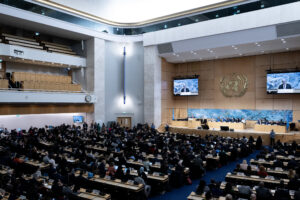
The ICJ today addressed the UN Human Rights Council in the General Debate on the Report of the Office of the High Commissioner for Human Rights on the impact of the coronavirus disease (COVID-19) pandemic on the enjoyment of human rights around the world, including good practices and areas of concern.
The statement reads as follows:
Madam High Commissioner,
The ICJ welcomes your important report on the impact of COVID-19 on human rights.
We consider that an additional critical issue is the importance of access to justice in the realization of all rights, and, particularly, State failures in ensuring human rights compliant access to COVID-19 vaccines.
For instance, Tanzania, Burundi, Eritrea and Madagascar have failed even to attempt to acquire vaccines, and South Africa not yet begun to roll them out to the general population. Zimbabwe has failed to communicate vaccine acquisition and roll out plans.
In Colombia there is an alarming increase of killings and death threats against human rights defenders in some municipalities which could create barriers in accessing the COVID-19 vaccine.
The ICJ is concerned that Guatemala, El Salvador and Costa Rica reportedly intend to inhibit access to vaccines to undocumented non-citizens, in violation of their obligation of non-discrimination.
Finally, many States continue to fall short of their international cooperation and assistance obligations by not endorsing the WHO’s COVID-19 Technology Access Pool, and South Africa and India’s waiver proposal to the WTO’s Trade Related Aspects of Intellectual Property Rights Council.
The ICJ calls on the Human Rights Council to remind States of their duty to ensure effective access to justice for violations of human rights, including the right to health.
I thank you”
Contact:
Massimo Frigo, ICJ UN Representative, e: massimo.frigo(a)icj.org, t: +41797499949
Mar 1, 2021 | News
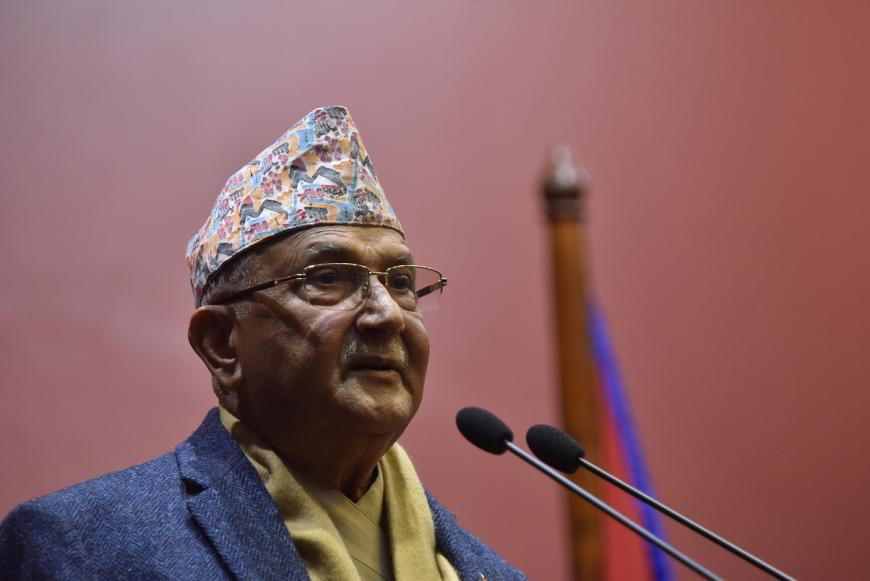
The Nepal government should immediately withdraw an ordinance that undermines the independence of constitutional human rights bodies and rescind recent appointments that were made without consultation or parliamentary approval, the ICJ, Human Rights Watch, and Amnesty International said today.
These government actions undermine public trust and confidence in the integrity of the judiciary and other constitutional bodies such as the National Human Rights Commission and the Election Commission. The illegitimate appointments process is not simply an abstract irregularity but will lead to ineffective and weak implementation of critical mandates to protect human rights and other rule of law objectives, the groups said.
“The government’s actions are a severe dent in Nepal’s long struggle for a rule of law-based constitution, which was finally adopted in 2015 to guarantee human rights,” said Meenakshi Ganguly, South Asia director at Human Rights Watch. “It is sad to see some of the same politicians who drafted the Constitution playing fast and loose with the charter just a few years later.”
On December 15, 2020, President Bidya Bhandari endorsed an executive ordinance to amend the law governing the Constitutional Council, which makes appointments to the judiciary, the National Human Rights Commission (NHRC), and other constitutional bodies including the Election Commission. Under the Constitutional Council Act, five out of six members must be present, but under the ordinance a simple majority is sufficient. Because one seat on the council is vacant the quorum has been reduced to three.
The Constitutional Council met the same day with a newly reduced quorum. Three council members made 38 nominations to vacant positions on constitutional bodies at that meeting. They included all five seats on the National Human Rights Commission (NHRC), as well as nominations to bodies established to protect the rights of Dalits, women, and marginalized minorities, and to investigate corruption allegations.
Under the Constitution, appointments to these key institutions are supposed to be vetted by parliament. However, parliament was abruptly dissolved on December 20, five days after the appointments were announced. The nominees were sworn in on February 3, 2021, despite legal challenges in the Supreme Court to the constitutionality of the nominations and the dissolution of parliament. On February 23, the Supreme Court ruled that the dissolution of parliament was unconstitutional.
“In a context where repeated calls for institutional reforms have gone unheeded for decades, this move by the government further weakens the effectiveness of constitutional bodies that are supposed to be beacons of hope for victims of human rights violations and abuses,” said Mandira Sharma, senior international legal adviser at ICJ. “Independence, impartiality and legitimacy are preconditions for these bodies to effectively and efficiently deliver their mandates.”
Nepal’s Human Rights Commission, until recently, had played an important role in calling for accountability, including by releasing the names of people allegedly responsible for serious human rights violations such as torture and extra-judicial killing and recommending that they should be prosecuted. It is currently graded ‘A’ by the Global Alliance of National Human Rights Institutions (GANHRI) for its compliance with the Paris Principles, which were adopted by the UN General Assembly as the basic standards governing the mandate and operation of effective national human rights organizations. Core among the Paris Principles is that a national human rights institution must be independent and that its independence must be guaranteed by law. The organizations are concerned that following the new appointments the commission no longer meets those standards.
Among the other constitutional bodies to which new commissioners have been appointed in the same manner are the Election Commission and the Commission for the Investigation of Abuse of Authority (CIAA), Nepal’s anti-corruption agency. The Election Commission is seen by many people as playing an important role in efforts to achieve a society based on the rule of law and respect for human rights , while the CIAA has the authority to bring corruption cases against politicians.
Numerous appointments have also been made to commissions with mandates to protect the rights of people from vulnerable groups, including the National Women’s Commission, National Dalit Commission, and National Inclusion Commission. Many of these positions had lain vacant for years.
At least two Supreme Court petitions have been filed challenging the ordinance amending the Constitutional Council Act, and the new appointments to constitutional bodies. The chief justice, Cholendra Shumsher Rana, who sits on the constitutional bench of the Supreme Court, participated in the three-member Constitutional Council meeting that made the disputed nominations, and he administered the oath of office to the new commissioners on February 3.
“The doubts over the independence and integrity of the NHRC and other commissions will endanger the protection of human rights in Nepal,” said Dinushika Dissanayake, Deputy South Asia Director of Amnesty International. “The government must immediately reverse these appointments and start a new process in consultation with the civil society and rights holders in Nepal.”
The Accountability Watch Committee, a group of prominent human rights defenders in Nepal, issued a statement on February 12 announcing that they would not “cooperate and engage with the NHRC and other constitutional bodies until the Supreme Court’s decision.” Accountability Watch also called upon “the United Nations, diplomatic missions in Nepal and international organizations not to give legitimacy and cooperate with this appointment process which is currently sub-judice at the Supreme Court of Nepal.”
Foreign donor agencies that have previously engaged with the NHRC, and with the other commissions affected by this process, should stand clearly for a proper, open, and transparent appointments process that is based on international standards, Human Rights Watch, ICJ, and Amnesty International said.
Download the statement in English and Nepali.
Contact
In London, Meenakshi Ganguly (English, Bengali, Hindi): gangulm(a)hrw.org
In Colombo, Dinushika Dissanayake (English): dinushika.d(a)amnesty.org
In Kathmandu, Mandira Sharma (English, Nepali): mandira.sharma(a)icj.org
Mar 1, 2021 | News
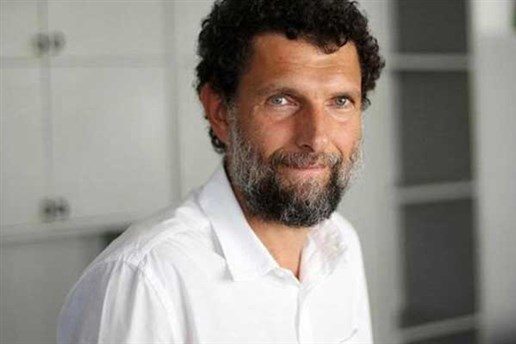
The Turkish government’s failure to comply with a binding European Court of Human Rights order to release the human rights defender Osman Kavala should prompt Council of Europe action against Turkey, Human Rights Watch, the International Commission of Jurists, and the Turkey Human Rights Litigation Support Project said today.
The three nongovernmental organizations presented the recommendation in a submission to the Committee of Ministers, the Council of Europe’s intergovernmental body responsible for overseeing the implementation of European Court of Human Rights judgments. The committee is to review Turkey’s noncompliance with the Strasbourg court’s judgment on Kavala’s case for the fourth time at its March 9-11, 2021 session. Kavala has been held in pretrial detention since November 2017.
“Turkey’s flagrant disregard for the European Court of Human Rights order to release Osman Kavala should trigger the Council of Europe Committee of Ministers to start infringement proceedings against Turkey,” said Aisling Reidy, senior legal adviser at Human Rights Watch. “It is crucial for the Committee of Ministers, at its March session, to leave the Turkish government in no doubt that European Court of Human Rights judgments are binding on Turkey and that persistent failure to implement the ruling in Osman Kavala’s case constitutes a serious breach requiring exceptional measures.”
The Committee of Ministers may opt to take infringement proceedings against a Council of Europe member state that refuses to implement European Court of Human Rights judgments. It was used for the first time in 2017 when the government of Azerbaijan continuously refused to secure the unconditional release of a wrongfully jailed opposition politician, Ilgar Mammadov.
Infringement proceedings are provided for under Article 46/4 of the European Convention on Human Rights (ECHR). Their commencement requires the vote of two-thirds of the Committee of Ministers. Once the process is triggered, the case is referred back to the European Court of Human Rights for a further opinion on the legally binding obligation to comply. If the Court confirms that Turkey has failed to implement the ruling, the Committee of Ministers may then take additional measures, including ultimately suspending Turkey’s voting rights or membership of the Council of Europe.
The Committee of Ministers has already considered the status of Turkey’s compliance with the judgment on multiple occasions, issuing two decisions and, in December 2020, an interim resolution that each strongly urged Turkey to comply with the court’s judgment by unconditionally releasing Kavala.
However, since the December resolution, local courts in Turkey have prolonged Kavala’s detention four more times. A court of appeal has overturned his acquittal in the Gezi Park protests trial, and Turkey’s Constitutional Court has also flouted the European Court of Human Rights judgment by finding no violation of Kavala’s right to liberty.
“The Kavala case is emblematic of the crisis facing civil society and the rule of law in Turkey,”. said Helen Duffy of the Turkey Human Rights Litigation Support Project. “We recognize that infringement proceedings are exceptional, but if there is a case where they are justified, it is this one.”
“Turning a deaf ear to the Strasbourg court’s clear order to release and the Committee of Minister’s repeated calls for compliance, Turkey’s government and courts have worked hand in glove to prolong and deepen the crisis and the violation of Mr. Kavala’s rights. Infringement proceedings against Turkey provide the strongest legal mechanism to signal the shame of not complying with European Court of Human Rights’ binding judgments.”
The organizations said in their submission that, throughout the criminal proceedings against him, judges and prosecutors involved have abused criminal procedural rules to unlawfully extend Kavala’s detention based on allegations that he organized and financed the 2013 Istanbul Gezi Park protests and that he was involved in the July 15, 2016 attempted military coup.
A key aspect of this effort has been the practice of different courts over the three years and four months of Kavala’setention successively joining, separating, and rejoining case files against Kavala to justify prolonging his incarceration.
At the most recent local court hearing against Kavala, on February 5, 2021, the Istanbul 36th Assize Court ruled that the case against him concerning the coup attempt should be joined with the Gezi Park protests case, which is before the Istanbul 30th Assize Court. A hearing of the newly joined cases will take place on May 21.
The organizations said in their submission that the decision to merge the proceedings against Kavala voids Turkey’s repeated argument before the Committee of Ministers that Kavala’s current detention is connected to a separate prosecution not covered by the Strasbourg court judgment. The groups also said that the Turkish government needs to address the structural problems raised in the Kavala judgment by revising its action plan to implement the ruling.
“Separating cases or merging them again will not correct the injustice to which Turkey’s courts and government have subjected Osman Kavala for over three years,” said Róisín Pillay, Europe and Central Asia director of the International Commission of Jurists. “This case is part of a systemic practice in which the Turkish courts, which are not independent, apply criminal law and procedures arbitrarily against critics of the government. The action plan needs to address these structural failings in the judicial system.”
The European Court of Human Rights judgment in Kavala v. Turkey is particularly significant because it is the first final ruling of the European Court of Human Rights against Turkey in which the court determined that, in interfering with an individual’s rights, the Turkish judicial authorities served ulterior political motivations, contrary to Article 18 of the ECHR.
The court said that by holding Kavala in pretrial detention since November 2017 and prosecuting him, the Turkish authorities had “pursued an ulterior purpose, namely to silence him as human rights defender.” The court found violations of articles 18 and 5 of the ECHR.
Find the submission here: Turkey-Kavala_v_TurkeyExecution-JointSubmission3-HRWICJTHRLP-2021-ENG
For more Human Rights Watch reporting on Turkey, please visit:
http://www.hrw.org/europecentral-asia/turkey
For more ICJ work on Turkey, please visit:
https://www.icj.org/search/?fwp_search=Turkey&submit=Search
For more on TLSP work, please see:
https://www.turkeylitigationsupport.com/
Türkiye: Osman Kavala’nın haklarının ihlali ağırlaşıyor
Avrupa Konseyi Bakanlar Komitesi Türkiye’ye Yönelik İhlal Prosedürünü Başlatmalıdır
İnsan Hakları İzleme Örgütü, Uluslararası Hukukçular Komisyonu ve Türkiye İnsan Hakları Davalarına Destek Projesi, Türkiye hükümeti tarafından Avrupa İnsan Hakları Mahkemesi’nin insan hakları savunucusu Osman Kavala’nın serbest bırakılması kararına uyulmamasının, Avrupa Konseyi tarafından Türkiye’ye yönelik işlem yapılmasını gerektirdiğini belirtti.
Üç sivil toplum kuruluşu, Avrupa İnsan Hakları Mahkemesi kararlarının uygulanmasını denetlemekten sorumlu Avrupa Konseyi hükümetler arası organı olan Bakanlar Komitesi’ne tavsiyeler içeren bir bildirimde bulundu. Bakanlar Komitesi, 9-11 Mart 2021 tarihli oturumunda Türkiye’nin AİHM’in Kavala başvurusuna ilişkin kararını uygulamamasını dördüncü kez gözden geçirecek. Kavala, Kasım 2017’den bu yana tutuklu.
İnsan Hakları İzleme Örgütü Kıdemli Hukuk Danışmanı Aisling Reidy, “Türkiye’nin, Avrupa İnsan Hakları Mahkemesi’nin Osman Kavala’nın serbest bırakılması kararını açıkça göz ardı etmesi, Avrupa Konseyi Bakanlar Komitesi’ni Türkiye’ye karşı ihlal prosedürünü başlatmaya yöneltmelidir” dedi. Reidy, “Bakanlar Komitesi’nin Mart ayında yapacağı oturumda, Türkiye hükümetinde şüpheye yer bırakmayacak şekilde Avrupa İnsan Hakları Mahkemesi kararlarının Türkiye için bağlayıcı olduğunu ve Osman Kavala başvurusunda kararın yerine getirilmemesinin istisnai önlemler gerektiren ciddi bir ihlal teşkil ettiğini ortaya koyması çok önemlidir.” dedi.
Bakanlar Komitesi, Avrupa İnsan Hakları Mahkemesi kararlarını yerine getirmeyi reddeden bir Avrupa Konseyi üyesi devlete karşı ihlal prosedürünü başlatmayı tercih edebilir. İhlal prosedürü ilk olarak 2017’de, haksız yere hapsedilen muhalif politikacı Ilgar Mammadov’un koşulsuz olarak serbest bırakılmasının Azerbaycan hükümeti tarafından sürekli olarak reddedilmesi üzerine uygulanmıştı.
Bu prosedür, Avrupa İnsan Hakları Sözleşmesi’nin (AİHS) 46/4. maddesinde düzenlenmekte olup,başlatılması Bakanlar Komitesi’nin üçte ikisinin oyunu gerektirmekte. Prosedür başlatıldıktan sonra, dava hukuken bağlayıcı olan karara uyma yükümlülüğü hakkında görüş sunması için Avrupa İnsan Hakları Mahkemesi’ne geri gönderilir. Mahkeme, Türkiye’nin kararı yerine getirilmediğini doğrularsa, Bakanlar Komitesi Türkiye’nin nihayetinde oy haklarını veya Avrupa Konseyi üyeliğini askıya almaya varan ek önlemler alabilir.
Bakanlar Komitesi, halihazırda Türkiye’nin kararı uygulayıp uygulamadığını birden fazla kez değerlendirerek bu konuda iki karar verdi. Komite bu kararlarında ve Aralık 2020’de verdiği ara kararda Türkiye’yi AİHM’nin Kavala’nın koşulsuz olarak serbest bırakılması kararına uymaya çağırdı.
Ancak Aralık’ta verilen ara karardan bu yana Türkiye’deki yerel mahkemeler Kavala’nın tutukluluğunu dört kez daha uzattı. İstinaf mahkemesi, Gezi Parkı protestoları davasında Kavala hakkında verilen beraat kararını bozdu. Türkiye’nin Anayasa Mahkemesi de Kavala’nın özgürlük hakkının ihlal edilmediğine karar vererek Avrupa İnsan Hakları Mahkemesi kararını dikkate almamış oldu.
Türkiye İnsan Hakları Davalarına Destek Projesi’nden Helen Duffy, “Kavala davası, Türkiye’de sivil topluma ve hukukun üstünlüğüne yönelik krizin bir simgesidir” dedi. Duffy, “İhlal prosedürünün istisnai olduğunu kabul ediyoruz, ancak bu prosedürün işletilmesini haklı kılacak bir dava varsa, Kavala davası odur. Türkiye hükümeti ve mahkemeleri, Avrupa İnsan Hakları Mahkemesi’nin Kavala’nın serbest bırakılması kararını ve kararın yerine getirilmesi konusunda Bakanlar Komitesi’nin tekrar eden çağrılarını görmezden gelerek bu krizi ve Osman Kavala’nın haklarının ihlalini sürdürmek ve derinleştirmek için birlikte hareket etmiştir. Türkiye aleyhine işetilecek bir ihlal prosedürü, Avrupa İnsan Hakları Mahkemesi’nin bağlayıcı kararlarına uymama utancına işaret eden en güçlü yasal mekanizmayı sunmaktadır.” dedi.
Sivil toplum kuruluşları bildirimlerinde, Osman Kavala’ya karşı açılan ceza davaları süresince ilgili hâkim ve savcıların, 2013 İstanbul Gezi Parkı protestolarını düzenlediği ve finanse ettiği, 15 Temmuz 2016 askeri darbe girişimine müdahil olduğu iddialarına dayanarak Kavala’nın tutukluluğunu hukuka aykırı bir şekilde uzatmak için ceza muhakemesi kurallarını kötüye kullandıklarını ifade etti.
Bu çabanın önemli bir yönü, farklı mahkemelerin Kavala’nın üç yıl dört ay boyunca tutukluluğunun sürdürülmesini meşrulaştırmak için ona karşı açılan dava dosyalarını birleştirmesi, ayırması ve tekrar birleştirmesi uygulaması oldu.
Osman Kavala’nın en yakın tarihli yerel mahkeme duruşması olan 5 Şubat 2021’de, İstanbul 36. Ağır Ceza Mahkemesi, Kavala’ya açılan darbe girişimine ilişkin davanın, İstanbul 30. Ağır Ceza Mahkemesi’nde görülen Gezi Parkı protestoları davasıyla birleştirilmesi gerektiğine karar verdi. Birleşen davaların duruşması 21 Mayıs’ta yapılacak.
Sivil toplum kuruluşları, bildirimlerinde Osman Kavala aleyhindeki davaların birleştirilmesi kararının, Türkiye’nin Bakanlar Komitesi önünde Kavala’nın mevcut tutukluluğunun AİHM kararı kapsamında olmayan ayrı bir dava dolayısıyla olduğu argümanını geçersiz kıldığını belirtti. Kuruluşlar ayrıca, Türkiye hükümetinin, Kavala kararını uygulamak için hazırladığı eylem planını gözden geçirerek kararda değerlendirilen yapısal sorunları ele alması gerektiğini ifade etti.
Uluslararası Hukukçular Komisyonu Avrupa ve Orta Asya Direktörü Róisín Pillay, “Davaları ayırmak veya yeniden birleştirmek, Türkiye mahkemelerinin ve hükümetinin üç yıldan fazla süredir Osman Kavala’yı maruz bıraktıkları adaletsizliği düzeltmeyecektir” dedi. Pillay, “Bu dava, bağımsız olmayan Türkiye mahkemelerinin, hükümeti eleştirenlere karşı ceza yasalarını ve ceza muhakemesi usulünü keyfi olarak kullandığı sistematik uygulamanın bir parçasıdır. Eylem planının yargı sistemindeki bu yapısal bozuklukları ele alması gerekiyor.” dedi.
Kavala/Türkiye kararı, AİHM’in Türkiye yargı makamlarının, bir bireyin haklarına müdahale ederken AİHS’in 18. maddesine aykırı olarak, örtülü siyasi amaçlara hizmet ettikleri tespitinde bulunduğu kesinleşme tarihi bakımından ilk karar olması dolayısıyla özel bir önem taşımaktadır.
Mahkeme kararında, Osman Kavala’yı Kasım 2017’den bu yana özgürlüğünden mahrum bırakıp kovuşturmakla, Türk makamlarının “insan hakları savunucusu olan Kavala’yı susturmak yönünde bir örtülü amaç taşıdıklarını” ifade ederekAİHS’in 18. ve 5. maddelerinin ihlal edildiğini tespit etmişti.
İnsan Hakları İzleme Örgütü’nün Türkiye hakkında daha fazla raporu için:
http://www.hrw.org/europecentral-asia/turkey
Uluslararası Hukukçular Komisyonu’nun Türkiye hakkındaki diğer faaliyetleri için:
https://www.icj.org/search/?fwp_search=Turkey&submit=Search
Türkiye İnsan Hakları Davalarına Destek Projesi’nin çalışmaları için:
https://www.turkeylitigationsupport.com/
Mar 1, 2021 | Cases, News
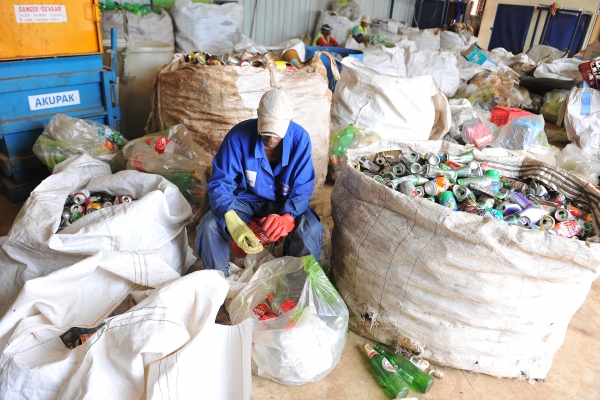
Today, the ICJ will argue in a case before the Johannesburg High Court that the rights to housing and work for persons who work to informally reclaim waste must be protected in line with international law and standards.
Today the International Commission of Jurists will be appearing as an amicus curiae in the matter of Ryckloff-Beleggings (Pty) Ltd v Ntombekhaya Bonkolo and Others. In this matter, the Socio-Economic Rights Institute of South Africa represents over 100 informal waste reclaimers who are opposing an application for eviction from their homes by, Ryckloff-Beleggings (Pty) Ltd, the owner of the property.
The ICJ, represented by Lawyers for Human Rights, is asking the Court to fully consider the impact of any eviction order it grants on the rights to housing and work of the reclaimers and the right to health of both the reclaimers and the broader community, particularly in the context of the ongoing COVID-19 pandemic.
Timothy Fish Hodgson, Legal Adviser on Social, Economic and Cultural Rights at the ICJ said:
“It is inhumane to render people homeless as a result of eviction from their homes, but when doing so also strips them of their ability to make a living, the impact on their dignity is even greater. South Africa has a duty to ensure the protection of the reclaimers’ rights to housing and work.”
Many of the informal reclaimers in this matter have lived on the property for long periods of time and they argue that the eviction will result in them being rendered homeless. Many make a living by collecting, sorting, recycling, and selling valuable materials disposed of as waste at and near their homes.
The land upon which they live is not just their home, but also allows them to make a living. In the South African context job opportunities are scarce with an official unemployment rate as high as 32.5 percent.
The ICJ brief calls on the Court to take account of international human rights law relating to the right to work, and South Africa’s international legal obligations and its own domestic law in terms of the right to housing.
In the event of their eviction being permitted by the Court, the reclaimers seek the provision of alternative accommodation which will not deprive them of their ability to make a living, a request which the ICJ contends is consistent with the requirements of international human rights law.
Thandeka Chauke, ICJ’s legal representative in this matter and an Attorney at Lawyers for Human Rights said:
“Especially in light of the economic devastation brought on by the COVID-19 pandemic, it is essential that Courts act as guardians of the human rights of the marginalized in our society. Informal reclaimers’ role in our society should be recognized and they should not be stripped of their homes and livelihoods without sufficient effort being made by government to come to their aid.”
For the ICJ’s heads of arguments, click on ICJ_Amicus_Curiae_Heads_of_Argument_Ryckloff.
For more information about the case, click here.
CONTACT:
Timothy Fish Hodgson, Legal Adviser on Social, Economic and Cultural Rights, e: timothy.hodgson@icj.org
Tanveer Rashid Jeewa, Communications and Legal Officer, e: tanveer.jeewa@icj.org
Mar 1, 2021 | Advocacy, News
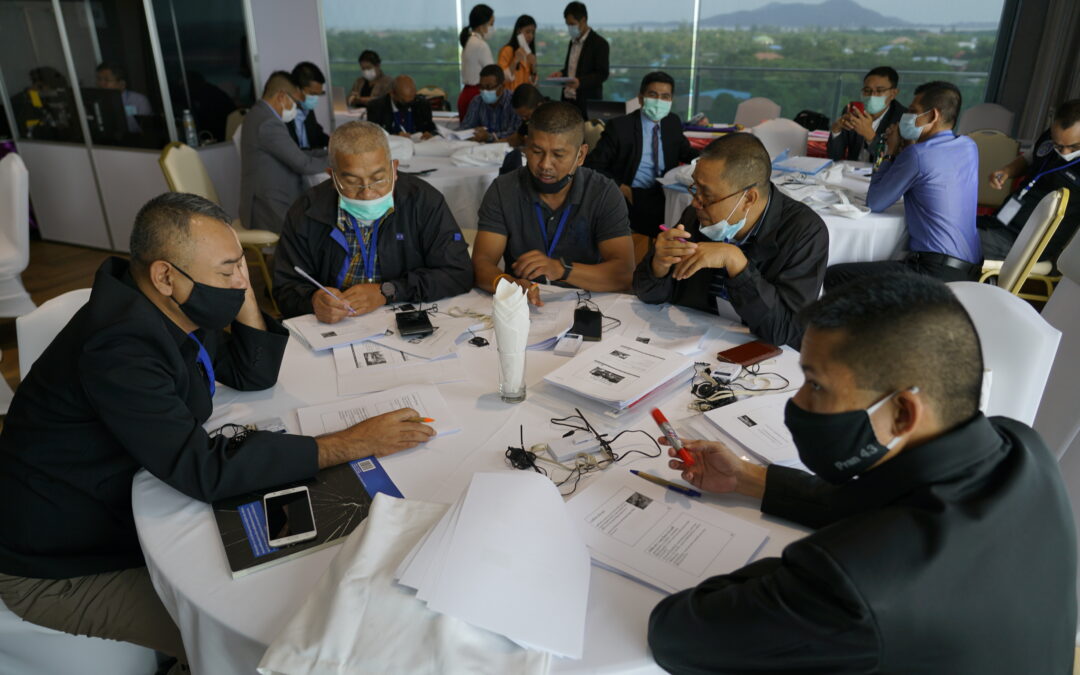
Between December 2020 and February 2021, the ICJ co-hosted a series of workshops for government authorities, medical professionals and lawyers in the southern border provinces of Thailand on how to conduct investigations into alleged unlawful killings and enforced disappearances.
Thailand’s southern border provinces of Pattani, Yala, Narathiwat and four districts of Songkhla have been affected by a longstanding ethno-nationalist insurgency, which has involved conflict between certain Malay groups and Thai military and security forces. Special security laws have been enacted and applied to the deep south. Over recent years, there are reports of widespread human rights violations, including violations of due process and fair trial rights, torture, ill-treatment while in custody, arbitrary detention and extrajudicial killings continue to emerge. Investigations into these allegations, prosecutions of perpetrators and provision of remedies and reparations to victims remain slow.
The first workshop was organized between 21 and 22 December 2020 in Songkhla province for authorities from Thailand’s southern border provinces. The event focused on how investigations into unlawful deaths should be conducted in accordance with international human rights law and standards, with a particular focus on the revised Minnesota Protocol (2016), which the ICJ assisted in producing.
The workshop was co-hosted with Thailand’s Ministry of Justice, the Embassy of New Zealand in Bangkok, and the United Nations Office of the High Commissioner for Human Rights (OHCHR). The participants included 48 judges, public prosecutors, police investigators, representatives of the Ministry of Justice’s Department of Special Investigation (DSI), the National Anti-Corruption Commission (NACC), the Narcotics Control Board (ONCB) and observers from the Internal Security Operations Command (ISOC) Region 4 Forward.
The second workshop was organized on 23 and 24 December 2020 in Pattani province for medical professionals in the same region. The event introduced participants to the international human rights law and standards governing the effective investigation and documentation of torture and other ill- treatment, including the revised Minnesota Protocol (2016) and the Istanbul Protocol (1999), and emphasized the important role of medical professionals in the documentation of torture.
The workshop was co-hosted with Thailand’s Ministry of Justice and the OHCHR. The participants included 28 medical professionals from district and military hospitals and detention centres.
Between January and February 2021, the ICJ also developed training videos for defence lawyers and civil society representatives in the southern border provinces. The videos focused on the use of forensic evidence in cases of alleged unlawful killings and how international human rights law and standards, particularly the revised Minnesota Protocol (2016) and ICJ’s Practitioners’ Guide No. 14, can assist defence lawyers when preparing for criminal proceedings and challenging the forensic evidence of prosecution witnesses.
The project was jointly implemented with the OHCHR, Cross-Cultural Foundation, Muslim Attorney Centre Foundation and the Embassy of New Zealand in Bangkok. Participants included 21 defence lawyers and civil society representatives from Thailand’s southern border provinces.
Speakers at the three workshops included:
- Amornrat Lekvichai, Thailand’s Institute of Forensic Science;
- Badar Fafukh, Human Rights Officer, OHCHR Regional Office for South-East Asia;
- Duangsamorn Chudeechan, Thailand’s Institute of Forensic Science;
- Duarte Nuno Vieira, Full Professor, Faculty of Medicine, University of Coimbra and Chairman of the Scientific Advisory Board of the International Criminal Court;
- Gisle Kvanvig, Head of UN Police Secretariat, Norwegian Center for Human Rights;
- Howard Varney, Senior Programme Advisor, International Center for Transitional Justice;
- Ivar Fahsing, Expert on investigation and Human Rights, Norwegian Center of Human Rights;
- Porntip Rojanasunan, member of the Expert Advisory Panel of the revision of the Minnesota Protocol;
- Sanhawan Srisod, ICJ Associate Legal Adviser;
- Stephen Cordner, Professor Emeritus, Department of Forensic Medicine, Monash University and editor of the Forensic Science sections of the 2016 Minnesota Protocol;
- Steve Wood, Senior Liaison Officer and Regional Coordinator, New Zealand Police National HQ;
- Stuart Casey-Maslen, Honorary Professor, Faculty of Law, University of Pretoria and Research Coordinator of the Minnesota Protocol;
- Thomas Wenzel, Full Professor, Faculty of Medicine, University of Vienna; and
- Vitit Muntarbhorn, Professor Emeritus, Faculty of Law, Chulalongkorn University and Former ICJ Commissioner.
The workshops are part of the ICJ’s ongoing efforts under the Global Accountability Initiative to ensure the domestic implementation of international law and standards on the investigation of potentially unlawful deaths and enforced disappearances.
In Thailand, since 2017, the ICJ has held several national and regional-level workshops on the same topics with justice sector actors, defence lawyers and civil society representatives.
Contact
Sanhawan Srisod, ICJ Associate Legal Adviser, Asia & the Pacific Programme, e: sanhawan.srisod(a)icj.org
Kingsley Abbott, ICJ Director, Global Redress and Accountability; e: kingsley.abbott(a)icj.org
See also
Thailand: launch of the revised Minnesota Protocol