Jul 5, 2018 | Incidencia
Declaración conjunta de la CIJ y 91 otras organizaciones durante un debate general en el Consejo de Derechos Humanos de la ONU.
“Una espiral que parece no tener fin”: así es como un grupo de expertos de la ONU, incluyendo los Relatores Especiales sobre alimentación, vivienda y pobreza extrema, categorizaron la situación en Venezuela en enero de este año.
También es el título de un informe presentado por la Oficina del Alto Comisionado el pasado 22 de junio, que pinta un cuadro devastador de detenciones arbitrarias y ejecuciones extrajudiciales, junto con una severa escasez de alimentos y medicinas esenciales.
Una madre venezolana, entrevistada por la Oficina del Alto Comisionado, dijo:
“Tengo una bebé que llora y llora porque no puedo darle de comer. La leche infantil cuesta tres millones de bolívares y mi esposo solo gana 1,2 millones al mes. (…) Los vecinos me han dicho que si no voto por el Gobierno me quitarán la comida, el bono en efectivo y la casa. Controlan la autoridad electoral, y por eso saben por qué partido votas”.
El Consejo de Derechos Humanos de la ONU no puede mirar hacia otro lado. Venezuela está descendiendo en espiral hacia una crisis humanitaria y de derechos humanos que requiere una respuesta urgente.
La arremetida contra opositores continúa. El pueblo ha perdido, en promedio, 11 kilos en 2017.
La mayoría de los venezolanos se van a dormir con hambre, y según ACNUR, más de 1.5 millones de venezolanos han huido del país, por razones que incluyen persecución política, violencia y la crisis humanitaria.
El resultado es un incremento de 2000% en solicitudes de asilo registradas en Latinoamérica desde 2014, y cientos de miles que permanecen en situación irregular, lo que aumenta su vulnerabilidad.
La declaración conjunta pronunciada hoy por Perú en nombre de 53 países se suma a las expresiones internacionales de preocupación.
El Consejo de Derechos Humanos también debe alzar su voz y abordar las violaciones de derechos humanos que sufre el pueblo venezolano, y que son cometidas por un miembro de este Consejo.
Instamos al Alto Comisionado a seguir informando sobre la situación en Venezuela y esperamos que la declaración conjunta de hoy lleve a una investigación internacional, que es indispensable y ya ha sido solicitada por el Alto Comisionado.
Acceso a la Justicia
Acción Solidaria
ACCSI Acción Ciudadana Contra el SIDA
Action for Solidarity
African Centre for Democracy and Human Rights Studies
ALAPLAF
Ana Belloso
ASOADNA
Asociación Civil Fuerza, Unión, Justicia, Solidaridad y Paz (FUNPAZ)
Aula Abierta
Canada Venezuela Democracy Forum
Cátedra de Derechos Humanos de la Universidad Centrooccidental Lisandro Alvarado
Center for Justice and International Law
Centro de Acción y Defensa por los Derechos Humanos – Cadef
centro de Derechos Humanos de la Universidad Metropolitana (CDH-UNIMET)
Centro de Derechos Humanos, Universidad Católica Andrés Bello
Centro de Documentación en Derechos Humanos “Segundo Montes Mozo S.J.” (CSMM)
Centro de Formación para la Democracia (CFD Venezuela)
Centro de Justicia y Paz – CEPAZ
Centro de Promoción y Defensa de los Derechos Sexuales y Reproductivos – PROMSEX
Centro para la Paz y los DDHH de la Universidad Central de Venezuela
Centro para la Paz y los DDHH Universidad Central de Venezuela
Centro Regional de derechos Humanos y Justicia de Genero: Corporación Humanas
Cisfem
CIVICUS
Civilis Derechos Humanos
Clínica Jurídica de Migrantes y Refugiados de la Universidad Diego Portales
Codevida
Comisión de Derechos Humanos de la Facultad de Ciencias Jurídicas y Políticas de la Universidad del Zulia
Comisión de Derechos Humanos de la Federación de Colegios de Abogados de Venezuela del Estado Tachira
Comisión para los Derechos Humanos del estado Zulia, Codhez
Comisión para los Derechos Humanos y la Ciudadanía (CODEHCIU)
COMITE POR UNA RADIOTELEVISIÓN DE SERVICIO PÚBLICO
Conectas Direitos Humanos
Convite AC
Coordinadora Nacional de Derechos Humanos
Defensa y Justicia Carabobo
Defiende venezuela
Dejusticia
Epikeia, Observatorio Universitario de Derechos Humanos
Espacio Público
EXCUBITUS derechos humanos en educacion
FADNNA
Federación interamericana de Abogados capitulo Venezuela seccional Anzoategui
Foro Penal
Franciscans International
Fundacion Aguaclara
Fundación Espacio Abierto
FUNDACION ETNICA INTEGRAL
Fundación Niños, Niñas y Adolescentes
Fundación para el Debido Proceso (DPLF)
Fundamujer
Humano Derecho Radio Estacion
Human Rights Watch
Iniciativa Por Venezuela
Institute on Race, Equality and Human Rights
International Commission of Jurists
International Movement Against All Forms of Discrimination and Racism (IMADR)
International Service for Human Rights
Ipys Venezuela
Juventud Unida en Acción
Laboratorio de Paz
Madres de Soacha (Colombia)
María Estrella de la Mañana
Maria Eugenia
Misión Scalabriniana Ecuador
Monitor Social A.C. (Venezuela-Edo. Nva Esparta)
Movimiento Vinotinto
Mulier
Observatorio de Derechos Humanos de la Universidad de Los Andes
Observatorio Venezolano de Conflictividad Social (OVCS)
Observatorio Venezolano de la Salud
Organización StopVIH
PADF Honduras
Padres organizados de Venezuela
Paz y Esperanza
Pedro Luis Echeverria
PEDRO NIKKEN
Prepara Familia
Promoción Educación y Defensa en DDHH (PROMEDEHUM)
Revista SIC del Centro Gumilla
Robert F Kennedy Human Rights
Seguridad en Democracia (SEDEM)
Sin Fronteras IAP
Sinergia, Red Venezolana de Organizaciones de la Sociedad Civil
Thais Parra
Transparencia Venezuela
UCV
Una Ventana a la Libertad
Unión Afirmativa de Venezuela
Union Vecinal para la Participación Ciudadana A.C
West African Human Rights Defenders Network
World Organisation Against Torture (OMCT)
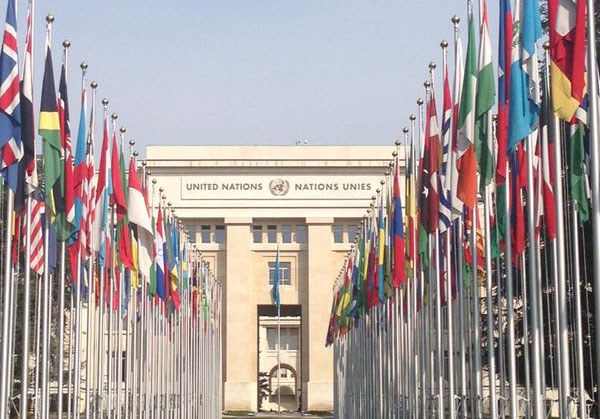
Jul 5, 2018 | Advocacy, Non-legal submissions
The ICJ today joined 91 other NGOs in calling on the UN Human Rights Council to act in response to the downward spiral for human rights in Venezuela.
The joint statement was delivered on behalf of the group by Human Rights Watch during a general debate (check against delivery).
“Spiralling downwards with no end in sight”: That’s how a group of UN Special Procedures, including the Special Rapporteurs on health, adequate housing, extreme poverty and food categorized Venezuela in January of this year. This is also the title of a report released by the OHCHR on June 22, which paints a devastating picture of arbitrary detentions and extrajudicial killings coupled with a severe shortage of food and basic medicines.
One Venezuelan mother interviewed by OHCHR said: “I have a little baby that cries and cries because I can´t feed her. The baby’s milk formula costs 3 million Bolivars and my husband only makes 1.2 million a month. (…) My neighbours told me that if I don’t vote for the Government they will take the food, the cash bonus and my house from me. They control the electoral authority, so they know for which party you vote.”
The UN Human Rights Council can no longer look away. Venezuela has spiralled into a human rights and humanitarian crisis that demands urgent action. The crackdown on dissent continues. The population has lost an average of 11 kilos in 2017. Most Venezuelans go to bed hungry, and according to the UNHCR, more than 1.5 million Venezuelans have fled the country, for reasons including political persecution, violence, and the ongoing humanitarian crisis. As a result, a 2,000 percent increase in asylum applications has been recorded across Latin America since 2014, and hundreds of thousands remain in an irregular situation, which increases their vulnerability.
Today’s joint statement delivered by Peru on behalf of 53 States adds to the chorus of international concern. The Human Rights Council also needs to step up and address the human rights violations suffered by the Venezuelan people at the hands of a member of this Council. We encourage continued reporting by the High Commissioner, and hope that today’s joint statement paves the way for the international investigation that the High Commissioner has called for and which is so desperately needed.
Acceso a la Justicia
Acción Solidaria
ACCSI Acción Ciudadana Contra el SIDA
Action for Solidarity
African Centre for Democracy and Human Rights Studies
ALAPLAF
Ana Belloso
ASOADNA
Asociación Civil Fuerza, Unión, Justicia, Solidaridad y Paz (FUNPAZ)
Aula Abierta
Canada Venezuela Democracy Forum
Cátedra de Derechos Humanos de la Universidad Centrooccidental Lisandro Alvarado
Center for Justice and International Law
Centro de Acción y Defensa por los Derechos Humanos – Cadef
centro de Derechos Humanos de la Universidad Metropolitana (CDH-UNIMET)
Centro de Derechos Humanos, Universidad Católica Andrés Bello
Centro de Documentación en Derechos Humanos “Segundo Montes Mozo S.J.” (CSMM)
Centro de Formación para la Democracia (CFD Venezuela)
Centro de Justicia y Paz – CEPAZ
Centro de Promoción y Defensa de los Derechos Sexuales y Reproductivos – PROMSEX
Centro para la Paz y los DDHH de la Universidad Central de Venezuela
Centro para la Paz y los DDHH Universidad Central de Venezuela
Centro Regional de derechos Humanos y Justicia de Genero: Corporación Humanas
Cisfem
CIVICUS
Civilis Derechos Humanos
Clínica Jurídica de Migrantes y Refugiados de la Universidad Diego Portales
Codevida
Comisión de Derechos Humanos de la Facultad de Ciencias Jurídicas y Políticas de la Universidad del Zulia
Comisión de Derechos Humanos de la Federación de Colegios de Abogados de Venezuela del Estado Tachira
Comisión para los Derechos Humanos del estado Zulia, Codhez
Comisión para los Derechos Humanos y la Ciudadanía (CODEHCIU)
COMITE POR UNA RADIOTELEVISIÓN DE SERVICIO PÚBLICO
Conectas Direitos Humanos
Convite AC
Coordinadora Nacional de Derechos Humanos
Defensa y Justicia Carabobo
Defiende venezuela
Dejusticia
Epikeia, Observatorio Universitario de Derechos Humanos
Espacio Público
EXCUBITUS derechos humanos en educacion
FADNNA
Federación interamericana de Abogados capitulo Venezuela seccional Anzoategui
Foro Penal
Franciscans International
Fundacion Aguaclara
Fundación Espacio Abierto
FUNDACION ETNICA INTEGRAL
Fundación Niños, Niñas y Adolescentes
Fundación para el Debido Proceso (DPLF)
Fundamujer
Humano Derecho Radio Estacion
Human Rights Watch
Iniciativa Por Venezuela
Institute on Race, Equality and Human Rights
International Commission of Jurists
International Movement Against All Forms of Discrimination and Racism (IMADR)
International Service for Human Rights
Ipys Venezuela
Juventud Unida en Acción
Laboratorio de Paz
Madres de Soacha (Colombia)
María Estrella de la Mañana
Maria Eugenia
Misión Scalabriniana Ecuador
Monitor Social A.C. (Venezuela-Edo. Nva Esparta)
Movimiento Vinotinto
Mulier
Observatorio de Derechos Humanos de la Universidad de Los Andes
Observatorio Venezolano de Conflictividad Social (OVCS)
Observatorio Venezolano de la Salud
Organización StopVIH
PADF Honduras
Padres organizados de Venezuela
Paz y Esperanza
Pedro Luis Echeverria
PEDRO NIKKEN
Prepara Familia
Promoción Educación y Defensa en DDHH (PROMEDEHUM)
Revista SIC del Centro Gumilla
Robert F Kennedy Human Rights
Seguridad en Democracia (SEDEM)
Sin Fronteras IAP
Sinergia, Red Venezolana de Organizaciones de la Sociedad Civil
Thais Parra
Transparencia Venezuela
UCV
Una Ventana a la Libertad
Unión Afirmativa de Venezuela
Union Vecinal para la Participación Ciudadana A.C
West African Human Rights Defenders Network
World Organisation Against Torture (OMCT)
Jul 4, 2018 | Advocacy, Non-legal submissions
The ICJ today urged accountability for and the need to address the root causes of violations of human rights of Rohingya people in Myanmar, at the UN in Geneva.
The statement was made in an interactive dialogue with the UN High Commissioner for Human Rights, on his oral update on the situation, at the Human Rights Council.
The statement read as follows:
“The Government of Myanmar is duty-bound to investigate, prosecute and punish perpetrators of human rights violations. Yet impunity at domestic level necessitates international action: to secure criminal accountability, to provide redress and to deter repetition of crimes under international law.
In May, the government announced a new inquiry into rights violations in Rakhine State. Its mandate, composition and legal framework remain unclear – and there is no indication this will be more effective than previous national inquiries – which have not shed light on the facts, have rarely led to prosecutions and have failed to provide redress.
Justice cannot be further delayed. The International Commission of Jurists supports calls for establishing an international accountability mechanism.
It is also imperative to address the laws and practices discriminating against Rohingyas and other minorities, particularly the 1982 Citizenship Law, as recommended by the government’s Rakhine Advisory Commission.
As a UN Member State, Myanmar must fully cooperate with all UN organs. This includes allowing access to the Special Rapporteur, and permitting the UN Human Rights Office to establish in the country with a full mandate.
Quiet diplomacy and downplaying human rights concerns have failed to improve the situation for Rohingyas. UN organs and envoys present in Myanmar must engage in frank and direct dialogue with the Government about ongoing human rights violations – consistent with the UN Charter and the Human Rights Up Front initiative.
Human rights violations are the root cause of this humanitarian crisis. There can be no voluntary and sustainable return of Rohingya refugees without addressing the sources of human rights violations.
Thank you.”
Jun 29, 2018 | Advocacy, Non-legal submissions
The ICJ today highlighted Nepal’s failure to implement recommendations accepted under its Universal Periodic Review, at the United Nations.The statement was made during General Debate on the Universal Periodic Review, at the UN Human Rights Council in Geneva. The statement read as follows:
“The UPR can help ensure that States comply with international human rights standards, but only if accepted recommendations are in fact implemented. Lack of follow-up on States’ implementation after adoption of UPR outcomes allows States to disregard their UPR commitments, undermining the mechanism, as is illustrated by the example of Nepal.
More than two years after its last review, the Government has still not implemented accepted recommendations related to transitional justice and accountability for past human rights violations.
Of particular concern is the continuing failure of the Government to establish credible transitional justice mechanisms to effectively address past human rights violations.
The Truth and Reconciliation Commission and Commission on Investigation of Disappeared Persons continue to fall short of international standards, both in constitution and operation.
The recently published draft bill on transitional justice provides for short-term community service as an alternative punishment for perpetrators convicted of international crimes, including torture and enforced disappearance. Such manifestly inadequate punishment would constitute a form of impunity.
Furthermore, the establishment of a special court under the bill will not be effective unless crimes such as torture, enforced disappearance, war crimes and crimes against humanity are criminalized in national law in accordance with international standards.
The ICJ urges the Council to adopt measures to ensure effective implementation of accepted UPR recommendations.”
Jun 29, 2018 | Advocacy, Non-legal submissions
The ICJ today raised concerns for the independence of the judiciary in Serbia, in a statement to the United Nations.
The statement was delivered during the discussion of the outcome of the Universal Periodic Review (UPR) of Serbia, at the UN Human Rights Council in Geneva.
It read as follows:
“The International Commission of Jurists (ICJ) congratulates Serbia on the completion of its Third Cycle Universal Periodic Review.
The ICJ welcomes the acceptance by Serbia of all recommendations to strengthen the rule of law and judicial independence, including by limiting political influence over judicial appointments (Norway, 6.1; Sweden, 6.2; France, 6.3; Australia, 6.20; Germany, 6.22; Morocco, 6.23; Estonia, 6.24; Republic of Korea, 6.25; Singapore, 6.26; Canada, 6.27).
The ICJ regrets, however, that constitutional amendments currently under discussion in Serbia run counter to these recommendations.
The amendments would empower the National Assembly to determine appointments and dismissals of judges of the Constitutional Court, as well as for half of the members of the High Judicial Council, five members of the High Prosecutorial Council, the Supreme Public Prosecutor and public prosecutors.
The independence and autonomy of the Constitutional Court, High Judicial Council and State Prosecutorial Council, would be better secured by reducing or eliminating the role of political bodies such as the National Assembly, particularly as regards dismissals.
The ICJ stresses that the judiciary and the prosecution service must exercise their functions free from direct or indirect external influences, threats or interferences, including from the legislative and executive powers.
While welcoming reforms for life tenure of judges and deputy prosecutors, the ICJ urges Serbia to implement the accepted recommendations by precluding involvement of the National Assembly in the appointment and dismissal of judges, court presidents, public prosecutors, and deputy public prosecutors.”