Dec 14, 2012
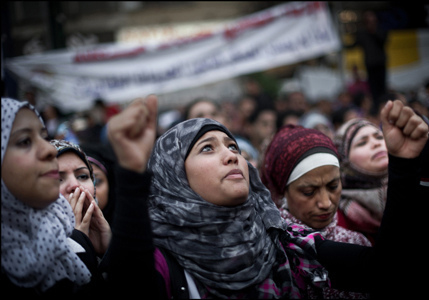 The ICJ today expresses its grave concern regarding the draft Constitution and the constitutional referendum to be held on 15 December 2012 and 22 December 2012.
The ICJ calls upon the Egyptian authorities to ensure the right of Egyptians to fully participate in the constitution-making process in pursuit of their democratic aspirations.
In a new legal briefing paper, the ICJ analyses key provisions of Egypt’s draft Constitution in light of international human rights and rule of law standards.
“The draft Constitution falls short of international standards, including those concerning the accountability of the armed forces, guaranteeing the independence of the judiciary, and recognizing universally accepted human rights,” said Said Benarbia, ICJ Senior Legal Adviser of the Middle East and North Africa Program. “Further, in the context of deep political instability, providing only two weeks for the public to consider the draft Constitution undermines the right of all Egyptians to make an informed decision about the basic framework of governance and law for their society.”
While the draft Constitution extends the language of Egypt’s 1971 Constitution on human rights, the definition and scope of several human rights are still inconsistent with Egypt’s obligations under international law, the ICJ says.
The draft continues to subject these rights to the limits of laws, without any reference to the content and scope of these limits and whether or not they are necessary in a democratic society.
Such limitations also undermine the constitutional guarantees for the independence of the High Judicial Council, the Constitutional Court and the office of the Public Prosecutor, the ICJ states.
In addition, the draft Constitution perpetuates the use of military courts to try civilians.
“In light of these shortcomings and the failure of the process to meet international standards of inclusive participation, the draft Constitution should be withdrawn, and sufficient time should be given for the drafting of a new constitution that fully represents the views of all Egyptians,” Benarbia added.
Contact:
Saïd Benarbia, Middle East & North Africa Senior Legal Adviser, ICJ, t +41 22 979 3817; e-mail: said.benarbia(at)icj.org
Egypt-Constitution reform process-Analysis brief-2012 (full text in pdf)
See also Egypt: a flawed constitutional reform process
Photo by Pan African News Wire
Nov 30, 2012
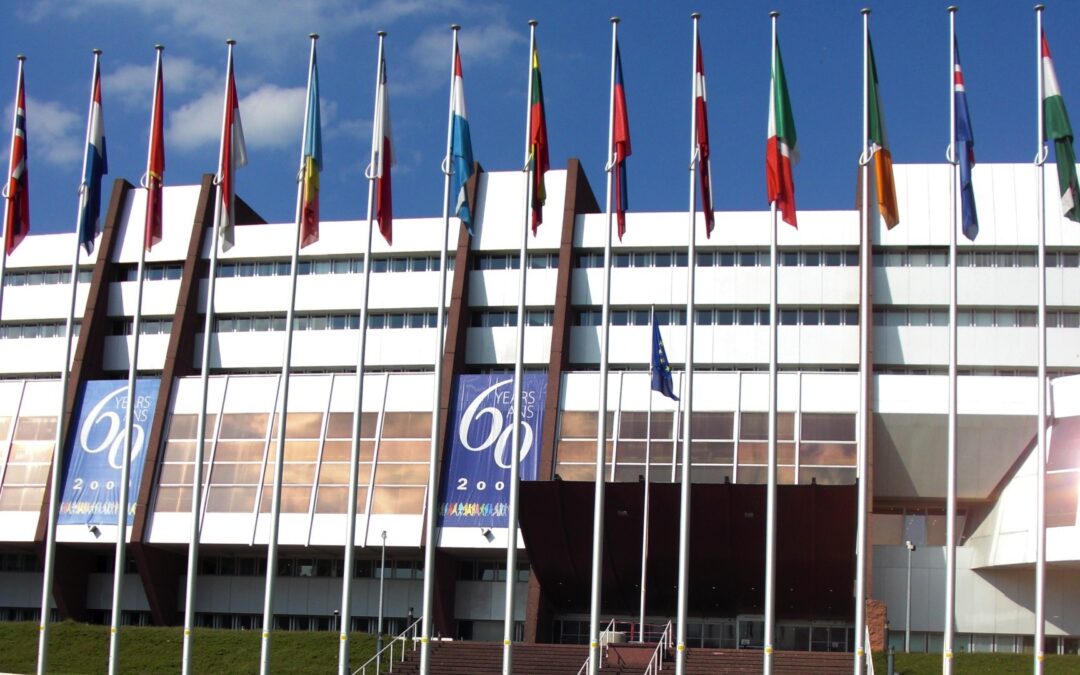
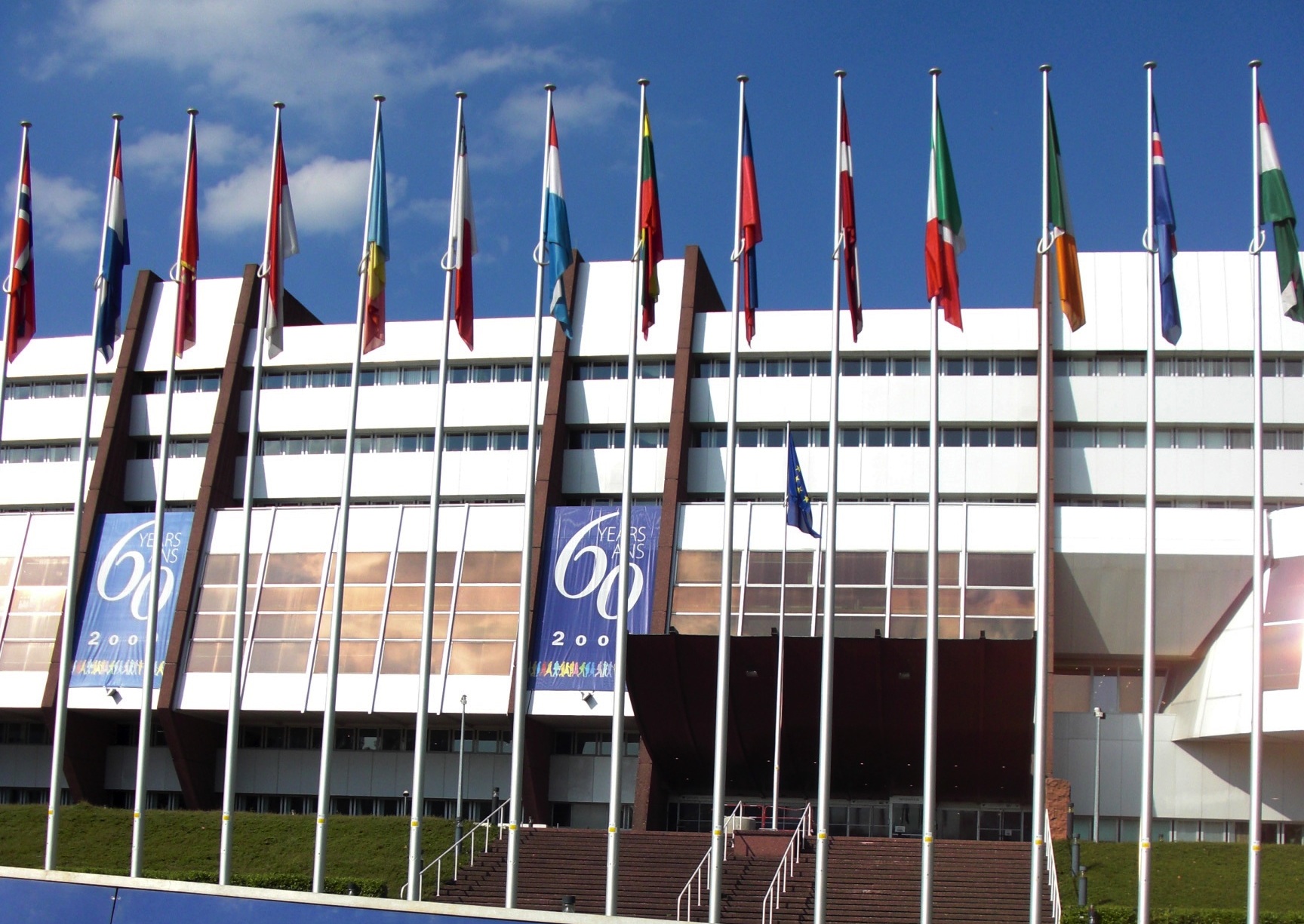 The ICJ welcomed a feasibility study adopted by the Council of Europe Steering Committee on Human Rights on 28 November, which sets out possible options for standard-setting or other work on corporations and human rights.
The ICJ noted that access to justice for victims of corporate abuse of human rights is the aspect of corporations and human rights which is most urgently in need of attention. The jurisprudence of the European Court of Human Rights and the standards developed by the Council of Europe can provide a good basis for further refinement and development of standards, guidance and recommendations for Council of Europe Member States in this field. The ICJ therefore urged the Steering Committee on Human Rights to support the development of Council of Europe standards on access to justice for victims of corporate human rights abuse.
ICJsubmission-CouncilofEurope-Business&HumanRights-advocacy-2012 (download the submission)
Photo credit: © notfrancois (the author has no involvement in nor does support this submission)
Nov 20, 2012
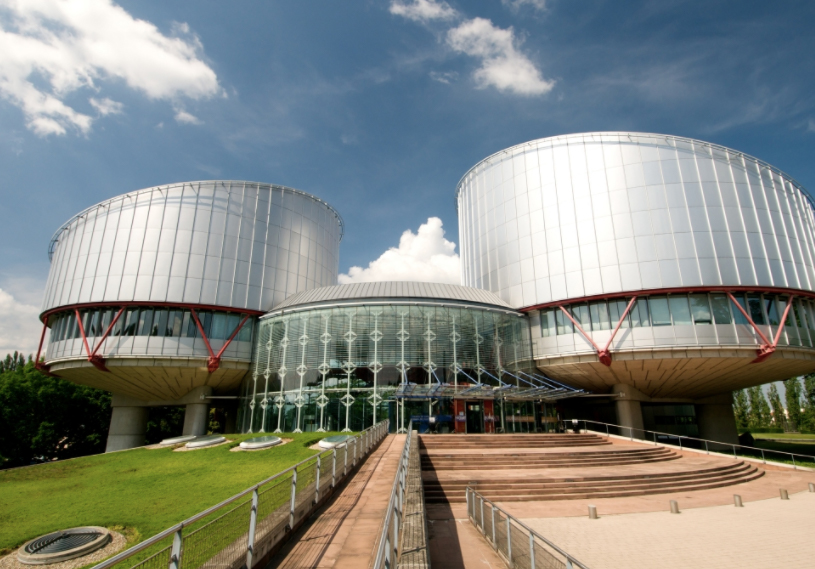
In advance of the 76th meeting of the Steering Committee on Human Rights, the ICJ and nine other NGOs presented comments on the two proposed protocols to the European Convention on Human Rights.
Amnesty International, the AIRE Centre, the European Human Rights Advocacy Centre (EHRAC), the Helsinki Foundation for Human Rights (HFHR), Human Rights Watch, Interights, the International Commission of Jurists (ICJ), JUSTICE, Open Society Justice Initiative and REDRESS commented on Draft Protocols 15 and 16 to the ECHR, which amend the procedure and criteria for applying to the Court, and allow for advisory opinions.
EuropeanCourt-JointSubmission2-Advocacy-2012 (download the submission)

Nov 7, 2012
 The ICJ, Amnesty International and the AIRE Centre submitted written and oral comments to the draft EU accession agreement to the European Convention on Human Rights.
The ICJ, Amnesty International and the AIRE Centre have submitted written and oral observations, in occasion of a civil society consultation meeting of the 47+1 Group in charge of the negotiations on the accession of the European Union to the European Convention on Human Rights. The observations focussed on issues of jurisdiction, responsibility, intervention, on the possible prior involvement of the Court of Justice of the European Union, on the mechanism of co-respondence in cases involving the EU, and on the system of participation of the EU in the Committee of Ministers of the Council of Europe
CoE-EUaccessionECHR-NGOsubmissions-2012 (download the joint submission)
Photo credit: © Yanni Koutsomitis (the author of the picture has no involvement in nor does support this submission)
Oct 11, 2012
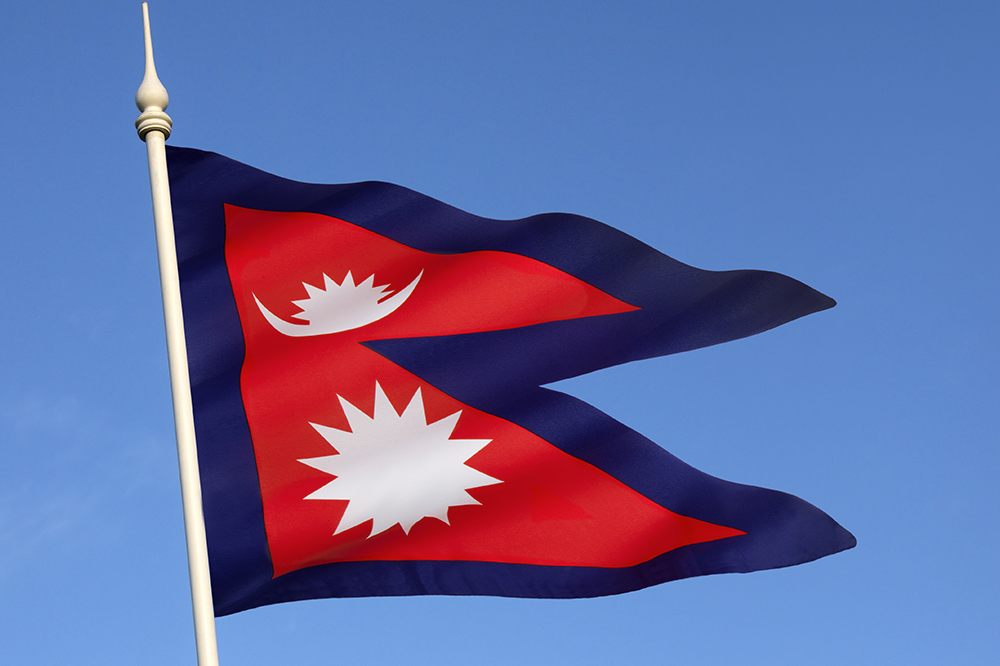
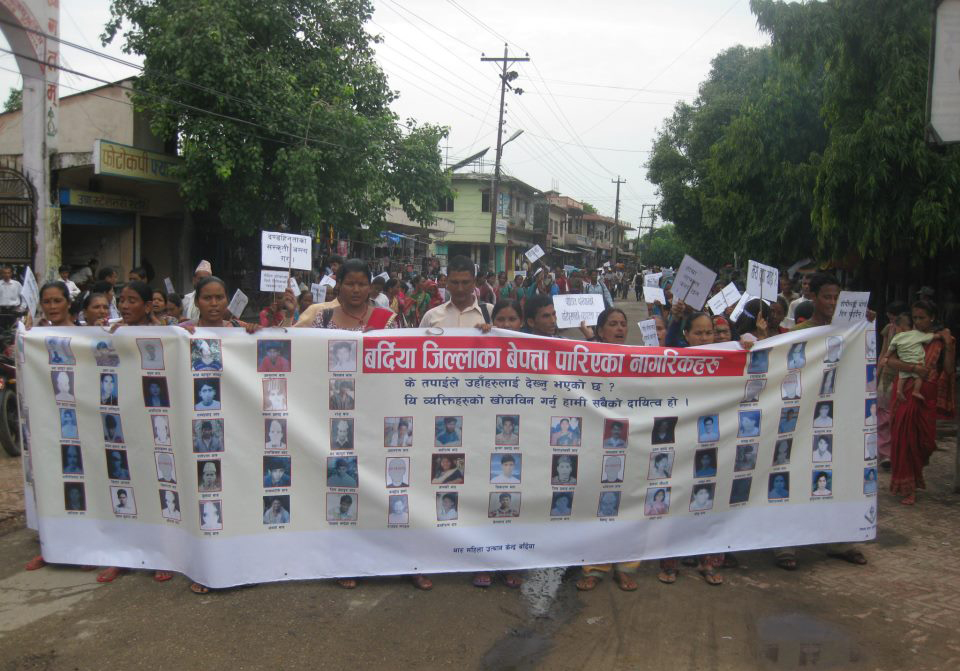 Nepal’s government must ensure accountability for the thousands of violations perpetrated by security forces and Maoists during the country’s civil war, as documented in a new report by the UN, the ICJ said today.
In a Briefing Paper “ Compromising Justice: Nepal’s Proposed Ordinance on Commission on Disappeared Persons, Truth and Reconciliation (2012)” issued today, the ICJ highlighted recent efforts by the Nepali government to undermine accountability by weakening proposed transitional justice mechanisms and promoting suspected violators.
The ICJ also welcomed the report by the Office of the High Commissioner on Human Rights (OHCHR) conflict-era human rights violations, released against the direct protest of the Government of Prime Minister Baburam Bhattarai. The “OHCHR Conflict Report” documents approximately 9000 violations, with responsibility pointing to both the State and the Maoists.
“This sobering report chronicles the devastating human impact of the human rights and humanitarian law violations that continue to burden the victims and their families,” said Sam Zarifi, ICJ’s Asia director. “We applaud the OHCHR but also urge it and the international community to not relegate this report to the shelf, but to ensure that it is introduced at all levels as a basis for advocating for truth, justice, and reparations.”
“This report is all the more important as it comes against the backdrop of systematic efforts by Nepal’s government to avoid accountability and in fact to reward some of those suspected of serious violations,” Zarifi said.
ICJ’s Briefing Paper “ Compromising Justice: Nepal’s Proposed Ordinance on Commission on Disappeared Persons, Truth and Reconciliation (2012)” highlighted the serious shortcomings of a proposed Ordinance issued by the Cabinet that backtracks on previous commitments to justice included in the country’s 2006 Comprehensive Peace Accord, the 2007 Constitution, as well as decisions of the Supreme Court.
ICJ reiterated its strong condemnation of the promotion of Kuber Singh Rana to IGP of the Nepal Police 13 September 2012, and of Raju Basnet to Brigadier General 4 October 2012. Both men have been implicated by the country’s Supreme Court in decisions ordering full investigations of their culpability.
“Instead of supporting the Nepali criminal justice system and the promised transitional justice mechanisms, the Nepali government is actively reneging on its promises to the Nepali people to provide truth, accountability and reconciliation,” Zarifi said.
As reaction has mounted against the promotions by national and international actors, the ICJ also noted with concern the growing climate of intimidation faced by judges, lawyers and human rights defenders.
There are credible reports of intimidating phone calls against those contesting the promotions.
Public demonstrations on 7 and 9 October 2012 were met with unnecessary use of force by the police, including lathi charges resulting in over a dozen injuries.
“Nepal’s international supporters should press the government to meet its commitments and its obligations under international law,” Zarifi said. “Meanwhile, all countries have an obligation to cooperate in investigation and prosecution of any individuals facing credible allegations of serious violations of international human rights law and humanitarian law, including prosecution of suspected perpetrators under the doctrine of universal jurisdiction.”
Contact:
In Kathmandu, for ICJ, Govinda Sharma: t +977-985-106-1167
In Bangkok, for ICJ Asia-Pacific, Sam Zarifi: t +66-807-819-002
Nepal-TJ Ordinance accountability-analysis brief-2012