Oct 31, 2019 | News
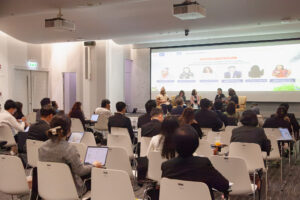
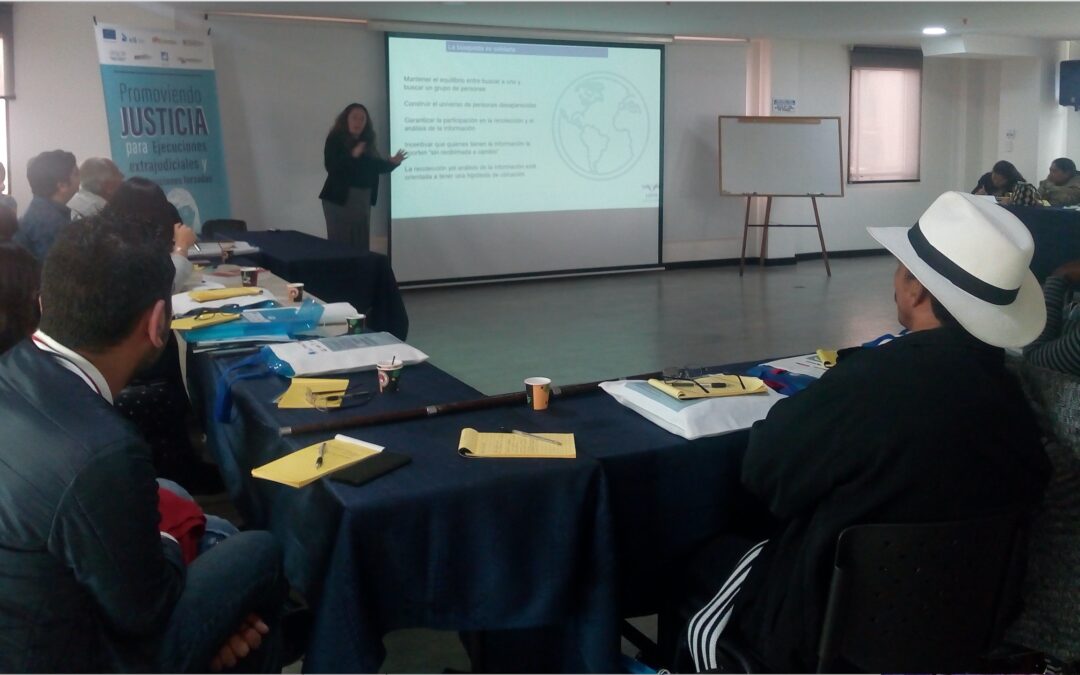
On 29-30 October the ICJ, in partnership with dhColombia and the Argentine Forensic Anthropology Team (EAAF), hosted a two-day training workshop in Bogotá on the legal framework around enforced disappearance and extrajudicial killings.
The training aimed to improve the understanding of victims and human rights lawyers of the domestic law on extrajudicial killings and enforced disappearances in Colombia. It included an analysis of both the ordinary justice system, as well as transitional justice mechanisms. It also explored the role of the forensic sciences in tackling impunity for those crimes.
The ICJ in furtherance of its objective to promote accountability, justice and the rule of law in Colombia, has been continuously monitoring the investigation and prosecution of serious human rights violations and abuses, particularly extrajudicial killings and enforced disappearances. Perpetrators of such violations, which constitute crimes under international law, have enjoyed a high level of impunity. While there are numerous unresolved cases dating back to the 1970s, violations have continued even after a comprehensive peace agreement was signed in 2016 following decades of armed conflict.
In Colombia, achieving accountability for those crimes has proven difficult for several reasons, including the ineffective functioning of the justice system. Victims and their lawyers have faced serious obstacles in gaining access to effective remedies. In addition, the creation of new institutions by the Peace Agreement has changed some basic rules and procedures for the investigation and prosecution of those crimes. Consequently, the Colombian justice system is more complicated to understand not only for victims but for lawyers.
The training workshop was part of a broader regional project addressing justice for extrajudicial killings and enforced disappearances in Colombia, Guatemala and Peru. Participants were victims and human rights lawyers from different regions of the country, especially those where that is less opportunity to access legal and forensic training. Considering that capacity building activities are essential to the effective achievement of accountability, it is expected that participants of the training will obtain valuable tools to demand justice and remedy and reparations for serious human rights violations.
Contacts:
Rocío Quintero M, Legal Adviser, Latin America. Email: rocio.quintero(a)icj.org
Carolina Villadiego, ICJ Legal and Policy Adviser, Latin America, and Regional Coordinator of the Project. Email: carolina.villadiego(a)icj.org
Oct 30, 2019 | News
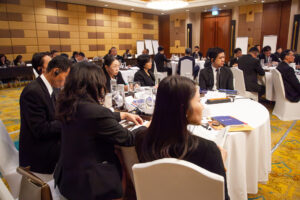
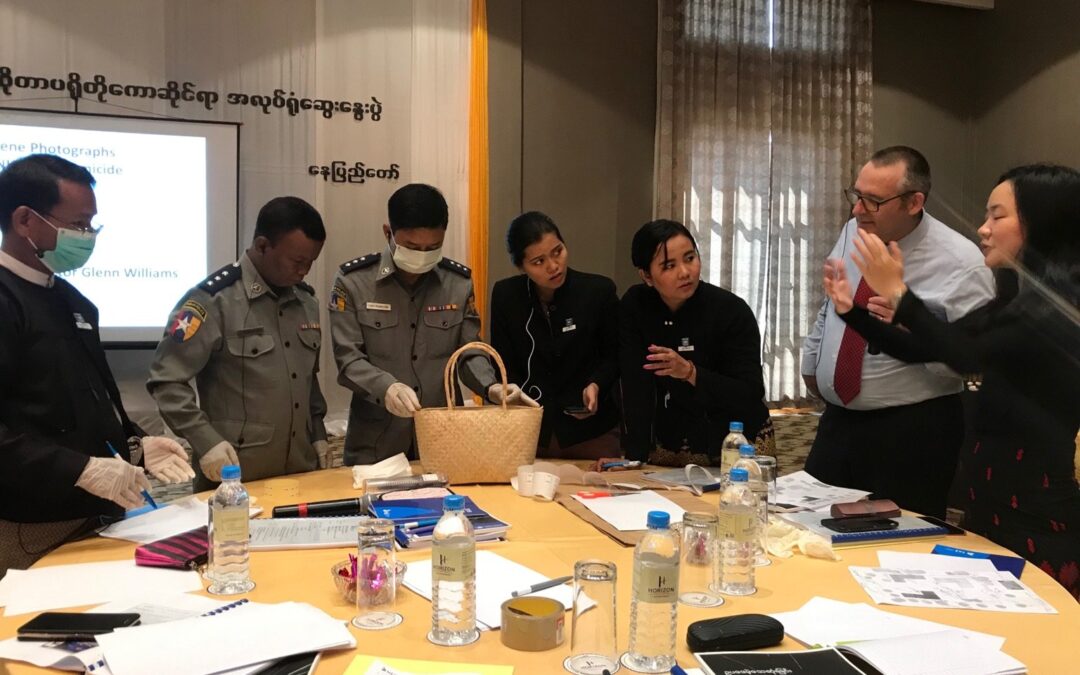
The ICJ hosted a two-day workshop on 28-29 October 2019 in Myanmar’s capital, Nay Pyi Taw. Organized jointly with the Union Attorney General’s Office (UAGO), 15 prosecutors and ten members of the Myanmar Police Force attended this event, entitled “Workshop on the Minnesota Protocol.”
Participants included persons involved in the conduct of criminal investigations, as well as senior members with oversight of their work. The workshop was opened with remarks by His Excellency U Win Myint, Deputy Attorney General of the UAGO, and Sean Bain, Legal Adviser for the ICJ in Myanmar. Both speakers underscored the importance of conducting effective investigations according to international standards.
The Minnesota Protocol provides guidance on the State’s implementation of its duty under international law to effectively, thoroughly and impartially investigate potentially unlawful killings, including when State actors may have been involved. It applies to deaths under custody, suspicious deaths, and suspected cases of enforced disappearance. The workshop takes place in a context in which Myanmar has experienced well documented and widespread incidences of such unlawful killings amounting to serious crimes under international law.
An overview of the international human rights law framework was provided by ICJ Associate Legal Adviser Jenny Domino, highlighting how the conduct of prompt, effective and impartial investigations into unlawful killings is a core component of the State’s obligation to uphold the right to life, binding on all States under international law. ICJ Legal Researcher Ja Seng Ing provided an overview of the contents of the Minnesota Protocol, including a discussion of its 2016 revision to align it with contemporary norms and practices.
Glenn Williams, an experienced international criminal investigator and Detective Inspector (Retired) of the New Zealand Police Force explained how to properly secure a crime scene and chain of custody in order to preserve the integrity of the evidence. Participants applied these skills in a group exercise based on a real-life case from the Solomon Islands. He also presented on the proper conduct of witness interviews, emphasizing the need to frame questions in a manner that would avoid the re-traumatization of victims. Glenn Williams further shared the investigative challenges of dealing with telecommunications evidence from his time at the Special Tribunal for Lebanon.
Dr. Porntip Rojanasunan, a forensic pathologist in Thailand and Member of the Expert Advisory Panel during the Minnesota Protocol revision process, shared her forensic expertise through illustrative cases that she had worked on in Southeast Asia in the past two decades. Dr Porntip stressed the importance of forensic pathology in determining the true cause of death. She also emphasized the importance of conducting an autopsy in potential cases of human rights violations.
The workshop is part of the ICJ’s ongoing promotion of international human rights law and standards globally. In Asia, this has included engagement with Myanmar authorities as well as authorities in neighboring countries.
See also:
Myanmar: ICJ discusses the Minnesota Protocol with prosecutors
ICJ Oral statement in the interactive dialogue with the fact finding mission on Myanmar
Report: Achieving Justice for Gross Human Rights Violations in Myanmar
Related material:
Minnesota Protocol (English)
Minnesota Protocol (unofficial Burmese translation)
Oct 25, 2019 | News
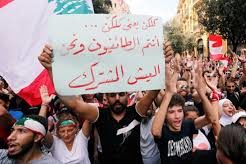
Today the ICJ condemned the response of Lebanese security forces to predominantly peaceful protests that erupted across Lebanon on 17 October following the government’s attempt to introduce a daily tariff on voice calls made through applications such as WhatsApp.
The ICJ called on the Lebanese authorities to respect and protect the right of protestors to peaceful assembly and freedom of expression; to refrain from using unlawful force to disperse protests and ill-treatment of protestors and; to effectively investigate and ensure accountability for any abuses committed in connection with the protests.
Security forces in Lebanon have employed excessive and unlawful force against protestors, amid nationwide dissent over Lebanon’s worsening economic crisis.
NGOs and video footage circulating on news and social media platforms document a number of disproportionate measures used to disperse crowds and quell the unprecedented protests, including by firing tear gas, beating protestors and forcefully removing them from their peaceful sit-ins.
“The Lebanese authorities must ensure the effective investigation and prosecution of all abuses committed in the context of these protests by State or Non-state actors, including the arbitrary use of force, arrests and ill-treatment,” said Said Benarbia.
With respect to the use of force, the Lebanese authorities are bound by international law and standards, which stipulate that the use of force by law enforcement officials is only permissible when it is a last resort, is strictly necessary and is used to the extent required for the performance of their duty.
Attacks by armed groups affiliated with the Amal Movement and Hezbollah have also been reported by local organizations and media.
At least 15 protesters were injured in Nabatieh and six persons in Riad al-Solh and admitted to hospital. Additional violent attacks on protesters, allegedly attributed to the Amal Movement, also took place in the city of Soor.
Background
The protests purportedly broke out in response to years of rampant corruption, unemployment and poverty.
By 18 October, protests were characterized by calls to oust governmental authorities perceived as Lebanon’s ruling elite, including the president, government and legislative authority, and fundamental change to the sectarian political system.
In an attempt to diffuse the increasingly tense situation and appease protestors, Prime Minister Saad Hariri announced the adoption of a raft of economic reforms on 21 October.
Anti-government protests however, which have now entered their ninth consecutive day, have gained considerable momentum.
Lebanon is a party to the International Covenant on Civil and Political Rights and the Arab Charter on Human Rights. Both of these treaties require the State to guarantee and protect the rights to freedom expression and freedom of assembly and freedom from torture and other cruel, inhuman or degrading treatment or punishment, including through the unlawful use of force.
Lebanon-Protests-News-web story (story in Arabic, PDF)
Oct 24, 2019 | News
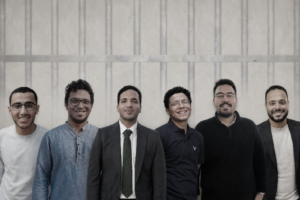
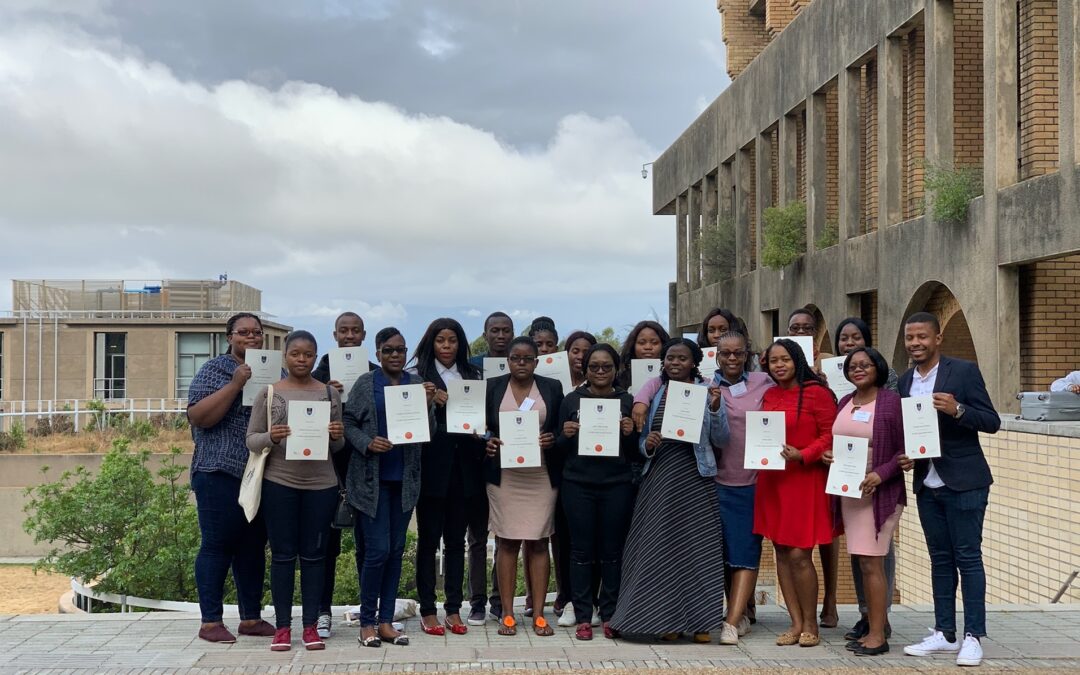
The ICJ in collaboration with the Judicial Institute of Africa (JIFA) and Democratic Governance and Rights Unit (DGRU) convened a three-day training workshop for Zimbabwe court researchers.
The training workshop was held from the 21 to 23 October 2019 at the University of Cape Town, South Africa.
The judicial research programme is an initiative that was established to increase the research capabilities of the researchers, which would in turn improve the jurisprudence emerging from the courts.
Court researchers play a crucial role in the development of Zimbabwean jurisprudence through the work they undertake on behalf of the judges.
Furthermore, the increased efficiency that they bring to the courts allows judges to expend more of their efforts on well-informed analysis and administration of cases.
This brings a better quality of justice and reduces waiting periods for judgments and case backlog.
Arnold Tsunga the Director of the Africa Regional Programme of the ICJ remarked that “given the importance of the space that these researchers occupy, it is important to ensure that their legal knowledge and skills continue to be relevant and comprehensive so that they can provide a service of quality that adequately responds to the needs of judges. This in turn will also contribute to attainment of the UN Strategic Develop Goal (SDG) 16 and 5 on access to justice for all as well as SDG 5 on leaving no one behind.”
The areas of discussion for the three-day training workshop focused on judicial ethics, accessing judgments, accessing research materials, judgment writing and memo writing.
The training workshop was facilitated by judges, university teaching staff, and external resources. Twenty researchers are took part in the training workshop, including 17 women.
Contact
Arnold Tsunga, t: +26377728 3248; e: arnold.tsunga(a)icj.org
Rumbidzai Muyendesi, t: +263771666579; e: rumbidzai.muyendesi(a)icj.org
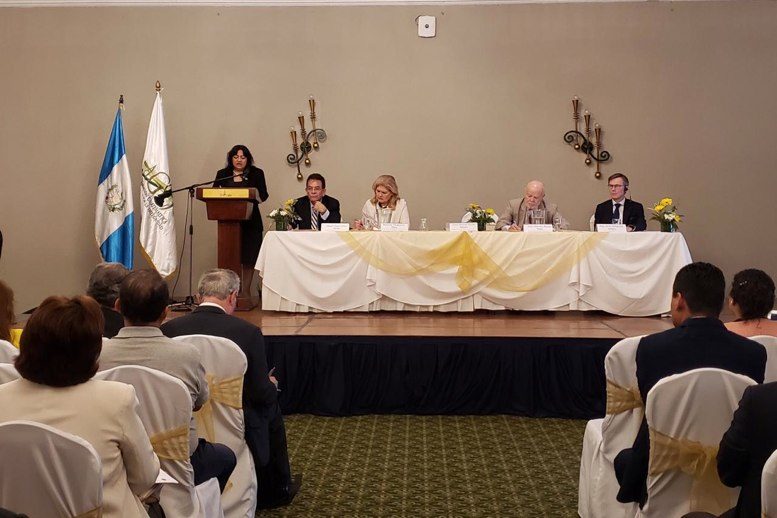
Oct 22, 2019 | Artículos, Noticias
La CIJ anuncia visita de delegación internacional de alto nivel para participar en la VII Conferencia Regional sobre Independencia Judicial el 25 y 26 de Octubre.
La CIJ en Centroamérica llevará a cabo la VII Conferencia Regional sobre Independencia Judicial, con el tema central de la Seguridad de Jueces y Juezas.
En ella se debatirá sobre el papel que deben de jugar los estados, para la protección de jueces y juezas, así como la relación que existe entre la independencia judicial y la seguridad de quienes imparten justicia.
Han llegado al país, la magistrada de la Corte Suprema de Justicia de Serbia y Comisionada de la CIJ, Radmila Dragicevic, el Magistrado Emérito del Tribunal Supremo Español y Comisionado de la CIJ José Antonio Martín Pallín, dos Jueces de Noruega Erland Flaterud y Finn-Arne Schanche y 9 Jueces de Centroamérica, entre los cuáles se encuentra el Magistrado de la Corte Suprema de Justicia de El Salvador Leonardo Ramírez Murcia. Además, participará el Presidente de la Corte Suprema de Justicia de Costa Rica, Fernando Cruz Castro.
Guatemala-Judicial Conference CA-News-2019-SPA