Jun 4, 2019 | News
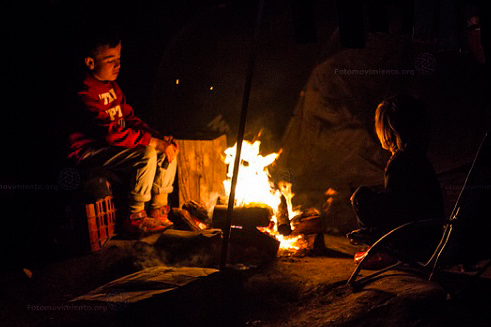
The ICJ, European Council on Refugees and Exiles (ECRE) and the Greek Council for Refugees (GCR) welcome the decision of the European Committee on Social Rights that Greece should take “immediate measures” to protect the rights of migrant children as required under the European Social Charter.
The Greek government should now take urgent steps to comply with the Committee’s decision, to prevent serious and irreparable injury or harm to the children concerned, including damage to their physical and mental health, and to their safety.
The Committee’s decision, issued on 23 May, requires the government to immediately provide migrant children with appropriate shelter, food, water, education and medical care; to remove unaccompanied migrant children from detention and from Reception and Identification Centers (RICs) at the borders, place them in suitable accommodation for their age and appoint effective guardians.
The Committee noted that “immediate measures” were exceptional, but found that they were necessary in this case given the government’s failure to dispel serious concerns about the gravity and urgency of the situation of migrant children in Greece.
This decision is in response to a collective complaint brought before the Committee by ICJ, ECRE and GCR, alleging systemic violations of migrant children’s rights on mainland Greece and the North Eastern Aegean islands. The complaint catalogues the numerous ways in which Greece has failed to fulfill its obligations under the European Social Charter to protect the rights migrant children, leaving them in conditions of squalor, insecurity and violence.
In addition to indicating immediate measures, the Committee found the complaint itself admissible. The complaint now awaits examination and determination on the merits by the European Committee on Social Rights.
Read the statement on the decision here in English and in Greek and full complaint here.

Jun 3, 2019 | Artículos, Noticias
La CIJ rechaza nuevo acto gubernamental, que atenta en contra de la búsqueda de justicia en casos de graves violaciones a los derechos humanos cometidas durante el conflicto armado interno.
En esta ocasión, se trata de afectar el Archivo Histórico de la Policía Nacional (AHPN), que desde el año 2005 se encarga del resguardo, conservación y custodia de los archivos de la extinta Policía Nacional, que fuera una de las instituciones nacionales causantes de graves violaciones a los derechos humanos, durante el conflicto armado interno.
Después de más de una década de contar con el apoyo de la Comunidad Internacional, este archivo se considera una fuente importantísima para conocer la verdad de lo sucedido durante el conflicto armado interno y para lograr aclarar investigaciones y entablar acciones de persecución penal por parte del Ministerio Público y para lograr que los documentos del AHPN estén protegidos; para ello, el Ministerio de Gobernación, firmó con el Ministerio de Cultura de Deportes, el convenio interinstitucional 24-2009, con validez hasta el 30 de junio de 2019.
Sin embargo, el Ministro de Gobernación expresó recientemente, que no renovará el convenio interinstitucional 24-2009, en el cual acordaron conjuntamente con el Ministerio de Cultura de Deportes, la permanencia de los documentos del AHPN en el edificio en el que fueron encontrados, propiedad del MINGOB, por el plazo de 10 años, plazo que vence el 30 de junio de 2019; de esta forma, podría afectar no solo el acceso a la información contenida en el AHPN, argumentando que dicho archivo, contiene información de seguridad nacional, sino que también el resguardo y utilización como prueba importante, de dichos documentos en los juicios respectivos.
Nuevamente, esta posición del Ministro de Gobernación se puede considerar un “fraude de ley”, ya que el acto de no renovar el convenio interinstitucional 24-2009 persigue como resultado un acto prohibido por el ordenamiento jurídico nacional e internacional, como lo es debilitar la lucha contra la impunidad.
La CIJ lamenta que esta nueva posición del Ministro de Gobernación, se una a la de no renovar el mandato de la Comisión Internacional contra la Impunidad (CICIG) y al debilitamiento de la actual Policía Nacional Civil y a la llamada implementación de una “agenda regresiva”, que ha venido impulsando el Congreso de la República.
Ramón Cadena, Director de la CIJ para Centroamérica expresó: “Las decisiones del Ministro de Gobernación en torno al AHPN puede llegar a representar un grave retroceso y denegación de justicia a las víctimas de graves violaciones a los derechos humanos, cometidas durante el conflicto armado interno.
De llegar a implementarse pueden considerarse como un incumplimiento de las obligaciones del Estado de Guatemala en materia de verdad, justicia y medidas de no repetición.”
Cabe recordar que los estándares internacionales resaltan la necesidad de preservar los archivos que contengan información sobre las graves violaciones a los derechos humanos, así como la obligación de poner a disposición del público, dicho archivos.
Así, el Conjunto de Principios actualizado para la protección y la promoción de los derechos humanos mediante la lucha contra la impunidad, establece en su principio 14 que “El derecho a saber implica la necesidad de preservar los archivos.
Se deberán adoptar medidas técnicas y sanciones penales para impedir la sustracción, la destrucción, la disimulación y la falsificación de los archivos, entre otras cosas, con el fin de que queden impunes los autores de violaciones de derechos humanos y/o del derecho humanitario”.
Jun 3, 2019 | Адвокаси, Юридические заявления
МКЮ и IBAHRI подали в Комитет ООН по правам человека свое представление о соблюдении Таджикистаном своих обязательств по Международному пакту о гражданских и политических правах.
В рамках своей 126-ой сессии, которая пройдет с 1 по 26 июля 2019 г., Комитет по правам человека («Комитет») рассмотрит вопрос о реализации Республикой Таджикистан положений Международного пакта о гражданских и политических правах (МПГПП или Пакт), в том числе в свете третьего периодического доклада государства-участника.
В контексте рассмотрения указанного вопроса Институт по правам человека Международной ассоциации адвокатов (IBAHRI) и Международная комиссия юристов (МКЮ) считают необходимым обратить внимание Комитета на ряд вопросов, вызывающих беспокойство с точки зрения реализации Таджикистаном положений МПГПП. Настоящее представление выделяет ряд проблем, связанных с недостаточной независимостью юридической профессии в Таджикистане, а также последствия данной ситуации с точки зрения защиты ряда прав, гарантированных Пактом. В частности, в настоящем представлении рассматриваются следующие вопросы:
(а) отсутствие независимости юридической профессии;
(b) вмешательство властей в законную деятельность адвокатов;
(с) ограничения в отношении доступа адвокатов к доверителям и прав защиты; а также
(d) конкретные примеры проблемных ситуаций.
Указанные проблемы имеют отношение к оценке Комитетом реализации Республикой Таджикистан права на справедливое судебное разбирательство по статье 14 МПГПП, а также иных прав, гарантированных Пактом, в том числе, к примеру, обязательств государства по статьям 2, 7, 9 и 10 МПГПП.
Текст представления доступен здесь:
Tajikistan-ICCPR-Advocacy-non legal submission-2019-RUS
May 30, 2019 | News
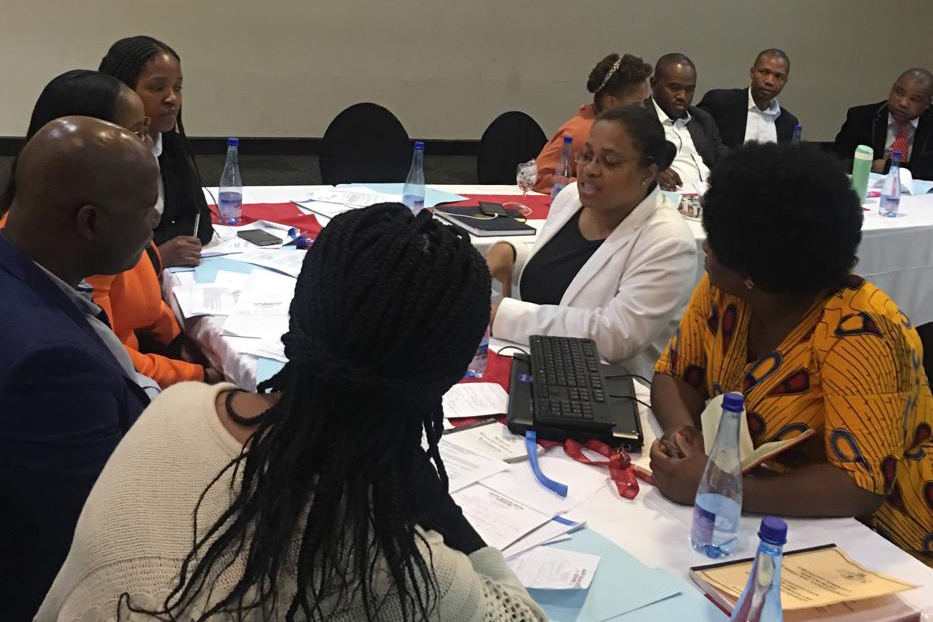
On May 29 2019, the ICJ facilitated a workshop with a number of justice sector officials and stakeholders who are active in the implementation of the Sexual Offenses and Domestic Violence Act (SODVA).
Building on previous engagements in 2018 and 2019, the participants decided on a clear plan of action for further coordination towards the eradication of sexual and gender based violence (SGBV) in Eswatini.
Participants in the meeting included representatives from the Office of the Director of Public Prosecutions, the Office of the Deputy Prime Minister, the police, correctional services, the judiciary and the Medical and Dental Association of Eswatini.
The meeting, was opened by ICJ Commissioner and Principal Judge of the High Court of Eswatini, Justice Qinisile Mabuza.
“For too many years, the clamour for this law has been loud; now that we have it, we have to interrogate how efficiently we are using it and check for the gaps that we need to address. Its implementation is in our hands, and we cannot allow ourselves to fail those that need our protection; we cannot fall foul of failing in our duty,” said Judge Mabuza.
A draft report, commissioned by the ICJ, was presented by Nonhlanhla Dlamini, the Director of Swaziland Action Group Against Abuse (SWAGAA).
The report, provided participants with a contextual analysis of challenges faced by survivors of SGBV in accessing the justice system in Eswatini.
ICJ Legal Adviser Timothy Fish Hodgson discussed key provisions of the SODV Act and the need for their interpretation and application consistently with the Convention on the Elimination of Discrimination Against Women.
SWAGAA’s draft report revealed that despite the enactment of the SODV Act significant barriers to access to justice for survivors of SGBV remain.
These include:
- Underreporting of SGBV;
- Stereotyping and discrimination faced by survivors when reporting;
- Partial application of SODV Act due to lack of knowledge on the part of key justice sector actors;
- Under-resourcing, lack of infrastructure and services presupposed by SODV Act which prevents full implementation;
- Continued stereotype-driven assumptions made by courts despite the outlawing of such approaches in the SODV Act;
- Lack of due diligence in the collection of medical evidence;
- A perception on the part of survivors that perpetrators are better taken care of in the prosecution process than survivors; and
- A growing and inaccurate perception of the SODV Act and its purposes, which has been facilitated by misleading media reports.
Participants made practical recommendations of how challenges could be addressed in their particular environments. Stressing the need to ensure continued collaboration and momentum in the implementation of the SODV Act, ICJ Africa Director Arnold Tsunga observed that: “Whether this process actually builds towards better protection from SGBV for the marginalized in Eswatini and the SODV Act’s impact is dependent on how participants in this platform and other officials are able to adopt practical measures and implement them effectively.”
May 29, 2019 | Communiqués de presse, Nouvelles
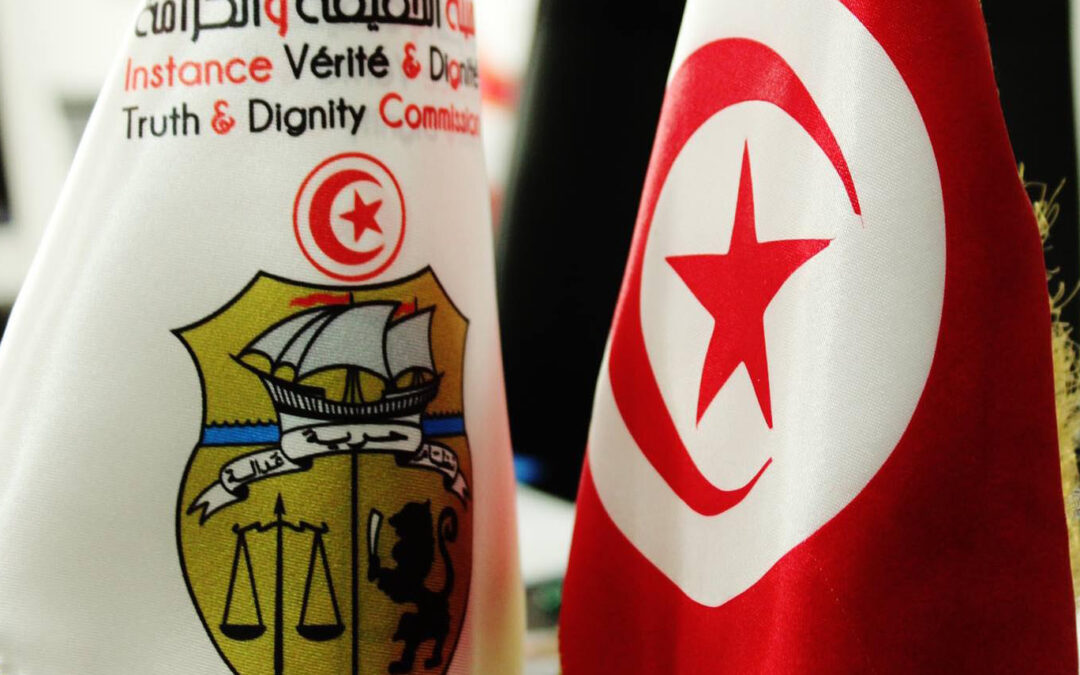
Un an après le début des travaux des chambres criminelles spécialisées en justice transitionnelle en Tunisie, les organisations de la Coalition pour la justice transitionnelle, dont la CIJ, déplorent aujourd’hui les nombreuses difficultés et contraintes subies par ces chambres, entravant ainsi leur fonctionnement normal et menaçant l’issue des affaires qu’elles traitent.
Les travaux des chambres criminelles spécialisées en justice transitionnelle ont démarré avec l’examen du dossier de M. Kamel Matmati le 29 Mai 2018 au Tribunal de 1ère Instance de Gabès.
Les organisations de la Coalition pour la justice transitionnelle organisent une série d’activités en commémoration de cette importante date dans l’histoire de la Tunisie tant elle est cruciale pour la révélation de la vérité, de la mémoire et de la lutte contre l’impunité.
Elles appellent ainsi les autorités tunisiennes à s’engager pour le suivi et l’application du processus de justice transitionnelle, le renforcement des chambres spécialisées et à leur protection institutionnelle.
Le communiqué a été signé par la CIJ avec d’autres organisations membres de la Coalition pour la justice transitionnelle.
Il peut être téléchargé ici:
Tunisia-CP Chambres Spécialisées-News-Press releases-2019-FRE (version française, PDF)
Tunisia-CP Chambres Spécialisées-News-Press releases-2019-ARA (version arabe, PDF)