Jun 6, 2019 | News
The ICJ today called on the Zimbabwe government to stop using the highly criticized offence of “subverting a constitutional government” to punish human rights defenders for the exercise of fundamental freedoms protected under international and Zimbabwe Law.
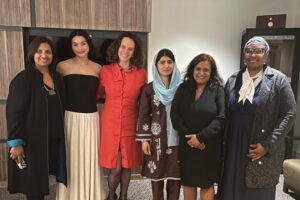
George Makoni, Tatenda Mombeyarara, Gamuchirai Mukura Nyasha Mpahlo, Farirai Gumbonzvanda, Rita Nyamupinga, and Stabile Dewa, referred to by the media as the “Zimbabwe 7”, have been charged under section 22 of the Criminal Law (Codification and Reform) Act [Chapter 9:23] and will face a bail hearing, due to be heard at the High Court in Harare on 6 and 7 June 2019.
“The Zimbabwean authorities need to desist from the growing practice of abusing the offence of subverting a constitutional government as an instrument to persecute human rights defenders through abuse of the legal system,” said Arnold Tsunga, ICJ’s Africa Director.
“The oppressive and retaliatory use of law by government violates the rule of law and human rights as guaranteed in the Zimbabwean Constitution as well as in regional and global human rights treaties to which Zimbabwe is a State party,” he added.
The ICJ has previously shown that the law of subversion in Zimbabwe has been used often against HRDs who peacefully exercise their fundamental freedoms, with no single conviction to date.
The law violates the African Charter on Human and Peoples Rights and the International Covenant on Civil and Political Rights (both of which Zimbabwe is a party to), including the rights of persons to freedom of opinion and expression (Article 9 African Charter on Human and People’s Rights; article 19 ICCPR), freedom of assembly (article 11 ACHPR; 21 ICCPR) article, freedom of association (article 10 ACHPR; article 22 ICCPR), and the right to political participation (article 25 ICCPR).
The UN Declaration on Human Rights defenders, adopted by the UN General Assembly, requires that States afford particular protection to human rights defenders (HRDs) who exercise these rights.
HRDs charged with this offence can face a sentence of up to 20 years in prison and have often been denied bail for some periods, in contravention of international law, which provides that charged persons should generally not be held in pre-trial detention. Such prolonged pretrial detention effectively serves as pre-trial punishment of suspects.
“Criminal law must never be used as a means to silence opposition or persecute human rights defenders, which also necessarily has a chilling on others who perform critical human rights work. It is important that the police do not arrest to investigate but they must investigate before they arrest,” said Tsunga.
Contact
Arnold Tsunga, ICJ’s Africa Director, t: +27716405926 ; e: arnold.tsunga(a)icj.org
Background
Four human rights defenders, George Makoni, Tatenda Mombeyarara, Gamuchirai Mukura and Nyasha Mpahlo were arrested on 20th May 2019 upon arrival at Robert Mugabe International Airport, Harare from the Maldives where they had attended a workshop on human rights work. Law enforcement officials alleged in the charge sheet that,” during the workshop, the four had received training on the use of small weapons, how to mobilize citizens to turn against the government and to engage in acts of civil disobedience and or resistance to law during anticipated national protests. Law enforcement agents confiscated the HRDs’ laptops and cell phones. In similar fashion, Social Justice and Girls’ Rights advocate Farirai Gumbonzvanda was arrested upon arrival at the Harare airport on 21 May. Charged with the offence of subverting constitutional government as defined in section 22(2)(a)(iii) of the Criminal Law (Codification and Reform) Act, all five persons remain in custody as their application for bail in the High Court of Zimbabwe has been postponed to 7th June 2019.
In related circumstances, Director of Female Prisoners Support Trust, Rita Nyamupinga and Stabile Dewa, Director of Women’s Academy for Leadership and Political Excellence were arrested on 28 May 2019 soon after they arrived at the Harare airport. They were taken to Harare Central Police Station without having an opportunity to consult their lawyers. Both women have also been charged with subverting constitutional government and have been remanded in custody since 29th May 2019 pending their bail hearing today.
May 30, 2019 | News
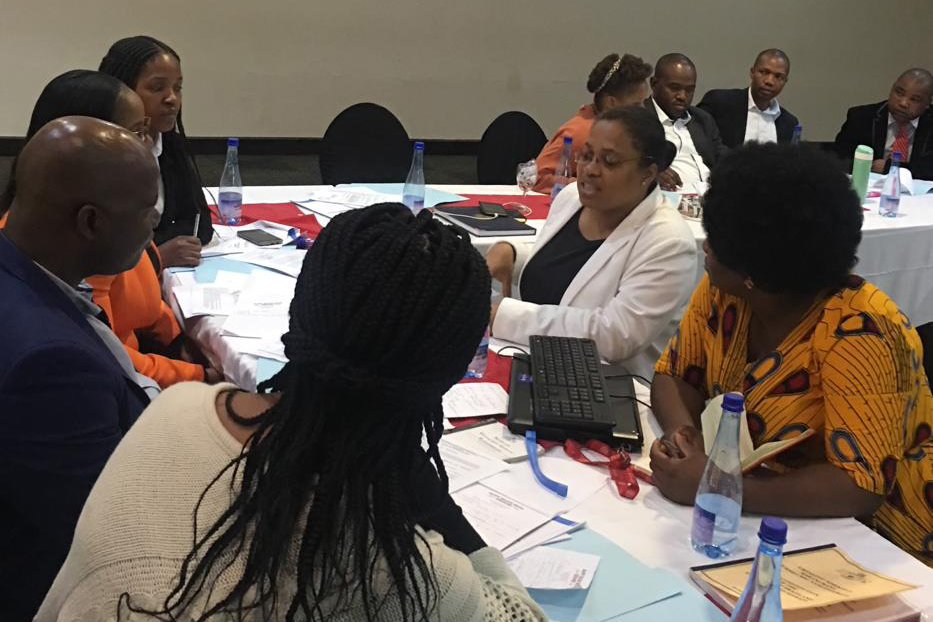
On May 29 2019, the ICJ facilitated a workshop with a number of justice sector officials and stakeholders who are active in the implementation of the Sexual Offenses and Domestic Violence Act (SODVA).
Building on previous engagements in 2018 and 2019, the participants decided on a clear plan of action for further coordination towards the eradication of sexual and gender based violence (SGBV) in Eswatini.
Participants in the meeting included representatives from the Office of the Director of Public Prosecutions, the Office of the Deputy Prime Minister, the police, correctional services, the judiciary and the Medical and Dental Association of Eswatini.
The meeting, was opened by ICJ Commissioner and Principal Judge of the High Court of Eswatini, Justice Qinisile Mabuza.
“For too many years, the clamour for this law has been loud; now that we have it, we have to interrogate how efficiently we are using it and check for the gaps that we need to address. Its implementation is in our hands, and we cannot allow ourselves to fail those that need our protection; we cannot fall foul of failing in our duty,” said Judge Mabuza.
A draft report, commissioned by the ICJ, was presented by Nonhlanhla Dlamini, the Director of Swaziland Action Group Against Abuse (SWAGAA).
The report, provided participants with a contextual analysis of challenges faced by survivors of SGBV in accessing the justice system in Eswatini.
ICJ Legal Adviser Timothy Fish Hodgson discussed key provisions of the SODV Act and the need for their interpretation and application consistently with the Convention on the Elimination of Discrimination Against Women.
SWAGAA’s draft report revealed that despite the enactment of the SODV Act significant barriers to access to justice for survivors of SGBV remain.
These include:
- Underreporting of SGBV;
- Stereotyping and discrimination faced by survivors when reporting;
- Partial application of SODV Act due to lack of knowledge on the part of key justice sector actors;
- Under-resourcing, lack of infrastructure and services presupposed by SODV Act which prevents full implementation;
- Continued stereotype-driven assumptions made by courts despite the outlawing of such approaches in the SODV Act;
- Lack of due diligence in the collection of medical evidence;
- A perception on the part of survivors that perpetrators are better taken care of in the prosecution process than survivors; and
- A growing and inaccurate perception of the SODV Act and its purposes, which has been facilitated by misleading media reports.
Participants made practical recommendations of how challenges could be addressed in their particular environments. Stressing the need to ensure continued collaboration and momentum in the implementation of the SODV Act, ICJ Africa Director Arnold Tsunga observed that: “Whether this process actually builds towards better protection from SGBV for the marginalized in Eswatini and the SODV Act’s impact is dependent on how participants in this platform and other officials are able to adopt practical measures and implement them effectively.”
May 13, 2019 | Human Rights Council, News, Work with the UN
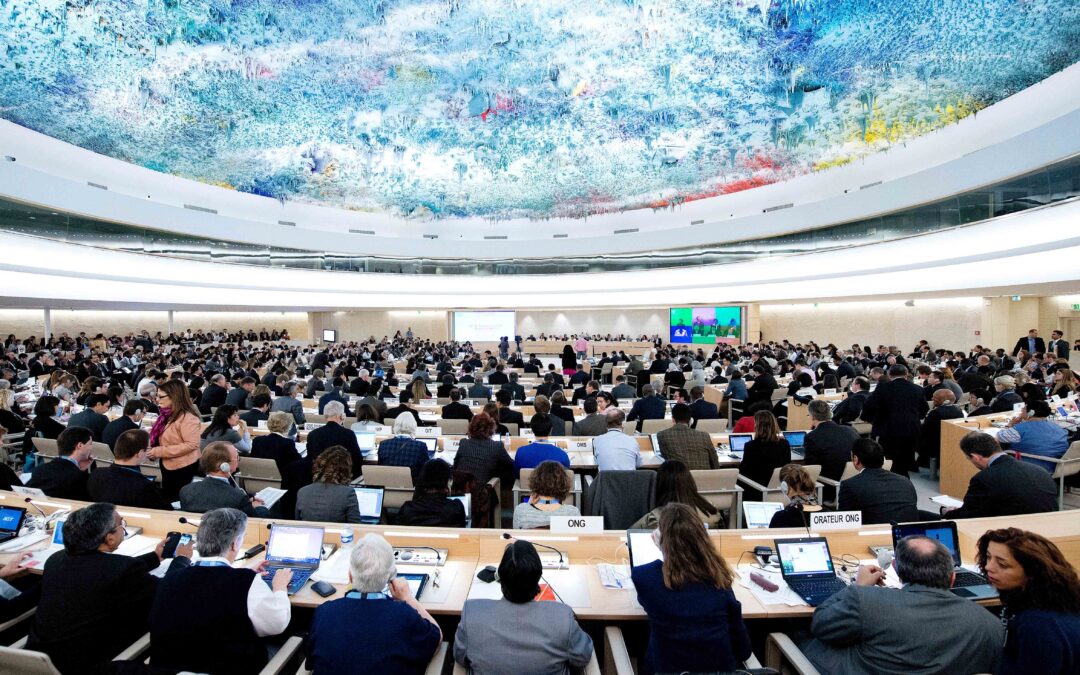
The ICJ has joined with more than 35 other international and African NGOs, calling on states to address the ongoing deterioration of the human rights situation in Tanzania, at the upcoming session of the UN Human Rights Council in June.
Read the letter here.
Apr 10, 2019 | News
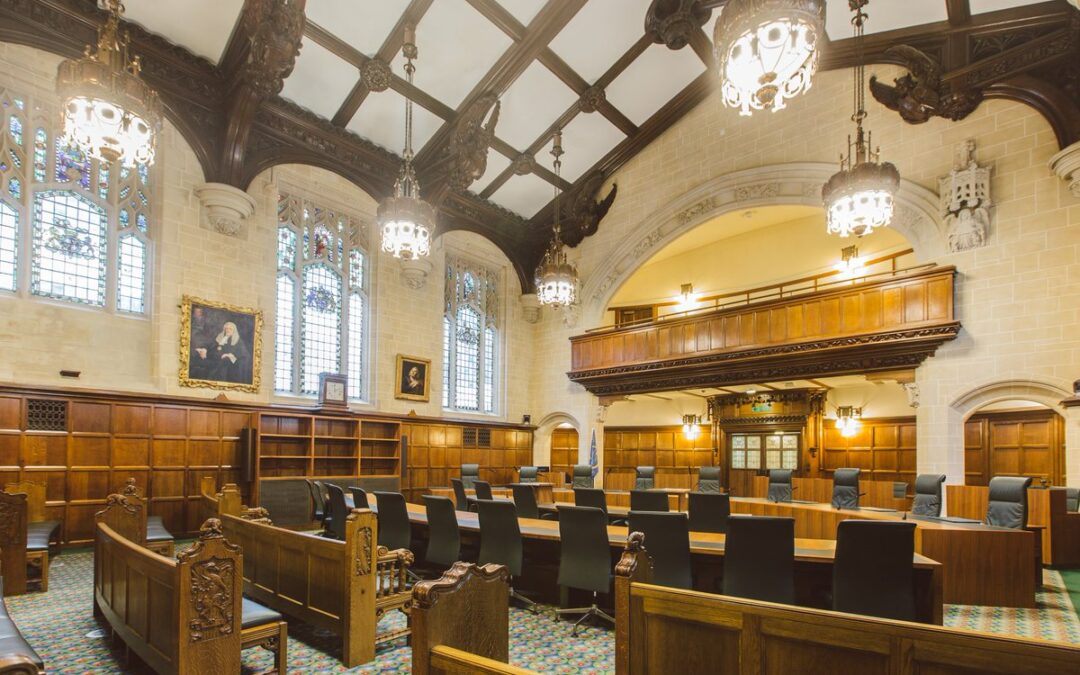
Today, the ICJ and the CORE Coalition welcomed the decision of the United Kingdom Supreme Court to allow a complaint to proceed against Vedanta Resources Plc and its Zambian subsidiary Konkola Copper Mines (KCM), alleging serious harm from extraction activities in Zambia.
The damage to health and livelihood was allegedly caused to local communities living in the Chingola District by the discharge of toxic waste from the Nchanga Mine operated by KCM.
The companies challenged the jurisdiction of the UK courts to hear the complaint for negligence and breach of statutory duty, saying there was no case against them arguable in a UK court and, in relation to KCM, that Zambia was the proper forum where any case would have to be heard.
The judgment, confirming the decision of lower courts, dismissed the appeal by the companies, allowing the case to now proceed to trial on the merits. The ICJ and CORE Coalition acted as interveners in the case.
“Today’s Supreme Court decision will make it possible for the Zambian claimants to find justice, even so long after events took place,” said ICJ Senior Legal Adviser Carlos Lopez.
“The ruling makes clear that, from available evidence at this stage, it is arguable in trial that a parent company like Vendanta owes a duty of care in relation to people living in the vicinity of their subsidiaries and this decision will have important implications to similar cases concerning parent company duties around the world,” said Lopez.
Although access to justice for alleged victims harm from subsidiaries of parent companies has been elusive, the UK Supreme Court clarified that the principles applicable to these cases were “not novel at all.”
“Many other victims face insurmountable hurdles in their efforts to hold companies to account. The case is a reminder of the urgent need for legislation to require companies to take action to prevent human rights abuses, and to make it easier to hold them to account when they fail to do so,” said Marilyn Croser, Director of CORE.
The judgment regarded published material in which Vedanta fairly asserted assumption of responsibility for the maintenance of proper standards of environmental control over activities of its subsidiaries. The Court said that this was “sufficient on their own to show that it is well arguable that a sufficient level of intervention by Vedanta in the conduct of operations at the Mine may be demonstrable at trial.”
Today’s Supreme Court judgment also made clear that Zambian courts could not be necessarily relied on to address claims against KCM and that there was a real risk that the claimants would not obtain “substantial justice” in Zambia.
Contact:
Marilyn Croser, Director CORE Coalition, t: + 44 203 752 5712
Carlos Lopez, Senior Legal Adviser, ICJ, t: + 41 22 9793816
Mar 28, 2019 | News
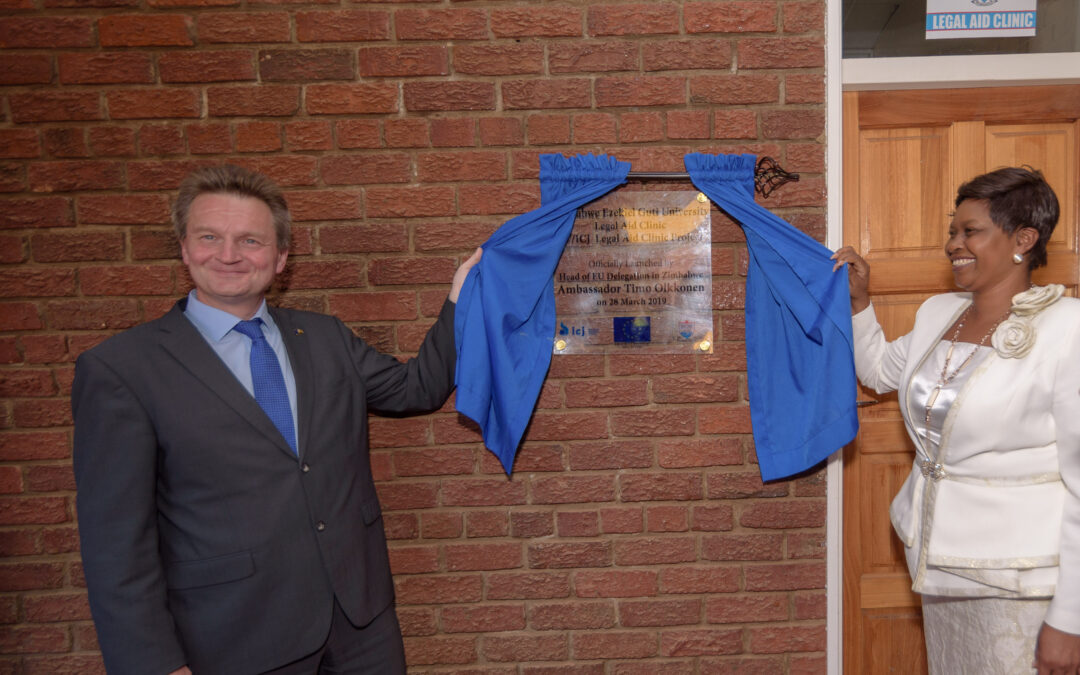
Today, the ICJ launched a project at Zimbabwe Ezekiel Guti University intended to assist with legal services to those in need in Bindura.
The legal aid clinics project, which is supported by the European Union, is aimed at improving access to justice in Zimbabwe while also providing an opportunity for students to develop critical skills that will enhance their work as legal practitioners.
Speaking at the launch, the Ambassador of the European Union Delegation to the Republic of Zimbabwe, Timo Olkkonen commended the University for being socially responsive to the community surrounding it.
He remarked, “in these difficult economic conditions, more people than before are finding it difficult to afford legal representation. This in turn negatively impacts on the protection of their constitutional rights. The establishment of the legal aid clinic will address this.”
Professor Chingarande-Mutanga, the Vice Chancellor of Zimbabwe Ezekiel Guti stated that, “The establishment of the legal aid clinic is a special innovative hub with the idea to develop a practical and professional who is well rounded and able to provide solutions to the legal challenges faced by the community.”
Arnold Tsunga, ICJ’s Africa Regional Director, remarked that “this initiative supports the full implementation of the Constitution and promotes equal access to justice for all through addressing the needs of those in disadvantaged in their capacity to obtain needed legal services.”
The launch was attended by the Mayor for Bindura, Carlos Tokyo, the Executive Secretary of the Law of Society, Edward Mapara, representatives from the Judicial Service Commission, students, and other residents of Bindura.
Contact
Brian Penduka, t: +263772274307 ; e: brian.penduka(a)icj.org
Elizabeth Mangenje, t: +263774742420 ; elizabeth.mangenje(a)icj.org