Apr 17, 2018 | Новости, Статьи
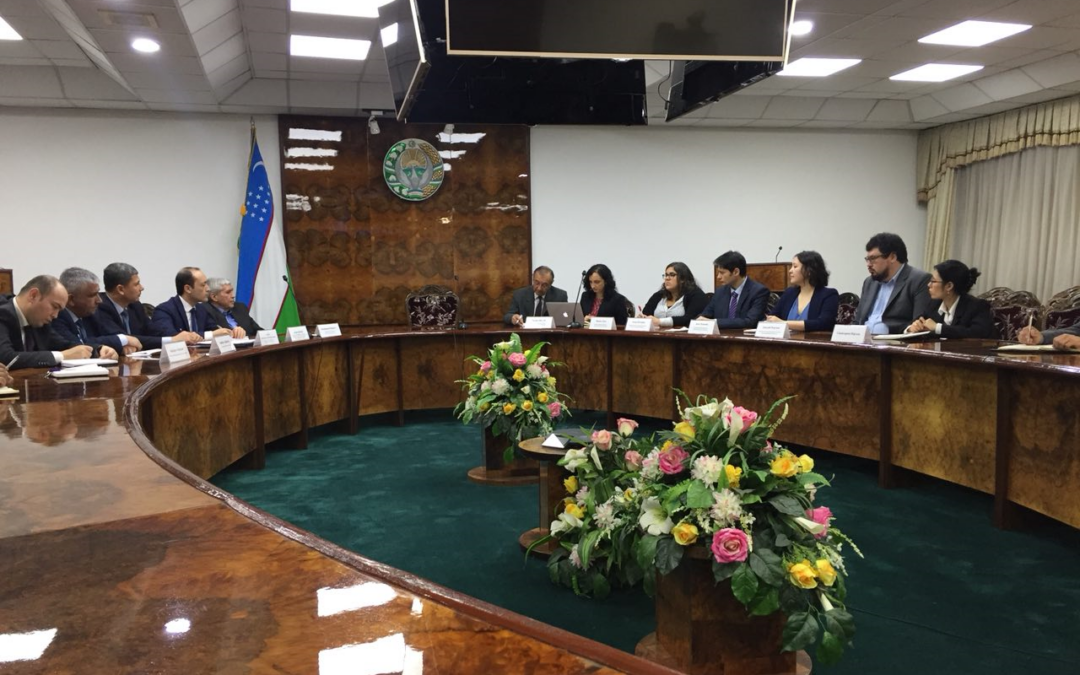
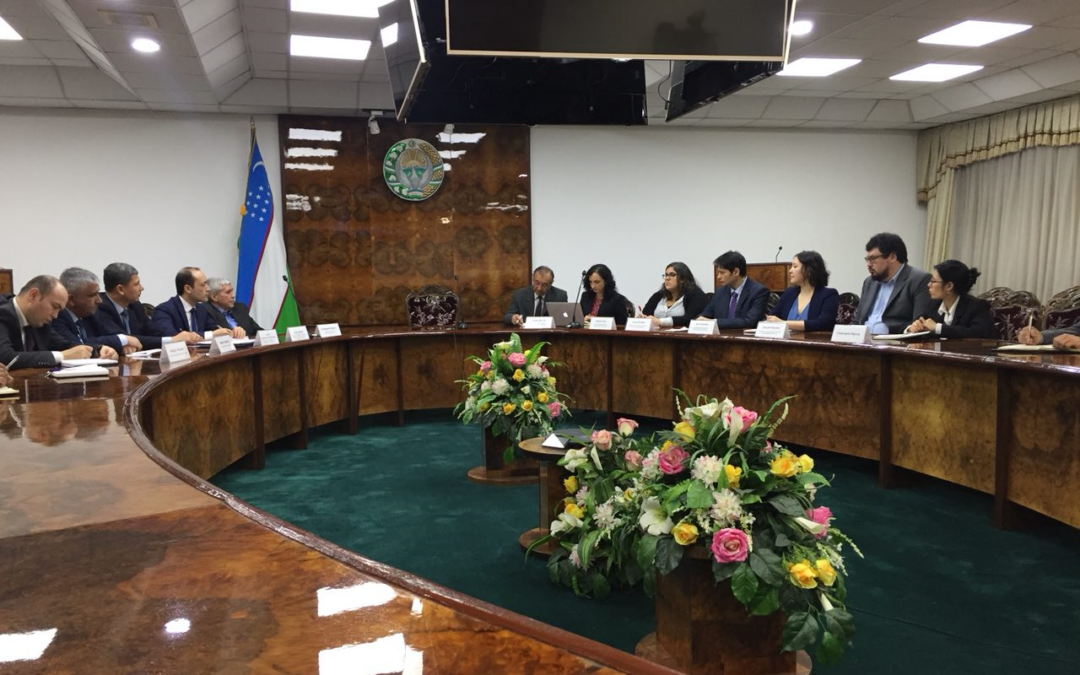
С 16 по 20 апреля МКЮ проводит исследовательскую миссию в Узбекистане для определения приоритетных вопросов прав ЭСК, которые будут в центре ее проекта по доступу к экономическим, социальным и культурным (ЭСК) правам (проект “ACCESS” / “Доступ”).
В ходе миссии эксперты МКЮ будут встречаться с ключевыми заинтересованными сторонами, включая соответствующие государственные органы, ОГО, правовых экспертов, международные организации в Узбекистане и других участников для обсуждения правовых и практических аспектов обеспечения доступа к правосудию для прав ЭСК.
В ходе встреч, среди прочего, будут рассмотрены следующие вопросы:
- действующее законодательство, обеспечивающее права ЭСК в Узбекистане;
- текущие и запланированные реформы в обеспечении прав ЭСК;
- правовая защита прав ЭСК и препятствия на пути их осуществления;
- обсуждение возможных правовых, практических аспектов, связанных с доступом к правосудию в области прав ЭСК.
МКЮ будет опираться на международные стандарты в области прав ЭСК, в частности Международный пакт об экономических, социальных и культурных правах (МПЭСКП), участником которого является Узбекистан.
Результаты миссии составят базовый отчет, который будет информировать о развитии и реализации проекта ACCESS.
МКЮ признателена за содействие правительства и Европейского союза, которые поддерживают этот проект, в организации встреч с соответствующими государственными учреждениями.
Контакт:
Темур Шакиров, temur.shakirov(a)icj.org
Apr 17, 2018 | News
From April 16 to 20, the ICJ is conducting a research mission to Uzbekistan to identify the priority ESC rights issues which will be the focus of its project on access to the economic, social and cultural (ESC) rights (ACCESS project).
During the mission, ICJ experts will meet with key stakeholders, including relevant State bodies, CSOs, legal experts, international organizations in Uzbekistan and other actors to discuss legal and practical aspects of ensuring access to justice for ESC rights.
During the meetings, among others, the following issues will be addressed:
- current legislation ensuring ESC rights in Uzbekistan;
- ongoing and planned reforms in ensuring ESC rights;
- legal protection of ESC rights and barriers to their enjoyment;
- discussion of possible legal, practical aspects related to access to justice in the field of ESC rights.
The ICJ will rely on international standards in the area of ESC rights, in particular, the International Covenant on Economic, Social and Cultural Rights (ICESCR), to which Uzbekistan is a party.
The results of the mission will form a baseline report which will inform the construction and implementation of the ACCESS project.
The ICJ appreciates the facilitation of the Government and of the European Union, which supports the project, in arranging meetings with relevant State institutions.
Contact:
Temur Shakirov, temur.shakirov@icj.org
Apr 16, 2018 | Advocacy, News, Non-legal submissions
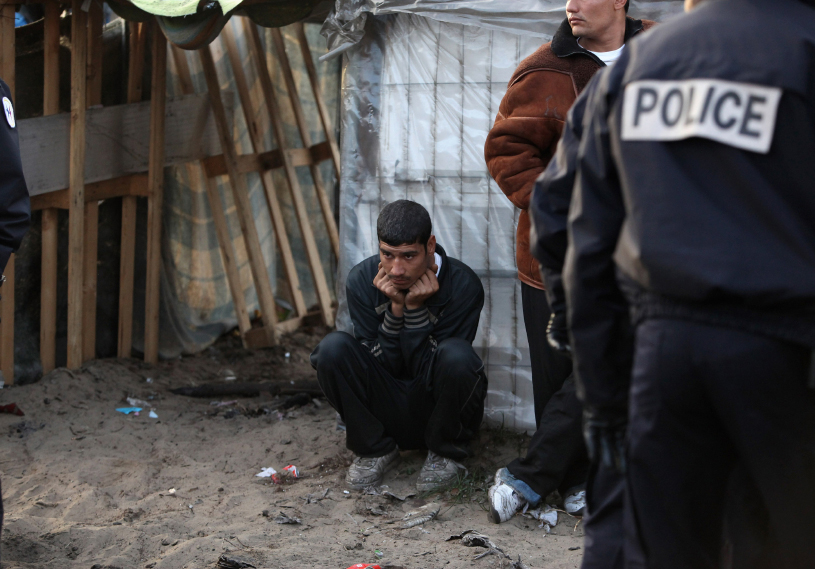
The ICJ and ECRE have presented today to the United Nations Special Rapporteur on the human rights of migrants a submission on access to justice for migrants in Europe.
The submission is an input for the forthcoming report of the UN Special Rapporteur on access to justice for migrants to the UN General Assembly.
The International Commission of Jurists (ICJ) and the European Council on Refugees and Exiles (ECRE) have provided a brief overview of aspects of access to justice for migrants, with a particular focus on asylum seekers and migrant children, in European countries.
The issues dealt with include:
- obstructions to access to justice in relation to access to the territory;
- the undue use of national security exceptions to weaken access to justice in immigration procedures;
- concerns with access to justice in expulsion and detention procedures;
- specific obstacles to access to justice for asylum seekers, including when appealing the rejection of their claims by first instance asylum authorities before a judicial or administrative appeal body;
- specific obstacles to access to justice for undocumented minors.
ICJECRE-NonLegalSubmission-SRMigrants-Access2JusticeEurope4Migrants-2018-ENG (download the submission)
Apr 5, 2018
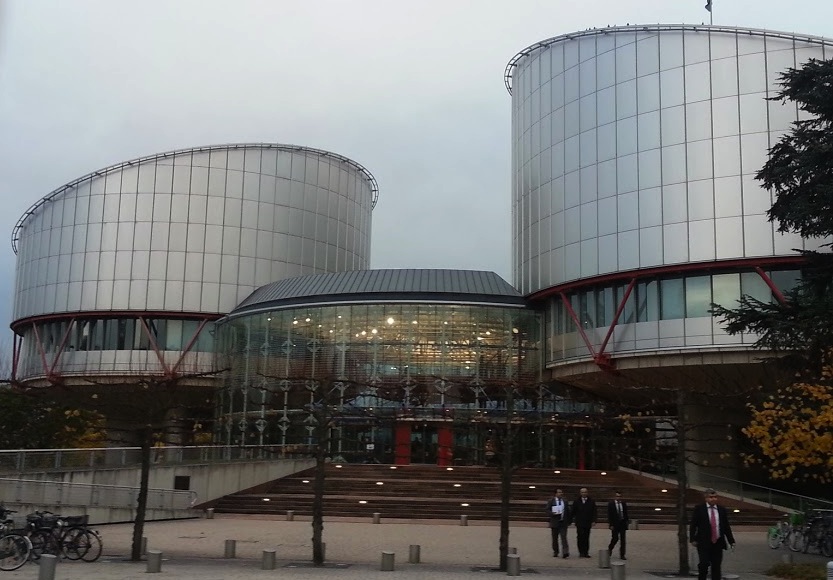
The ICJ, together with other NGOs, has responded to a consultation on how classified documents are taken into consideration before the European Court of Human Rights.
In the submission, the AIRE Centre, Amnesty International, the International Commission of Jurists, REDRESS and the World Organisation Against Torture (OMCT) respond to the Court’s Standing Committee on the Rules of Court’s proposal to amend the Court’s Rules of Procedure by introducing a new Rule 44F.
The organisations urge the Court not to adopt a mechanism whereby the Court could receive and rely on or otherwise take into consideration information not disclosed to the applicant and his or her representative of choice.
The organisations emphasise that the right to an effective remedy for claims of human rights violations incorporates the right of access to a fair procedure and the right of victims and the public to the truth about human rights violations, including serious violations such as torture, enforced disappearances and extra-judicial executions or other unlawful killings.
In cases before the Court, the applicant victim’s interest in disclosure of evidence regarding violations of Convention rights should always outweigh any purported national security or other similar public interests in its non-disclosure.
The submission also analyses and makes recommendations on the specific wording of the proposed new Rule 44 F.
JointSubmission-ECtHR-Rule44F-LegalSubmission-2018-ENG (download the submission)
Mar 28, 2018 | Advocacy, Non-legal submissions
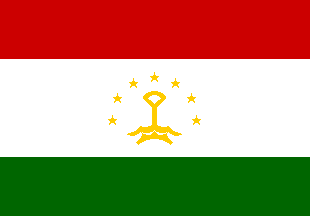
The ICJ today submitted a report to the UN Committee against Torture, calling for recommendations to be made on prevention of and accountability for continued recourse to torture and ill-treatment in Tajikistan.
The ICJ’s submission is made ahead of consideration by the Committee against Torture in April to May 2018 of Tajikistan’s third periodic report on the implementation of its obligations under the Convention against Torture and Other Forms of Cruel, Inhuman or Degrading Treatment or Punishment.
The ICJ’s report draws from an earlier study on Achieving Justice for Gross Human Rights Violations in Tajikistan and calls on the Committee against Torture to make recommendations concerning:
- The obligation to adequately sanction torture;
- The obligation to prevent torture and other forms of ill-treatment, including in places of detention;
- The obligation to investigate allegations of torture and ill-treatment;
- The use of amnesties and pardons for torture;
- The prohibition against the use of evidence obtained by torture;
- The right to complain about torture and ill-treatment; and
- The right of victims to effective remedies and reparation.
Tajikistan-CAT-Advocacy-AlternativeReport-2018ENG (download the ICJ’s submission, in PDF)