Jun 9, 2016 | News
The ICJ welcomes the landmark decision issued today by the UN Human Rights Committee in the case of Amanda Mellet v. Ireland under the Optional Protocol to the International Covenant on Civil and Political Rights.
The Committee found that, by forcing Amanda Mellet to choose either to carry her foetus to term, despite its fatal fœtal abnormality, or to travel abroad to seek an abortion, Ireland had subjected her to cruel, inhuman or degrading treatment and discrimination, in violation of its obligations under the Covenant.
The ICJ considers that in light of the Committee’s decision Ireland must provide reparation to Amanda Mellet and reform its laws to prevent future violations.
Otherwise, Ireland will be in breach of its legal obligation to provide Amanda Mellet with an effective remedy – including in the terms set out in the Committee’s decision – for the human rights violations she suffered.
Related readings:
Full text of Human Rights Committee’s decision (download in PDF)

Jun 2, 2016
In a briefing paper issued today, the ICJ raises concerns at measures eroding the independence of the judiciary, prosecution, and legal profession in Turkey, with serious consequences for protection of human rights.
The briefing paper Turkey: the Judicial System in Peril follows a research mission by the ICJ in December 2015.
It analyses developments in law and practice that have affected the independence of both the governing institutions of the judiciary and prosecution, and the security of tenure and independence of individual judges in practice. In particular:
- the independence of the High Council for Judges and Prosecutors (HSYK), the governing body of the judiciary, from executive influence has been substantially diminished;
- punitive measures against judges who act contrary to the putative interests of the executive have chilled the climate for independent exercise of the judicial function;
- prosecutions and dismissals of prosecutors, apparently related to their decisions in sensitive cases, have a damaging effect on autonomous decision making in the prosecution service; and
- attacks on and threats to lawyers, in particular those engaged in the defence of human rights, have further compounded the problems in the justice system.
The briefing paper makes recommendations for action to address these developments.
It urges the executive and legislative authorities to refrain from all actions and rhetoric contrary to the separation of powers, and emphasises the need to protect the safety of lawyers and other human rights defenders, and to undertake a prompt, thorough and independent investigation into the killing of the President of the Diyarbakir Bar Association, Tahir Elçi.
Turkey-Judiciary in Peril-Publications-Reports-Fact Findings Mission Reports-2016-ENG (full report in PDF)
May 12, 2016 | Новости, Статьи
МКЮ обеспокоена сведениями об отставке федеральных судей в Чеченской Республике Российской Федерации, которая, по всей видимости, произошла под давлением исполняющего обязанности главы Чеченской Республики Рамзана Кадырова, заявившего, что добровольная отставка судей будет «самым правильным решением в их жизни».
МКЮ считает данные высказывания, прямым следствием которых, очевидно, и стала отставка федеральных судей, недопустимым вмешательством в функционирование и независимость судебных органов.
МКЮ призывает судебные органы Российской Федерации сделать всё возможное, чтобы обеспечить сохранение гарантированных сроков пребывания судей в должности, а также проверку любых заявлений о совершении судьями дисциплинарных проступков в рамках надлежащего дисциплинарного производства с соблюдением права на справедливое судебное разбирательство.
Кроме того, МКЮ призывает исполнительные органы воздержаться от любых комментариев, которые могут подорвать независимость судебных органов.
5 мая Рамзан Кадыров, исполняющий обязанности главы Чеченской Республики, посоветовал ряду судей добровольно подать в отставку.
Кадыров разместил пост в социальных сетях, в котором обратился к таким проблемам, как необъективные судебные решения, затягивание рассмотрения уголовных дел, решения по жилищным спорам, а также противоречивые решения.
Кадыров отметил, что, хотя все эти примеры единичны и малочисленны, они не способствуют росту доверия населения к судебной системе.
Кроме того, он рекомендовал Председателю Верховного Суда Чеченской Республики Магомеду Каратаеву и трём другим судьям, Тахиру Мурдалову, Супьяну Яндарову и Зайнди Хусаинову, подать в отставку, «если у них есть понятие чести и профессиональной этики».
Сообщается, что судьи Урус-Мартановского городского и Грозненского районного судов Супьян Яндаров и Зайнди Хусаинов в тот же день подали заявления об отставке.
Предположительно, Председатель Верховного Суда Чечни Магомед Каратаев и его заместитель Тахир Мурдалов также направили заявление об отставке.
Данные отставки, которые, очевидно, являются непосредственной реакцией на критику со стороны исполнительных органов власти, подрывают принцип разделения властей и независимости судебных органов в Российской Федерации.
В соответствии с международным правом, в том числе с правом на справедливое судебное разбирательство, которое защищается, помимо прочего, статьёй 6 Европейской Конвенции по правам человека и статьёй 14 Международного пакта о гражданских и политических правах, должна быть обеспечена независимость судебных органов.
Основные принципы ООН, касающиеся независимости судебных органов, предусматривают, что «все государственные и иные учреждения обязаны уважать и соблюдать независимость судебных органов», и устанавливают, что судебные органы не могут подвергаться «каким-либо ограничениям, неправомерному влиянию, … давлению, угрозам или вмешательству, прямому или косвенному, с чьей бы то ни было стороны и по каким бы то ни было причинам».
Несмотря на то, что у судей есть обязанность соблюдать судейскую этику и они должны привлекаться к ответственности за профессиональные проступки, представители исполнительных органов власти должны воздержаться от заявлений, которые ставят под угрозу независимость судебных органов.
В соответствии с Рекомендацией Совета Европы, «исполнительные и законодательные органы власти должны воздержаться от критики, которая может подорвать независимость судебных органов или общественное доверие к ним» (Рекомендация (2010) 12, параграф 18).
Давление на судей со стороны исполнительных органов власти с целью вынудить их подать в отставку может свести на нет гарантированные сроки пребывания судей в должности, которые защищаются национальным и международным правом и стандартами.
В соответствии с принципом 12 Основных принципов независимости судебных органов, «судьи, назначаемые или выборные, имеют гарантированный срок полномочий до обязательного выхода на пенсию или истечения срока полномочий, где таковой установлен».
По международным стандартам, заявления о совершении судьями дисциплинарных проступков должны рассматриваться самоуправляемыми органами судебной власти в рамках справедливого дисциплинарного производства.
В соответствии с Основными принципами ООН, единственным основанием для прекращения полномочия судей является их «неспособность выполнять свои обязанности или поведение, делающее их несоответствующими занимаемой должности».
Кроме того, заявления Рамзана Кадырова противоречат законодательству Российской Федерации, которое подробно регламентирует порядок привлечения судей к дисциплинарной ответственности в случае совершения дисциплинарных проступков.
RUSSIA-Chechen judges statement-News-web story-2016-RUS (полный текст на русском, PDF)
May 12, 2016 | News
The ICJ is concerned at the reported resignations of federal judges in the Chechen Republic of the Russian Federation following apparent pressure by the acting Head of the Republic Ramzan Kadyrov who had suggested that resignation would be the “most correct decision of their lives”.
The ICJ considers these statements, which appear to have led directly to the resignations of federal judges, to be inappropriate interference with the functioning and independence of the judiciary.
The ICJ calls on the Russian Federation judicial authorities to take all measures within their power to ensure that all judges’ security of tenure is preserved and that any allegations of misconduct are addressed through appropriate disciplinary proceedings that respect the right to a fair hearing.
The ICJ further calls on the executive authorities to refrain from any comments which may undermine the independence of the judiciary.
On 5 May, Ramzan Kadyrov, currently acting Head of the Chechen Republic, recommended that several named judges should step down.
In his post on social media, Kadyrov identified as problems unfair decisions of courts, procrastination in criminal cases, decisions regarding housing and inconsistent decisions.
He mentioned that although examples of such decisions were sporadic, they did not help build trust in the judiciary.
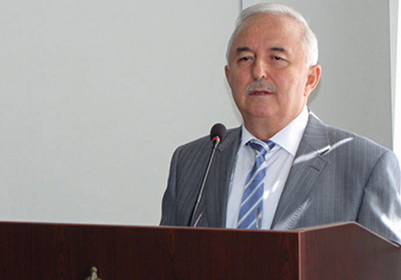
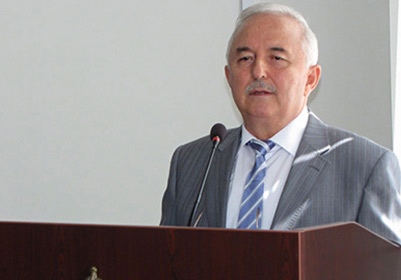
He then recommended that the President of the Supreme Court of the Chechen Republic, Magomed Karatayev (photo) and three other judges, Takhir Murdalov, Sulyan Yandarov and Zayndi Khusainov, should resign “if they had a notion of honour and professional ethics”.
It was reported that two judges of the Urus-Martan City Court and Grozny District Court, Sulyan Yandarov and Zayndi Khusainov, submitted their resignations on the same day.
The President of the Supreme Court of Chechnya, Magomed Karatayev, and his deputy Takhir Murdalov, are reported to have already filed a request for resignation.
The resignations, apparently in direct response to criticism by the executive, undermine the separation of powers and the independence of the judiciary in the Russian Federation.
Under international law, including the right to a fair trial protected, inter alia, by Article 6 of the European Convention on Human Rights and Article 14 of the International Covenant on Civil and Political Rights, the independence of the judiciary must be guaranteed.
The UN Basic Principles on Independence of the Judiciary enshrines “the duty of all governmental and other institutions to respect and observe the independence of the judiciary” and provides the judiciary shall not be subject to “any restrictions, improper influences…pressures, threats or interferences, direct or indirect from any quarter or for any reason.”
While judges have an obligation to adhere to judicial ethics and should be held accountable for professional misconduct, the representatives of the executive must refrain from statements which jeopardize the independence of the judiciary.
The Council of Europe’s Recommendation on judges specifies that “the executive and legislative powers should avoid criticism that would undermine the independence of or public confidence in the judiciary.”
Public pressure from the executive on judges to resign can nullify the security of tenure of judges protected under national and international law and standards.
According to Principle 12 of the Basic Principles on the Independence of the Judiciary, “[j]udges, whether appointed or elected, shall have guaranteed tenure until a mandatory retirement age or the expiry of their term of office, where such exists.”
Under international standards, allegations of misconduct against judges should be dealt with by the self-governing institutions of the judiciary, through fair disciplinary procedures.
Under the Basic Principles, the only basis for removal of judges is “incapacity or behaviour that renders them unfit to discharge their duties.
The comments by Ramzan Kadyrov also run contrary to the legislation of the Russian Federation, which spells out in detail the procedure for disciplinary measures against judges in case of alleged professional misconduct.
RUSSIA-Chechen judges statement-News-web story-2016-RUS (full text in Russian, PDF)
May 10, 2016 | News
The ICJ today expressed concern at the disbarment proceedings against lawyer Muzaffar Bakhishov that are taking place before the Narimanov district court.
The ICJ calls for the disbarment proceedings to respect international standards on the role of lawyers and to ensure that no sanction is imposed contrary to the right to freedom of expression, as guaranteed under international law.
The ICJ understands that the proceedings against Mr Bakhishov, following a recommendation for disbarment by the Plenum of the Bar Association, are related to critical statements he made in a media interview with the news website moderator.az on the functioning of the Azeri judiciary with regard to judicial review of detention.
In the interview, he criticized the arrests of large number of persons by officers of the Ministry of National Security and the tendency of judges to approve orders of detention without proper scrutiny. He further raised concerns about lack of accountability of judges for failure to protect against arbitrary detention.
Under international law and standards, lawyers, like other individuals, enjoy the right to freedom of expression, including in regard to their professional role. Protection of lawyers’ right to freedom of expression is not only important to the individuals in question. It also serves to safeguard the important public function played by lawyers in a democratic society to comment on matters related to the rule of law and the administration of justice. Lawyers must be able to carry out these and their other professional functions without interference or intimidation.
The right to freedom of expression is protected in international human rights law, including by article 19 of the International Covenant on Civil and Political Rights (ICCPR) and article 10 of the European Convention on Human Rights (ECHR). Azerbaijan is party to both of these treaties.
The UN Basic Principles on the Role of Lawyers specify that lawyers “…shall have the right to take part in public discussion of matters concerning the law, the administration of justice and the promotion and protection of human rights …” The European Court of Human Rights has emphasized that lawyers are entitled to comment in public on the administration of justice, provided that their criticism does not overstep certain bounds, based on principles of dignity, honour, integrity, and respect for the fair administration of justice.
The ICJ considers that disciplinary proceedings against lawyers, solely for expressing criticism of the conduct or functioning of the judiciary, whether in the course of court hearings or elsewhere, constitute an unjustified interference with freedom of expression. As the European Court of Human Rights has noted in Maurice v. France, this is particularly the case where the allegations have been presented in good faith and are substantiated by evidence.
Azerbaijan-BakhishovDisbarment-Statement-2016-AZE (download statement in Azeri)
Contact:
Massimo Frigo, Legal Adviser of the ICJ Europe Programme, t: +41 22 9793805, e-mail: massimo.frigo(a)icj.org