Oct 1, 2015 | Новости, Статьи
МКЮ встревожена арестом таджикского адвоката Бузургмехра Ёрова.
Арест г-на Ёрова может быть связан с тем, что он представляет интересы тринадцати членов руководства Партии исламского возрождения Таджикистана (ПИВТ).
Это уже третий случай ареста адвоката в Таджикистане за последнее время, и особенности этих арестов вызывают серьёзную обеспокоенность с точки зрения защиты прав человека и соблюдения международных стандартов, касающихся роли адвокатов.
В 10 часов утра 28 сентября в офис адвокатской конторы «Сипар», которую возглавляет Бузургмехр Ёров, прибыли сотрудники милиции. Они изъяли документы по делу членов ПИВТ, интересы которых представляет г-н Ёров. Около 14.00 другие сотрудники МВД задержали адвоката в его офисе, заявив, что ему необходимо ответить на ряд вопросов. Впоследствии адвокат сообщил по телефону о своём аресте и заключении под стражу.
29 сентября Министерство внутренних дел Таджикистана опубликовало пресс-релиз, согласно которому Бузургмехр Ёров «путём мошенничества присвоил себе денежные средства граждан в особо крупном размере».
Согласно заявлению Министерства внутренних дел, житель г. Истаравшана Комилджон Бозоров уплатил адвокату 4000 долларов США, чтобы тот помог добиться положительного исхода по делу его сына, обвиняемого в покушении на убийство. Предположительно, г-н Бозоров заявил о том, что адвокат не оказал ему никакой правовой помощи, «злоупотребив его доверием и воспользовавшись его сложной ситуацией».
Кроме того, г-н Ёров обвиняется в подделке документов в отношении технического состояния автомобиля.
МКЮ опасается, что на деле решение о задержании адвоката Бузургмехра Ёрова связано с тем, что он защищал интересы членов ПИВТ.
МКЮ напоминает о том, что в соответствии с Основными принципами ООН, касающимися роли юристов, «(ю)ристы не отождествляются со своими клиентами или интересами своих клиентов в результате выполнения ими своих функций»; они должны иметь возможность «выполнять все свои профессиональные обязанности в обстановке, свободной от угроз, препятствий, запугивания или неоправданного вмешательства»; юристы не должны подвергаться «судебному преследованию и судебным, административным, экономическим или другим санкциям за любые действия, совершенные в соответствии с признанными профессиональными обязанностями, нормами и этикой, а также угрозам такого преследования и санкций».
Обеспокоенность, которую вызывает у МКЮ данное дело, отчасти связана с особенно тревожной тенденцией ареста адвокатов, представляющих клиентов по «громким» делам, которую в последнее время можно проследить в Республике Таджикистан.
Необходимо напомнить, что в задачи адвокатов входит защита лиц, обвиняемых в совершении преступлений. Система правосудия не может функционировать в соответствии с международными стандартами, если адвокаты лишены возможности представлять интересы своих подзащитных.
Для защиты права на справедливое судебное разбирательство в соответствии с гарантиями международного права в области прав человека необходимо, чтобы обвиняемые имели доступ к адвокату, который сможет эффективно представлять их интересы в обстановке, свободной от угроз и вмешательства.
МКЮ призывает власти Таджикистана обеспечить, чтобы все адвокаты имели возможность осуществлять свою профессиональную деятельность без страха подвергнуться угрозам или запугиванию, включая произвольное задержание и судебное преследование.
МКЮ призывает следственные органы обеспечить, чтобы Бузургмехр Ёров не подвергался судебному преследованию с целью запугивания или в качестве возмездия за оказание правовой помощи подзащитному, а также чтобы любое производство в его отношении соответствовало международному праву в области прав человека, в том числе праву на справедливое судебное разбирательство, и учитывало международные стандарты, касающиеся роли юристов.
Вне зависимости от того, с чем на самом деле связано задержание адвоката – с ведением дела членов ПИВТ или же с обвинением в мошенничестве, – г-н Ёров должен быть незамедлительно освобождён из-под стражи.
Даже если задержание адвоката действительно связано с обвинением в мошенничестве, МКЮ неизвестно о наличии в деле г-на Ёрова каких-либо доказательств или оснований, которые могли бы оправдать необходимость его длительного досудебного содержания под стражей в свете международных стандартов, касающихся права на свободу и запрета произвольного задержания и заключения под стражу.
Общая информация:
Тринадцать граждан, интересы которых представляет Бузургмехр Ёров, были арестованы 16-17 сентября 2015 года в связи с вооруженными нападениями в Душанбе и Вахдате, совершёнными в этом году.
Членам ПИВТ вменяется «создание преступного сообщества (преступной организации) для совершения тяжких или особо тяжких преступлений», наказуемое по статье 187, часть 1 Уголовного кодекса Республики Таджикистан.
Арест и заключение под стражу г-на Ёрова – уже третий случай судебного преследования адвоката, представляющего интересы подзащитных по «громкому делу», в Таджикистане за последние два года. 13 января 2015 года адвокат Шухрат Кудратов был приговорён к 9 годам лишения свободы по обвинению в мошенничестве и получении взятки.
В 2014 году еще один адвокат, Фахриддин Зокиров, был задержан и предстал перед судом по обвинению в мошенничестве при совершении банковских операций. В ноябре 2014 года он вышел на свободу по амнистии.
Tajikistan-Lawyer Yorov statement-News-web stories-2015-RUS (полный текст на русском, PDF)
Дополнительную информацию имеется в пресс-релизах МКЮ:
Таджикистан: МКЮ обеспокоена вынесением обвинительного приговора в отношении адвоката Шухрата Кудратова
Таджикистан: Арест адвоката угрожает независимости профессии
Oct 1, 2015 | News
At a two-day conference held in Bangkok, and first of its kind, committed to working to enhance the right to Freedom of Religion or Belief in Southeast Asia.
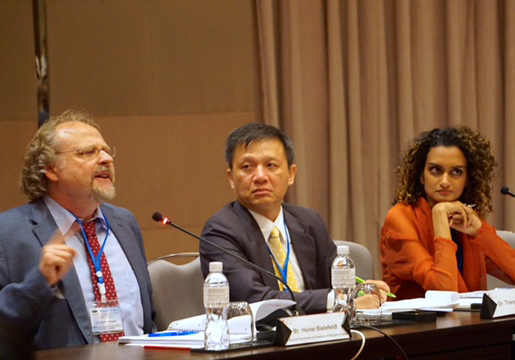
For the first time, approximately 70 human rights defenders, members of religious groups, rights groups, UN agencies and representatives from the ASEAN Intergovernmental Commission on Human Rights, ASEAN Commission on the Promotion and Protection of Rights of Women and Children, National Human Rights Institutions and other government agencies from across the region gathered together to discuss key pressing concerns regarding the right to freedom of religion or belief in Southeast Asia with the UN Special Rapporteur on Freedom on Religion or Belief, Heiner Bielefeldt.
The event was co-organized by the Asian Forum for Human Rights and Development (FORUM-ASIA), the ICJ, and Boat People SOS (BPSOS) from 30 September to 1 October 2015 in Bangkok, Thailand.
During the event, participants were able to deepen their understanding on the right to freedom of religion or belief under international law and standards, and how religious freedom and other human rights should be interpreted and applied in a complementary manner.
“Many people suffer complex violations of their human rights, for example in the intersection of religious minority status, ethnicity, gender, sexual orientation or indigenous origin,” said Heiner Bielefeldt.
The two-day conference also successfully provided a multi-stakeholder platform for the participants to share challenges and best practices, as well as brainstorm ideas on addressing violations related to state control and regulation of religion, and extreme interpretations of religion.
“The politicization of religion undermines freedom of religion or belief, not only to the detriment of minorities, but also of followers of majority religions who do not wish to see their faith be turned into a tool of political power gambling,” added the Special Rapporteur.
Notable suggestions raised by the group on addressing identified obstacles to the free practice of religion or belief included the need for reforms, such as the repeal of blasphemy laws and mandatory registrations, and the importance of dialogue between groups of the same faith, as well as those of different religions.
“We need more cooperation across boundaries, including between faith-based and secular civil society organization,” stressed the expert.
Participants at the conference also recognized the opportunity presented before them in advancing freedom of religion or belief in the region and committed to working to enhance this right by reaffirming:
- Article 18 of the Universal Declaration of Human Rights, which declares: “Everyone has the right to freedom of thought, conscience and religion; this right includes freedom to change his religion or belief, and freedom, either alone or in community with others and in public or private, to manifest his religion or belief in teaching, practice, worship and observance.”
- Freedom of religion or belief is an inalienable, non-derogable human right, encompassing the right to hold or not to hold any faith or belief, to change belief, and to be free from coercion and to manifest religion or belief.
- For freedom of religion or belief to be fully enjoyed, other human rights must also be respected, particularly the principle of nondiscrimination and freedoms of expression, assembly, association, education, and movement.
The participants also committed to:
- Defend and promote freedom of religion or belief as a universal, inalienable and non-derogable human right, as set out in the Universal Declaration, in international law and declarations, and in the work of national, regional, and global institutions.
- Defend and promote freedom of religion or belief for all persons, as individuals and in community with others, through their work and respective institutions by sharing information and mobilizing effective responses.
- Work toward the nondiscriminatory realization of freedom of religion or belief in recognition of multiple and intersectional discriminations and vulnerabilities, including, among other grounds, on grounds of ethnicity, indigenous identity, gender, sexual orientation, citizenship, and disabilities.
- Enhance global and regional cooperation by working across geographical, national, racial, ethnic, political and religious boundaries.
- Advocate for accountability and remedies for individuals and communities suffering from violence, persecution, discrimination, harassment, marginalization or other abuses of human rights because of their religion or belief.
- Express and act in solidarity with individuals and communities suffering from violence, persecution, discrimination, harassment, marginalization or other abuses of human rights because of their religion or belief.
The Conference Declaration was based on the Charter for Freedom of Religion or Belief and the New York Resolution for Freedom of Religion or Belief of the International Panel of Parliaments for Freedom of Religion or Belief (IPPFORB).
South East Asia-Decla Freedom of religion-Advocacy-2016-ENG (full Declaration, in PDF)
Sep 26, 2015
The ICJ submitted a briefing to the UN Human Rights Committee in advance of the Committee’s examination of Greece’s compliance with its obligations under the International Covenant on Civil and Political Rights (ICCPR).
In its submission the ICJ expressed concern and made recommendations about the following issues:
i. the Greek asylum system’s failure to comply in practice with the
non-refoulement obligations and the right to an effective remedy (article 2.3, read in conjunction with articles 6, 7, 9 and 14 ICCPR, in particular);
ii. the immigration detention of refugees, asylum seekers and other migrants and the conditions of their detention (article 7, 9 and 10 ICCPR);
iii. the treatment and immigration detention of unaccompanied children (articles 7, 9 and 24 ICCPR); and
iv. the reception and living conditions of asylum seekers amounting to
destitution (article 7 ICCPR).
Contact:
Massimo Frigo, Europe Programme Legal Adviser, email: massimo.frigo(a)icj.org
Greece-Europe-HRC Briefing-Advocacy-non-legal submissions-2015-ENG (full text in PDF)
Sep 21, 2015
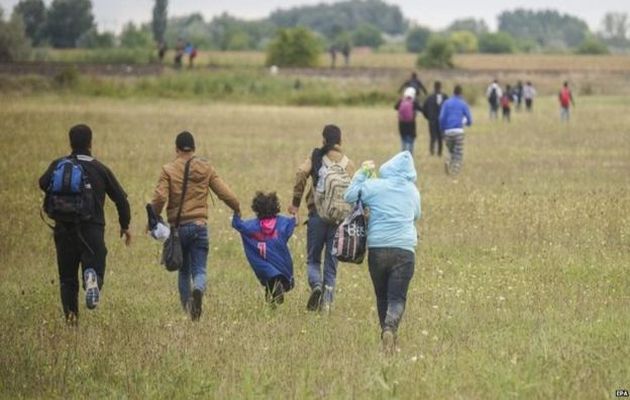
The ICJ today urged the European Council to mandate the EU institutions and Member States to take urgent co-ordinated action to protect the human rights of migrants and refugees who are now arriving in Europe on a large scale, to avoid exacerbating an already grave human rights crisis.
European Council President, Donald Tusk, has called for an extraordinary, informal meeting of heads of State and government for Wednesday 23 September, to discuss a common coordinated approach to address the situation.
The ICJ is following with extreme concern the latest developments in the refugee and migration emergency, with thousands of persons trying to reach the EU every day, including those fleeing war or persecution in Syria, Eritrea, Afghanistan and Ethiopia.
“The current situation represents an acid test for the EU’s identity as a legal order based on human rights and the rule of law,” said Róisín Pillay, Director of the ICJ Europe programme.
“In this rapidly developing human rights crisis, the EU institutions and Member States must respond in accordance with their international human rights and refugee law obligations, which are also founding principles of the EU,” she added.
The unprecedented number of refugees and other migrants – 9,000 persons crossed the Hungarian-Serbian border only on 14 September – has already seen numerous tragedies, including deaths by drowning in the Mediterranean Sea, the ICJ deplores.
It has also seen incidents raising serious human rights concerns, the Geneva-based organization says.
These include the numbering on their skin of refugees and migrants to the Czech Republic; ill-treatment of persons trying to cross the Greek-Macedonian border; and, most lately, deployment of the Hungarian army at the border with Serbia and allegations of ill-treatment, seizure and push-backs by the Hungarian authorities.
“The EU must urgently take co-ordinated action to provide adequate reception conditions and effective access to international protection for people fleeing war, persecution and other serious violations of human rights,” said Massimo Frigo, Legal Adviser of the ICJ Europe Programme.
The ICJ stresses that all refugees and other migrants, regardless of their status, are entitled to full protection of their human rights under international law.
The EU institutions and all EU Member State authorities have a duty to safeguard these rights at all times, including under the EU Treaties and the EU Charter of Fundamental Rights, the ICJ adds.
Contact:
Massimo Frigo, Legal Adviser, ICJ Europe Programme, t: +41 22 979 3805 ; e: massimo.frigo(a)icj.org
Europe-Migration statement-Advocacy-analysis brief-2015-ENG (full text in pdf)
Photo: EPA

Sep 21, 2015 | News
Today, the ICJ has started its mission to the Kyrgyz Republic on organisation and functioning of the legal profession.
During the mission, which will last from 21 to 25 September, the ICJ will assess the implementation of the new legislation unifying the legal profession under a single national bar association, including establishment of new structures and standards for the self-governance of the profession regarding qualification, disciplinary action and professional ethics.
A round table with independent lawyers will be held during the visit, other meetings with bodies of the Bar Association, State officials and other stakeholders that take part in the reform will be held.
The mission will include Jeroen Brouwer, former President of the Dutch Bar Association, Róisín Pillay, Director of the Europe Programme and Temur Shakirov, Legal Adviser of the Europe Programme.
The mission will be followed by a brief report with recommendations for reform.
Contact:
Róisín Pillay: roisin.pillay(a)icj.org
Temur Shakirov: temur.shakirov(a)icj.org