Mar 9, 2015
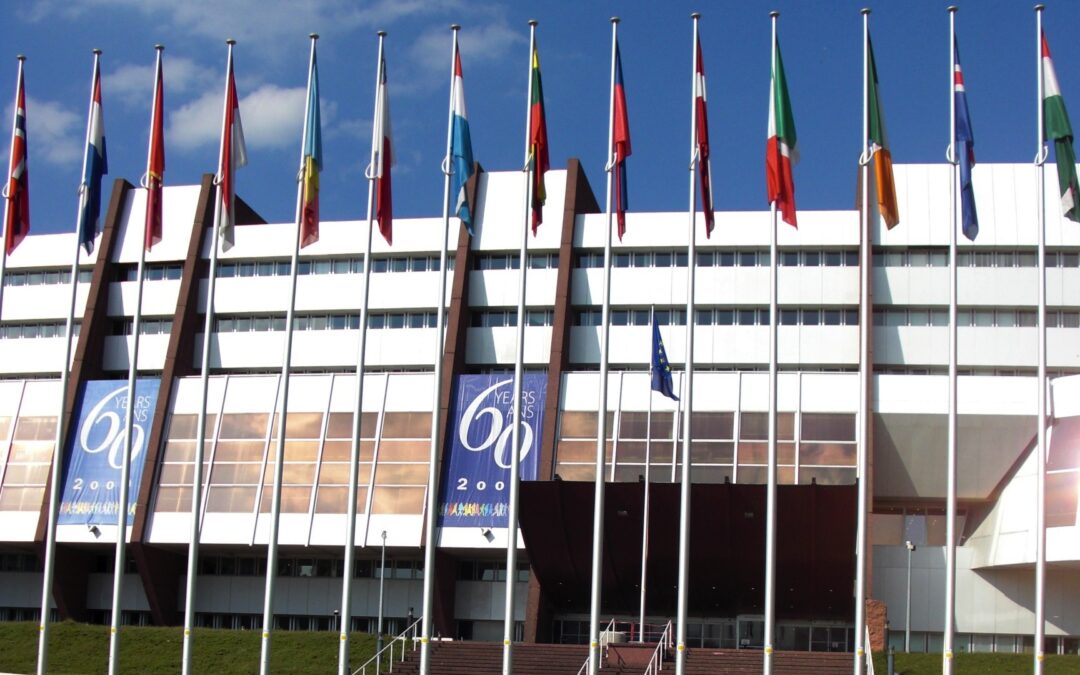
The ICJ and Amnesty International have submitted public observations on the terms of reference to draft an Additional Protocol supplementing the Council of Europe Convention on the Prevention of Terrorism.
In the letter containing their observations, the ICJ and AI outlined before the Committee on Foreign Terrorist Fighters and Related Issues (COD-CTE) of the Council of Europe the general principles of human rights law related to the issue of foreign fighters and the implementation of Security Council resolution 2178(2014) and made observations on specific acts the criminalization of which was explicitly mandated by the Committee of Ministers. The two human rights organisations expressed their concern at the lack of publicity of the negotiations and public availability of the draft protocol which impeded a punctual and effective process of consultations and observations on the negotiated text.
The letter outlines positions and concerns with relation to:
- The lack of definition of central concepts like “terrorism”, “terrorist acts”, and “foreign fighters”
- The risk of introducing criminal offences lacking the clarity, accessibility and foreseeability required by the principle of legality
- The risk of conflation of of different legal regimes, notably of international humanitarian law and ordinary criminal law
- The need to investigate and prosecute existing crimes under international law
- The need to ensure that any criminalisation of acts or omissions must have a close connection to the commission of the principal criminal offence, with a real risk that such a principal criminal act would in fact take place
- The proposed criminal offences of being recruited and receiving training for terrorism, and their ancillary offences.
CouncilofEurope-Letter-ForeignFighters-Advocacy-Legal Submission-2015-ENG (download the observations)
Mar 3, 2015 | Advocacy
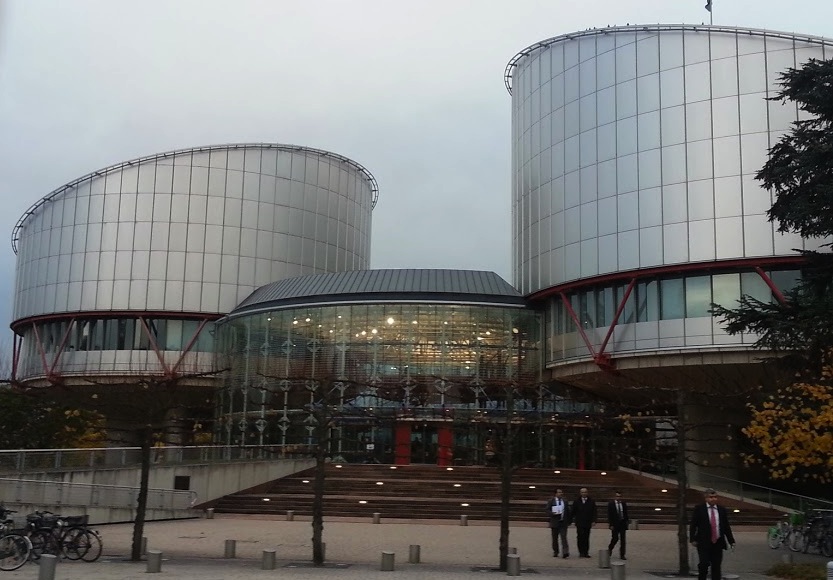
In advance of the Brussels Conference on implementation of the European Convention on Human Rights, our shared responsibility, the ICJ and nine other NGOs issued a statement on the Conference’s draft Declaration.
The statement welcomes a number of aspects of the draft Declaration, which addresses the need for more effective implementation of the Convention and the full, rapid execution of European Court of Human Rights judgments.
It raises concerns at several elements of the draft Declaration, including recommendations to the Court which could undermine its independence, and the lack of recognition of the role of civil society in the effective execution of judgments of the European Court of Human Rights (photo).
Europe-NGO Statement on Brussels Draft Declaration-Advocay-2015-ENG (full text in PDF)
Mar 2, 2015
The ICJ and ECRE presented a joint letter on the situation of the asylum and reception systems in Greece to the Committee of Ministers of the Council of Europe.
The submission was presented on the occasion of a meeting of the Committee of Ministers of the Council of Europe on the implementation by Greece of the European Court of Human Rights’ judgment in the case of M.S.S. v Belgium and Greece. The submission referred to the previous detailed joint submission of ICJ and ECRE and highlighted legal and practical shortcomings in the Greek system with regard to the new asylum service and appeals and the reception service for asylum seekers.
In light of the recent announcements of policy changes of the new Greek Government, ICJ and ECRE invited the Committee of Ministers not to close the examination of any aspect of the execution of this case until the new Government of Greece informs the Committee about any newly contemplated policies, legal reforms and practical measures as well as the concrete steps undertaken to implement them.
Greece-ICJECRE-MSS-CommitteeMinisters-jointletter-legal submission-2014 (download the joint letter)
Greece-ICJECRE-MSS-CommitteeMinisters-3rdsubmission-legal submission-2014 (download the third submission)
ICJECRE-MSS-CommitteeMinisters-2ndsubmission-english (download the second submission)
ICJECRE-MSSSubmission-CouncilofEurope-english (download the first submission)
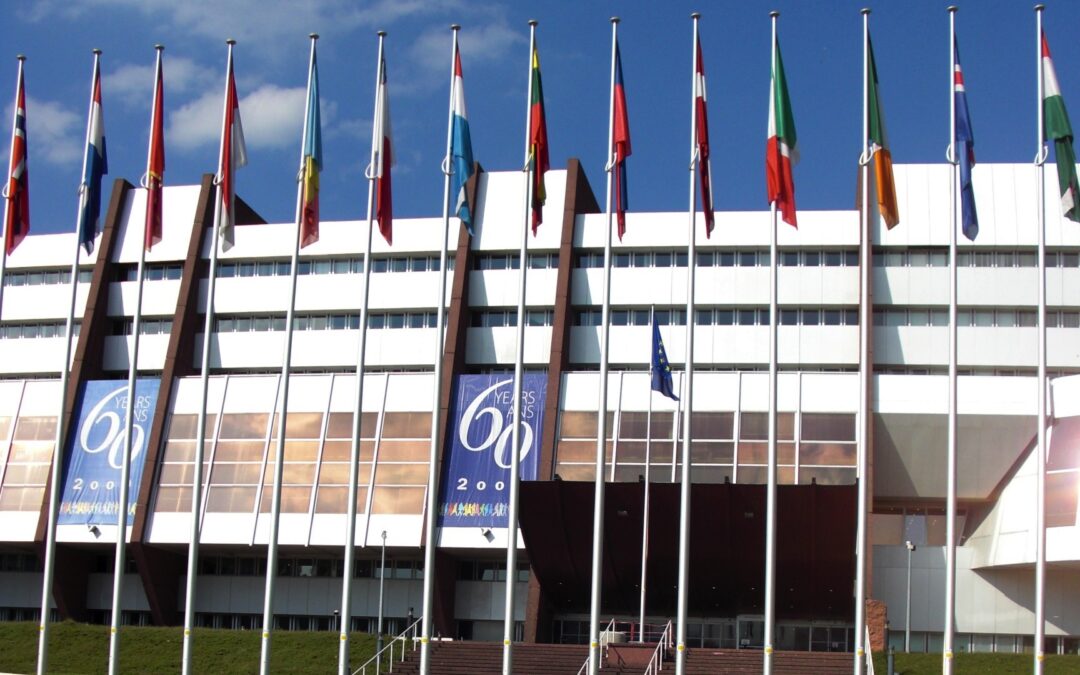
Photo credit: © notfrancois (the author has no involvement in nor does support this submission)

Feb 19, 2015 | Адвокаси, Юридические заявления
Сегодня МКЮ представила информацию Комитету ООН по правам человека до начала рассмотрения седьмого периодического доклада Российской Федерации в соответствии с Международным пактом о гражданских и политических правах (МПГПП).
В представленном документе обращается внимание на обеспокоенность МКЮ в отношении независимости судебной власти в Российской Федерации, которая остается слабой, поскольку многие судьи не понимают, что означает практическое применение независимой судебной власти. Во многих случаях они склонны к чрезмерному влиянию либо из внешних интересов, либо изнутри судебной иерархии.
В этом представлении рассматриваются три аспекта, вызывающих особую озабоченность:
- Процесс отбора, назначения и продвижения для судей, в котором существует разрыв между правом и практикой, и «внепроцедурное» влияние и сокращения сохраняются;
- Судебная дисциплинарная система, в частности увольнение судей; а также,
- Недавний процесс назначения судей в Верховный суд.
Без всесторонней реформы, направленной на устранение этих структурных недостатков, препятствует право каждого на справедливое разбирательство в компетентных, независимых и беспристрастных судах, установленных законом, гарантированных статьей 14 МПГПП.

Feb 19, 2015
Today, the ICJ submitted information to the UN Human Rights Committee in advance of its examination of the Russian Federation’s seventh periodic report under the International Covenant on Civil and Political Rights (ICCPR).
The submission draws attention to the ICJ’s concerns relating to the independence of the judiciary in the Russian Federation, which remains weak, with many judges lacking an understanding of what it means in practical terms to exercise independent judicial power. In many cases, they are prone to undue influence, either from outside interests or from inside the judicial hierarchy.
This submission addresses three aspects of particular concern:
- The selection, appointment and promotion process for judges, in which a gap exists between law and practice, and “extra-procedural” influence and shortcuts persist;
- The judicial disciplinary system, in particular dismissal of judges; and,
- The recent process of appointment of judges to the Supreme Court.
Without comprehensive reform addressing these structural deficiencies, the right of everyone to fair proceedings before competent, independent and impartial tribunals established by law, guaranteed under Article 14 of the ICCPR, is impeded.
RUSSIANFEDERATION-HRCttee submission-ADVOCACY-LEGAL SUBMISSION-2015-ENG(rev)