Apr 8, 2015
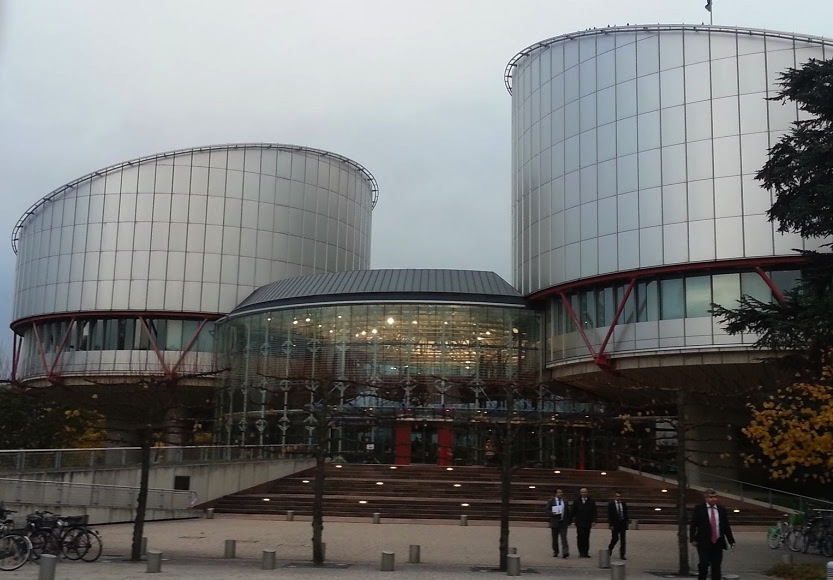
The ICJ submitted today a third party intervention before the European Court of Human Rights in the case of Baka v. Hungary, regarding the dismissal of the former Supreme Court President of Hungary.
In these submissions, the ICJ addressed:
(1) the scope of application of article 6.1 ECHR in cases relating to judicial appointments, the judicial career, and security of tenure including removal from office, in light of the Convention jurisprudence and of principles of the rule of law and of the role and independence of the judiciary;
(2) international standards on security of judicial tenure, freedom of expression of judges, and the role of judges in contributing to debate on questions of judicial independence, which are relevant to protection of article 10 ECHR rights of judges.
The ICJ argued in its third party intervention that the special and fundamental role of the judiciary as an independent branch of State power, in accordance with principles of the separation of powers and the rule of law, is recognised within the ECHR, both explicitly and implicitly.
This special role must accordingly be given significant weight in assessing any restrictions imposed by the executive (and legislative) branches on Convention rights applicable to judges.
Therefore, in order to preserve the special role of the judiciary the ECHR should be interpreted in a manner that limits the scope for the executive- or legislative branch to justify the imposition of restrictions on article 6.1 ECHR rights of judges in employment disputes on grounds of legitimate interest.
Second, for the same reasons, the ECHR should be interpreted to preclude restrictions of freedom of expression applicable to judges and civil servants that would impair the right and the duty of the judiciary to speak out in protection of judicial independence.
ECtHR-AmicusBrief-Baka v Hungary-Advocacy-Legal Submission-2015-ENG (download the third party intervention)
Apr 8, 2015
The ICJ made a submission to the EU Ombudsman on the compliance of the Code of Conduct on Joint Return Operations of Frontex with international human rights law.
The submission was presented in the context of European Ombudsman’s own initiative inquiry concerning the means through which Frontex ensures respect for fundamental rights in joint return operations.
The ICJ concluded that the Code of Conduct for Joint Return Operations Coordinated by Frontex, while a considerable improvement on the previous absence of regulation, does not fully reflect Frontex’s duties in the field of joint return cooperation, organization and execution.
In particular, the ICJ stressed that the standards of the Code of Conduct on the use of force, coercive measures, training and identification do not fully reflect Member States and EU institutions, agencies and bodies obligations under international and EU law.
Finally, the ICJ found that a primary weakness of the Code of Conduct is the lack of proper standards, guarantees and guidelines in relation to the returnee’s right to an effective remedy and reparation, as enshrined in article 47 EU Charter, article 13 ECHR and article 2.3 ICCPR.
Disclaimer: the ICJ is a member of Frontex Consultative Forum on Fundamental Rights. This submission is not sent in the ICJ’s capacity as a member of the Consultative Forum and does not necessarily represent the views of the Forum.
EU-JointReturnsInquiry-ICJSubmission-2015-ENG (download the submission)
Apr 7, 2015
The ICJ and Amnesty International submitted today their observations on the revised draft Additional Protocol to the Council of Europe Convention on the Prevention of Terrorism to the Committee of Experts on Terrorism (CODEXTER).
The submission highlights key points that the two organizations set out in more detail in a previous submission to the Committee on Foreign Terrorist Fighters and Related Issues (COD-CTE) on a previous (12 March) draft of the Additional Protocol, as well as in earlier preliminary observations, and which are not reflected in the text of the draft Protocol as it presently stands. This submission also includes comments on the new Article 7 of the draft Protocol.
The ICJ and Amnesty International urged CODEXTER to consider these concerns and recommendations and to make further amendments to the text of the draft Protocol accordingly before it is submitted for adoption by the Committee of Ministers of the Council of Europe.
CouncilofEurope-CODEXTER-DraftProtocolTerrorismConvention-ICJ-AISubmission-2015-ENG (download the last submission)
CouncilofEurope-Submission-ForeignFighters-Advocacy-Legal Submission-2015-ENG (download the second submission)
CouncilofEurope-Letter-ForeignFighters-Advocacy-Legal Submission-2015-ENG (download the first submission)
Mar 31, 2015 | Адвокаси, Новости, Статьи
Сегодня МКЮ выразила обеспокоенность в связи с обысками, проведенными в жилище и офисе адвокатов следователями города Ош.
По месту жительства адвоката Валерьяна Вахитова и в офисе правозащитной организации «Бир Дуйно-Кыргызстан», где работали адвокаты Валерьян Вахитов и Хусанбай Салиев, был проведен обыск, в результате которого были изъяты материалы из досье адвокатов. МКЮ считает, что данные обыски составили нарушение права на конфиденциальность общения между адвокатом и подзащитным.
Конфиденциальность общения адвоката со своим подзащитным и тайна адвокатского досье пользуются международно-правовой защитой в рамках права на справедливое судебное разбирательство, а также запрета произвольного вмешательства в право на уважение корреспонденции, частной жизни и (в данном случае) жилища.
Обыски последовали за задержанием Умара Фарука, гражданина США, журналиста, который предположительно собирал данные о межэтнической напряженности в Кыргызской Республике, в частности, на границе с Узбекистаном. 25 марта 2015 года Фарук был задержан сотрудниками Государственного комитета по национальной безопасности (ГКНБ).
При задержании у него был изъят ряд предметов, включая компакт-диски «с видеозаписями выступлений… на религиозную тему и отрывками боевых действий», постановления о привлечении в качестве обвиняемого, вынесенные в отношении подзащитных адвокатов, А.М. Юсупова и И.И. Салибаева, а также визитные карточки обоих адвокатов.
28 марта Умар Фарук был депортирован из Кыргызской Республики в связи с осуществлением сбора данных в отсутствие аккредитации.
Следователь обратился в суд с ходатайством о производстве обыска в помещениях, занимаемых адвокатами, на том основании, что там могут находиться документы, «необходимые при расследовании» уголовного дела № 082-15-0236.
Постановления о производстве обыска в офисе НКО, где работали адвокаты, а также по месту жительства Валерьяна Вахитова были вынесены судьями К.М. Матисаковым и Б.Т. Сатыбалдиевым в ходе отдельных заседаний, состоявшихся 26 и 27 марта.
Как следует из постановления, суд удовлетворил ходатайство следователя о производстве обыска по месту жительства адвоката Вахитова с учетом необходимости «всестороннего, объективного и полного расследования уголовного дела, получения доказательств, необходимых при расследовании дела, неотвратимости наказания за совершенное преступление и в целях государственной безопасности».
Аналогичные мотивы были приведены в постановлении о производстве обыска в офисе «Бир Дуйно-Кыргызстан». Органом следствия были изъяты компьютеры, карты памяти, диктофоны и диски, содержащие сведения по делам клиентов адвокатов.
Адвокат Вахитов сообщил о том, что наряду с другими документами были изъяты файлы по девяти делам, в которых он представляет интересы граждан в договорных органах ООН, включая переписку адвоката с органами ООН.
МКЮ обращает внимание на официальное заявление Государственного комитета по национальной безопасности от 30 марта, в соответствии с которым проведение обыска по месту жительства и работы адвокатов являлось «законным и проходило в рамках УПК КР».
28 марта Совет адвокатов Адвокатуры Кыргызской Республики, который является главным исполнительным органом адвокатуры, распространил открытое письмо, в котором призывает Генерального прокурора Индиру Жолдубаеву «принять самые строгие меры, предусмотренные законом, в отношении сотрудников ГКНБ КР, нарушивших гарантии независимости адвокатской деятельности и неприкосновенности адвокатов».
МКЮ считает, что проведение обысков составило явное нарушение законодательства Кыргызской Республики. В соответствии со статьей 29 Закона «Об адвокатуре Кыргызской Республики и адвокатской деятельности», «истребование, изъятие, осмотр, проверка, копирование документов, сбор и использование информации, связанные с юридической помощью по конкретному уголовному делу, допускаются лишь в случае привлечения адвоката в качестве обвиняемого…».
Уголовное дело в отношении адвоката может быть возбуждено только Генеральным прокурором либо его заместителем (часть 3 статьи 29).
Согласно статье 30 Закона, адвокатской тайной являются любые сведения, связанные с оказанием адвокатом юридической помощи своему доверителю.
Читайте полное заявление здесь:
Kyrgyzstan-Searches of lawyers-Advocacy-2015-RUS (русская версия, PDF)
Mar 31, 2015 | Advocacy, News
The ICJ today expressed concern at searches of lawyers’ homes and workplace by Kyrgyz investigators in the city of Osh.
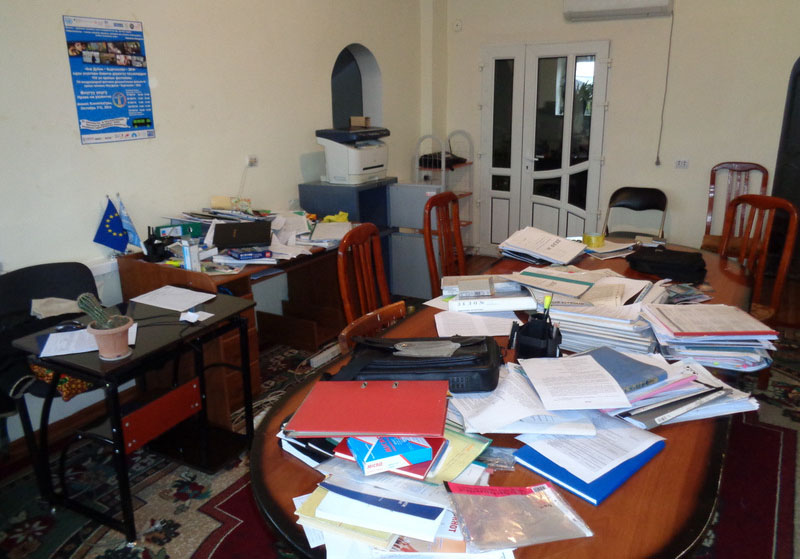
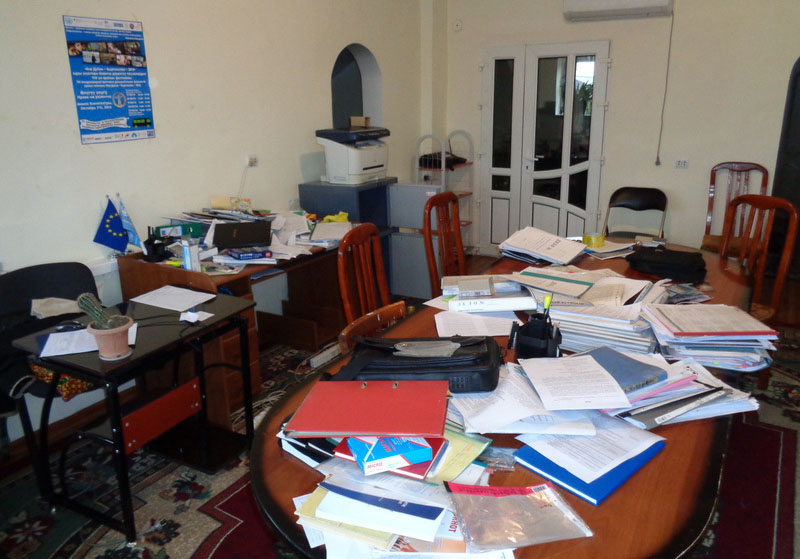
The home of lawyer Valerian Vakhitov and the office of the human rights organization “Bir-Duyno-Kyrgyzstan” (photo) where lawyers Valerian Vakhitov and Khusanbay Saliyev worked, were searched and materials of the lawyers’ cases were seized. The ICJ considers that the searches are violations of the right to confidential communication between a lawyer and his or her client.
The confidentiality of lawyer-client communications and lawyers’ files is protected in international human rights law as part of the right to a fair trial, as well as the prohibition of arbitrary interference with correspondence, privacy and (in this case) home.
The searches followed the arrest of Umar Farooq, a US citizen and journalist who reportedly conducted research on inter-ethnic tensions in the Kyrgyz Republic, in particular near the border with Uzbekistan.
On 25 March 2015, he was arrested by officers of the State Committee of National Security (SCNS) and a number of items in his possession were seized including recordings containing “statements on religious topics and clips of military activities”, copies of charges filed against clients of the two lawyers, A.M. Yusupov and I.I. Salibayev, and the business cards of the two lawyers.
On 28 March, Umar Farooq was expelled from the Kyrgyz Republic on grounds of collection of information without accreditation.
The investigator sought a search warrant for the lawyers’ premises on the grounds that they could contain documents “necessary for the investigation” in criminal case No. 082-15-0236.
Warrants to search the NGO premises where the lawyers worked and to search the residence of Valerian Vakhitov, were issued in separate proceedings on 26 and 27 March by judges K.M. Matisakov and B.T. Satybaldiyev.
According to the search warrant issued by the Court, the search of Lawyer Vakhidov’s home was authorized taking into account the “the need for a full, objective, comprehensive resolution of the crime, obtaining evidence necessary for the investigation of the case, inevitability of the punishment for a crime committed and for the purposes of national security”.
The same reasons were given to authorize searches of the office of “Bir-Duyno-Kyrgyzstan” Investigators seized computers, memory sticks, dictaphones and disks with information on cases in which the lawyers represented clients.
Lawyer Vakhitov reported that among other documents, files relating to nine cases in which he represented individuals before the UN Treaty Bodies, including communication with the UN bodies, had been seized.
The ICJ notes that the State Committee of National Security of the Kyrgyz Republic officially stated, on 30 March, that the searches of work and residence places of lawyers were “legal and within the framework of the CPC of the KR [Criminal Procedure Code of the Kyrgyz Republic]”.
On the same day, the Council of Advokatura, its main executive body, issued a statement calling on the Prosecutor General Indira Zholdubayeva “to take the strictest measures provided by law in regard to the officers of the State Committee of National Security which violated the guarantees of the independence of lawyers’ activity and integrity of lawyers”.
The ICJ considers that the searches are a clear violation of the law of the Kyrgyz Republic. According to Article 29 of the Law On Advokatura and Lawyers’ Activity the Kyrgyz Republic “requisitioning, seizure, examination, inspection, copying documents, collection and use of information related to legal assistance in a particular criminal case are allowed only in the case involving a lawyer as a defendant …”.
A criminal case against a lawyer may be initiated only by the Prosecutor General or her deputy (Article 29.3).
According to article 30 of the Law, information related to providing legal aid to clients is protected as lawyer-client privilege (…).
Read the full statement here:
Kyrgyzstan-Searches of lawyers-Advocacy-2015-ENG (full text in PDF)
Kyrgyzstan-Searches of lawyers-Advocacy-2015-RUS (Russian version in PDF)