Mar 27, 2015 | Advocacy, News, Non-legal submissions
The ICJ, and other NGOs present at the Brussels Conference on the implementation of the European Convention on Human Rights today responded to the final draft of the Brussels Declaration to be adopted today, with ten specific action points.
The response welcomes the draft Declaration’s deadline of June 2016 to improve the execution of the judgments of the European Court of Human Rights, but regrets that it does not set out the specific measures that states and the Committee of Ministers should take to improve implementation.
CouncilofEurope-JointStatement-ExecutionofJudgments-BrusselsConference-Advocacy-non legal submission-2015-ENG (download the joint statement)

Mar 20, 2015 | Доклады, Доклады судебного наблюдения, Публикации
Доклад о наблюдениях за судебными слушаниями по делам “Иностранных агентов” рассматривал четыре дела, связанные с применением поправок к Закону «Об НКО» 2012 года.
Доклад подготовлен по итогам наблюдения, проведённого Международной комиссией юристов (МКЮ) за судебными заседаниями по каждому из дел, которые состоялись в 2013- 2014 годах, а также основывается на информации, полученной от российских юристов и НКО.
В нем рассматривается вопрос о соблюдении права на справедливое судебное разбирательство в ходе заседаний, за которыми наблюдала МКЮ. Данное право гарантируется международными договорами в области прав человека, такими как Европейская Конвенция о защите прав человека и основных свобод («Европейская Конвенция по правам человека» или «ЕКПЧ») и Международный пакт о гражданских и политических правах («МПГПП»), участником которых является Российская Федерация и которые она обязана выполнять.
Особое внимание в докладе уделяется некоторым аспектам судопроизводства, которые вызывают обеспокоенность в связи с нарушением права на справедливое судебное разбирательство.
Russian Federation-NGO Foreign Agents-Publications-Trial Observation Report-2015-RUS (полный доклад на русском, PDF)
Читайте также:
Российская Федерация: Доклад о судебном разбирательстве в Конституционном суде и решение о внесении закона по «Иностранным агентам» в Закон об НПО
Российская Федерация: МКЮ выражает обеспокоенность в связи с решением суда о регистрации в качестве иностранного агента
Российская Федерация: изменения в ФЗ “О некоммерческих организациях”, вводящие понятие иностранного агента, нарушают право на свободу объединений и выражения мнений

Mar 20, 2015
The Court Proceedings in “Foreign Agents” cases report on trial observations analyses four cases concerning the implementation of the 2012 Amendments to the Russian NGO Law.
It is based on court hearings observed by the International Commission of Jurists (ICJ) in 2013-2014 in each of these cases, as well as information provided by lawyers and NGOs in Russia.
The report assesses the compliance of the hearings the ICJ observed with the right to a fair hearing as guaranteed under international human rights instruments including the European Convention for the Protection of Human Rights and Fundamental Freedoms (European Convention on Human Rights or ECHR) and the International Covenant on Civil and Political Rights (ICCPR), treaties to which Russia is a party, and with which it is thus bound to comply.
The report focuses, in particular on some aspects in the proceedings which gave rise to concern that the right to a fair hearing was being breached.
Russian Federation-NGO Foreign Agents-Publications-Trial Observation Report-2015-ENG (full text in PDF)
Russian Federation-NGO Foreign Agents-Publications-Trial Observation Report-2015-RUS (full text in PDF)
Read also:
Russian Federation: report on the Constitutional Court proceedings and judgment on the “Foreign Agent” amendments to the NGO Law
Russian Federation: ICJ expresses concern at court judgment ordering registration as a foreign agent
Russia: amendments to the NGO Law on Foreign Agents violate rights to freedom of association and expression
Mar 19, 2015 | Advocacy, Legal submissions, News
The ICJ and Amnesty International have presented a submission on the draft of an Additional Protocol supplementing the Council of Europe Convention on the Prevention of Terrorism.
In their submission, the ICJ and AI outlined before the Committee on Foreign Terrorist Fighters and Related Issues (COD-CTE) of the Council of Europe the general principles of human rights law related to the issue of foreign fighters and the implementation of Security Council resolution 2178(2014) and made observations on the draft criminal offences contained in the draft protocol.
The submission outlines positions and concerns with relation to:
- The lack of definition of central concepts like “terrorism”, “terrorist acts”, and “foreign fighters”
- The risk of introducing criminal offences lacking the clarity, accessibility and foreseeability required by the principle of legality
- The risk of conflation of of different legal regimes, notably of international humanitarian law and ordinary criminal law
- The need to investigate and prosecute existing crimes under international law
- The need to ensure that any criminalisation of acts or omissions must have a close connection to the commission of the principal criminal offence, with a real risk that such a principal criminal act would in fact take place
- Specific comments on the draft offences of participation in an association or group for the purpose of terrorism; receiving training for terrorism; travelling abroad for the purpose of terrorism; funding travelling abroad for the purpose of terrorism; organizing or otherwise facilitating travelling abroad for the purpose of terrorism.
CouncilofEurope-Submission-ForeignFighters-Advocacy-Legal Submission-2015-ENG (download the observations)
Mar 17, 2015 | Events, News
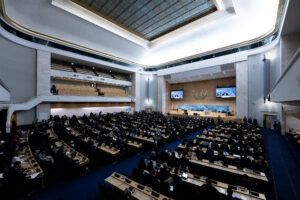
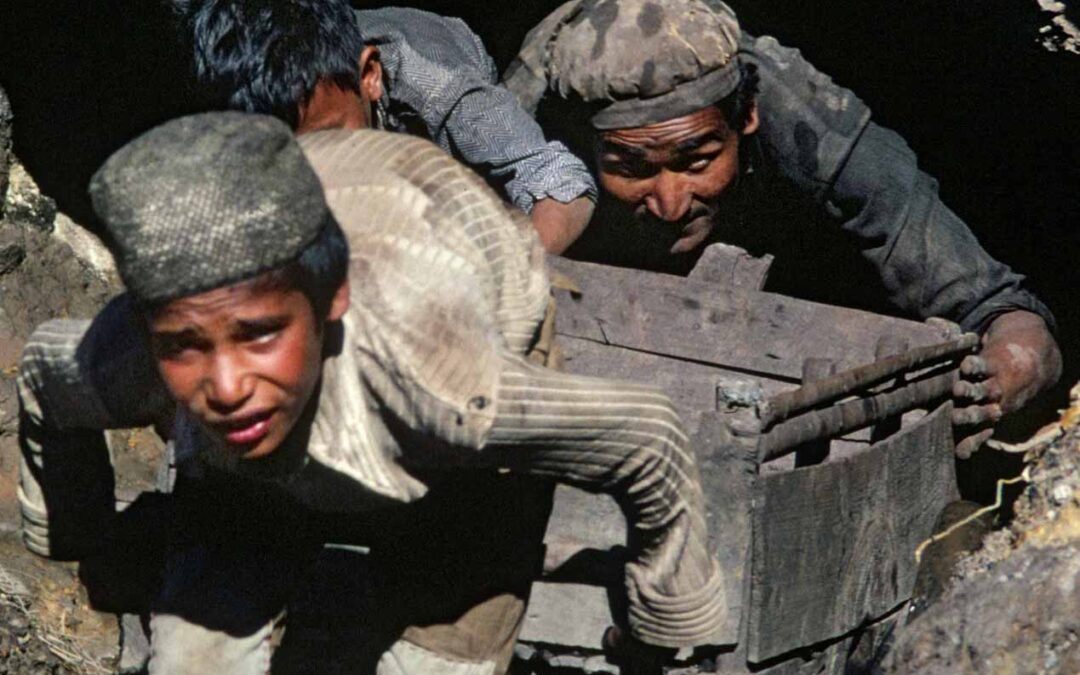
This side event will take place on Thursday 19 March 2015, 12.00-14.00, at the Palais des Nations, Geneva, Room XXVII.
It aims at creating a space to discuss the EU agenda on Business & Human Rights, identifying current challenges and development, and exploring opportunities arising from the Treaty process.
Panelists:
Mons. Silvano Tomasi, Holy See, Permanent Observer
Mr. Jerome Bellion-Jourdan, Delegation of the European Union to the UN
Mrs. Elena Valenciano, European Parliament Sub-Committee on Human Rights, Chair
Mr. Richard Meeran, Leigh Day, Partner
Ms. Anne van Schaik, Friends of the Earth Europe, Economics and Justice Team
Moderation: Dr. Carlos Lopez, International Commission of Jurists, Senior Legal Adviser
Erope-Flyer side-event EU BHR perspectives-News-event-2015-ENG (ful text in PDF)